


Hand Painted Oriental Cabinet
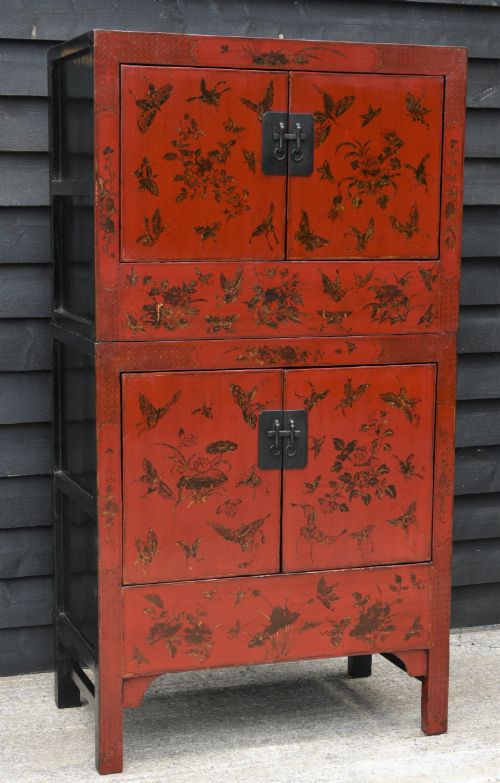
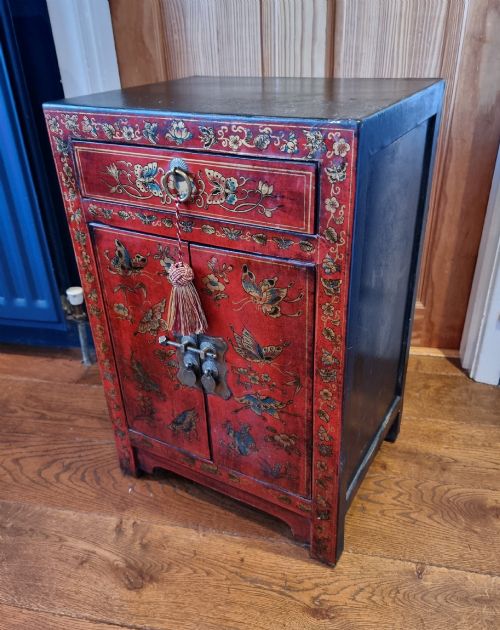
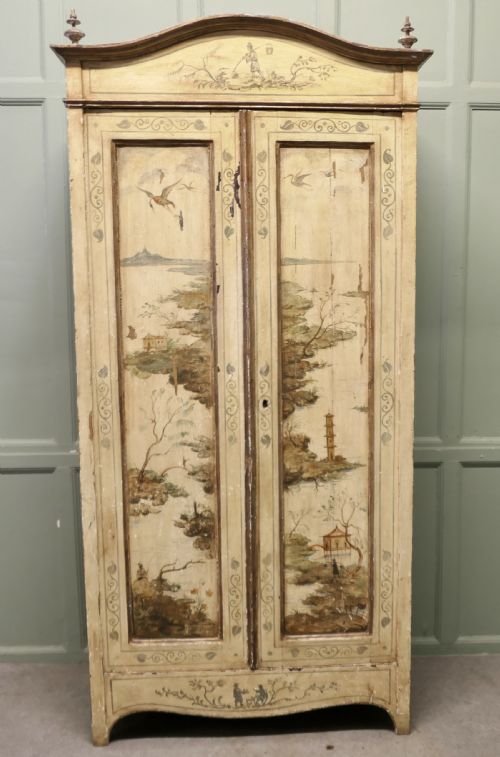
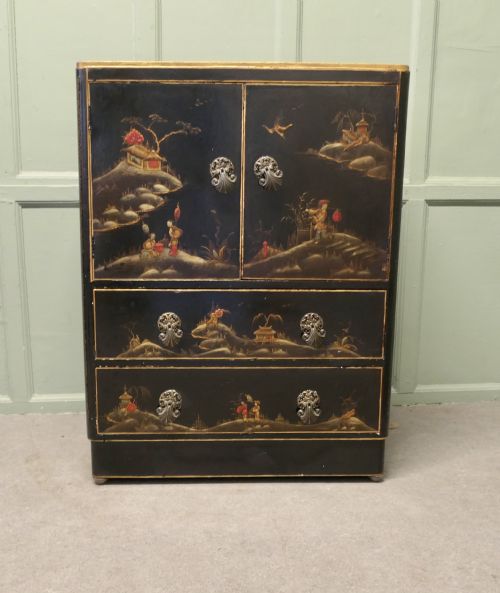
A hand painted oriental cabinet brings rich lacquer, intricate scenes and bold colour into a room.
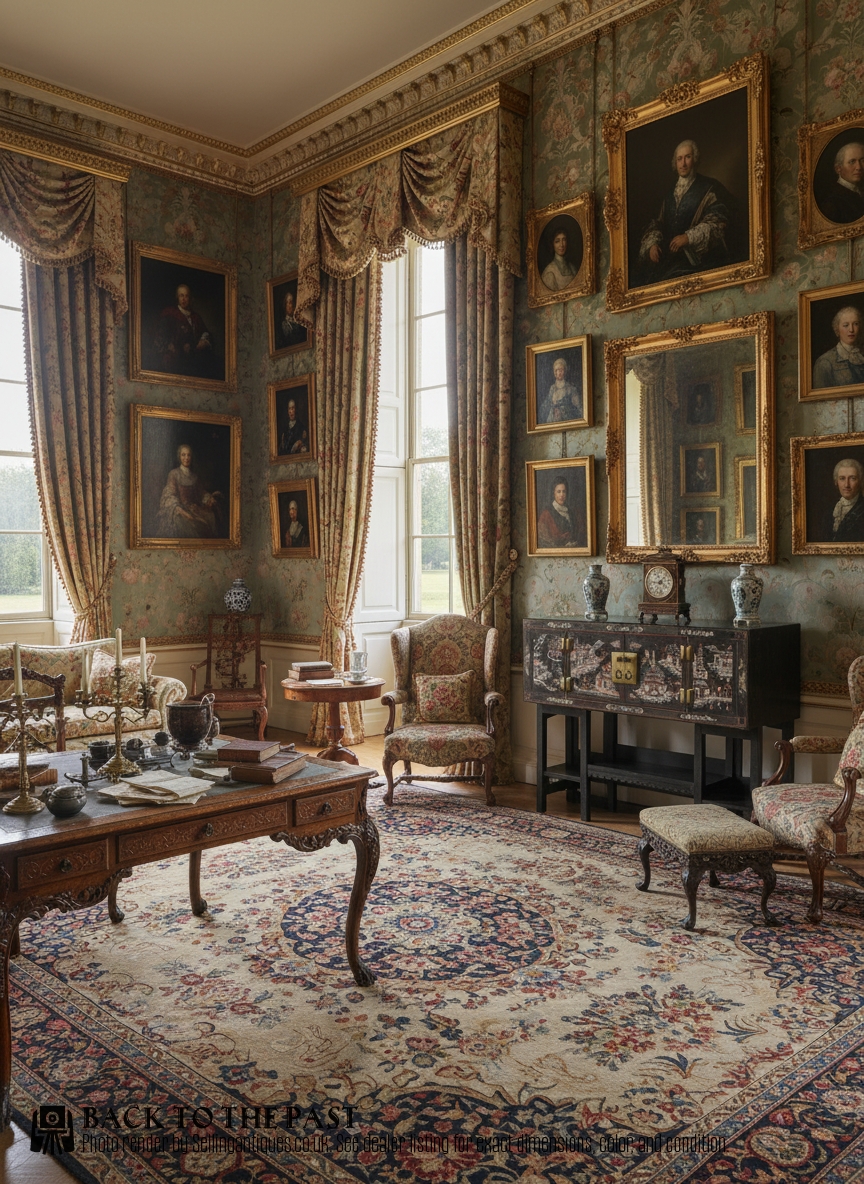
Hand Painted Oriental Cabinet
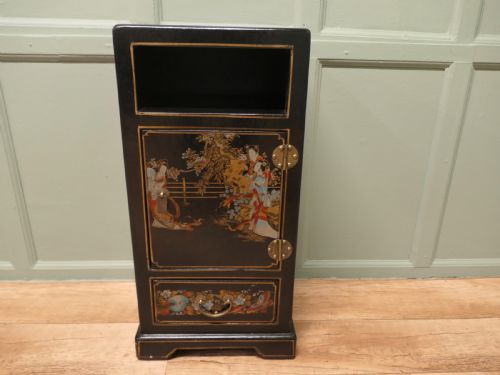
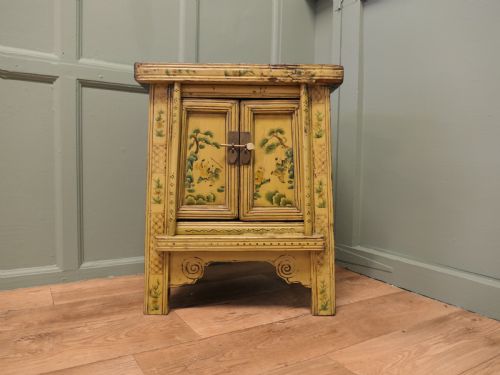
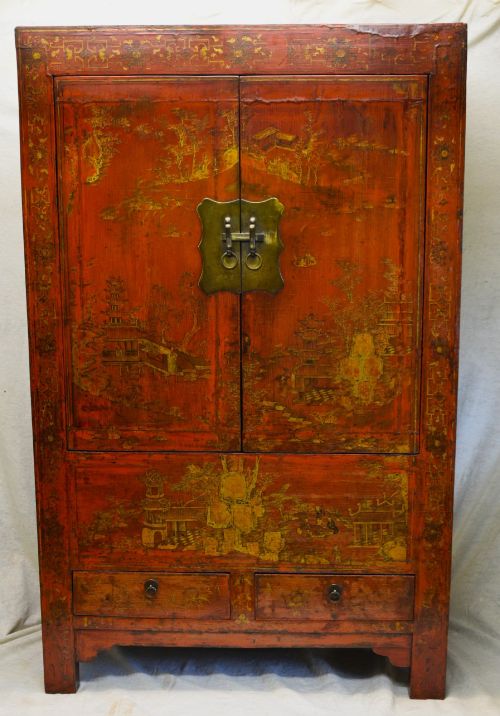
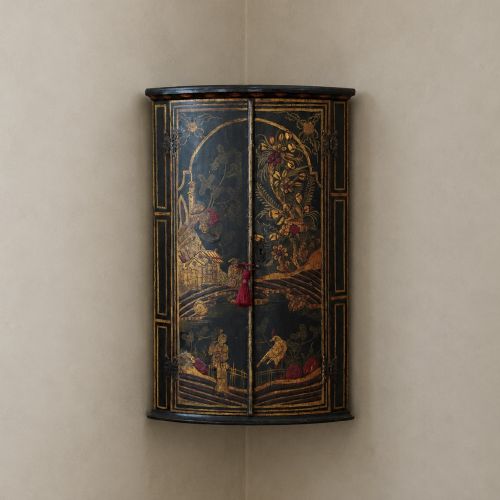
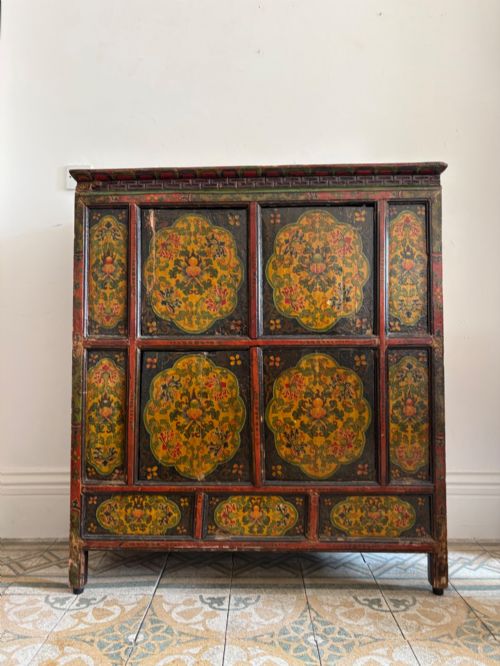
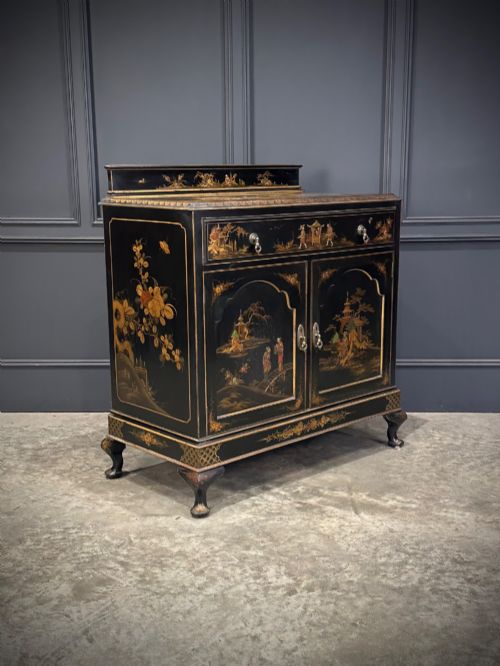
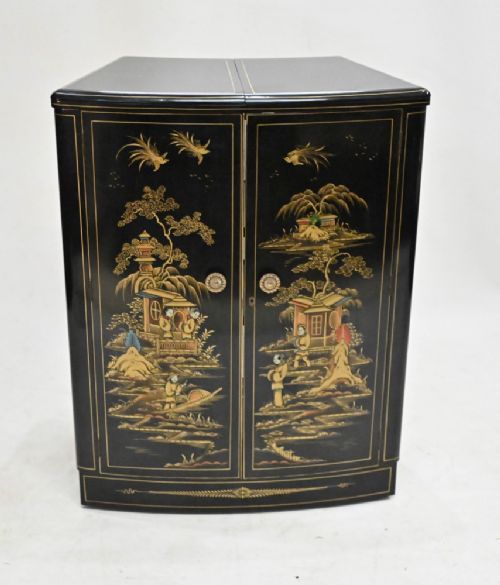
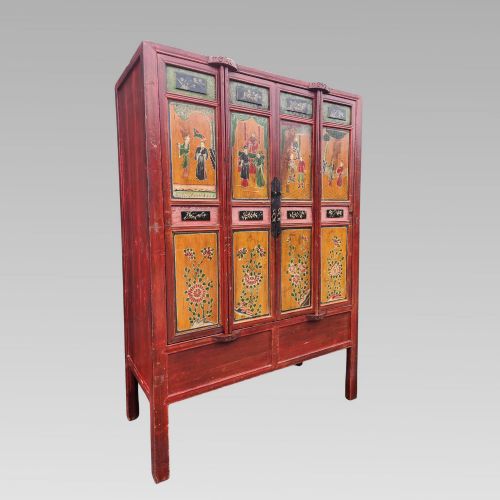
When you search for a hand painted oriental cabinet, you find storage pieces drawing on traditions from China, Japan and Tibet. The selection includes corner cupboards, side cabinets, wedding chests and drinks cabinets spanning the eighteenth, nineteenth and early twentieth centuries.
Most examples you encounter on this page date from the nineteenth century or the early twentieth century. They range from small wall cupboards to large marriage cabinets, alongside related items such as sideboards and cocktail cabinets.
Makers and workshops produced these pieces using distinct regional aesthetics, including Chinese export styles, Japanese Imari influences, Chinoiserie decoration and Tibetan motifs. You will also see items like decorated plates and desks sharing the same aesthetic traditions.
How they were made
Wood serves as the primary structural material, often finished with layers of lacquer to build a smooth, durable surface. Artisans then applied hand-painted pigments, enamel and gold leaf to create outdoor scenes, floral motifs and figures.
Many cabinets incorporate brass hardware, hinges and lock plates that contrast with black, red or green lacquered backgrounds. Some pieces sit on carved wooden stands or feature specialised interiors designed for cocktails or storage.
Listings feature items from the 18th Century through the 1930s, using wood, lacquer, porcelain, brass and gold leaf.
What varies in quality
The finesse of the hand-painted decoration separates standard examples from exceptional ones. Finer pieces display crisp detail in figures, birds and foliage, with carefully preserved gold leaf and rich enamel layers.
The integrity of the lacquer surface and the stability of the underlying wood determine the condition level. Original painted surfaces with minimal later restoration hold greater interest than heavily repainted examples.
Chosei Kyoto
The Hand Painted Oriental Cabinet Glossary
- Japanned
- European imitation of Japanese lacquerwork. This technique uses heat-cured varnishes and paints on wood, often in black or green.
- Imari
- Japanese porcelain decorated in underglaze blue, iron red and gold. Pieces show distinct patterns originating from the port of Imari.
- Lacquer
- Natural resin applied to wood in multiple thin coats. It dries to a hard, glossy finish that resists moisture and wear.
- Satsuma
- Japanese pottery with a crackled ivory-coloured glaze. Items feature elaborate enamel and gilt decoration depicting people or nature scenes.
Hand Painted Oriental Cabinet: Frequently Asked Questions
What is a hand painted oriental cabinet used for?
These pieces provide functional storage for tableware, linens, books or glassware in living spaces and dining rooms. Drinks cabinets and cocktail cabinets include specialised internal fittings for bottles and barware.
Larger wedding cabinets and marriage chests offer deep shelving enclosed by double doors. Smaller side cabinets and corner cupboards fit into tighter spaces while displaying decorative painted scenes.
How do I care for a lacquered cabinet?
Keep wooden and lacquered pieces away from direct sunlight and heat sources to prevent the finish from drying out or cracking. Dust gently with a soft, dry cloth without using harsh chemical polishes.
Maintain a stable room temperature and humidity level to protect the wood and the delicate paint layers. Avoid placing heavy wet items directly onto the lacquer surface.
How can I tell a nineteenth-century piece apart from later ones?
Nineteenth-century cabinets often feature hand-mixed pigments, traditional joinery methods and natural lacquer finishes that show subtle signs of age. The wear patterns on the painted surfaces develop organically through long use.
Early twentieth-century items may incorporate machine-sawn timber or different hardware styles while maintaining traditional decorative motifs. Examining the interior construction and the backboards helps reveal the manufacturing period.