
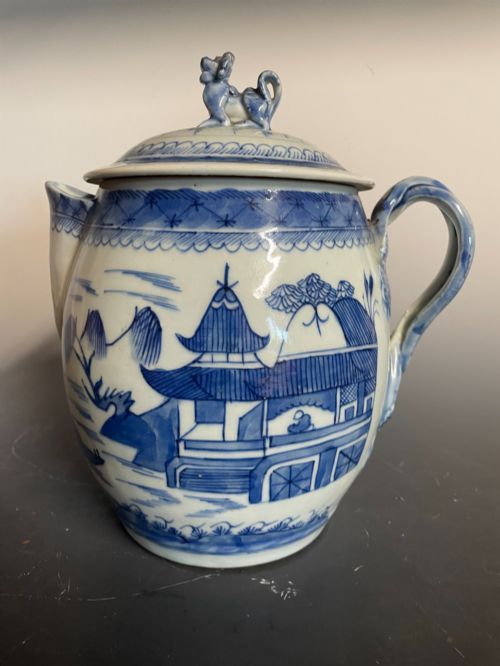


Hand Painted Milk Pitcher
A hand painted milk pitcher brings centuries of ceramic artistry to the table, offering functional charm through hand-decorated botanical and scenic motifs.
Hand Painted Milk Pitcher
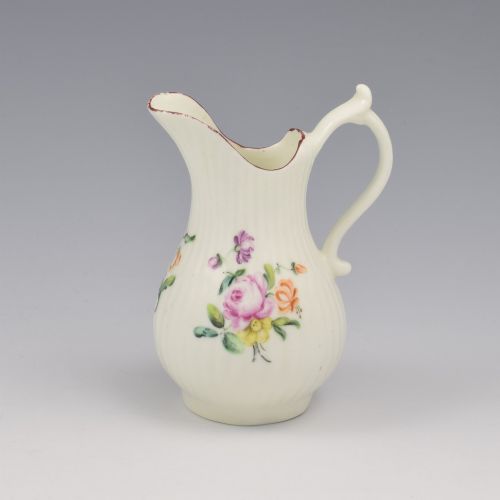
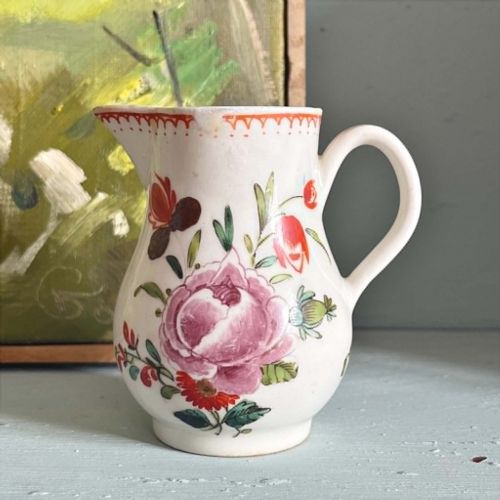
When you search for a hand painted milk pitcher, you encounter diverse forms ranging from eighteenth-century porcelain sparrowbeak creamers to nineteenth-century earthenware and pottery jugs. These vessels served dining tables across Georgian, Regency, and Victorian periods, utilised for serving milk or cream alongside tea and coffee.
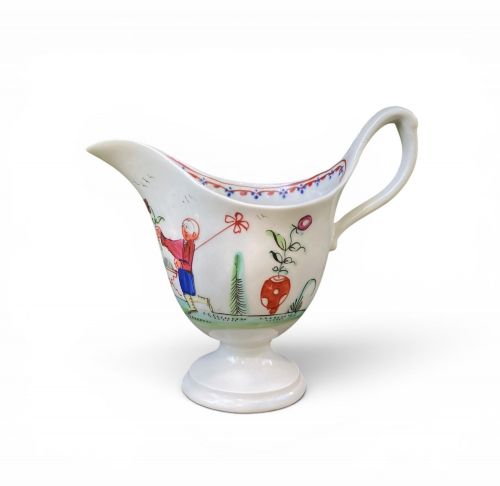
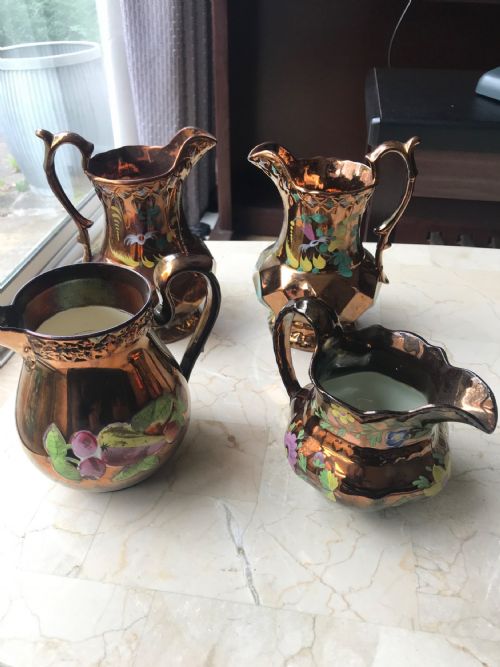
Makers produced these pitchers in various configurations, including faceted bodies, low Chelsea ewers, and pouch jugs, often incorporating copper lustre, gilding, and polychrome floral scenes into their daily designs.
Materials and construction
Potters shaped these pieces primarily from ceramic, porcelain, and earthenware, applying glazes to seal the porous clay bodies before adding hand-painted decoration. Factories utilised specialised techniques to form fluted balusters, sparrowbeaks, and clip handles.
Artisans applied enamel colours, gold leaf, and copper lustre directly onto the glazed surfaces, sometimes firing the pieces multiple times to fix the polychrome floral panels, birds, insects, and armorial crests.
Listings span multiple periods including Georgian, Regency, Victorian, and Edwardian, showcasing materials from earthenware and porcelain to copper lustre and gold leaf.
Judging quality and execution
Quality in a hand painted milk pitcher rests upon the crispness of the porcelain or pottery body, the precision of the hand-painted brushwork, and the preservation of the gilding or enamel. Pieces featuring detailed scenes, such as views of Buildwas Abbey or hand-painted fruit signed by artists, demonstrate superior craftsmanship.
The sophistication of the form also distinguishes the pieces, as delicately potted sparrowbeaks or ribbed porcelain jug bodies require greater skill to produce than standard utilitarian wares.
Derby Porcelain·Bow porcelain·New Hall porcelain·Meissen·Royal Worcester·Chamberlain Worcester·John Rose Coalport·H & R Daniel
The Hand Painted Milk Pitcher Glossary
- Sparrowbeak
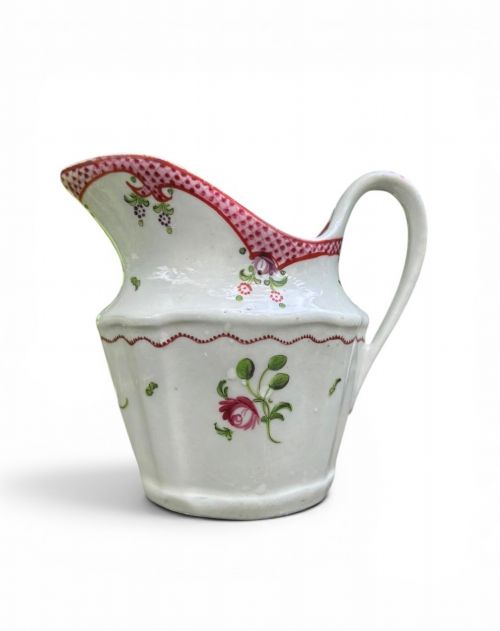
- A small eighteenth-century cream jug featuring a distinctive protruding, pinched spout resembling a bird beak. This form is frequently found on early porcelain pieces.
- Copper Lustre
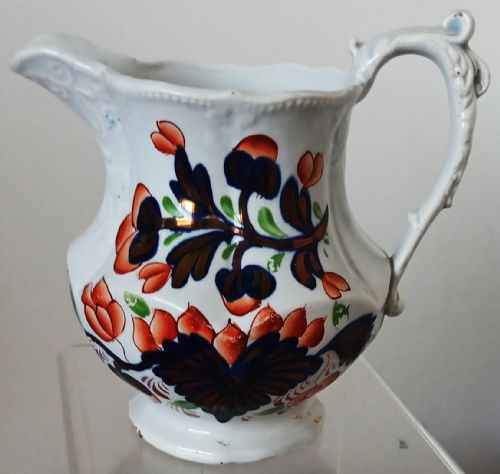
- A metallic glaze technique producing an iridescent, reflective copper sheen. Potters applied this widely to nineteenth-century Staffordshire earthenware jugs.
- Gaudy Welsh
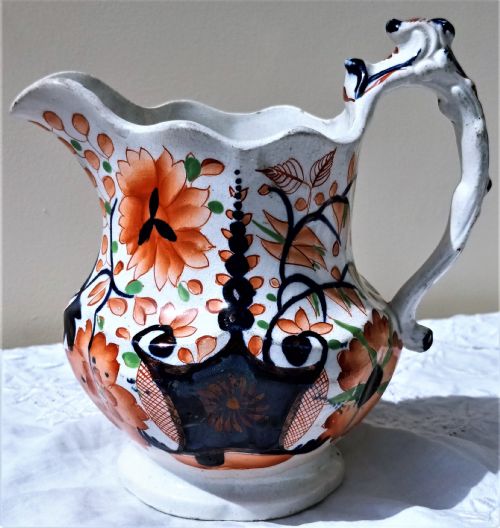
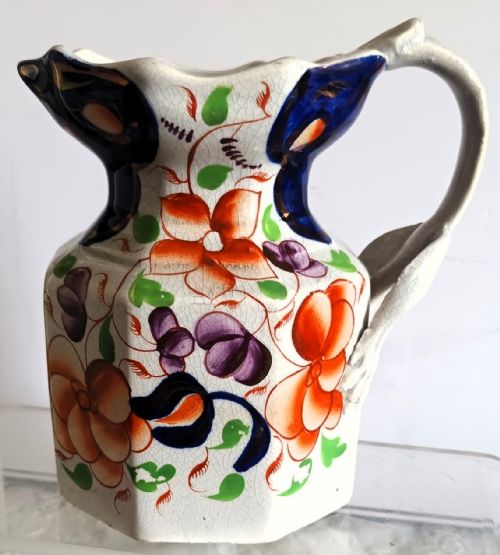
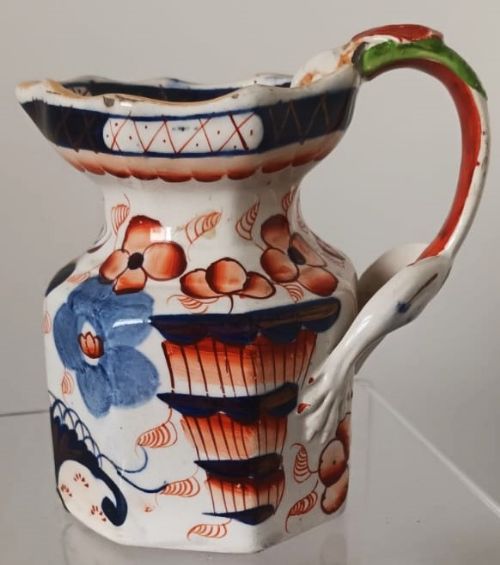
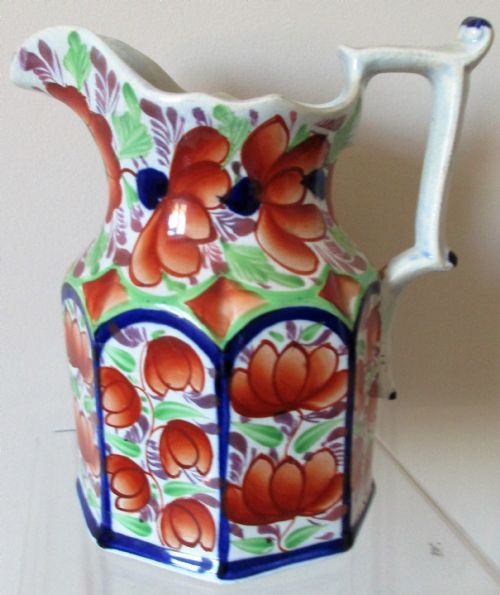
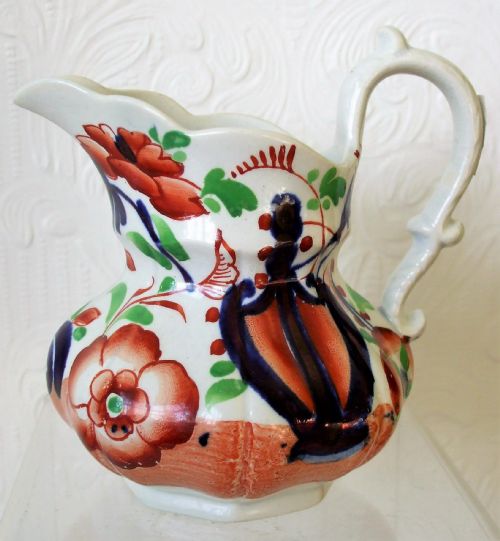
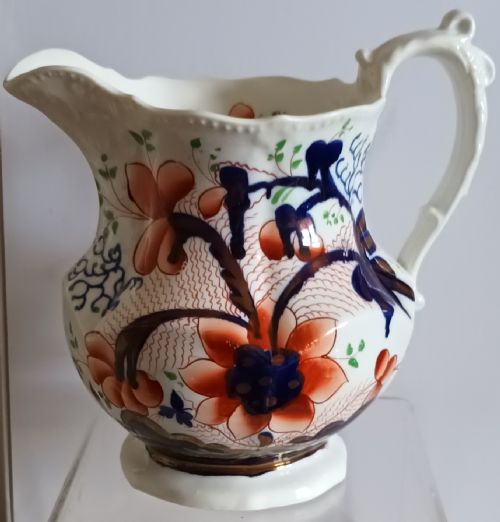
- A style of colourful pottery made in the nineteenth century featuring bright cobalt blue, iron-red, copper lustre, and green. Patterns often include geometric and floral motifs like Pagoda and Grape.
- Armorial Crest
- A heraldic design painted onto porcelain to denote a specific family or lineage. Chamberlain Worcester and other factories produced crested jugs for prominent households.
- Polychrome
- Decoration employing multiple distinct colours painted by hand. This technique brings life to floral panels, birds, and oriental scenes across porcelain and earthenware bodies.
Hand Painted Milk Pitcher: Frequently Asked Questions
How were milk pitchers used?
These vessels served to hold and pour milk or cream during formal tea and coffee services in the dining room or parlour. Households utilised them daily, passing them around the table to dispense cream into cups.
Over the centuries, forms evolved from tiny eighteenth-century sparrowbeak creamers to larger nineteenth-century milk jugs, accommodating changing dining habits and social rituals.
How do I date a porcelain jug?
Dating relies on identifying the paste, glaze characteristics, factory marks, and decorative style recorded in the physical evidence. Eighteenth-century pieces often exhibit delicate, translucent porcelain bodies with hand-painted polychrome floral sprays.
Nineteenth-century examples frequently display heavier earthenware bodies, transfer-printed outlines filled with hand-applied enamel, or distinctive copper lustre finishes associated with the Victorian era.
Are these pitchers safe for use?
While these antique and vintage pitchers were originally designed for functional dining use, many collectors prefer to display them as decorative art objects. The historic glazes and enamel decorations can be sensitive to modern detergents and heavy use.
Gentle hand washing in lukewarm water preserves the delicate hand-painted motifs, gold leaf, and copper lustre surfaces for future appreciation.
What is Gaudy Welsh pottery?
Gaudy Welsh pottery comprises nineteenth-century earthenware jugs decorated with vibrant, saturated colours including cobalt blue, iron-red, and copper lustre. Popular patterns named in listings include Pagoda, Gwent, Grape, and Conwy.
Potters created these striking wares primarily for domestic markets, utilising robust earthenware bodies that withstand daily handling while maintaining their colourful aesthetic.