


Hand Painted Floral Creamer
These hand painted floral creamer examples bring together delicate ceramics and hand-applied botanical decoration from eighteenth and nineteenth-century makers.
Hand Painted Floral Creamer
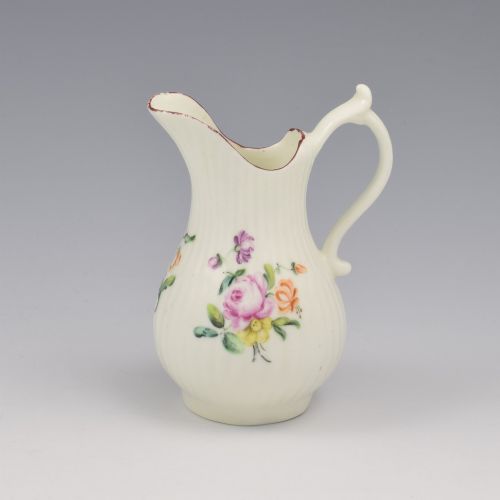
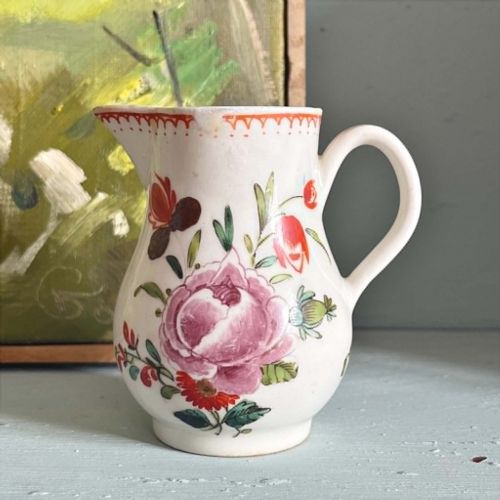
A hand painted floral creamer is a small ceramic vessel designed for serving milk or cream at the table, featuring painted botanical motifs. When you search for this phrase, you encounter forms ranging from eighteenth-century soft-paste porcelain jugs to nineteenth-century earthenware pitchers.
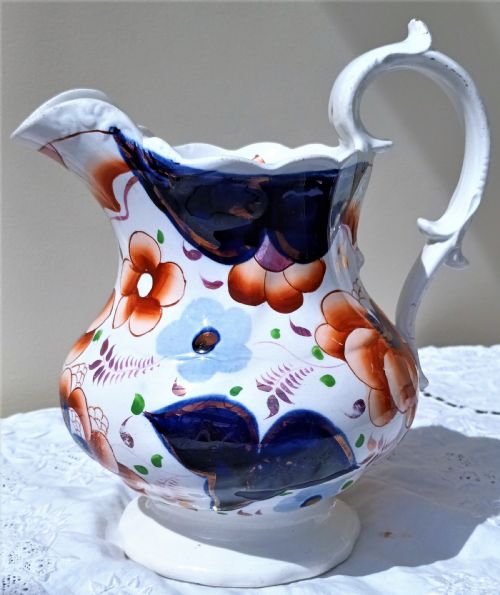
Most pieces date from the Georgian and Victorian eras, carrying hand-painted floral decoration executed in polychrome enamel or cobalt blue. These functional tableware items reflect the shifting ceramic tastes and manufacturing techniques of British and European potteries across two centuries.
How they were made
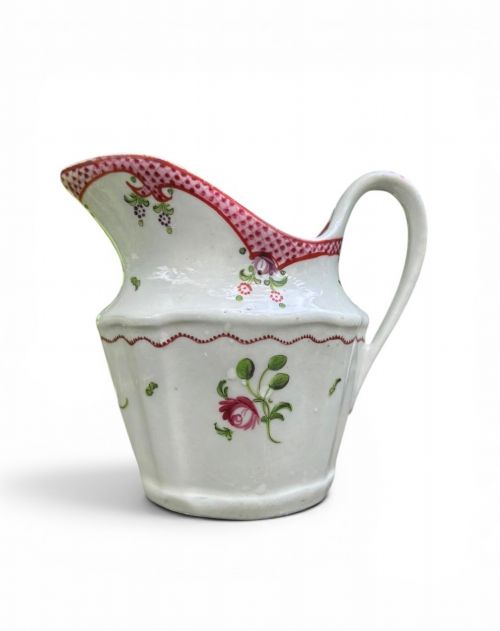
The construction of these vessels relies on ceramic bodies such as porcelain, soft-paste porcelain, and earthenware, often finished with a clear glaze. Eighteenth-century pieces from factories like Bow and Worcester utilise fine paste compositions shaped by hand or moulded before firing.
Decoration is applied by hand using enamel colours, sometimes enhanced with gold leaf gilding or copper lustre accents. Tin-glazed Delftware examples employ an opaque white tin glaze as a ground for painted floral patterns before a final kiln fix.
Decorations across the selection combine hand-painted polychrome florals with cobalt blue, copper lustre, and gold leaf.
What varies in quality
The distinction between standard domestic wares and top-tier pieces rests on the precision of the hand-painted floral detailing and the fineness of the ceramic body. Early soft-paste porcelain bodies exhibit a characteristic translucency and weight that mark them out from heavier nineteenth-century earthenware.
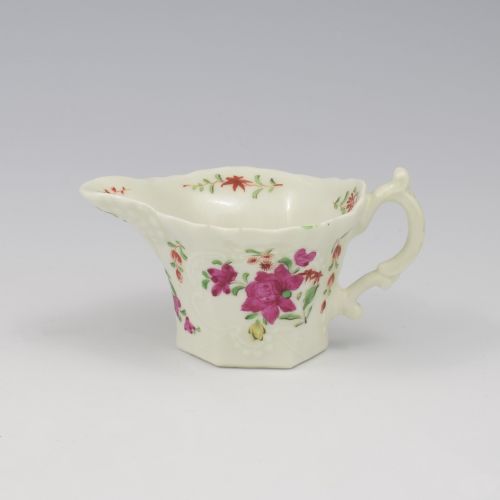
Artistic execution dictates the upper tier of the range, where careful brushwork, balanced polychrome palettes, and intact gilding demonstrate the skill of the decorator. The crispness of moulded details on shapes like sparrowbeak jugs or hexagonal sauce boats further separates fine factory output from standard production.
Derby Porcelain·Bow porcelain·Worcester Porcelain·New Hall porcelain·Meissen·Royal Worcester·John Rose Coalport·Rockingham Porcelain·Herculaneum
The Hand Painted Floral Creamer Glossary
- Sparrowbeak creamer
- A small eighteenth-century cream jug featuring a distinctive pinched lip resembling a bird's beak. This form is typical of early porcelain production.
- Soft-paste porcelain
- An artificial ceramic composition fired at lower temperatures than hard-paste porcelain, common in eighteenth-century English factories. It produces a warm, slightly translucent body.
- Tin-glazed earthenware
- Pottery covered with a glaze containing tin oxide to yield a white and opaque surface. Blue and white floral decoration is typically painted directly onto this unfired glaze.
- Gaudy Welsh
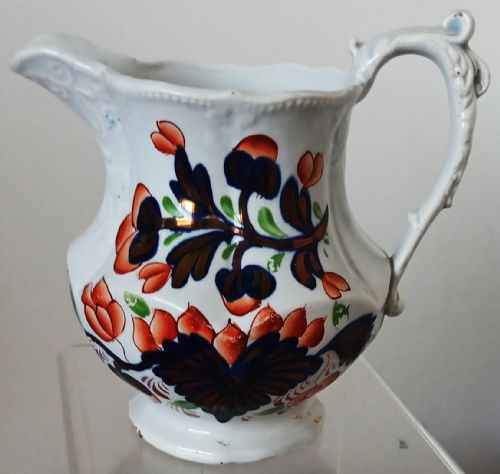
- A type of nineteenth-century pottery decorated with vibrant, often hand-applied floral and geometric patterns using cobalt, iron red, and lustre. It was produced largely for everyday domestic use.
- Ewer
- A pitcher with a wide spout and a curved handle, historically used for pouring liquids. In ceramic collections, the term often describes low, decorative cream or water jugs.
Hand Painted Floral Creamer: Frequently Asked Questions
How do I date a porcelain creamer?
Dating relies on identifying the paste composition, glaze characteristics, and factory mark if present. Eighteenth-century pieces often show the characteristic translucency and potting traits of early soft-paste porcelain.
Stylistic indicators such as Rococo moulding or specific floral painting styles also help narrow the decade of manufacture. Comparing the shape to documented factory forms provides further chronological context.
Were these jugs used for milk or cream?
These vessels were designed for the tea table to hold dairy to lighten tea or coffee. Their small capacities reflect the status of tea as an expensive commodity in the eighteenth and nineteenth centuries.
Over time, forms evolved from specialised shapes like sparrowbeak jugs to larger milk jugs and creamers to suit changing domestic habits.
How should I clean antique ceramic creamers?
Antique ceramics require gentle hand washing in lukewarm water with mild soap. Avoid soaking pieces, particularly those with overglaze enamel decoration or gold leaf, which can degrade with harsh treatment.
Using soft cloths prevents scratching the historic glaze and protects fragile handles and spouts from accidental impact.
What is the difference between porcelain and earthenware jugs?
Porcelain is a vitrified, non-porous ceramic fired at high temperatures, often showing translucency when held to the light. Earthenware is an opaque, more porous ceramic body fired at lower temperatures, typically heavier in the hand.
Earthenware pieces from the nineteenth century, such as Gaudy Welsh pottery, offer robust construction suited to daily use compared to delicate eighteenth-century soft-paste porcelain.