




Hand Painted Fruit Urn
A hand painted fruit urn brings vibrant botanical artistry into a room, offering rich colour and traditional porcelain form.
Hand Painted Fruit Urn
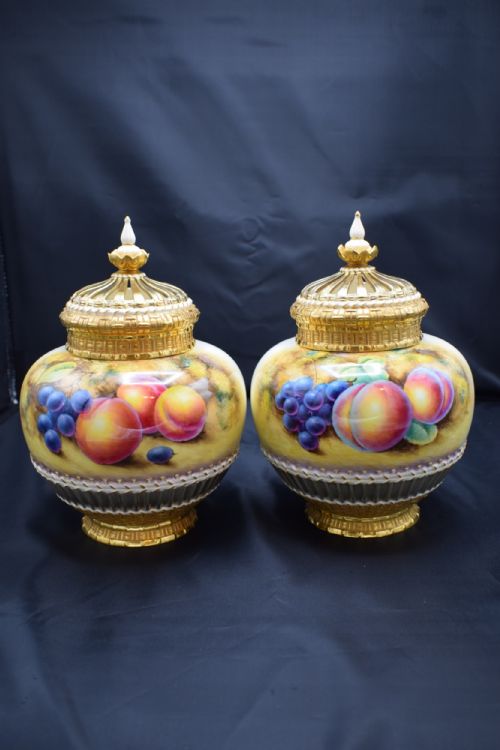
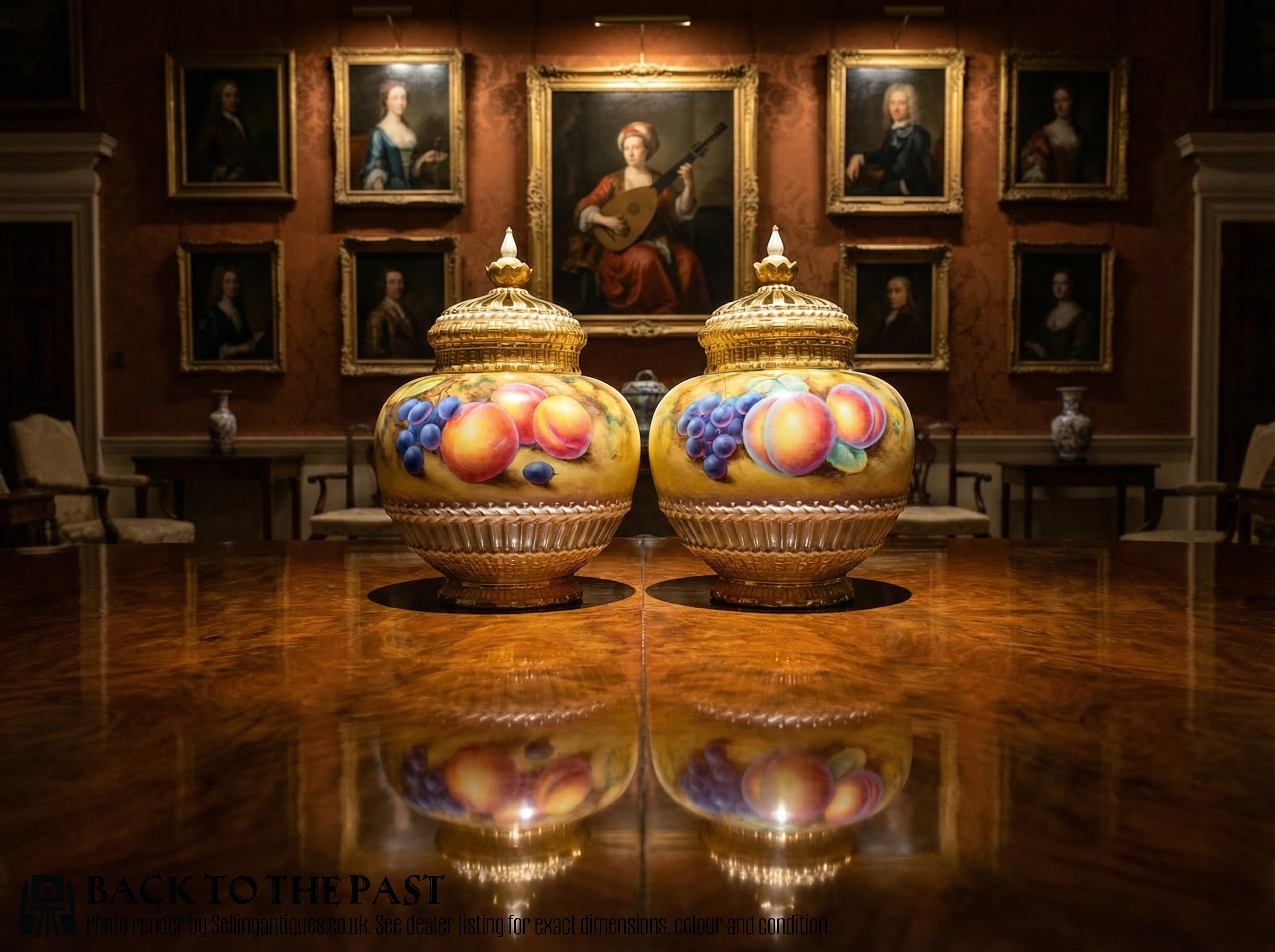
A hand painted fruit urn typically takes the form of a porcelain vase, ginger jar, or pot pourri vessel decorated with detailed studies of natural produce. These decorative pieces emerge frequently from English porcelain houses, particularly Royal Worcester, alongside examples attributed to periods ranging from the Victorian era through the mid-twentieth century.
Makers utilised various traditional shapes, including lidded pot pourri vases, ewers, and handled cups, to display lush arrangements of peaches, grapes, and berries. The selection on this page demonstrates a strong presence of mid-twentieth-century pieces alongside earlier nineteenth-century and Edwardian examples.
Materials and production methods
Artisans painted botanical subjects directly onto porcelain, bone china, or glazed earthenware blanks using fine brushes to capture the subtle tones of ripening fruit. Many of these ceramic vessels incorporate applied gold leaf, gilding, or gilt highlights around the rims, handles, and footed bases.
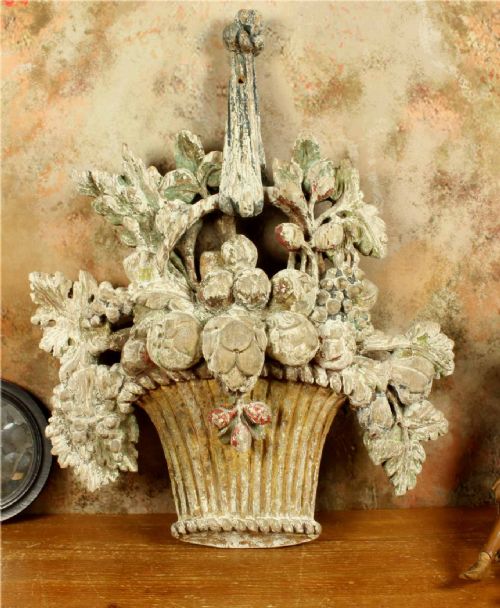
Firing techniques allowed vibrant enamel pigments to fuse permanently with the underlying glaze during multiple kiln stages. Potters also shaped supplementary materials, as seen in specific decorative wall reliefs carved from wood.
Several artists signed their painted fruit directly onto the porcelain, immortalising their brushwork alongside centuries of peaches and grapes.
Distinctions in craftsmanship
The precision and naturalism of the brushwork set individual pieces apart, particularly the depth of shading and highlight detail rendered across each piece of fruit. Master painters achieved greater lifelike quality through careful layering of pigments against neutral or softly shaded backgrounds.
The application of gilding and the crispness of mould forms, such as pierced covers on pot pourri jars or sculpted handles, reflect the standing of the studio and the skill of the decorator.
Royal Worcester·Coalport·Flight Barr And Barr·William Moorcroft·Charlotte Rhead
The Hand Painted Fruit Urn Glossary
- Pot pourri vase
- A ceramic vessel featuring a pierced or perforated cover designed to diffuse the scent of dried aromatic plant materials placed inside.
- Ewer
- A large jug with a wide spout and elaborate handle, historically used for water but often produced purely for display.
- Gilding
- The application of gold leaf or powdered gold suspension to ceramic surfaces to create metallic decorative accents.
- Bone china
- A type of porcelain composed of clay mixed with bone ash, producing a strong, translucent white body suitable for fine painting.
Hand Painted Fruit Urn: Frequently Asked Questions
What is a hand painted fruit urn?
A hand painted fruit urn is a ceramic vessel, such as a vase or pot pourri jar, decorated with detailed painted studies of natural fruit.
These pieces showcase traditional ceramic forms combined with meticulous botanical artwork executed by skilled porcelain painters.
How were these urns used historically?
Many of these vessels served as ornamental centrepieces in period drawing rooms and parlours to display status and taste.
Specific forms like pot pourri jars additionally functioned to freshen indoor air by holding aromatic dried flowers and spices.
How do I style a porcelain urn at home?
Place a fruit urn on a mantelpiece, side table, or within a cabinet where adequate light highlights the painted enamel details and gilding.
Keep the surrounding decor simple to allow the rich colours of the painted fruit and ceramic form to draw focus.
How can I tell different periods apart?
Victorian and early nineteenth-century pieces often display Neoclassical or Regency styling with heavy gilding and formal shapes.
Mid-century items from the 1920s through the 1960s frequently exhibit signature artist marks and distinct palette choices typical of later studio output.