



Decorative Porcelain Jars
These decorative porcelain jars span centuries of fired clay and painted glaze, offering a glimpse into domestic display from European mantelpieces to Asian export rooms.
Decorative Porcelain Jars
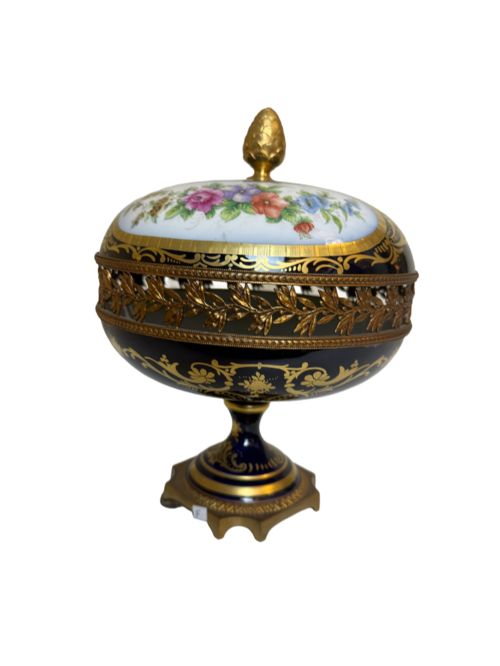
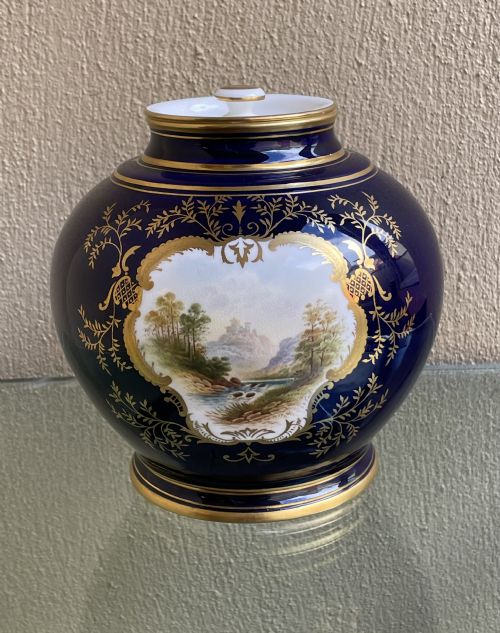
When searching for decorative porcelain jars, buyers encounter a diverse mix of lidded vessels, ginger jars, pot pourri containers, and biscuit barrels spanning the nineteenth and twentieth centuries. These pieces cross various cultural traditions, ranging from English factory wares and French porcelain to Japanese Imari and Chinese export ceramics.
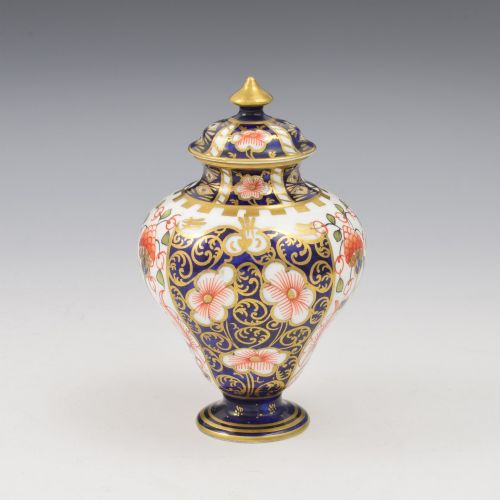
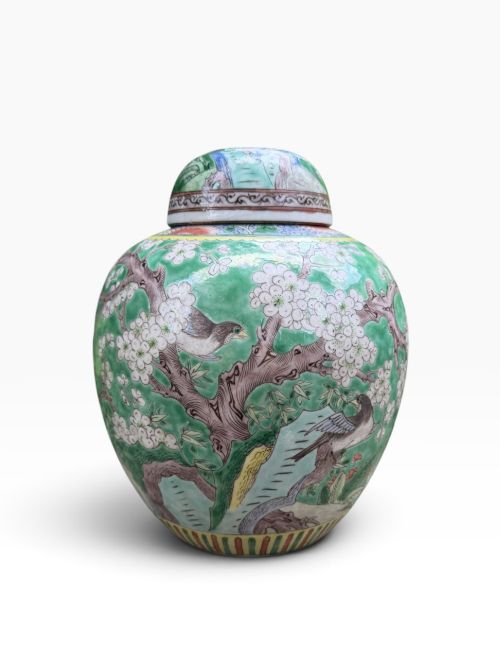
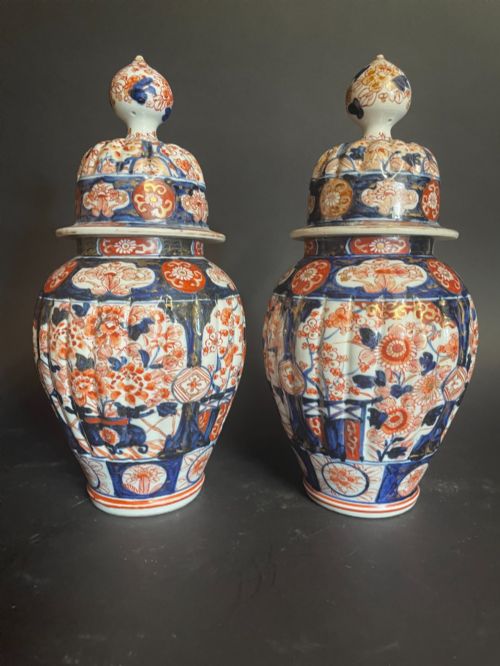
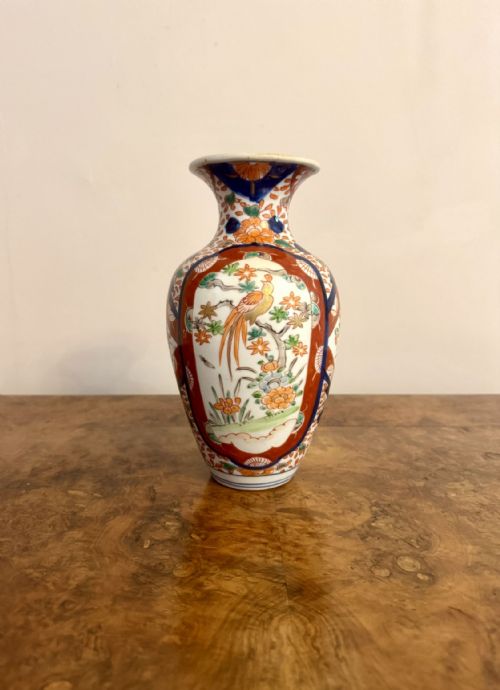
The most common examples on this page are lidded ginger jars and covered urns decorated in the Japanese Imari palette or painted with floral and fruit motifs by English makers. Forms vary from hexagonal vessels and fluted bodies to monumental floor vases and miniature cabinet pieces.
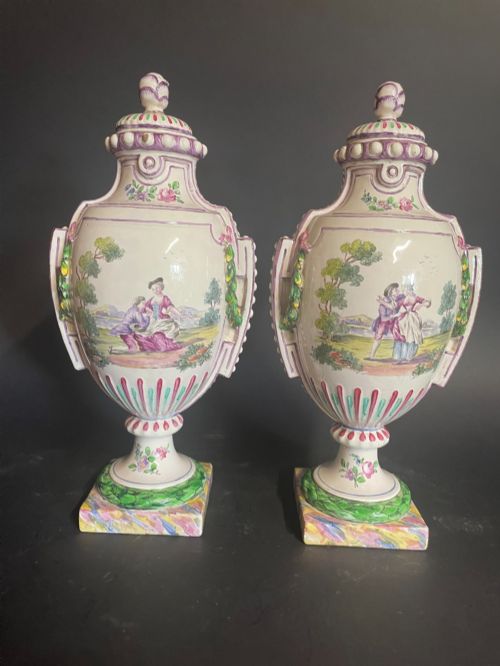
Origins stretch across European centres such as Worcester, Derby, Limoges, and Paris, alongside Asian wares from the Meiji period and Qing Dynasty. Each piece serves primarily as an ornamental focal point, often incorporating covers designed to complete the profile of the vessel.
Standards of execution
Quality in these pieces rests on the precision of the hand-painting, particularly in the brushwork of floral panels, fruit studies, and intricate Imari patterns. Skilled artists achieve depth and tonal variation that elevate standard factory output into fine decorative art.
The crispness of the porcelain moulding and the alignment of covers on lidded jars indicate the care taken during production. Well-fitted lids and clean, unblemished glaze surfaces distinguish finer specimens from mass-produced utilitarian containers.
One apothecary jar bears an authentic 'Honey' label, reminding us that past households stored sticky medicine in the exact same spot as afternoon treats.
Royal Crown Derby·Royal Worcester·Samuel Alcock and Co·Minton·Coalport
The Decorative Porcelain Jars Glossary
- Imari palette
- A traditional Japanese colour scheme featuring rich cobalt blue, iron red, and gilt highlights. This palette was widely imitated by European porcelain factories during the nineteenth century.
- Ginger jar
- A ceramic vessel characterised by a broad shoulder and a short mouth, originally utilised for storing spices. In decorative contexts, these jars are almost invariably paired with matching domed covers.
- Pot pourri
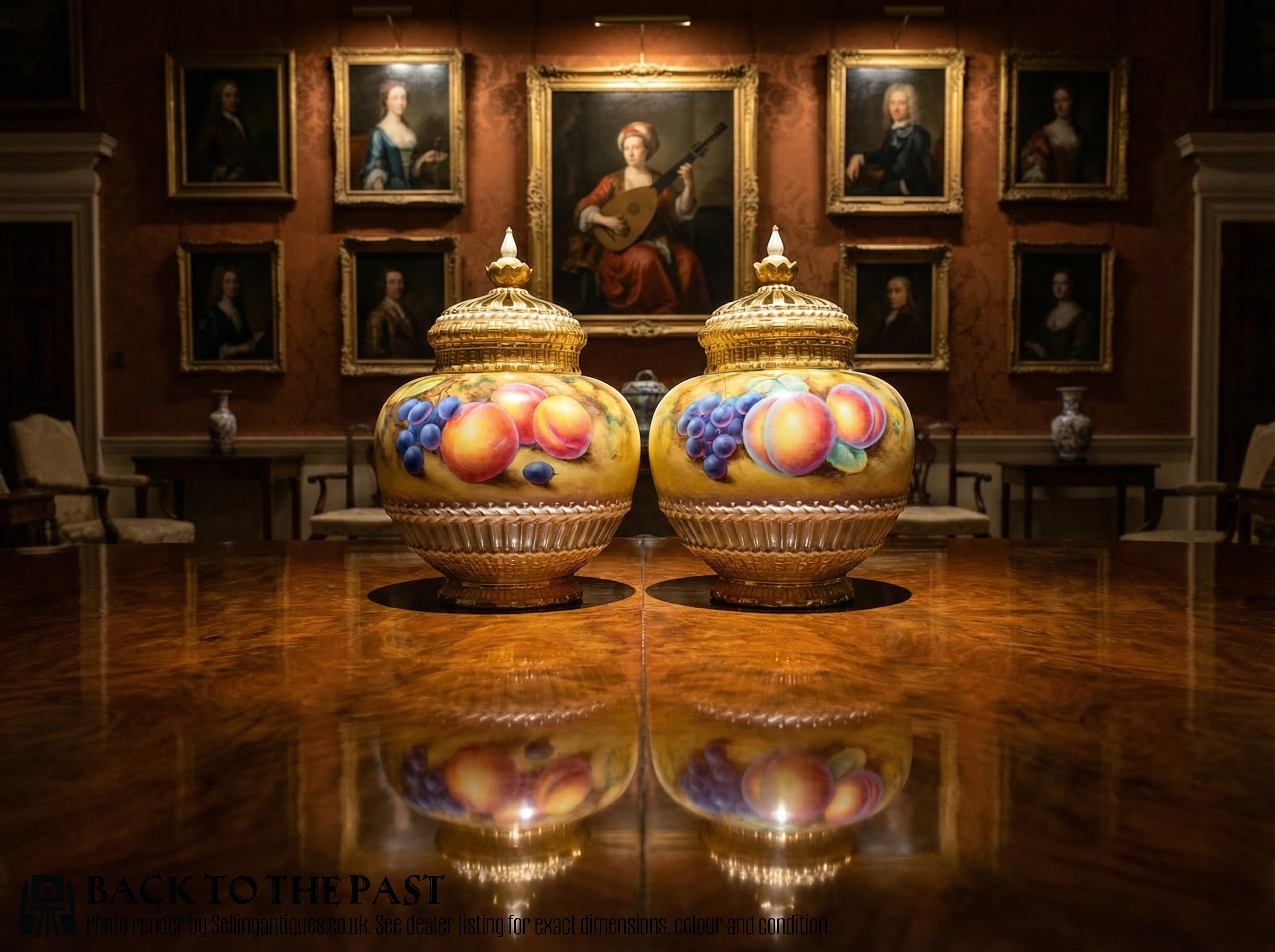
- A lidded vase or jar pierced with ventilation holes designed to hold fragrant dried plant materials. Examples often feature hand-painted fruit or floral motifs across the body.
- Biscuit barrel
- A lidded container used for storing dry biscuits at the Victorian dining table. These pieces frequently combine ceramic bodies with silver-plated mounts and swing handles.
- Famille rose
- A Chinese ceramic palette dominated by opaque pink enamel introduced during the Qing Dynasty. The style encompasses soft pastel shades applied to floral and figural scenes.
Decorative Porcelain Jars: Frequently Asked Questions
What were ginger jars used for?
Historically, these vessels served for the storage and shipping of spices, salt, and oils in ancient China. Over time, European and Asian markets adopted them purely for interior display and ornamental use.
Today, they function as decorative centrepieces on sideboards and mantelpieces, often retaining their original fitted covers to complete the silhouette.
How do I identify Imari porcelain?
Imari pieces are recognised by their distinct colour combination of underglaze cobalt blue, iron red, and abundant gold leaf details. The patterns typically feature floral arrangements, panels, and brocade motifs.
While originating in Arita, Japan, many European factories produced their own versions of this style throughout the nineteenth century.
What is a pot pourri vase?
A pot pourri vase is a lidded container featuring pierced openings designed to release the scent of dried flower petals and spices placed inside. Makers often decorated the exterior surfaces with detailed botanical or fruit paintings.
These vessels were standard fixtures in period drawing rooms to maintain a pleasant indoor atmosphere.
How do I tell Victorian from Edwardian jars?
Victorian porcelain generally favours heavy gilding, vibrant colours, and elaborate revival styles such as Rococo or ornate floral compositions. These pieces often reflect a dense, decorative approach to interior ornamentation.
Edwardian examples tend toward lighter pastel grounds, refined hand-painted details, and simplified forms influenced by evolving twentieth-century tastes.