




Yellow Gilt Porcelain Vase
A yellow gilt porcelain vase brings rich colour and gleaming metallic detail to a room, offering both decorative presence and classic craftsmanship.
Yellow Gilt Porcelain Vase
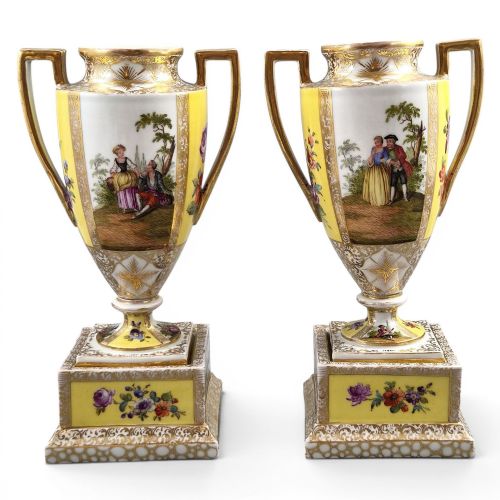
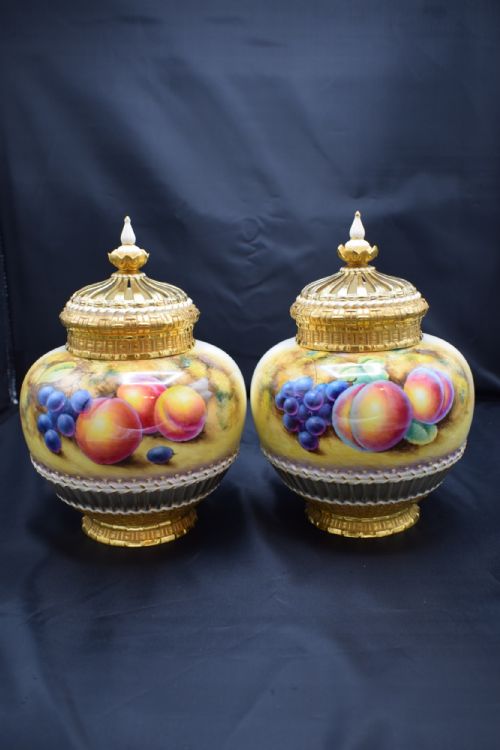
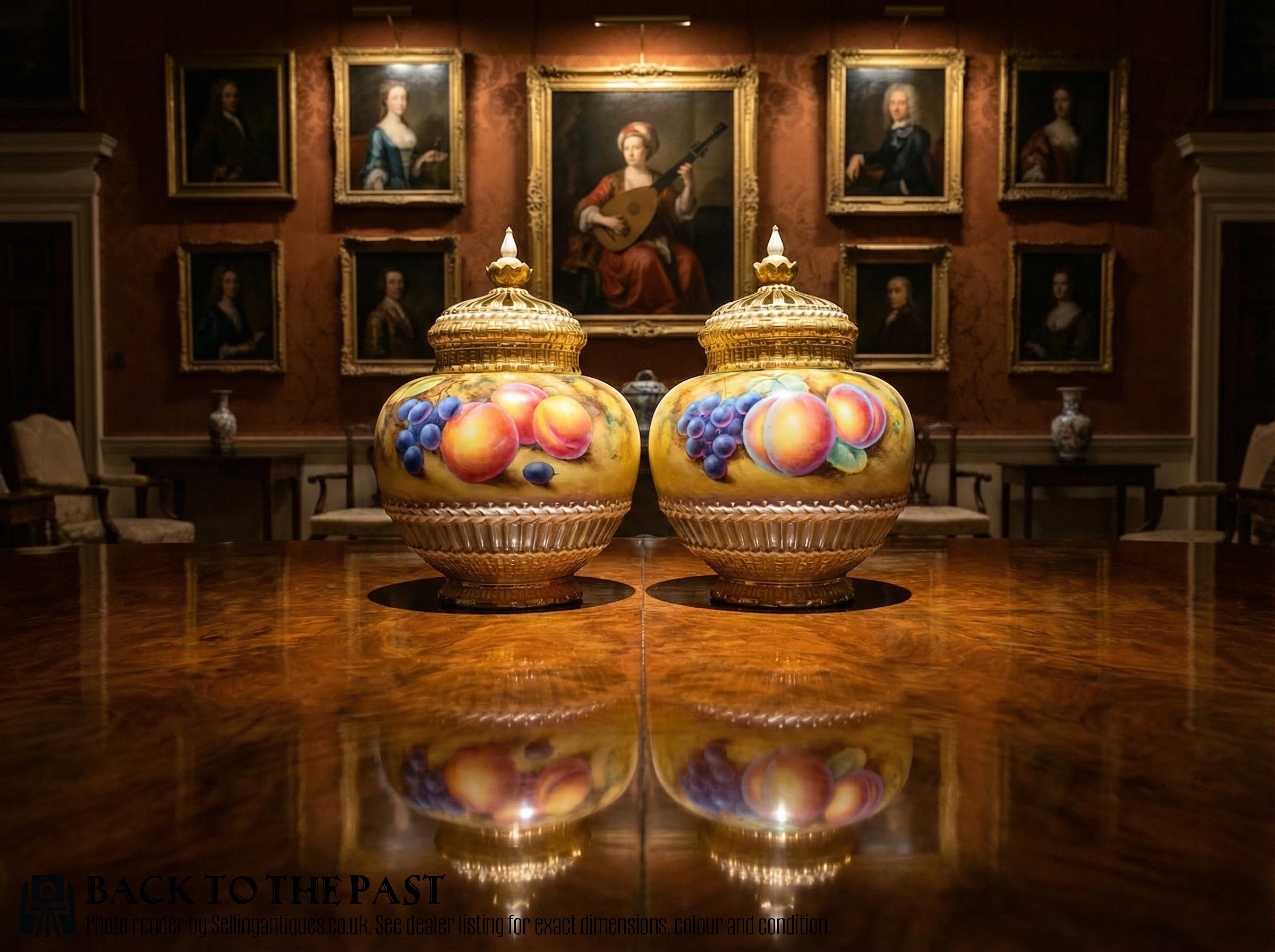
A yellow gilt porcelain vase combines a bright yellow ground with metallic gilding, creating a striking decorative object for the home. When searching for a yellow gilt porcelain vase, collectors encounter various forms ranging from campana urns and pilgrim flasks to covered pot pourri vessels and graceful ewers.
The pieces available span multiple periods including the nineteenth century, the Victorian era, and the mid twentieth century. Traditional English porcelain manufacturers and continental workshops feature strongly among the items offered.
How they were made
These pieces utilise hard paste porcelain as a base, shaped into vases, ewers, and urns before receiving colourful enamel grounds and detailed glazes. Artisans applied gold leaf and gilding by hand to accentuate handles, rims, and painted pictorial scenes.
Many items incorporate gilt bronze mounts or finely detailed hand painted motifs by notable artists. The combination of fired porcelain, vibrant enamel pigments, and meticulous gold work defines the physical construction of these objects.
Yellow Gilt Porcelain Vase Retail Price Guide 2026
Typical asking prices for yellow gilt porcelain vase among the pieces listed under this phrase on Sellingantiques today, from the lower quarter to the upper quarter. They describe what is for sale here now, not the wider market.
Some nineteenth century vases depict gallant scenes, reminding us that porcelain was once the television of the drawing room.
What varies in quality
The standard of painting on the porcelain body sets the finest examples apart from ordinary production. Delicate brushwork in floral or figural scenes requires exceptional skill from the porcelain painter.
The application and preservation of the gilt ornamentation also indicate quality. Crisp, well preserved gold leaf and solid bronze mounts demonstrate superior craftsmanship compared to worn or simplified decoration.
Helena Wolfsohn Dresden·Royal Crown Derby·Royal Worcester·Coalport
The Yellow Gilt Porcelain Vase Glossary
- Porcelain
- A ceramic material made by heating raw materials, generally including clay in the form of kaolin, in a kiln. It is valued for its strength, translucence, and smooth white surface.
- Gilding
- The decorative technique of applying a very thin layer of gold to solid surfaces such as porcelain or metal. It adds a lasting metallic lustre to handles, borders, and painted details.
- Ewer
- A large jug with a wide spout and a shaped handle, often used historically for pouring water. In decorative arts, ceramic ewers served as ornamental display pieces.
- Pot Pourri
- A mixture of dried plant materials used to provide a natural scent. Vessels designed to hold this mixture feature pierced covers to allow fragrance to escape into the room.
Yellow Gilt Porcelain Vase: Frequently Asked Questions
Can these antique vases be used for fresh flowers?
Most antique porcelain pieces function primarily as decorative display objects rather than practical water holders. Using them for fresh flowers risks moisture damage to historical glazes and interior walls.
Displaying them empty or with dry botanical arrangements preserves the integrity of the porcelain and any internal markings.
How can I identify the period of a piece?
Manufacturers often stamped or painted specific backstamps onto the base of the porcelain before firing. These factory marks change over time and help establish the date of manufacture.
Stylistic indicators such as Victorian aesthetic movement details or mid century forms also provide clues to the era of creation.
What rooms suit a yellow gilt porcelain vase?
The bright yellow glazes and metallic gold details make these vases natural focal points on mantelpieces, sideboards, and display cabinets. They complement traditional drawing rooms as well as eclectic modern interiors.
Pairing a vase with matching urns or ewers creates a balanced symmetrical arrangement on large furniture.