

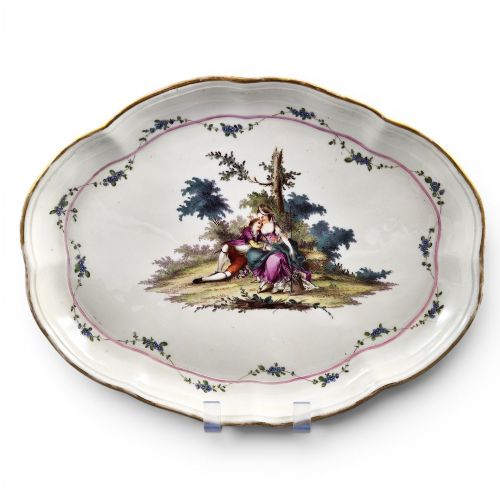


Hand Painted French Dish
A hand painted french dish brings centuries of continental elegance to a room, offering intricate ceramic artistry and vibrant hand-applied pigments.
Hand Painted French Dish
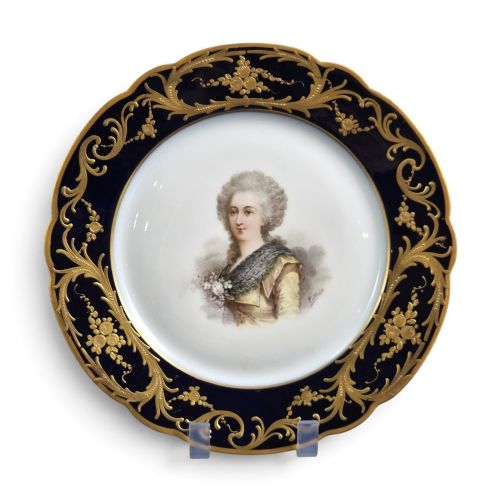
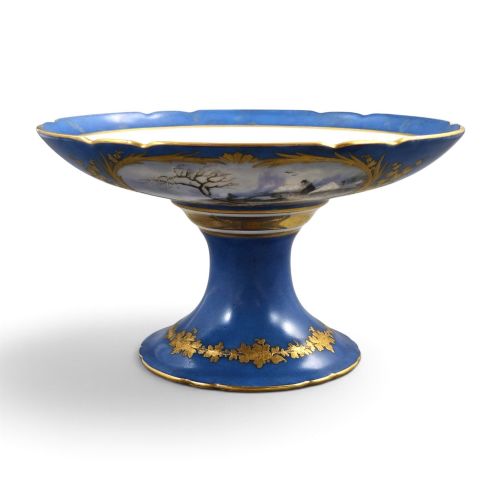
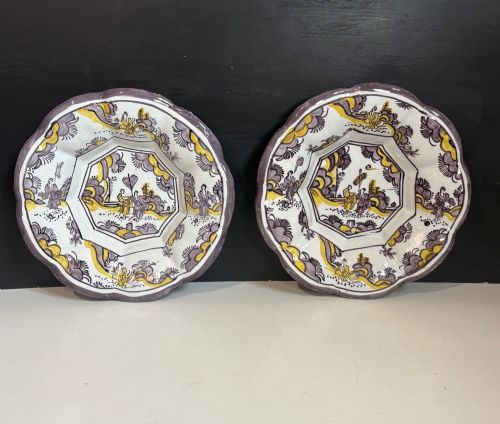
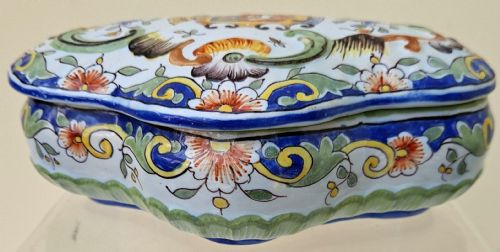
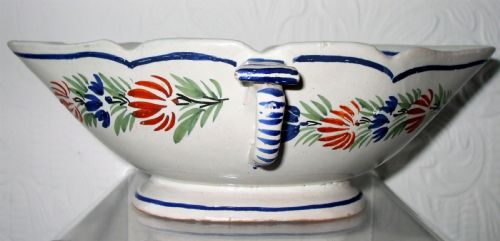
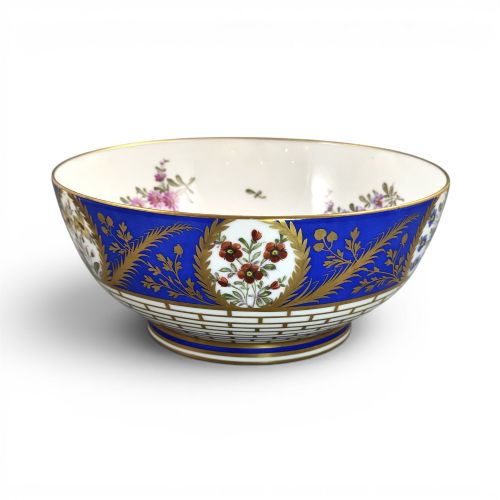
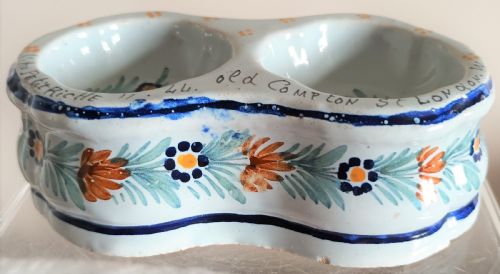
A hand painted french dish encompasses a wide variety of decorative tableware and vessels, ranging from cabinet plates and tazzas to lidded boxes and double sauceboats. These pieces predominantly emerge from the eighteenth and nineteenth centuries, spanning distinct regional traditions and metropolitan porcelain houses.
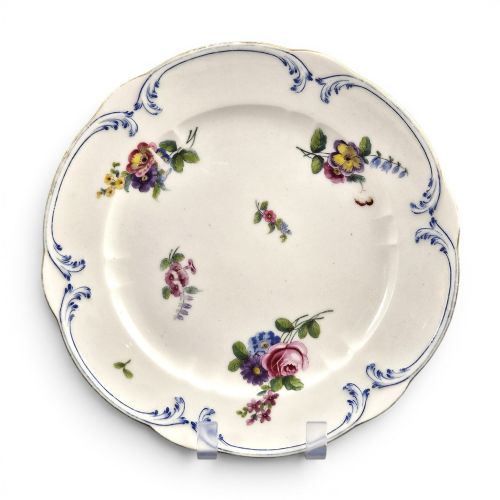
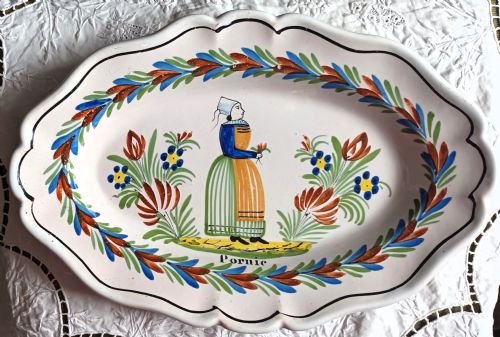
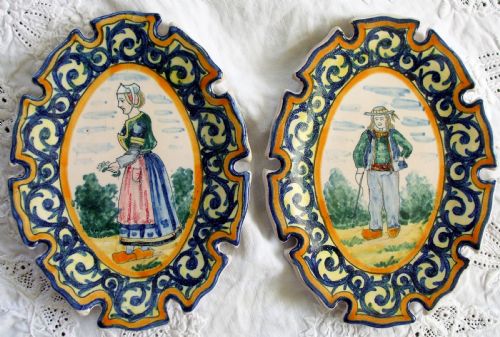
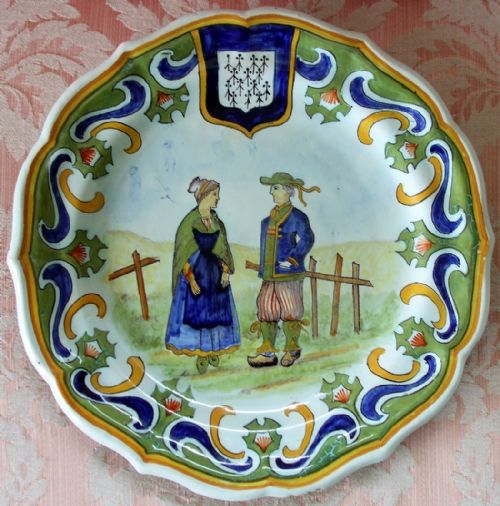
The selections available here lean heavily into decorated porcelain, faience earthenware, and tin-glazed pottery styled in French Rococo revival or rustic provincial manners. Buyers will encounter both fine metropolitan porcelain and robust tin-glazed earthenware bearing painted portraits, floral sprays, or maritime scenes.
Materials and methods of construction
Potters and ceramists shaped these wares using porcelain clays and earthenware bodies, frequently applying tin glazes or soft-paste recipes. Artisans then utilised fine brushes to apply polychrome pigments directly onto the prepared ceramic surfaces before firing.
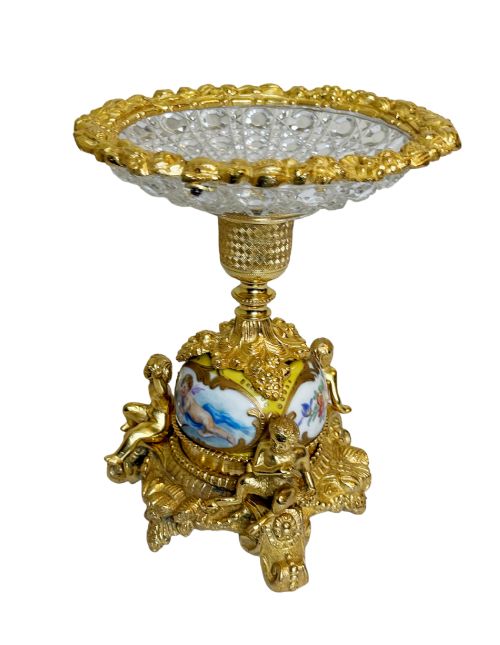
Many items incorporate supplementary elements such as gilt bronze mounts, cut crystal, champlevé enamel, or applied gold leaf details. These mixed-media additions required specialised metalworking and mounting techniques alongside traditional ceramic firing.
Several plates depict elaborate historical scenes alongside humble regional quayside views of Pornic.
Distinctions in craftsmanship and finish
Quality rests significantly in the precision of the hand painting and the refinement of the ceramic body. Delicately rendered portraiture and finely detailed botanical scenes executed by named or attributed painters stand apart from simpler regional folk patterns.
The integration of secondary materials also dictates the calibre of a piece. Well-cast gilt bronze mounts, intact gold leaf detailing, and crisp moulding on soft-paste porcelain elevate an object above standard utilitarian wares.
Sèvres·Limoges·Quimper·Samson·Desvres
The Hand Painted French Dish Glossary
- Faience
- Tin-glazed earthenware produced in France, often featuring hand-painted blue and white or polychrome designs. It forms a staple of regional French pottery traditions.
- Soft-Paste Porcelain
- An artificial porcelain composition fired at lower temperatures than hard-paste, common in early French factory production. It yields a distinctive warm glaze texture.
- Tazza
- A small shallow bowl or cup raised on a high foot, designed for display or serving sweetmeats. These pieces often feature decorative painted grounds and gilded rims.
- Champlevé
- An enamelling technique where troughs are carved into a metal surface and filled with vitreous enamel paste before firing. It frequently appears on nineteenth-century bronze mounts.
- Vide-Poche
- A small decorative tray or dish intended for emptying pockets of small items upon entering a room. They appear in tin-glazed earthenware and porcelain forms.
Hand Painted French Dish: Frequently Asked Questions
How do I distinguish between porcelain and faience dishes?
Porcelain possesses a vitrified, translucent body that rings when struck gently, whereas faience is an opaque earthenware made from porous clay covered in a tin glaze.
Porcelain items generally display finer detail and smoother surfaces, while faience pieces carry a heavier, rustic charm typical of regional pottery.
Where were most antique french decorative dishes made?
Production centres varied widely, with major porcelain works located in Paris, Sèvres, and Limoges, while prominent faience originates from regions such as Quimper, Rouen, and Desvres.
Each workshop utilised local clays and distinct stylistic traditions that help identify their geographic origins.
Can I use these antique dishes for serving food?
Most antique decorative plates, comports, and sweetmeat dishes are best reserved for display rather than daily dining due to delicate hand-painted surfaces and historic glazes.
Enamel, gilt detailing, and soft-paste ceramic bodies can degrade when exposed to modern detergents, cutlery, and high heat.
What does a signature or factory mark indicate?
Factory marks and painter ciphers point to the originating workshop and occasionally the specific artist responsible for the hand-painted decoration.
Researching these stamps helps date the object and reveals whether it was produced by a major imperial porcelain manufactory or a regional pottery.