
Hand Painted Enamel
These hand painted enamel pieces bring together delicate pictorial brushwork and vitreous fused colour across centuries of global craft.
Hand Painted Enamel
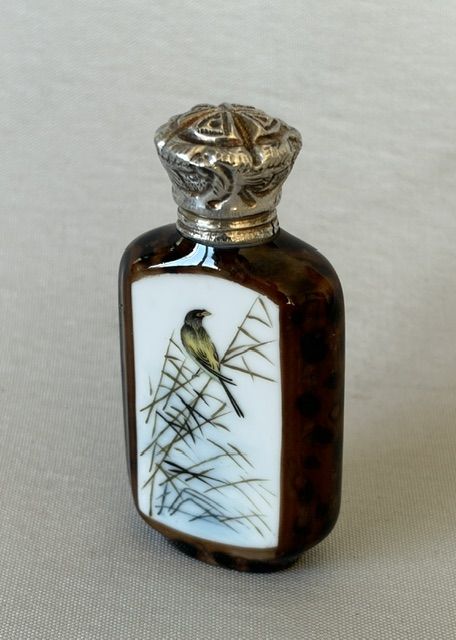
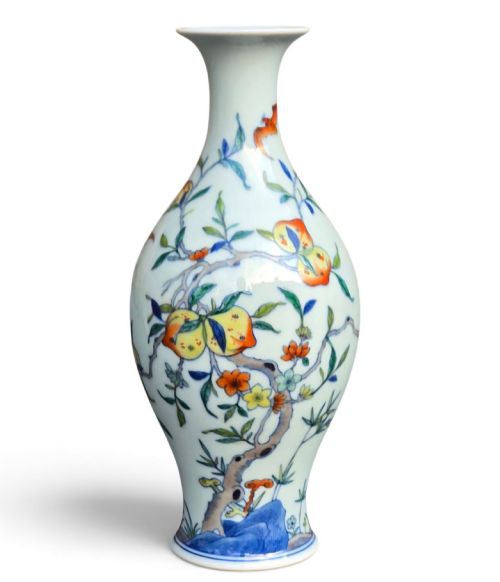
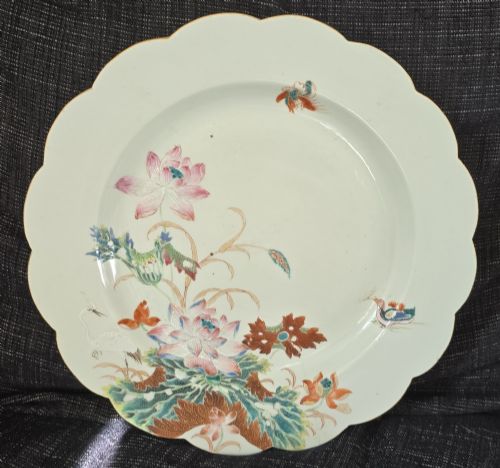
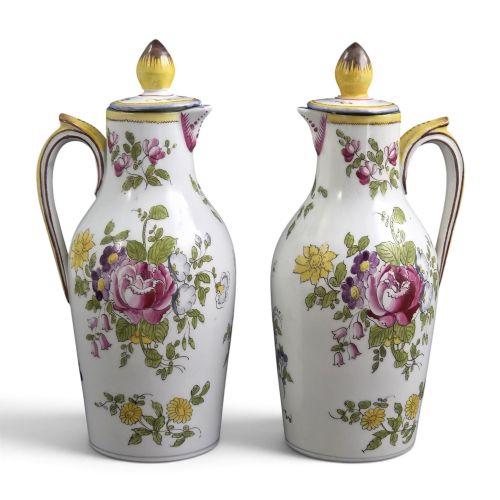
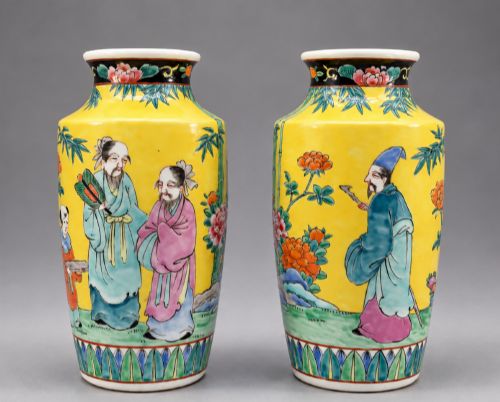
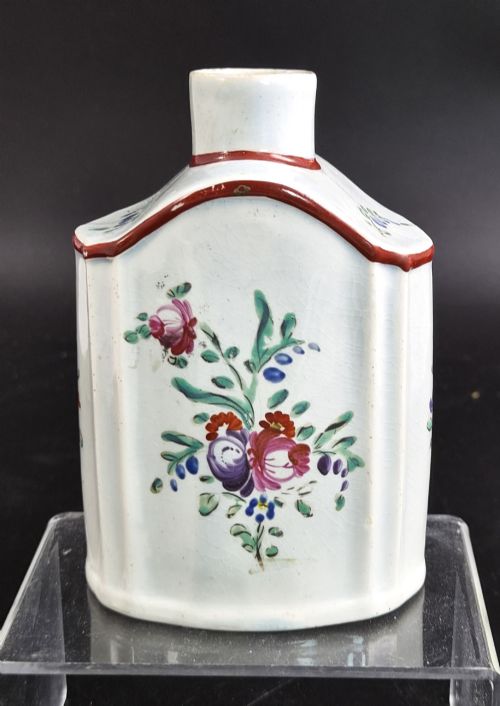
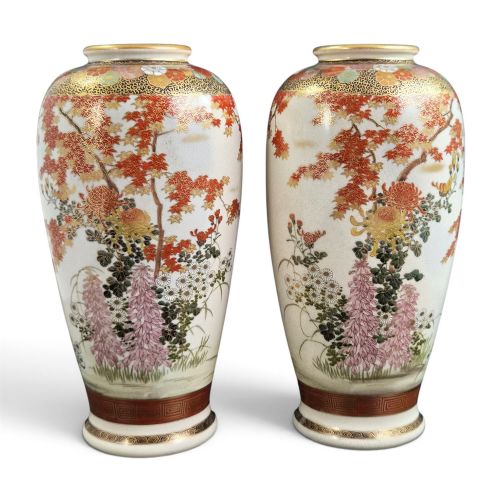
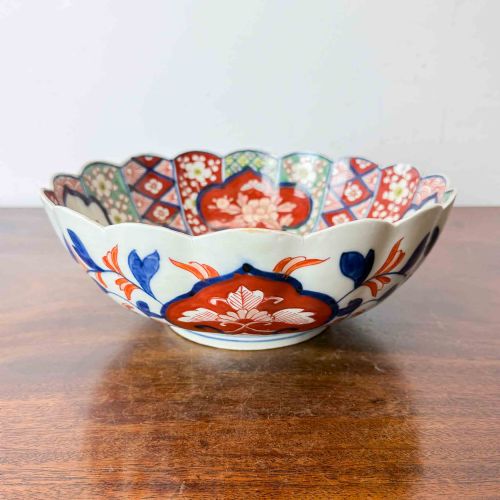
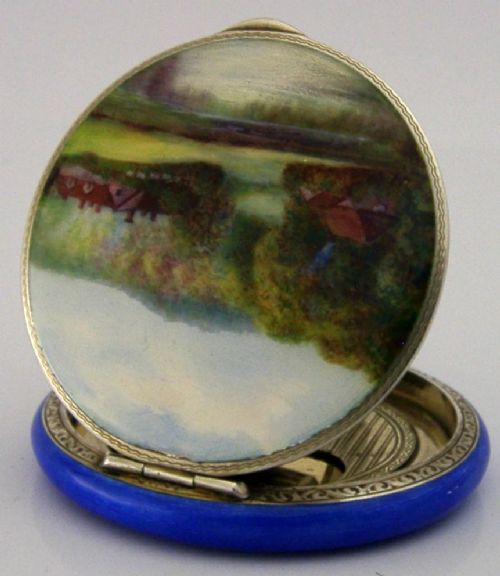
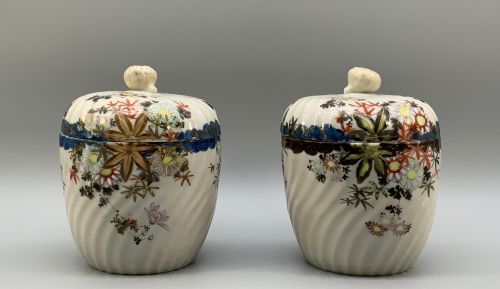
When searching for hand painted enamel, collectors encounter a diverse range of objects spanning the eighteenth, nineteenth, and early twentieth centuries. These items appear across various cultural traditions, from Bilston and Staffordshire trinket boxes to Chinese Canton porcelain bowls and Japanese Satsuma vases.
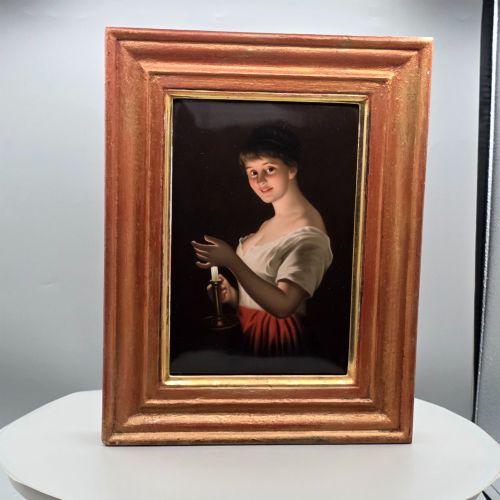
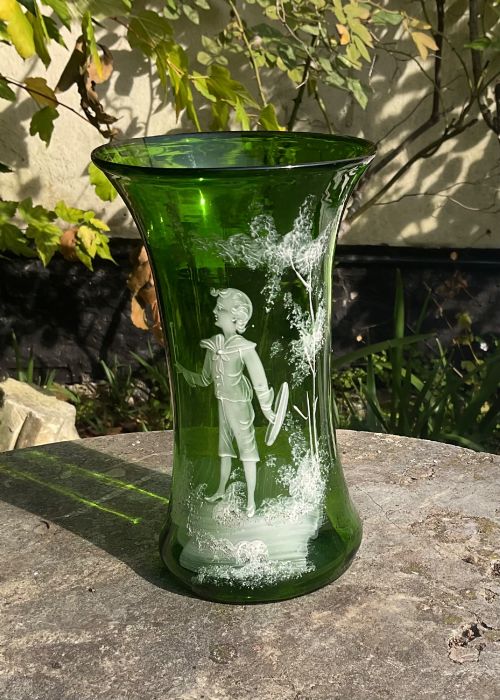
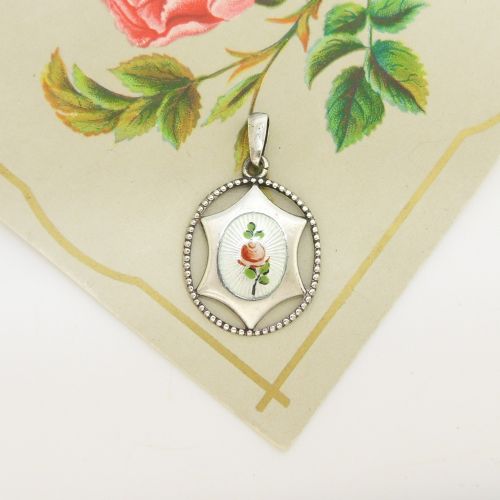
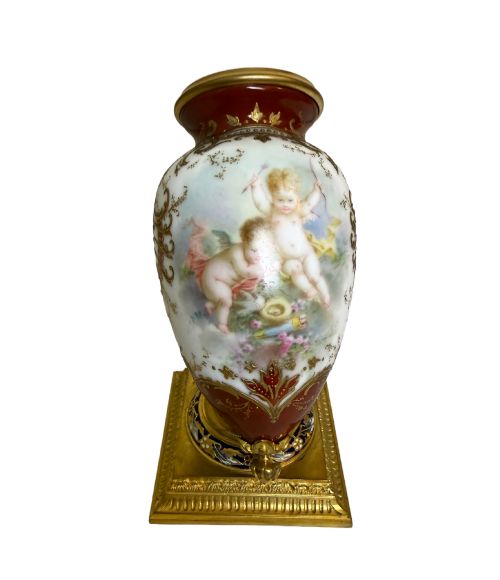
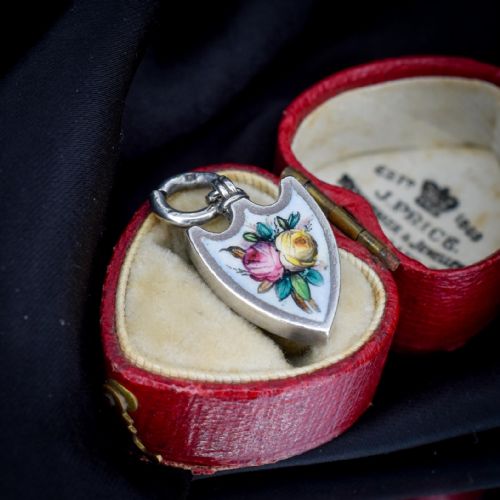
Smaller personal accessories dominate the selection, including sterling silver compacts, cigarette cases, pendants, and vanity mirrors decorated with floral motifs. Larger decorative works such as mantel lustres, glass vases, and framed porcelain panels also surface frequently.
The aesthetic bridges European revival styles, such as French Rococo and Art Nouveau, alongside Asian export wares from the Qianlong and Meiji periods. Buyers select these pieces for their intricate miniature artistry and the enduring brilliance of their glazed surfaces.
How they were made
Craftsmen fused powdered glass onto metal bases like copper, sterling silver, or gold leaf through high-temperature firing, creating a durable vitreous coating. Artisans then applied detailed mineral pigments by hand before returning the pieces to the kiln to set the colours permanently.
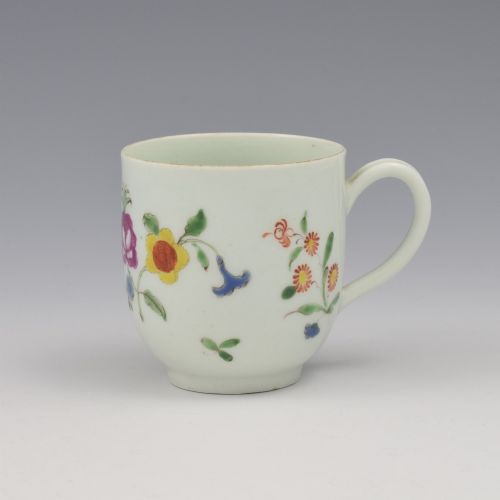
Many ceramic and porcelain items underwent similar decoration, where enamel paints were layered over pre-fired glazes and sometimes accented with gilt detailing. Glassware pieces utilised comparable enamelling techniques, binding opaque or translucent pigments directly to cranberry, opaline, or ruby glass bodies.
Victorian glassmakers blew cranberry glass by adding actual gold chloride to the molten batch.
What varies in quality
The refinement of the miniature brushwork dictates the upper tier of quality, distinguishing meticulously detailed floral sprays and portraits from hasty, mechanical strokes. Precision in the metalwork, particularly the weight of the sterling silver or the casting of gilt bronze mounts, signals superior production.
The integrity of the fired surface marks another distinction, where masterwork items display smooth, even gloss without pitting or pooling in the enamel. The harmony between the painted design and the underlying material, whether porcelain, glass, or metal, defines the most accomplished examples.
Richard Chaffers·John Bevington·Maruni Kobe·Kozan
The Hand Painted Enamel Glossary
- Guilloche enamel
- A decorative technique where a metal surface is engraved with intricate geometric patterns under translucent enamel. This method allows light to reflect through the coloured glass layer.
- Famille rose
- A major palette of Chinese ceramic porcelain introduced in the eighteenth century, dominated by opaque pink or rose enamel colours. It permitted a greater range of shading and naturalistic detail than earlier styles.
- Mandrel lustre
- A decorative glass mantel ornament featuring hanging glass prisms designed to catch and refract light. These pieces often incorporate hand-painted enamel floral decoration.
- Bilston enamel
- Small eighteenth-century trinket and snuff boxes produced in Staffordshire using copper bases coated in white enamel. Skilled artists hand-painted landscapes or sentimental inscriptions upon them.
Hand Painted Enamel: Frequently Asked Questions
How do I clean antique enamel pieces?
Use a soft, dry cloth to gently wipe away dust from the surface. Avoid liquid immersion or harsh chemical cleaners, as moisture can damage exposed metal mounts and aged glazes.
Take particular care around hinged areas on boxes and compacts to prevent trapped residue. Gentle handling preserves both the metal integrity and the delicate painted pigments.
Were these items used daily?
Many compacts, cigarette cases, and scent bottles served as functional personal accessories for daily carriage. Others, such as decorative bowls, vases, and mantel lustres, remained stationary within domestic interiors.
Personal items often show subtle signs of handling that reflect their original utility. Display pieces generally retain more pristine surfaces due to their stationary roles.
How do I date a silver enamel piece?
Examine any stamped hallmarks on the sterling silver mounts to identify specific assay office symbols and date letters. Comparing the floral style, such as Art Nouveau curves or Edwardian symmetry, helps confirm the manufacturing era.
Maker marks inscribed on the base or interior edge provide further chronological reference points. Combining these metallurgical stamps with stylistic analysis secures an accurate period attribution.
Can I display them in sunlight?
Keep antique enamels away from direct, prolonged sunlight to prevent the fading of delicate mineral pigments. Natural light showcases the glossy vitreous surface, but continuous exposure risks altering subtle colour tones over time.
Positioning pieces within indirect ambient light protects the painted details while maintaining visibility. Rotating items periodically ensures even exposure within a collection.