
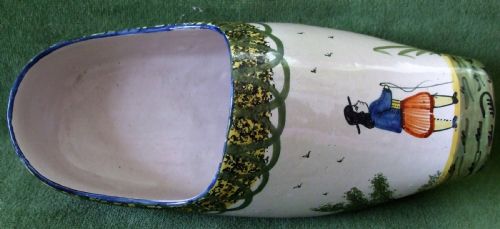
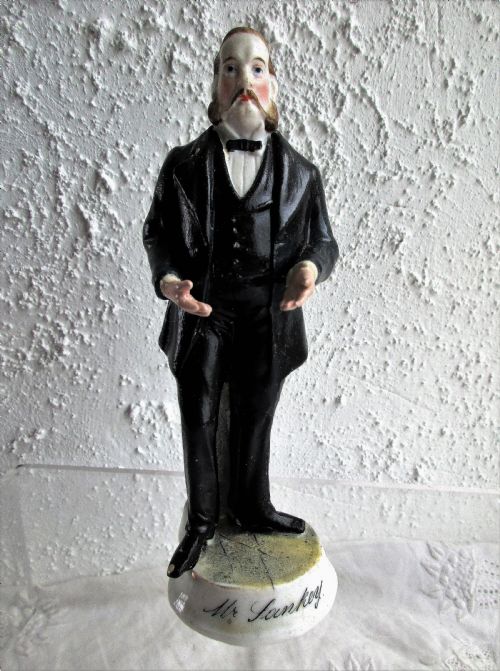
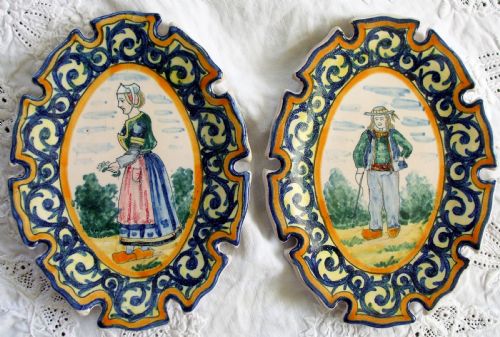


Hand Painted Earthenware Figure
When you handle a hand painted earthenware figure, you hold a tangible piece of domestic history shaped by skilled hands.
Hand Painted Earthenware Figure
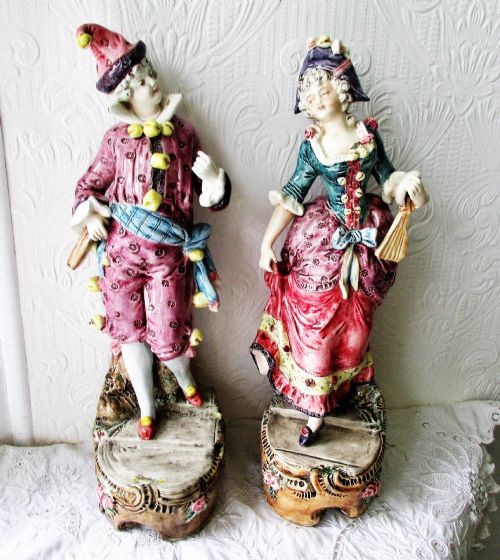
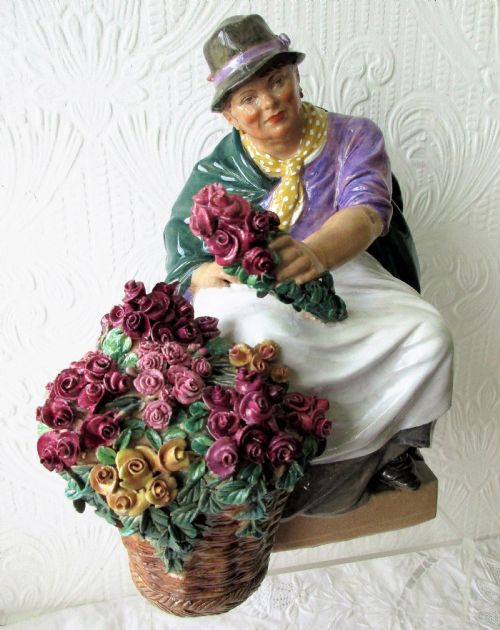
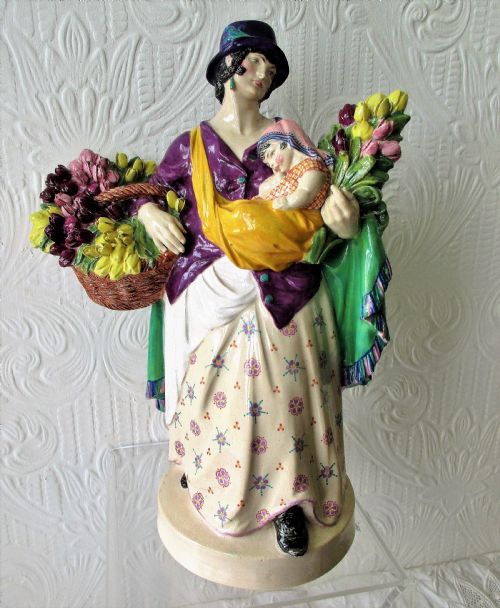
A hand painted earthenware figure brings sculptural interest and rich narrative detail into domestic interiors. These objects range from Staffordshire flatbacks and portrait groups to studio pottery figurines and continental ceramics.
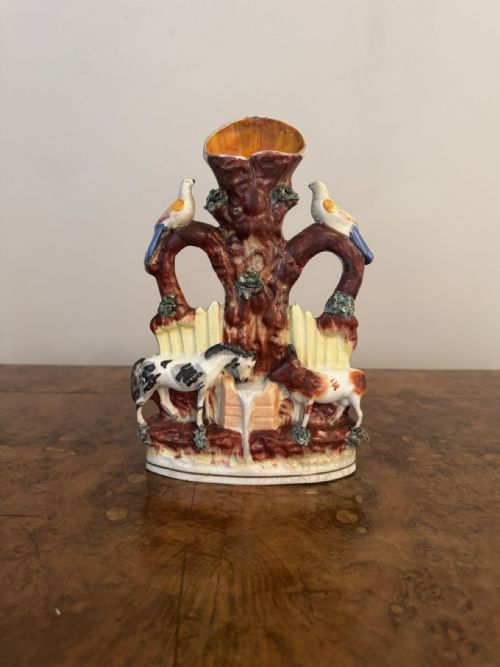
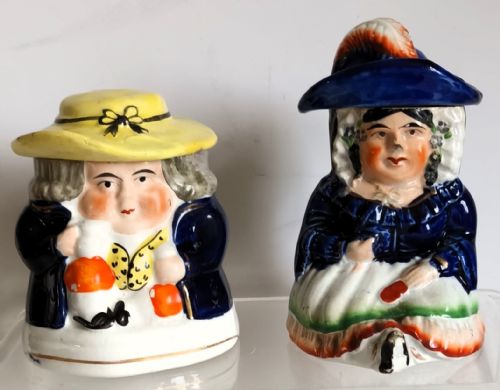
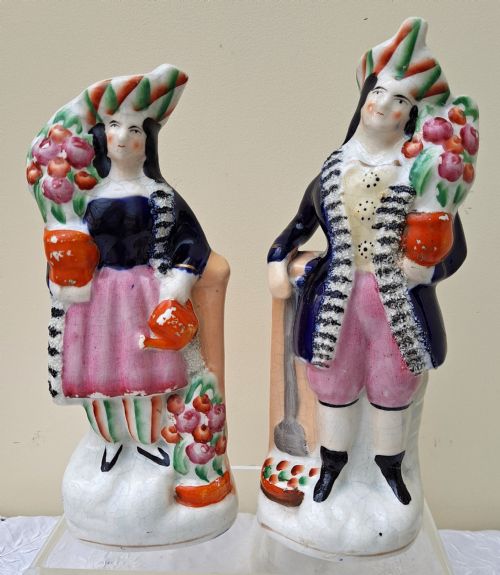
You will most frequently encounter Victorian Staffordshire pottery on this page, including portrait groups, animal studies, and theatrical figures. These subjects reflect the popular tastes and cultural interests of nineteenth-century Britain.
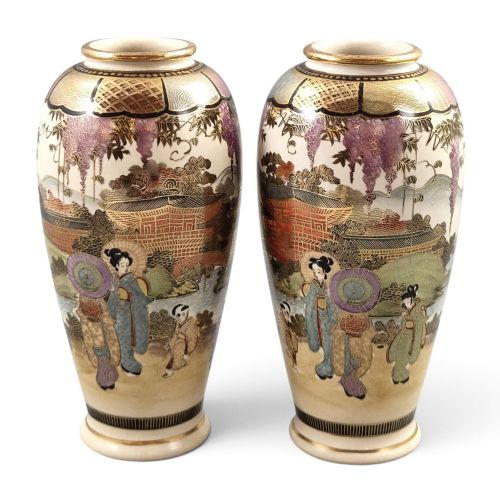
Alongside British figures, the selection incorporates Japanese Satsuma ceramics, French faience, and Dutch Delftware. Each regional tradition applies painted decoration directly onto porous ceramic bodies.
How they were made
Firing kilns set the underglazes and surface enamels, binding the pigments to the ceramic ground. This traditional method created the durable finish seen on nineteenth-century Staffordshire pottery and Japanese Satsuma earthenware alike.
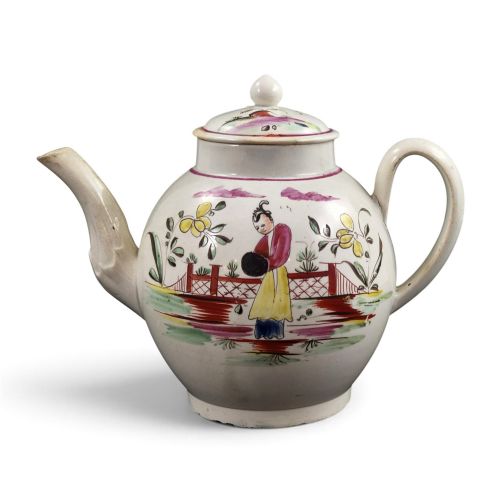
Listings incorporate nineteenth-century Victorian pieces alongside eighteenth-century Georgian items, spanning earthenware, enamel, and gold leaf.
What varies in quality
The precision of the brushwork and the vibrancy of the enamel palette distinguish superior examples from standard production pieces. Finer figurines display careful attention to facial expressions, costume details, and multi-figure compositions.
The crispness of the mould impression also dictates quality, as worn moulds produce softer contours and muddled details. Original paint retention and minimal restoration uphold the integrity of the piece.
Charles Vyse·Meizan mark
The Hand Painted Earthenware Figure Glossary
- Earthenware
- Porous pottery fired at lower temperatures than stoneware or porcelain. It requires a glaze to hold liquids and provides an absorbent base for painted decoration.
- Flatback
- A Staffordshire figurine moulded with a finished front and a plain, unglazed or lightly painted reverse designed to sit against a wall. This technique saved time and materials during production.
- Enamel
- Opaque glass-like paint applied over the glaze and fired at a lower temperature to add colour. It provides the vivid hues found on Victorian figures and Japanese Satsuma wares.
- Lead glaze
- A glossy coating containing lead oxide applied to earthenware to seal the porous clay body. It gives the surface a smooth sheen and deepens the tone of the underlying body.
- Gilt
- A thin layer of gold leaf or gold paint applied to highlight decorative elements. It adds contrast and definition to costumes and architectural details.
Hand Painted Earthenware Figure: Frequently Asked Questions
How do I date a Staffordshire figure?
Examine the clay body, the depth of the mould impression, and the palette of the enamel colours. Earlier nineteenth-century pieces often display sharper modelling and more restrained use of colour compared to later Victorian iterations.
Historical subjects and specific clothing styles depicted in the pottery also provide a reliable window into the decade of manufacture.
Where should I display these figures?
Place these ceramic figures on sturdy mantelpieces, in dedicated cabinets, or on tabletops away from heavy foot traffic. Stable, level surfaces protect them from accidental knocks and vibrations.
Keep them out of direct sunlight to prevent the hand-painted enamel colours from fading over time.
How do I clean an earthenware figure?
Dust the surface gently with a soft, dry brush to remove particulate matter without disturbing the glaze. Avoid using water or chemical cleaners, particularly on antique enamels and gilt highlights.
If the piece requires deeper cleaning, consult a professional conservator to prevent damage to the porous earthenware body.
What is the difference between flatbacks and round figures?
Flatback figures were intended to be viewed from the front only, featuring a flat, unadorned reverse designed for placement on mantelpieces against a wall. Fully modelled figures are finished in the round and meant to be viewed from all angles.
Both styles utilise similar earthenware and hand-painted techniques but serve different display arrangements.