

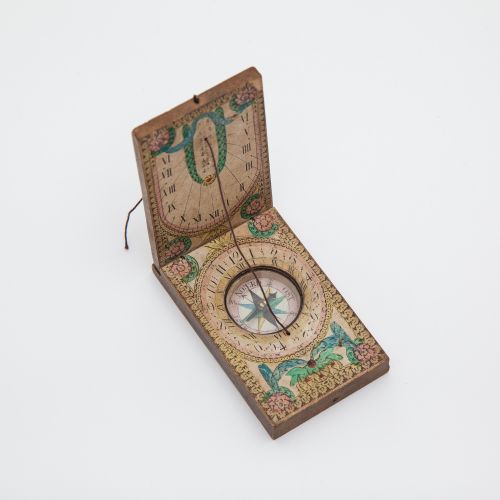


Hand Painted Dial Clock
A hand painted dial clock brings together functional timekeeping and delicate miniature artwork, spanning eras from the seventeenth century to the mid-twentieth century.
Hand Painted Dial Clock
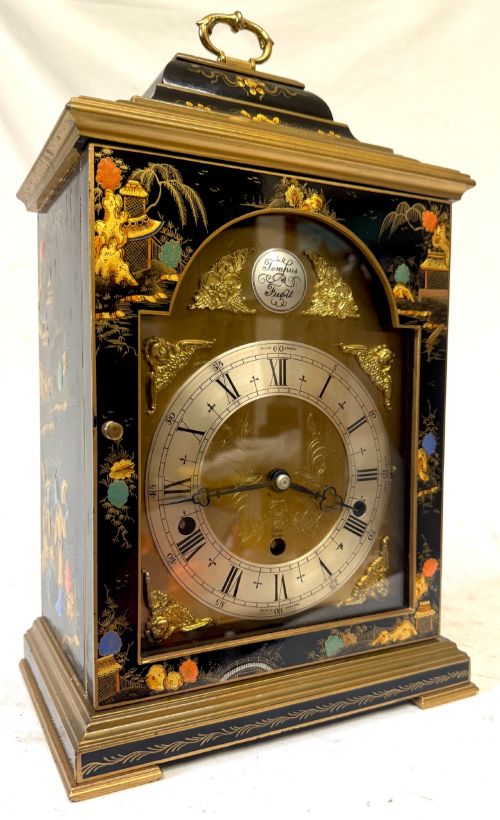
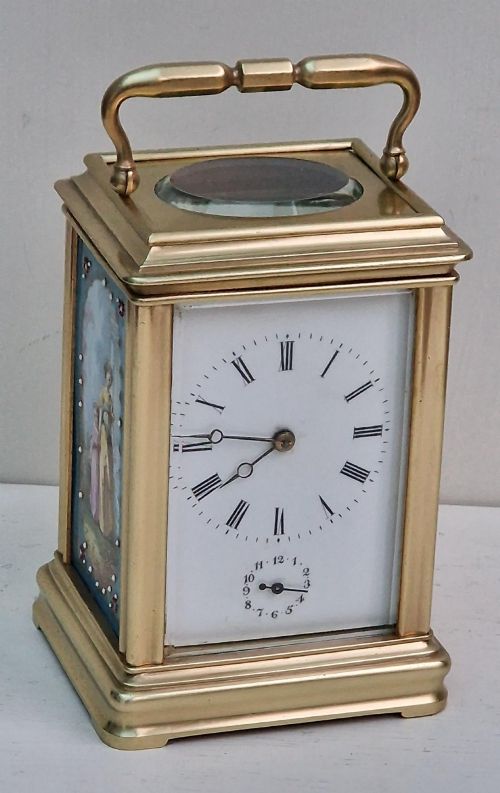
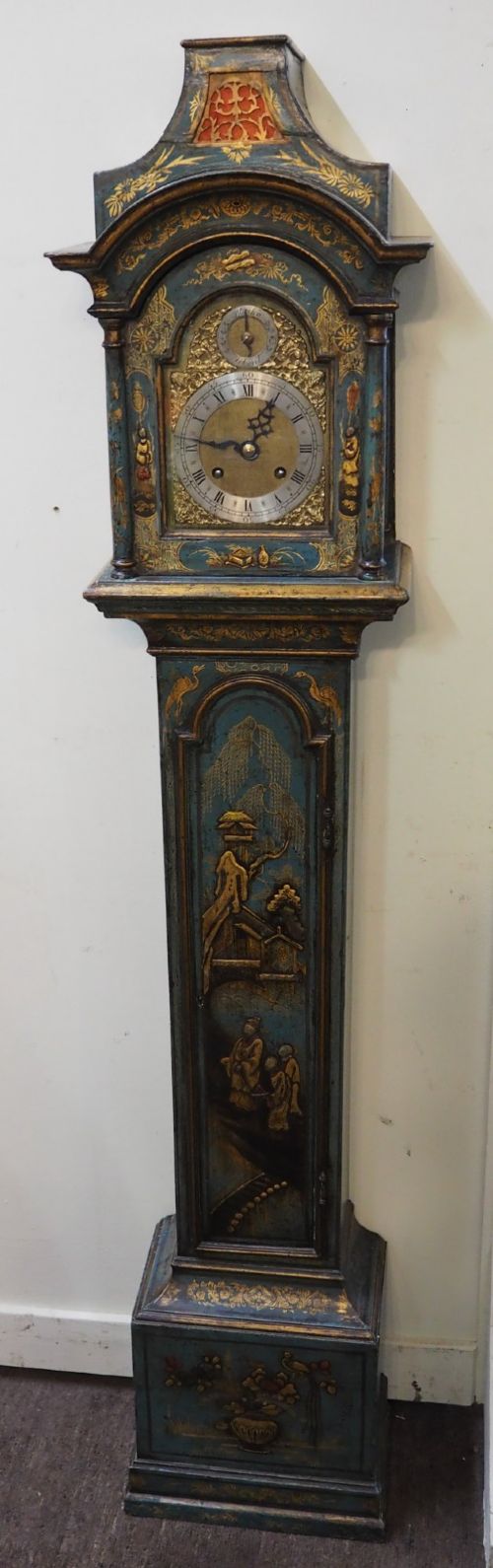
A hand painted dial clock covers a remarkably diverse group of timepieces, from tall grandfather and longcase clocks to compact bracket clocks, carriage pieces, and wall-hanging dials. You will encounter grand floor-standing examples alongside portable mantel pieces and scientific instruments fitted with painted faces.
The objects span multiple centuries of domestic and institutional timekeeping, drawing on Georgian, Victorian, and Edwardian aesthetic traditions. Regional workshops in Britain and continental Europe produced these variations, utilising local timber, metals, and ceramic panels.
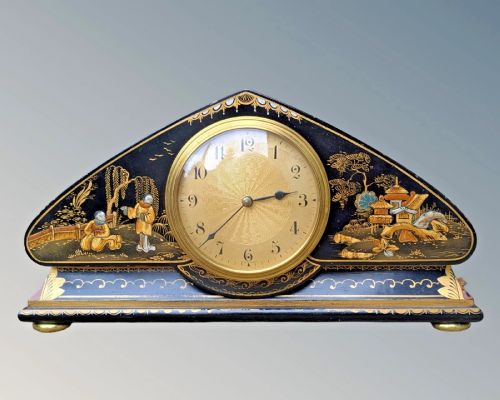
Chinoiserie lacquerwork and decorative Swedish turret faces appear alongside traditional oak and mahogany longcase housings. Buyers examine these diverse formats to find pieces matching specific domestic spaces or historical periods.
Materials and construction
Craftsmen built the housings of these timepieces using woods such as oak, mahogany, pine, and ebonised timber, frequently applying lacquer or Chinoiserie decoration. Metal elements include brass bezels, gilt bronze or ormolu mounts, and glass panels protecting the dial.
Dial faces rely on enamel, porcelain, and prepared metal surfaces to receive hand-painted details, often displaying intricate floral motifs, moon phases, or numerical markers. Mechanical movements range from simple fusee timepieces to complex three-train musical mechanisms and bell-striking systems.
Listings feature pieces spanning from the seventeenth century through the Victorian era to the mid-twentieth century, constructed in wood, porcelain, brass, and lacquered finishes.
Evaluating craftsmanship
Quality rests in the precision of the hand-painted artwork on the dial and the integrity of the housing construction. Fine brushwork, preserved original pigments, and detailed floral or figural compositions separate superior examples from plain utility pieces.
The sophistication of the mechanical movement dictates overall standing, distinguishing basic timepieces from quarter-striking, chiming, or musical mechanisms. The harmony between the original case materials, such as lacquered wood or gilt bronze, and the dial face remains a primary indicator of workshop standard.
Edward Shepley of Manchester·John Welsh Luton Bedfordshire·William Long of Bristol·Rene Lalique
The Hand Painted Dial Clock Glossary
- Fusee
- A conical pulley used in older clock movements to maintain even tension on the chain or cord as the mainspring unwinds. This mechanism helps ensure steady timekeeping accuracy.
- Chinoiserie
- European decorative style employing motifs inspired by Chinese art and design. Artisans applied this technique to lacquer cabinets and clock cases.
- Ormolu
- Gilt bronze decorative mounts applied to furniture and clock cases. The technique involves creating a finely chased bronze object coated in gold amalgam.
- Longcase clock
- A tall floor-standing timekeeper enclosed in a wooden case with a pendulum and weights. Also commonly referred to as a grandfather clock.
- Bracket clock
- A portable table or mantel clock originally designed to sit on a wall bracket. These pieces often feature brass carrying handles and detailed wooden or lacquered cases.
Hand Painted Dial Clock: Frequently Asked Questions
What is a fusee movement?
A fusee is a conical pulley connected to the mainspring by a cord or chain, designed to equalise the declining power of the spring as it unwinds.
This device ensures the clock maintains consistent force and better timekeeping accuracy throughout its running cycle.
Where were longcase clocks placed?
Longcase clocks typically stood in hallways, stairwells, or principal living spaces where their striking mechanisms could be heard throughout the home.
Their substantial height and decorative wooden cases made them both functional utilities and prominent architectural furniture.
How can I tell the period of a clock?
Examine the materials used in the case construction, such as solid oak, mahogany, or lacquered pine, alongside the construction style of the internal movement.
Stylistic indicators like Chinoiserie decoration, ormolu mounts, and dial painting techniques provide clear clues to the decade and region of manufacture.