


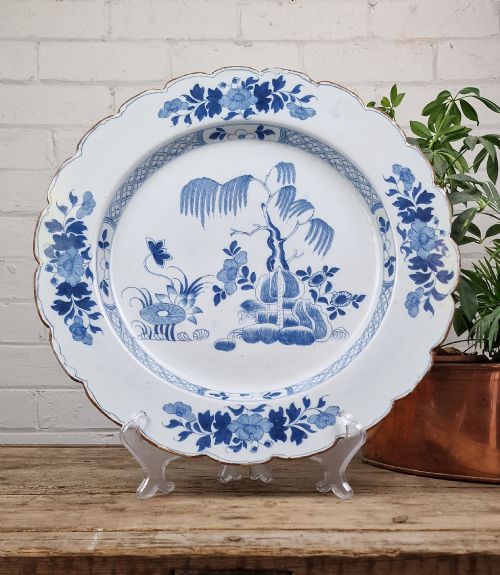
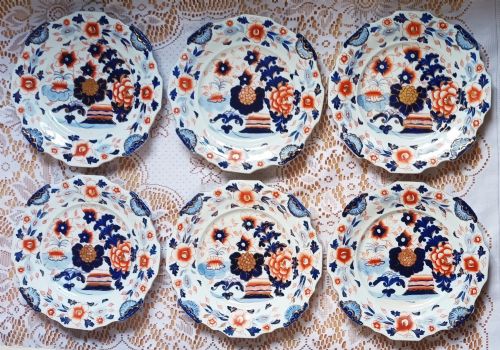


Hand Painted Chinoiserie Plate
These hand painted chinoiserie plate examples bring vibrant orientalist scenes and spirited brushwork directly to your table.
Hand Painted Chinoiserie Plate
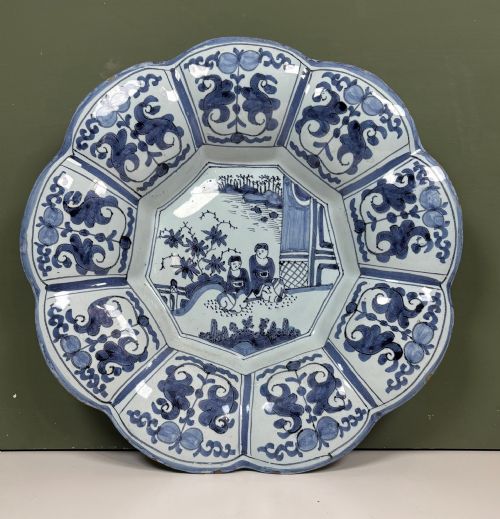
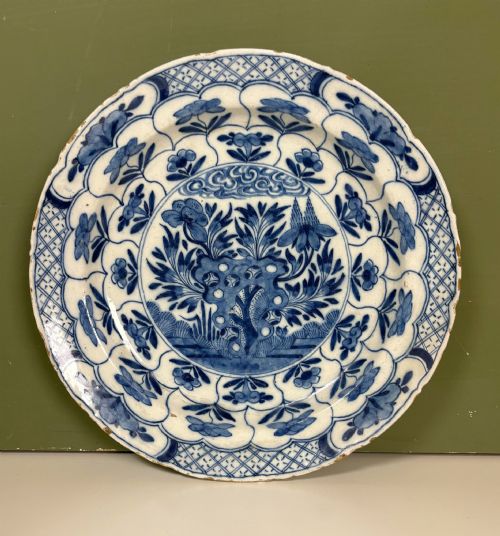
A hand painted chinoiserie plate bridges European ceramic traditions with imaginative interpretations of East Asian motifs. Buyers seeking this aesthetic encounter various forms, most frequently tin-glazed earthenware chargers and plates from the eighteenth century.
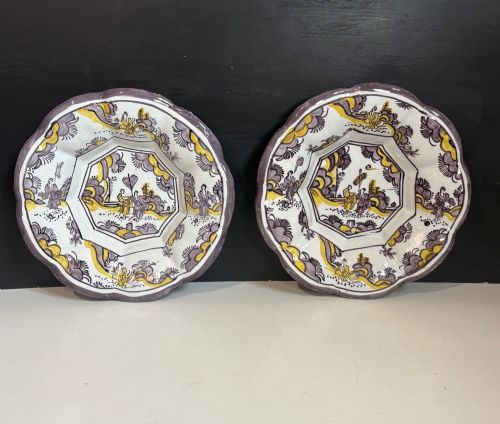
The selection ranges from early eighteenth-century English and Dutch delftware to later nineteenth-century ironstone and pearlware services. Pieces display distinctive regional interpretations of Chinese and Japanese patterns, executed on earthenware or porcelain bodies.
Materials and construction methods
Potters built these wares using ceramic bodies such as earthenware, ironstone, and tin-glazed earthenware, applying an opaque tin glaze to create a smooth white ground. Artisans then painted decorative scenes directly onto this absorbent surface using cobalt pigment and enamel colours.
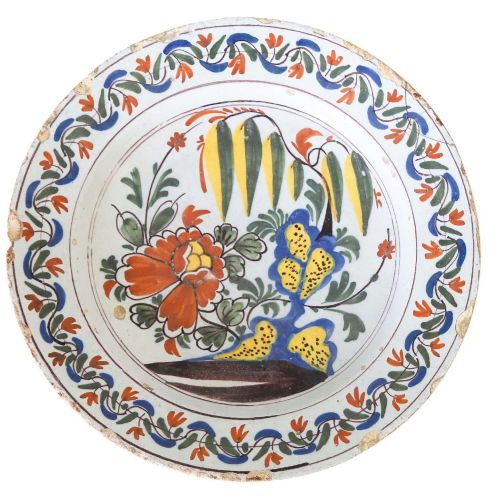
Firing techniques determined the integration of the pigments with the glaze, resulting in either soft polychrome palettes or striking blue and white designs. Ironstone and pearlware bodies provided durable alternatives for later nineteenth-century services.
Grasshoppers and pagodas populate these eighteenth-century plates, bringing cheerful imaginary landscapes straight to the modern sideboard.
Assessing quality in painted wares
Quality rests primarily on the confidence and fluidity of the brushwork within the painted chinoiserie scene. Superior examples exhibit spirited, deliberate strokes that bring figures, pavilions, and floral motifs to life with depth and clarity.
The sophistication of the palette and the precision of the tin glaze also differentiate standard production from finer work. Earlier delftware pieces often reveal subtle variations in the glaze surface that reflect the historic firing process.
Wedgwood·Masons·Davenport
The Hand Painted Chinoiserie Plate Glossary
- Delftware
- Tin-glazed earthenware produced in England and the Netherlands, typically featuring a porous buff body beneath a white lead-and-tin glaze. Polychrome versions incorporate multiple enamel colours alongside cobalt blue.
- Ironstone
- A heavy, durable type of earthenware patented in the nineteenth century to rival porcelain. It provided a robust surface for transfer-printed and hand-painted patterns.
- Charger
- A large decorative plate or dish, frequently displayed on walls or sideboards rather than used for dining. Eighteenth-century examples often measure well over twelve inches in diameter.
- Pearlware
- A refined earthenware developed in the late eighteenth century with a slightly bluish glaze that pooled in recesses. It served as a popular ground for blue and white or polychrome orientalist designs.
Hand Painted Chinoiserie Plate: Frequently Asked Questions
How do I date an early delft plate?
Examination of the foot rim, glaze thickness, and tin-opacified surface helps determine the likely period of manufacture. Earlier pieces often display distinct potting traits and raw base edges.
Stylistic shifts in border decoration and floral motifs also provide reliable clues for distinguishing eighteenth-century output from later nineteenth-century revivals.
Can I use antique chargers for dining?
Most antique tin-glazed chargers are fragile and porous, making them better suited for display than everyday culinary use. Historic earthenware bodies absorb moisture easily through cracks in the glaze.
Later ironstone and stone china plates offer greater durability, though collectors generally preserve older polychrome surfaces to prevent wear.
What is the difference between delft and ironstone?
Delftware relies on a softer earthenware body coated in a tin glaze that creates an opaque white background for hand-painted cobalt and enamel decoration. It represents earlier eighteenth-century production.
Ironstone is a much denser, harder ceramic body developed in the nineteenth century to withstand heavier commercial and domestic service.
How should I display a charger plate?
Chargers are traditionally mounted on sturdy wall hangers designed specifically for heavy earthenware dishes or displayed securely on plate stands. Proper support prevents undue stress on the historic ceramic body.
Placement away from direct sunlight protects vulnerable enamel pigments and polychrome painted details from fading over time.