




Hand Painted Chinese Urn
These hand painted chinese urn examples bring centuries of pigment and porcelain craftsmanship into domestic spaces.
Hand Painted Chinese Urn
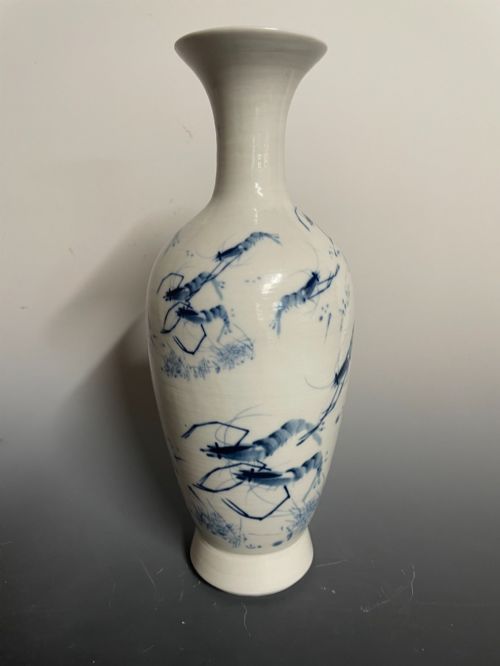
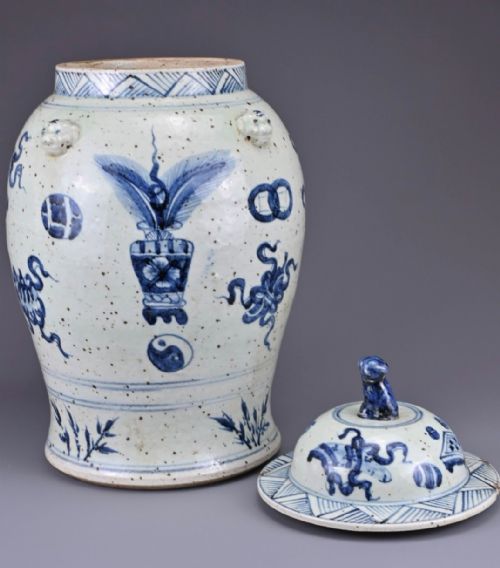
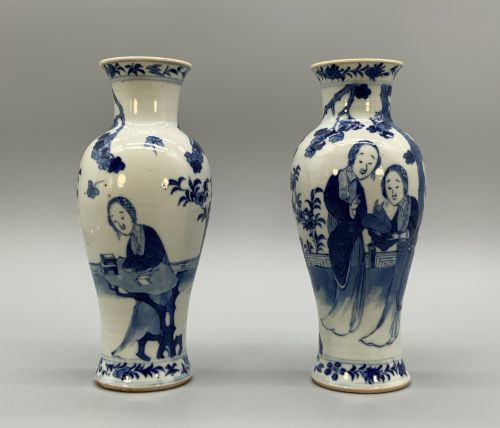
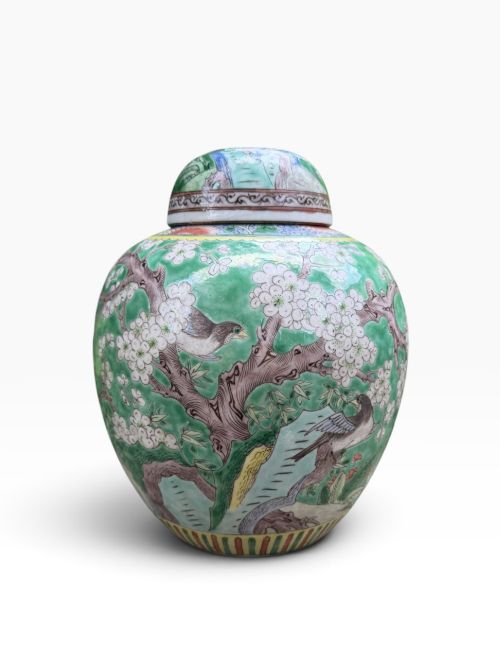
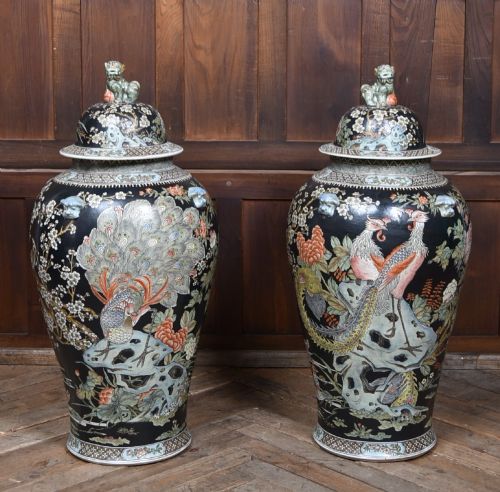
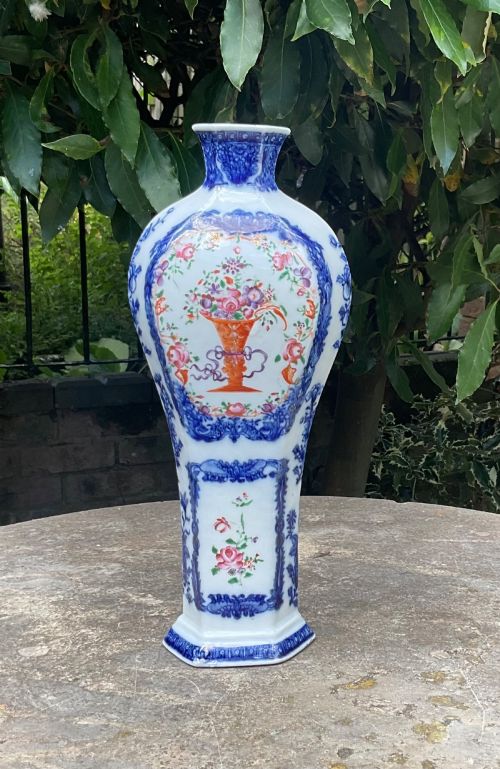
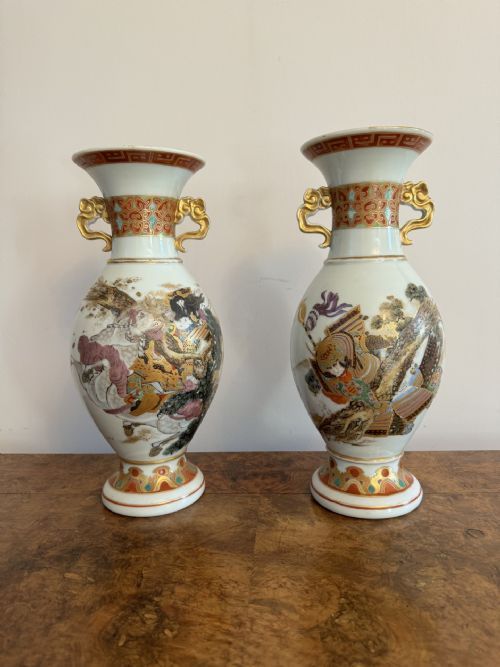
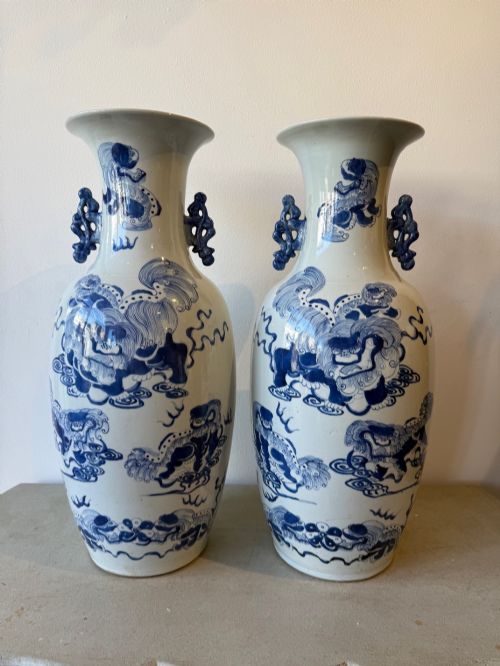
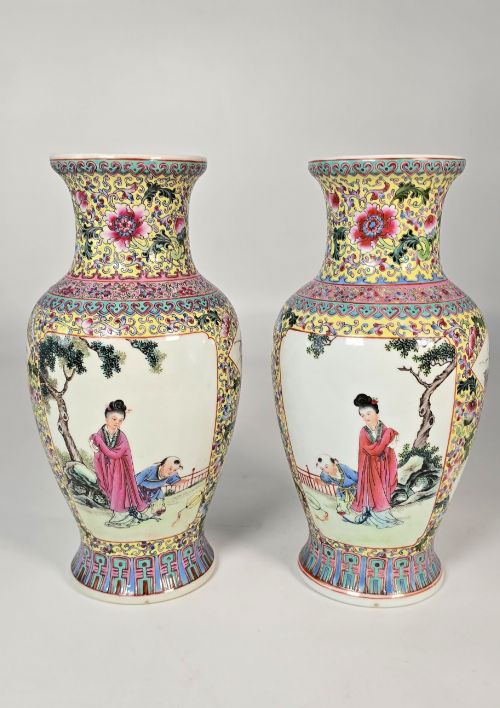
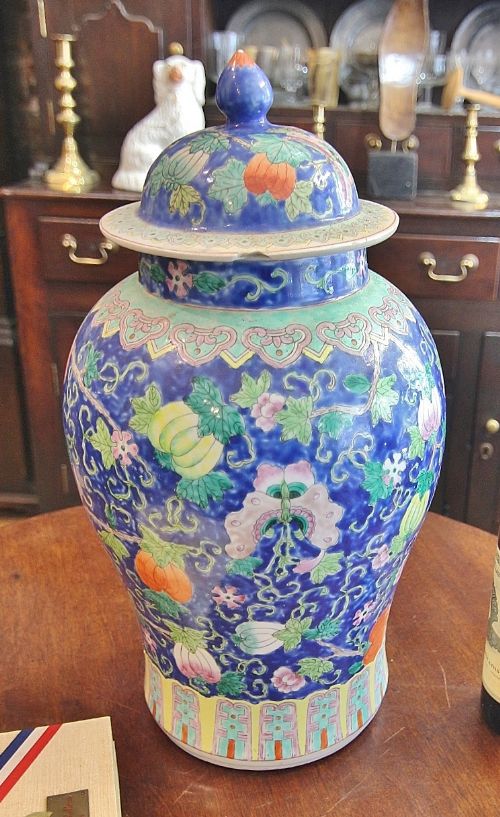
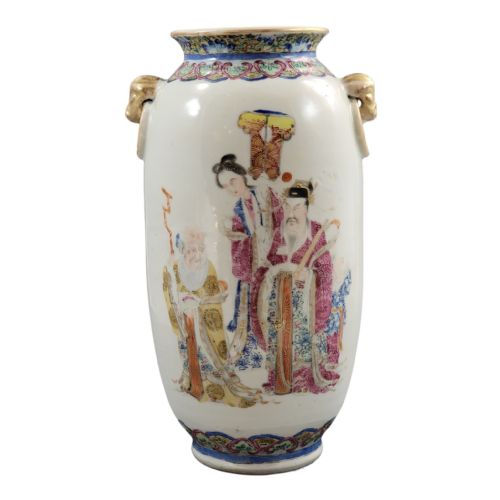
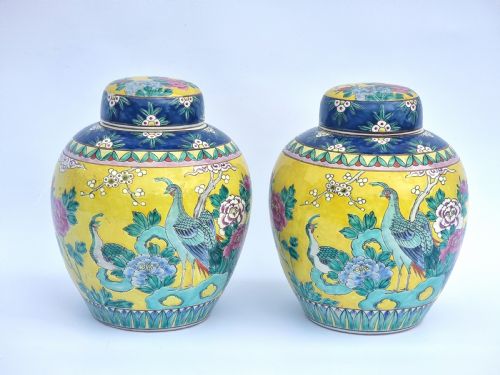
Makers utilised traditional styles such as blue and white underglaze, Kangxi designs, and vibrant famille rose palettes to decorate the ceramic surface. Common motifs depict figural ladies, immortals, birds, flowers, and five-claw dragons rendered by hand. Pieces range from modest ginger jars to monumental floor-standing vessels.
How They Were Made
Potters shaped ceramic clay into porcelain bodies before applying cobalt glaze, enamel pigments, or gold leaf detail. Kiln firing fixed the underglaze cobalt beneath a clear coat, while polychrome enamel decoration required subsequent lower-temperature firings.
Master painters brushed intricate botanical and figural scenes directly onto the dry paste or glazed surface. Brass mounts and wooden stands occasionally supplemented the ceramic bodies, particularly in pieces converted later into table lamps.
Listings span from the seventeenth-century Kangxi period through the nineteenth-century Qing Dynasty to the twentieth-century Republic era.
What Varies in Quality
Precision and control of the brushwork separate standard production from superior examples. Skilled painters achieved depth and shading in floral and figural subjects, whereas lesser pieces display stiff, repetitive linework.
The clarity of the glaze and the vibrancy of the enamel colours indicate workshop standards. Markings to the base, ranging from character stamps to specific dynastic periods, reflect the provenance and ambition of the original kiln.
Gao Hengsheng·Jingdezhen
The Hand Painted Chinese Urn Glossary
- Famille Rose
- A palette of opaque enamels introduced in the Qing Dynasty, dominated by pink and rose shades mixed from gold chloride. It allowed for subtle tonal gradations in painted florals and robes.
- Famille Verte
- A translucent green-dominated enamel palette utilised extensively in the seventeenth and eighteenth centuries. Artists combined it with iron red, yellow, and blue to create vibrant polychrome surfaces.
- Ginger Jar
- A wide-shouldered storage vessel with a domed lid, originally designed for spices or wine. Nineteenth-century examples frequently function purely as decorative display items.
- Cobalt Glaze
- An intense blue pigment applied directly to the raw clay body under a transparent glaze. It withstands high kiln temperatures without losing definition.
- Celadon
- A transparent pale green glaze over a crackle or smooth ceramic body. The finish mimics jade through iron oxide reactions in the reducing kiln atmosphere.
Hand Painted Chinese Urn: Frequently Asked Questions
How do I identify a Qing Dynasty piece?
Look for specific base marks, characteristic potting weights, and traditional pigment styles associated with imperial or export kilns.
Material density and the depth of the underglaze blue also help differentiate nineteenth-century production from later twentieth-century copies.
Were these jars used for storage?
Ginger jars originally served as practical containers for shipping and preserving spices, tea, or herbs.
By the nineteenth century, many were made strictly for decorative display or export markets without utilitarian intent.
What is the difference between famille rose and famille verte?
Famille rose relies on an opaque pink enamel derived from gold, introduced during the later Qing period for softer tonal shading.
Famille verte utilises a transparent green-dominant palette that creates brighter, more graphic contrasts across the porcelain surface.
Can I safely use these as table lamps?
Many antique vessels arrive fitted with electrical hardware and wooden bases added during the twentieth century.
Check whether the original ceramic body was drilled for wiring, as unmolested vessels hold higher collector value.