





Hand Painted China Tray
A hand painted china tray brings domestic utility together with porcelain painting from the eighteenth century onwards.
Hand Painted China Tray
When searching for a hand painted china tray, a buyer encounters a selection of serving dishes, decorative trays, and cabinet pieces originating from British and European factories. The listings include pieces spanning from the eighteenth century through the Edwardian period and the early twentieth century.
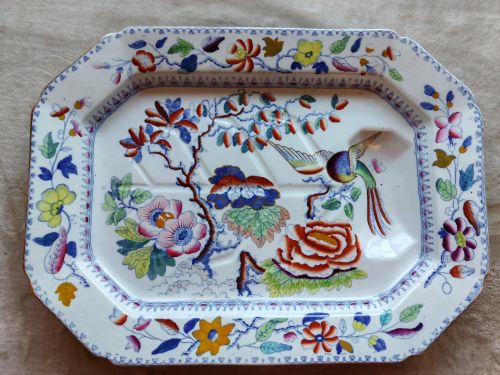
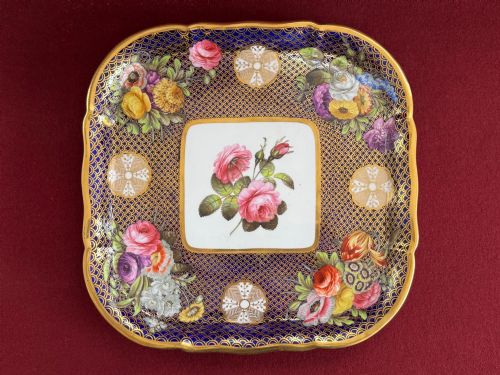
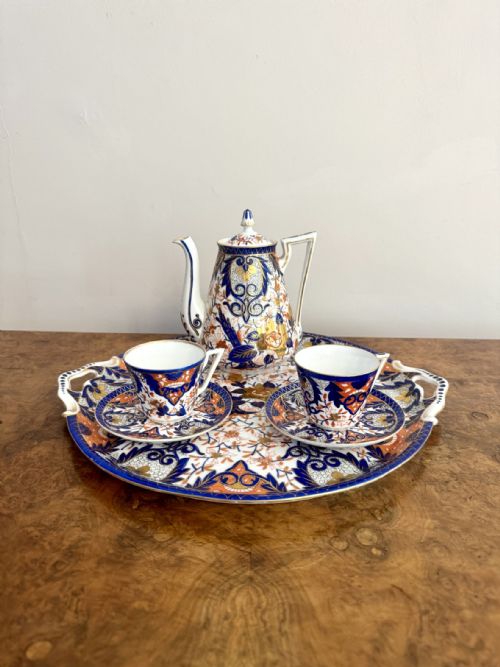
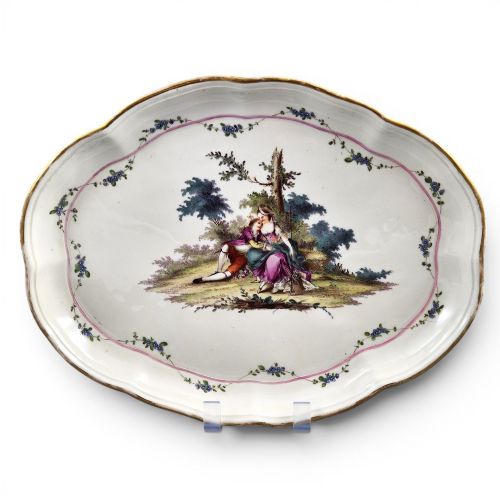
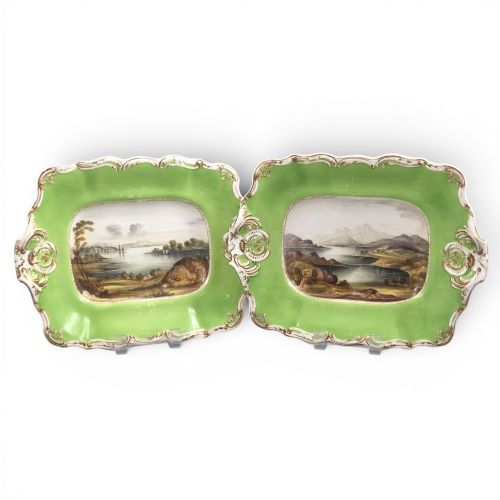
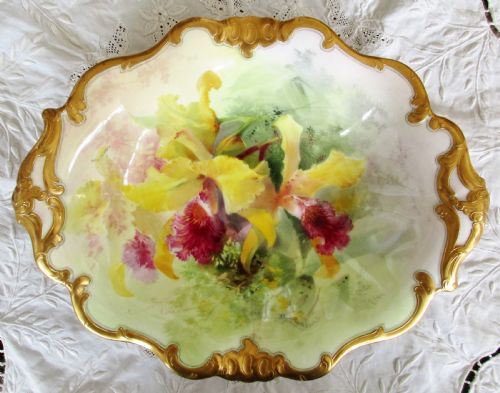
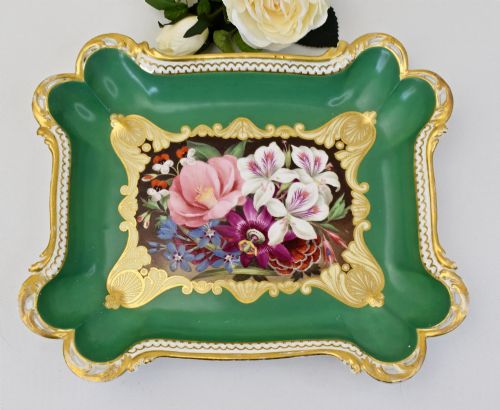
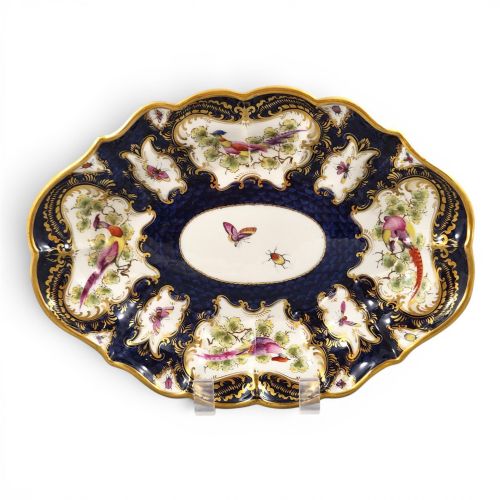
The versions met most often on this page take the form of dessert dishes, serving plates, and smaller trays designed for fruit, pen sets, or general display. These items combine functional porcelain forms with hand-painted botanical, scenic, or floral decoration.
How they were made
Makers utilised fine porcelain, bone china, and ironstone as the primary ceramic bodies for these trays, often shaping them through moulding or throwing before initial firing. Artisans then applied hand-painted polychrome pigments, cobalt blues, and enamels directly onto the glazed surface.
Many examples incorporate gold leaf, gilt, and intricate gilding to accentuate the rims and handles. Kiln-firing fixed these pigments and precious metals permanently to the ceramic body.
Hand Painted China Tray Retail Price Guide 2026
Typical asking prices for hand painted china tray among the pieces listed under this phrase on Sellingantiques today, from the lower quarter to the upper quarter. They describe what is for sale here now, not the wider market.
Prickly insects and delicate petals share the same plate when artists paint unexpected grasshoppers beside fine floral sprays.
What varies in quality
The skill of the ceramic painter determines much of the distinction between standard and superior pieces, particularly in detailed botanical or scenic subjects. Signed works by recognised painting artists command greater attention.
The refinement of the porcelain paste, the crispness of moulded relief work, and the preservation of the gilding set individual examples apart across different periods.
Royal Worcester·Royal Doulton·Royal Crown Derby·Chamberlain’s Worcester·Barr Flight And Barr·Mason’s Ironstone·Duesbury And Kean
The Hand Painted China Tray Glossary
- Polychrome
- Decoration executed in multiple colours. This technique allows for detailed floral and scenic painting across the surface of the porcelain.
- Gilding
- The application of gold leaf or powdered gold to ceramic surfaces. It typically highlights rims, handles, and moulded borders.
- Ironstone
- A heavy, durable type of earthenware patented in the nineteenth century. It provides a sturdy alternative to traditional porcelain for serving platters and large dishes.
- Comport
- A raised dish or bowl used for serving fruit or sweetmeats at dessert. These pieces stand on a short foot or pedestal.
- Chinoiserie
- European artistic styles reflecting Chinese motifs and motifs. This aesthetic appears frequently on early nineteenth-century porcelain patterns.
Hand Painted China Tray: Frequently Asked Questions
What are these hand painted trays used for?
These items served various dining and domestic functions, including serving fruit, biscuits, or small food items during formal dessert courses. Pen trays held writing implements on desks.
Over time, many of these dishes transitioned into decorative cabinet pieces or display items rather than serving daily meals.
How do I identify the period of a tray?
Factories often stamped, painted, or impressed specific marks onto the base of the porcelain. Comparing these factory ciphers alongside the stylistic elements helps determine the era.
Design characteristics such as Rococo Revival moulding or Regency shapes also offer clear indications of the manufacturing date.
Are these pieces safe to use daily?
Most antique pieces require gentle handling due to age and delicate overglaze enamel painting. Hand washing protects the surface decoration and gilding from detergent wear.
Using them strictly for display or light decorative service preserves the painted botanical and scenic details.
What is the difference between porcelain and ironstone?
Porcelain is a vitrified, translucent ceramic fired at high temperatures to create a fine and smooth body. It forms the basis of delicate cabinet and dessert dishes.
Ironstone is a dense, opaque earthenware developed for durability, making it well-suited for heavy meat platters and large serving pieces.