


Gold Painted Dish
When you search for a gold painted dish, you find painted porcelain and earthenware plates embellished with gold leaf, gilt, and gilding.
Gold Painted Dish
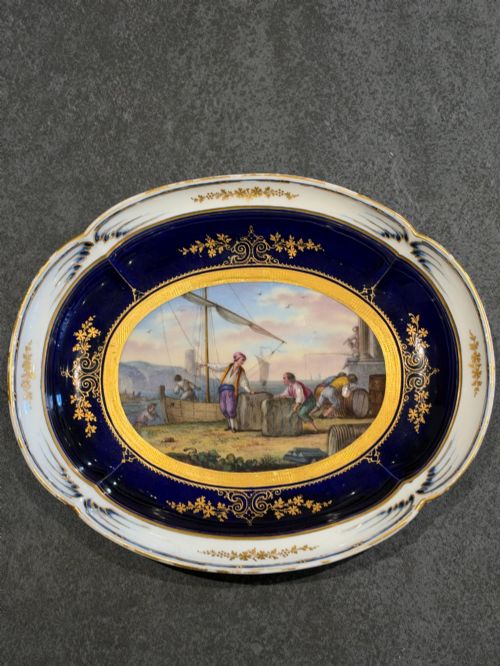
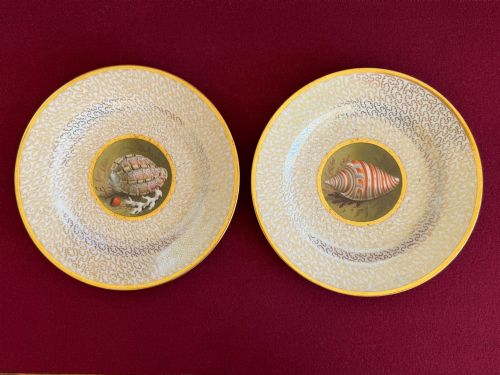
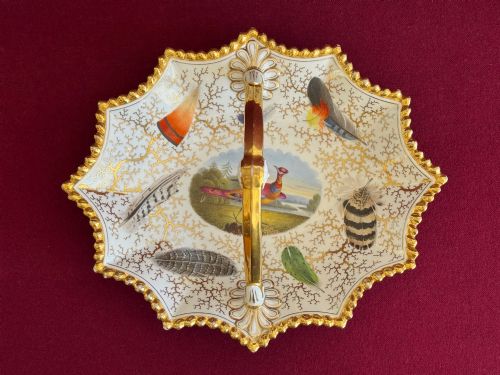
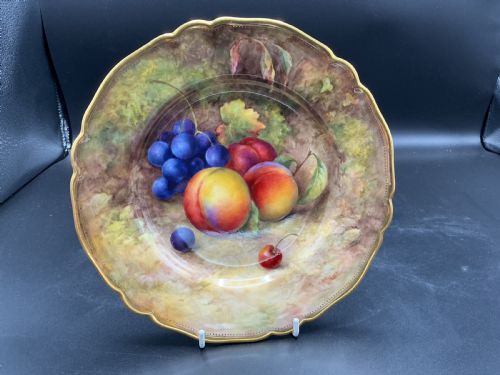
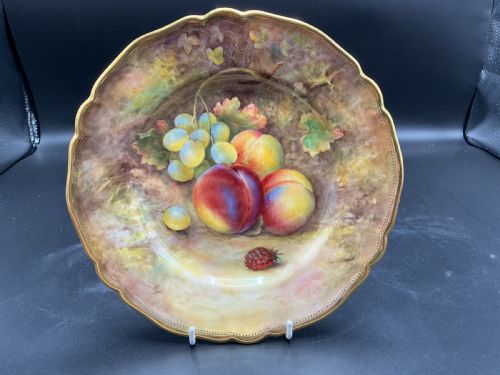
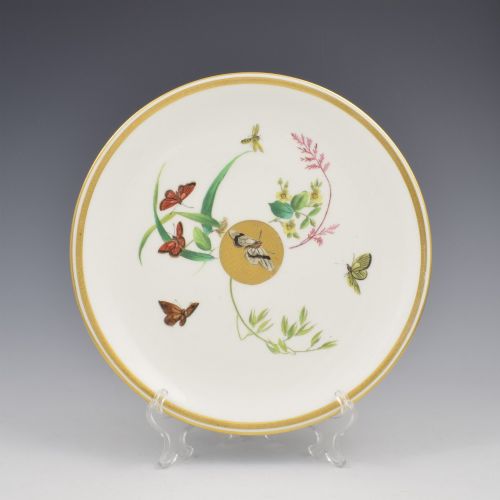
A gold painted dish spans several forms including cabinet plates, dessert dishes, centrepieces, and platters created across the nineteenth and twentieth centuries.
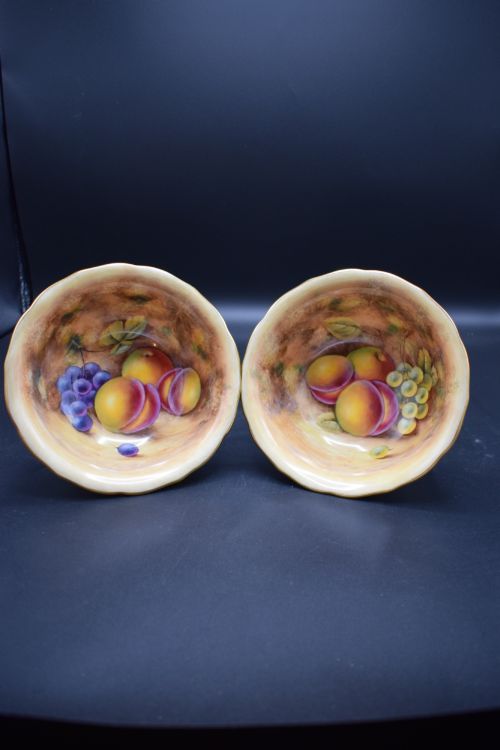
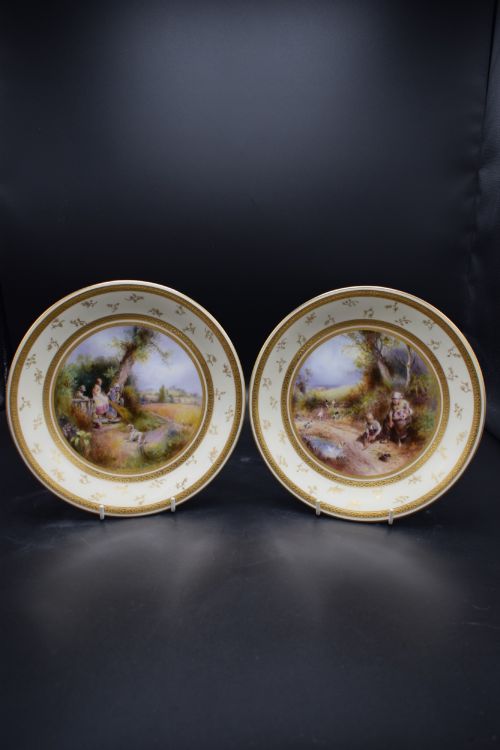
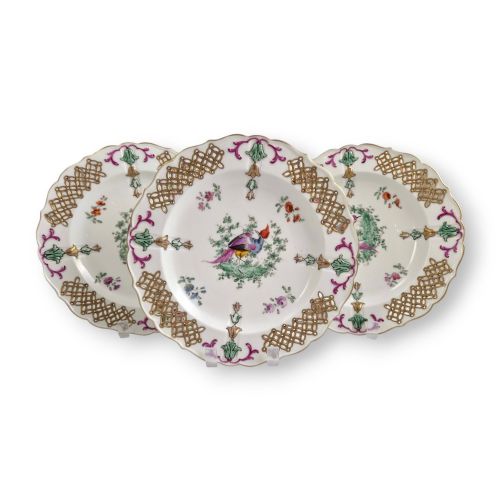
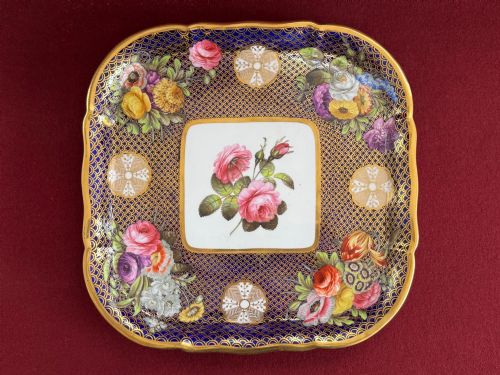
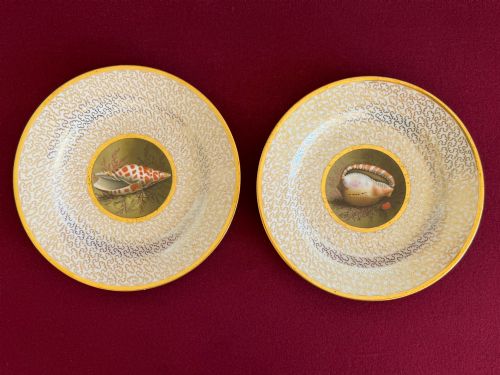
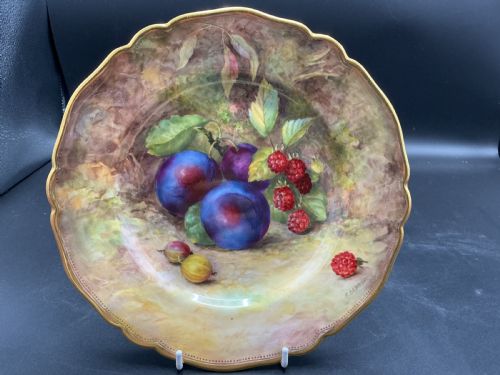
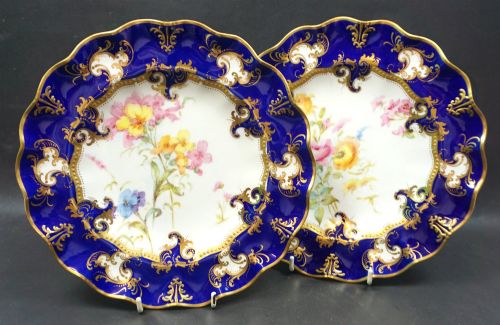
The most common examples on this page are porcelain cabinet plates and decorative dishes featuring hand-painted floral, fruit, or botanical scenes framed by gilded borders.
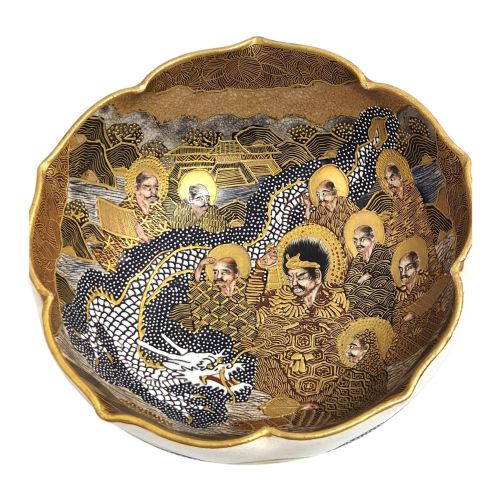
Pieces range from Georgian English porcelain and Victorian Minton designs to Japanese Satsuma and Kutani wares decorated during the Meiji period.
Materials and construction
Makers utilised porcelain, bone china, and earthenware as the primary bodies, shaping them into plates, bowls, and tureen covers.
Decoration relied on hand-painted enamels combined with gold leaf, applied gilding, and gilt bronze mounts to accentuate the ceramic surfaces.
Gold Painted Dish Retail Price Guide 2026
Typical asking prices for gold painted dish among the pieces listed under this phrase on Sellingantiques today, from the lower quarter to the upper quarter. They describe what is for sale here now, not the wider market.
Styles represented include Regency, Edwardian, Rococo Revival, Art Deco, and Japanese Meiji.
Measures of quality
Quality rests upon the skill of the hand-painting, visible in the precision of botanical details, fruit studies, and figurative scenes executed by named artists.
The refinement of the ceramic body and the richness of the applied gilding or gold leaf distinguish standard production wares from masterworks.
Royal Worcester·Royal Crown Derby·Royal Doulton·Minton·Coalport
The Gold Painted Dish Glossary
- Cabinet plate
- A decorative ceramic plate intended for display rather than for serving food at table. These pieces often showcase elaborate painted scenes and rich gilding.
- Gilt
- A thin layer of gold applied to the surface of porcelain, earthenware, or metal mounts. This technique provides the metallic sheen seen across these dishes.
- Meiji period
- The era of Japanese history lasting from 1868 to 1912, encompassing finely detailed Satsuma and Kutani wares adorned with gold decoration.
- Centrepiece
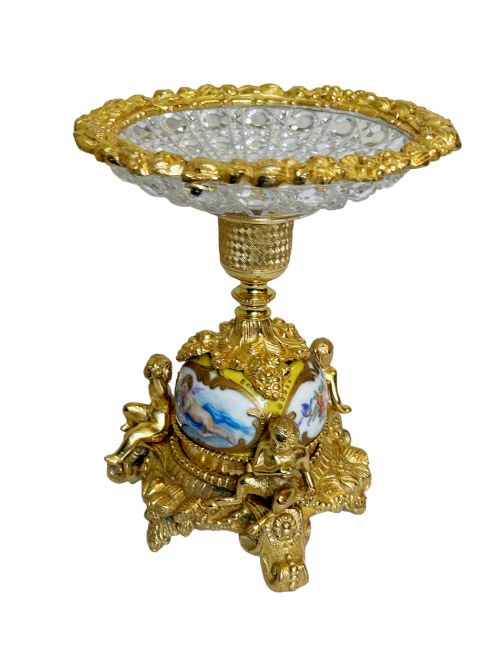
- A large decorative vessel or stand placed in the middle of a table or cabinet. Examples often incorporate porcelain bowls with gilt bronze mounts.
Gold Painted Dish: Frequently Asked Questions
What is a gold painted dish used for?
These pieces were produced primarily as cabinet plates, dessert dishes, and decorative centrepieces intended for display in formal reception rooms and dining spaces.
They served to demonstrate the wealth and artistic taste of the owner through elaborate hand-painted motifs and rich metallic embellishments.
How do I care for antique gilt porcelain?
Maintain these ceramic pieces by dusting them gently with a dry, soft cloth and avoiding immersion in water or chemical cleaning solutions.
Hand-painted enamels and delicate gold leaf or gilding can be easily abraded by harsh treatment over time.
How can I identify the period of a dish?
Dating relies on maker marks, backstamps, and the distinct stylistic traits associated with periods such as the Georgian era, Victorian times, or the Meiji period.
Stylistic shifts in border decoration and painting techniques also help narrow down the decade of manufacture.
Who painted these porcelain plates?
Many high-end cabinet plates were painted by skilled ceramic artists employed by major potteries, with some pieces bearing signatures or initials.
Renowned painters specialised in specific subjects like botanical studies, fruit compositions, or landscape scenes.