

Painted Fruit Ceramic Dish
A painted fruit ceramic dish brings vibrant botanical colour and skilled hand-painting directly to the table.
Painted Fruit Ceramic Dish
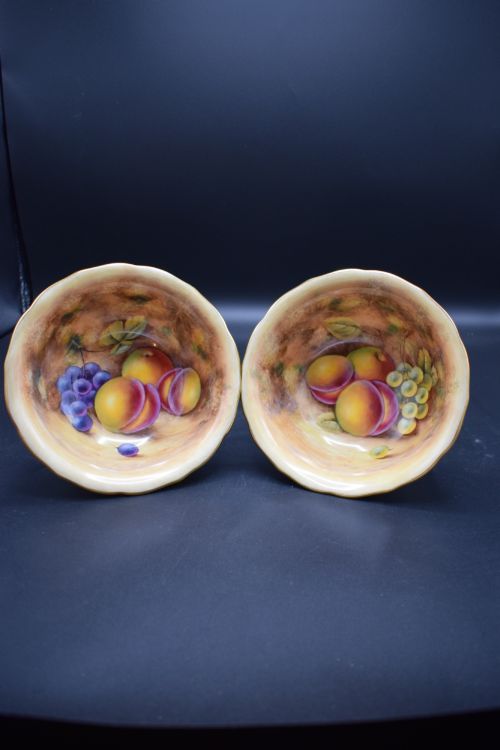
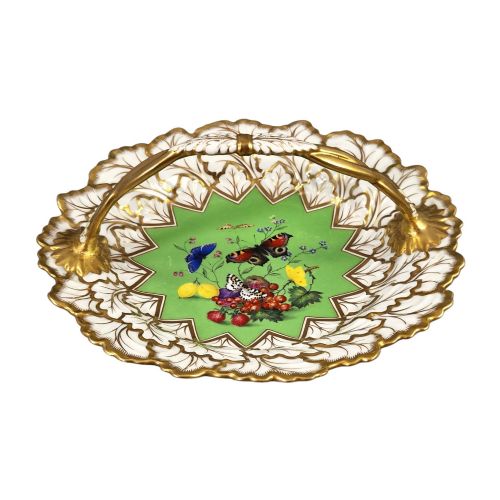
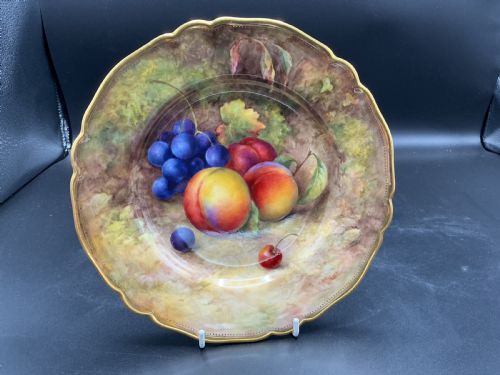
A painted fruit ceramic dish encompasses a variety of serving vessels, cabinet plates, comports, and bowls created to display hand-rendered botanical studies. These pieces range from eighteenth-century porcelain saucers and dessert dishes to twentieth-century cabinet plates.
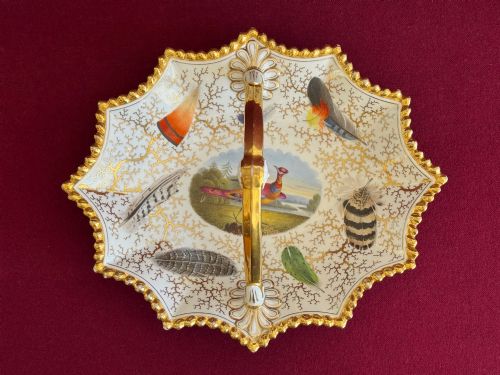
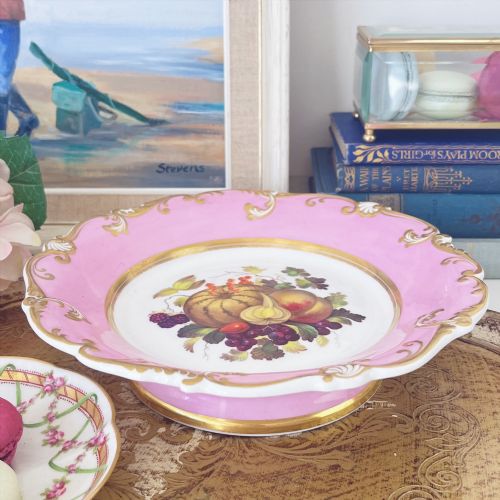
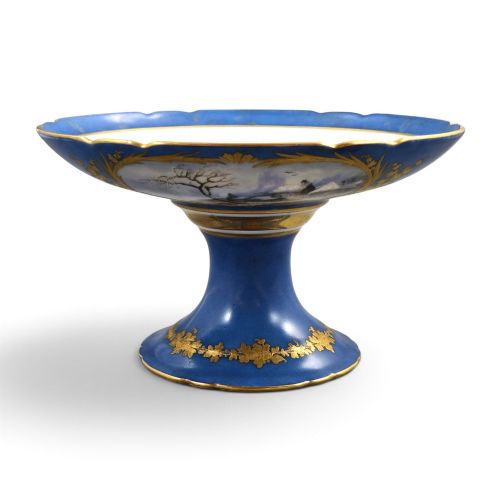
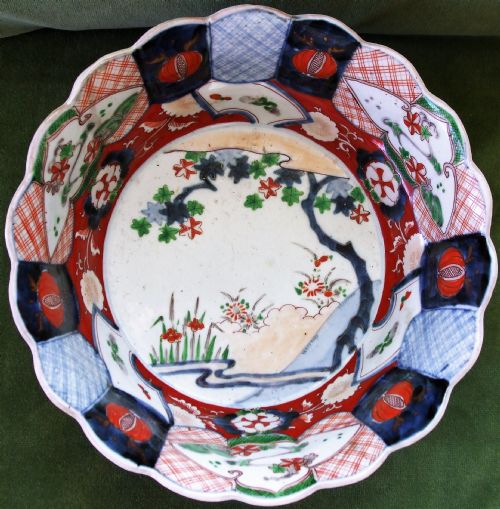
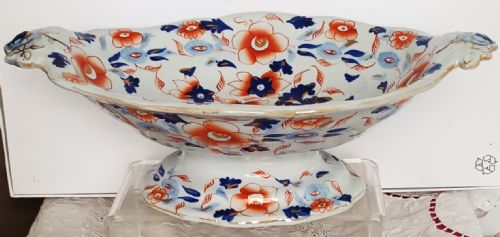
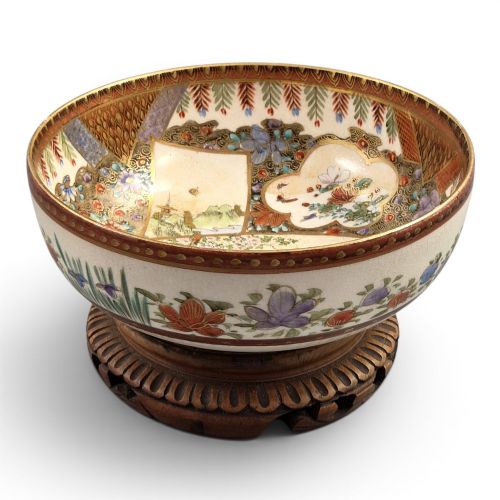
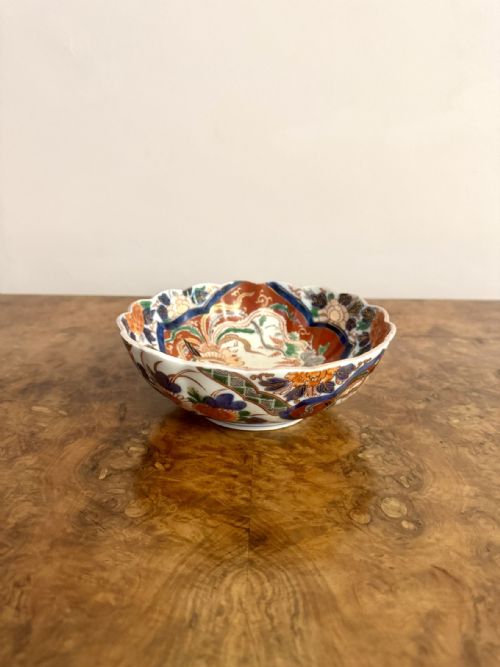
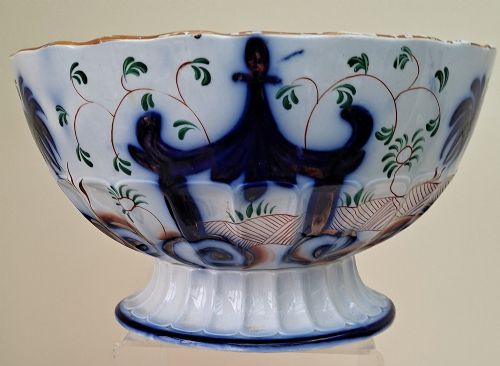
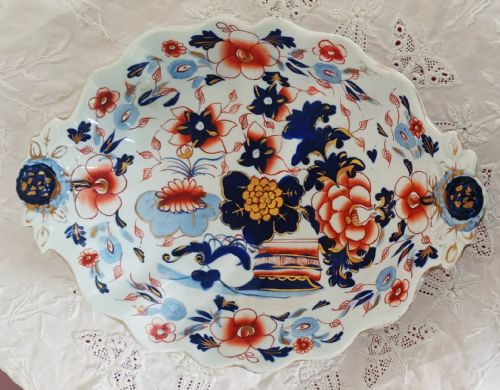
The selection on this page leans heavily toward nineteenth-century English porcelain and earthenware, alongside Japanese Imari wares and early twentieth-century painted services. Forms vary from simple scalloped plates to footed comports, baskets, and large centrepieces.
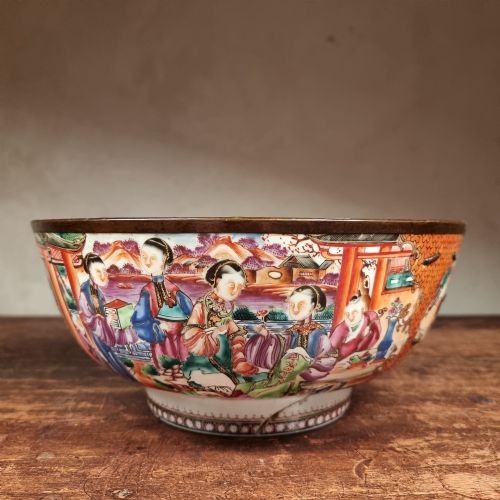
Makers in this category span renowned English factories like Worcester and Royal Worcester, alongside continental porcelain houses and Japanese export workshops. Buyers encounter everything from early spotted fruit designs to signed cabinet plates.
How they were made
Potters shaped these vessels using porcelain, bone china, earthenware, and ironstone china, often building complex forms like footed comports and pierced baskets. Glaze was applied to create a smooth, vitreous surface suitable for detailed brushwork.
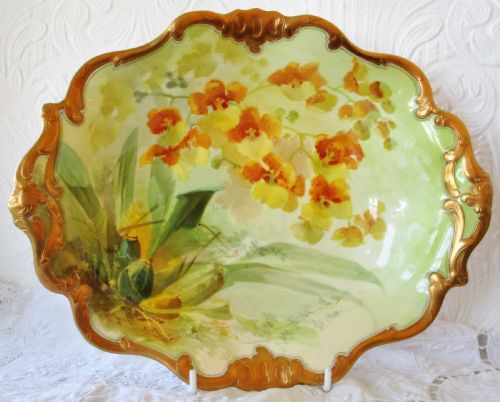
Decoration relied on hand-painting, frequently enhanced with enamel, gold leaf, gilding, or gilt borders to frame the botanical subjects. Kiln firing fixed the pigments and metals into the ceramic body, ensuring lasting colouration.
Painted Fruit Ceramic Dish Retail Price Guide 2026
Typical asking prices for painted fruit ceramic dish among the pieces listed under this phrase on Sellingantiques today, from the lower quarter to the upper quarter. They describe what is for sale here now, not the wider market.
Cherubs occasionally join the fruit, presiding over German porcelain centrepieces as though guarding the harvest.
What varies in quality
The artistry of the brushwork dictates the standing of each painted fruit ceramic dish, distinguishing standard factory output from master painter pieces. Skilled rendering of naturalistic fruit requires precise tonal control and depth.
The reputation of the manufactory and the presence of a known artist's signature elevate certain pieces above anonymous production. Additionally, the crispness of moulded details, gilding preservation, and porcelain translucency separate ordinary wares from exceptional examples.
H & R Daniel·Flight Barr & Barr·Royal Worcester·Kornilov Brothers·Schierholz
The Painted Fruit Ceramic Dish Glossary
- Comport
- A raised serving dish or tazza used for fruit or sweetmeats at dessert. These pieces often stand on a central foot or pedestal.
- Cabinet Plate
- A decorative plate intended for display in a cabinet or on a wall rather than for everyday dining. They frequently feature elaborate hand-painted scenes.
- Gilding
- The application of gold leaf or powdered gold to ceramic surfaces. This technique highlights rims, handles, and borders.
- Imari
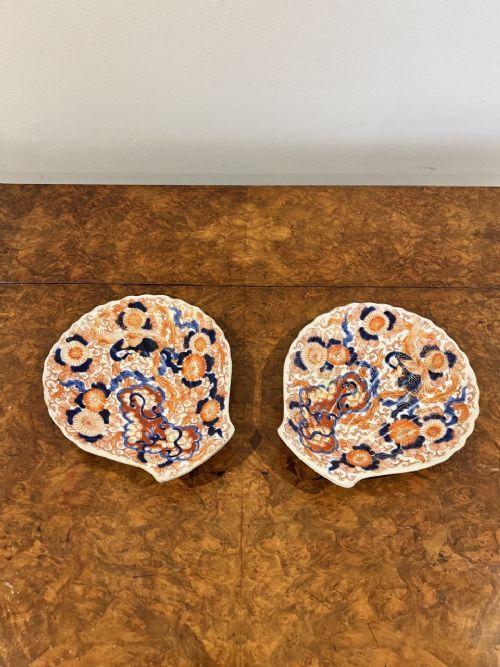
- A style of Japanese export porcelain characterised by underglaze blue, iron red, and gilt ornamentation. These patterns heavily influenced European ceramic design.
- Ironstone
- A heavy, durable type of earthenware patented in the nineteenth century. It provided a robust alternative to porcelain for large serving vessels.
Painted Fruit Ceramic Dish: Frequently Asked Questions
What were painted fruit ceramic dishes used for?
These vessels served primarily during the dessert course of formal meals, holding fresh fruit, sweetmeats, or confectioneries. Footed comports and centrepieces elevated the display on the dining table.
Over time, many fine cabinet plates transitioned purely to display roles, hung on walls or exhibited within glazed furniture to showcase artistic skill.
How do I identify Royal Worcester fruit work?
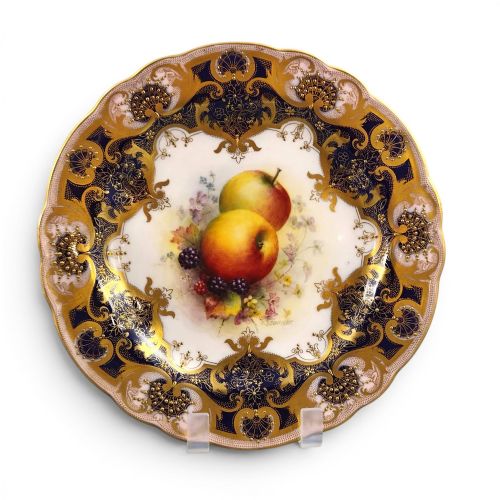
Royal Worcester pieces often feature naturalistic depictions of apples, grapes, and peaches against soft background foliage. Look for factory backstamps dating the piece to the late nineteenth or twentieth century.
Many finer examples bear the signatures of notable artists such as Richard Sebright, P Love, or J Southall directly on the painted surface.
What is Japanese Imari?
Japanese Imari refers to porcelain manufactured in Arita and exported from the port of Imari, traditionally utilising a palette of cobalt blue, iron red, and gold. These colourful motifs proved immensely popular in Europe.
Antiques from the Meiji period and earlier often display dense floral, panelled, and shell-shaped designs that inspired English porcelain makers.