



Signed Royal Worcester Dish
A signed royal worcester dish brings hand-painted porcelain artistry into the home, prized by collectors for detailed fruit studies and artist signatures.
Signed Royal Worcester Dish
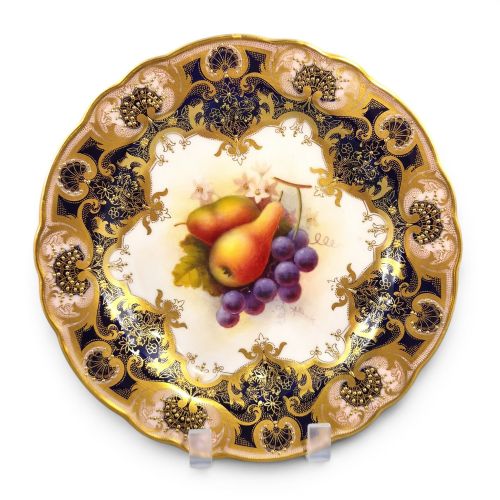
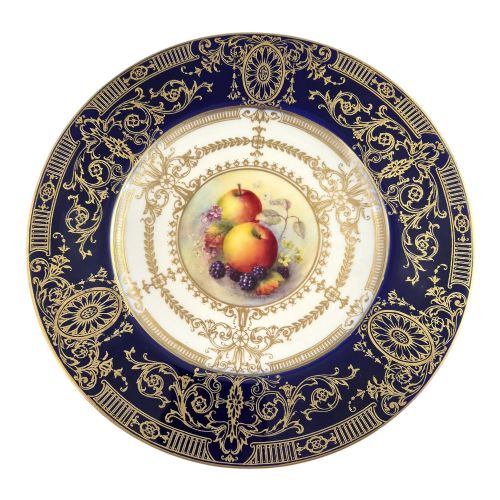
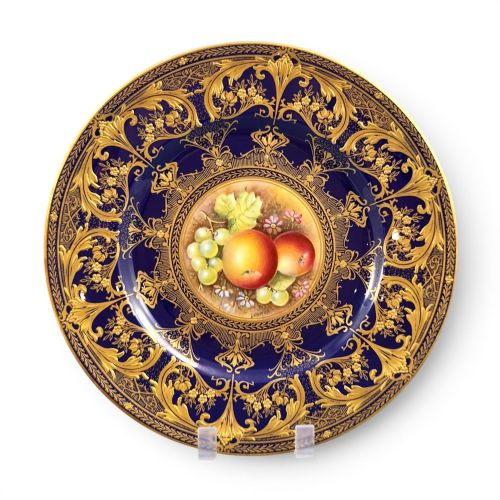
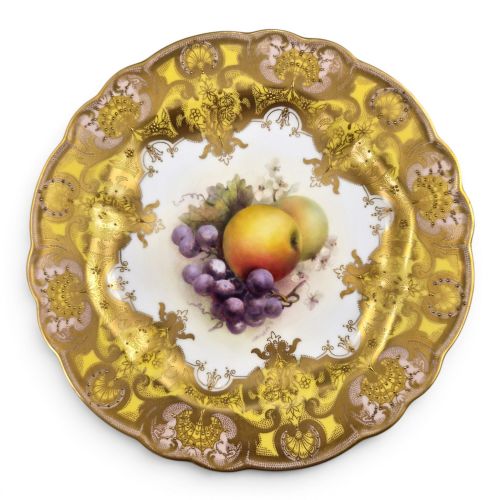
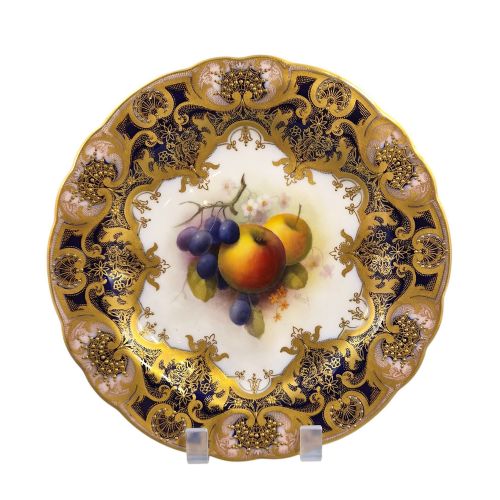
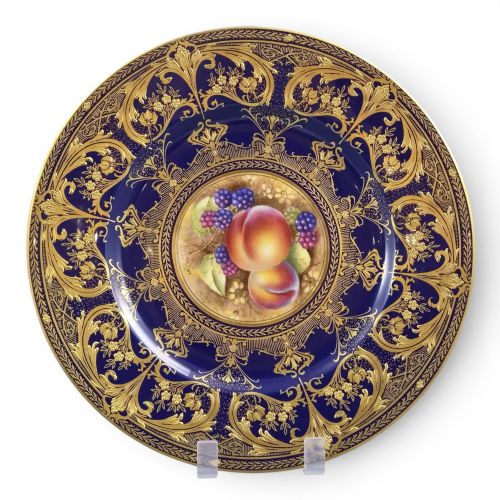
A signed royal worcester dish is typically a painted fruit cabinet plate, decorative bowl, dessert dish, or small bon bon dish produced by the Worcester factory. These porcelain pieces frequently display naturalistic fruit subjects rendered by skilled studio artists whose signatures appear across the surface.
The selections available here span from Edwardian examples through the 1950s and 1960s, encompassing styles such as traditional English, George V, and Art Deco. Forms range from boat-shaped bowls and rope-edge plates to star-edge bon bon dishes and tudor trays.
Buyers encounter numerous variations in shape and edge treatment while searching for this phrase, with cabinet plates and bon bon dishes forming the majority of the recorded output. Each piece reflects the decorative priorities of its specific period of manufacture, from ornate Edwardian motifs to mid-century enamel and gilding.
How they were made
The manufacturing process centres on fine porcelain and bone china bodies shaped into plates, bowls, and trays before undergoing high-temperature firing. Artisans then applied intricate hand-painted enamel designs, often focusing on elaborate fruit studies against shaded backgrounds.
Gold leaf, gilt, and gilding were applied to rims, edges, and borders to provide a decorative frame for the central painted panels. These metallic additions required careful firing to adhere permanently to the porcelain surface alongside the polychrome enamel pigments.
Signed Royal Worcester Dish Retail Price Guide 2026
Typical asking prices for signed royal worcester dish among the pieces listed under this phrase on Sellingantiques today, from the lower quarter to the upper quarter. They describe what is for sale here now, not the wider market.
Object types seen span cabinet plates, decorative plates, decorative bowls, trays, and decorative dishes.
What varies in quality
Quality in these porcelain pieces rests heavily upon the complexity and skill of the hand-painted subject matter. Dense, meticulously detailed fruit painting by notable decorators commands greater attention than simpler floral patterns or sparse decoration.
The application of gold leaf and gilding also dictates the standard of a piece, with crisp, intact edge work and burnished gilding elevating the overall execution. Furthermore, the sophistication of moulded forms, such as gadroon or rope edges, contributes to the distinction between standard production and superior studio output.
Royal Worcester·Richard Sebright·Albert Shuck·Brian Leaman·J Southall·P Love·J Smith·Freeman·T Lockyer·H Stinton·F Roberts·Moseley·D Bowkett·Ayrton
The Signed Royal Worcester Dish Glossary
- Cabinet plate
- A decorative ceramic plate intended for display in a cabinet rather than for table service. These pieces usually feature elaborate painted scenes and gilt borders.
- Bon bon dish
- A small, shallow dish designed to hold sweets or confectionery. They often incorporate decorative edges like star patterns or rope twists.
- Gilding
- The application of gold leaf or gold powder to the surface of porcelain. It highlights rims and handles with a reflective metallic finish.
- Enamel
- Vitreous coloured glass fused to the porcelain body during firing. It provides the vibrant and permanent pigments used in the painted fruit scenes.
- Bone china
- A type of soft-paste porcelain containing bone ash, known for high strength and translucency. It serves as the primary base material for these decorative items.
Signed Royal Worcester Dish: Frequently Asked Questions
What are signed royal worcester dishes?
They are porcelain cabinet plates, dessert dishes, and bon bon vessels decorated by individual studio artists employed at the Worcester factory.
Most examples feature hand-painted fruit set against naturalistic backgrounds, complemented by gilded borders and enamel highlights.
How were these dishes used originally?
Cabinet plates and decorative bowls were primarily intended for visual display within drawing rooms and dining parlours rather than everyday dining.
Smaller bon bon dishes served a functional role on tables during formal entertaining to hold small sweets or confections.
How do I care for antique porcelain?
These pieces require gentle handling and should be washed by hand using mild warm water when cleaning becomes necessary.
Avoid submersing gilded items for extended periods and keep them away from harsh abrasive cleaners to protect the enamel and gold leaf.
How can I tell the period?
Dating relies on examining the factory backstamps found on the underside of the porcelain, which changed systematically across different decades.
Stylistic shifts, such as Edwardian neo-rococo borders versus Art Deco geometric lines, also help narrow down the manufacturing era.