


Hand Painted Chest Drawers
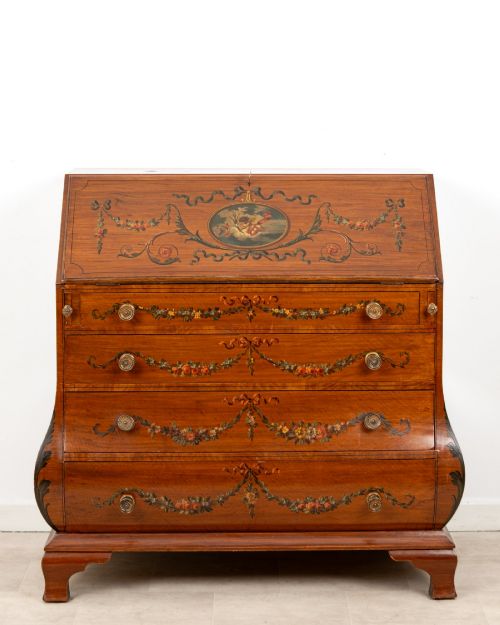
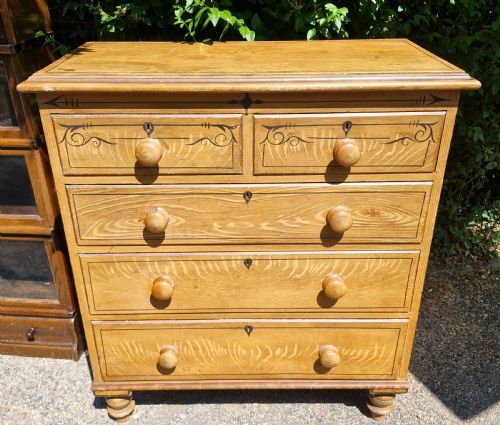
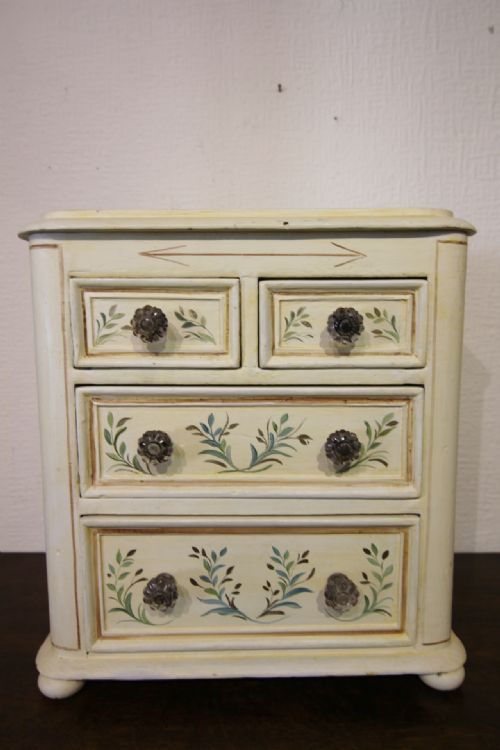
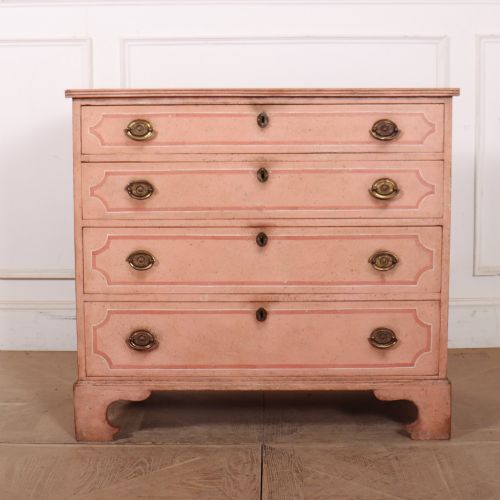
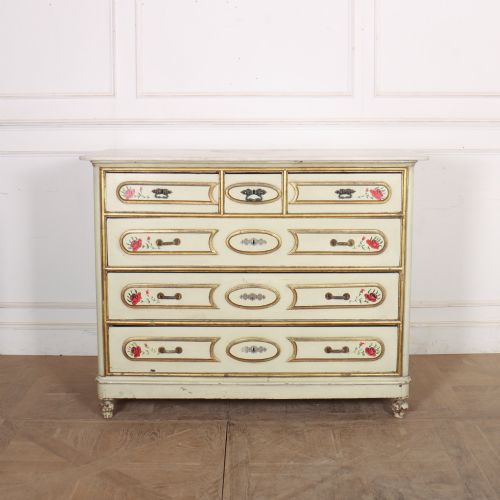
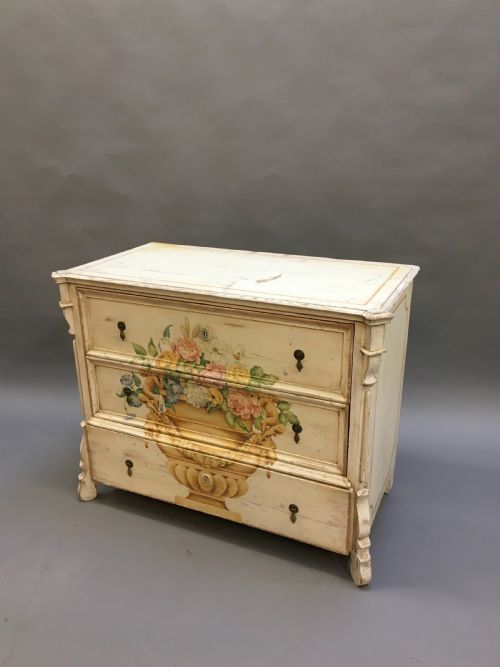
These hand painted chest drawers bring surface colour and practical storage into a room, spanning country pine to formal neoclassical forms.
What hand painted chest drawers are
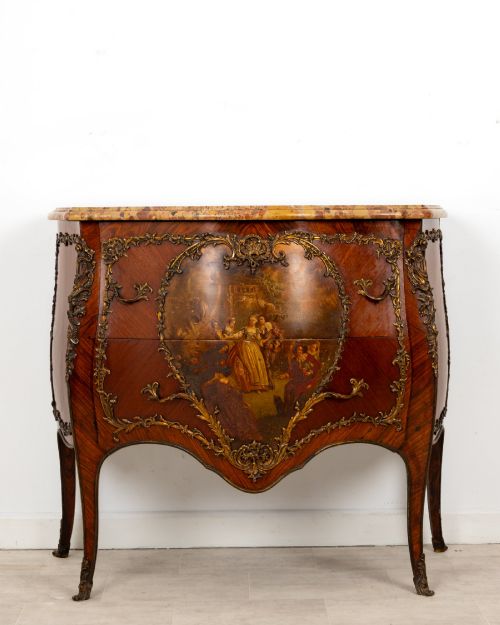
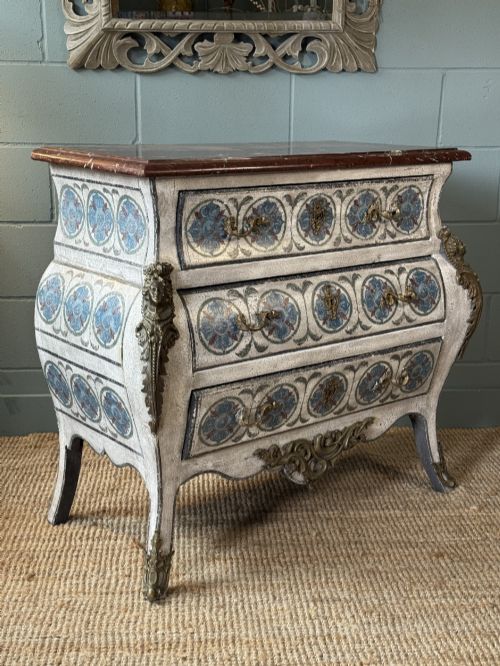
When you search for hand painted chest drawers, you encounter storage furniture decorated with pigment across several centuries and regions. The selection ranges from robust nineteenth-century pine carcases to grander foreign commodes and tall chests.
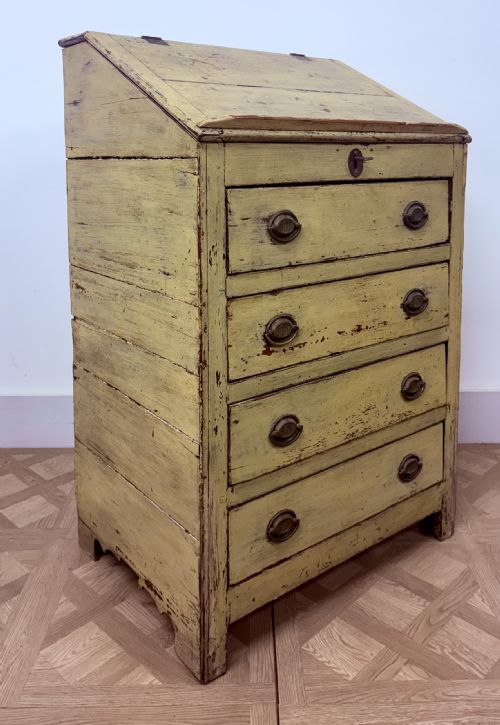
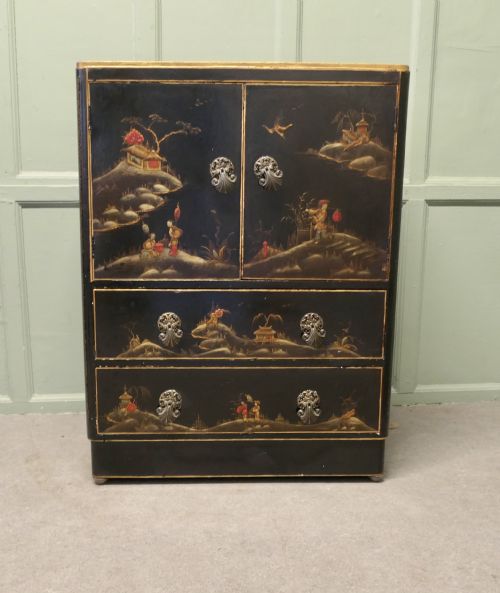
Victorian examples in pine sit alongside English country pieces and continental styles such as French chateau and Spanish neoclassical work. More specialised forms include tallboys, chests on chests, and signed chinoiserie cabinets.
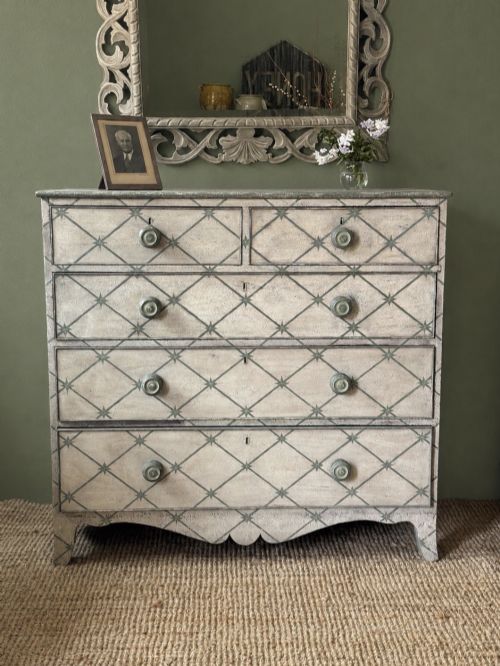
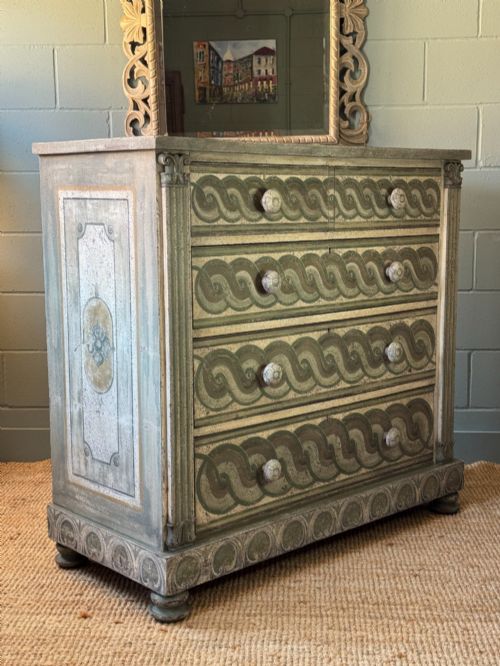
Makers adapted standard drawer configurations by adding decorative surfaces over timber, sometimes incorporating later painted geometric designs onto older mahogany carcases.
How they were made
Construction relies on timber carcases built from pine, mahogany, and general wood, paired with brass hardware and painted finishes. Artisans applied gesso as a base for decorative schemes before laying down pigment.
Surfaces receive hand-applied paint, lettering, or specific motifs, occasionally featuring sign-written details or intricate chinoiserie scenes. Handles range from turned wooden knobs and painted pulls to brass fixtures.
Retail Price Guide 2026
Typical UK retail prices for hand painted chest drawers, calculated from the Sellingantiques database of over a million retail prices indexed since 2003. This retail price guide relies exclusively on Sellingantiques data; no external sources or auction records are used, so the figures do not describe the wider market.
Listings feature Victorian, Edwardian, and nineteenth-century periods alongside materials including pine, mahogany, brass, and gesso.
What varies in quality
Quality rests in the harmony between the underlying cabinetwork and the execution of the painted surface. Superior pieces show integration between the timber structure and the artistry of the hand-painted decoration.
Later painted interventions on earlier carcases alter the character of a piece differently from original period decoration. The integrity of the timber, the subtlety of the brushwork, and the retention of original brass or turned handles define the range.
Shoolbred
The Hand Painted Chest Drawers Glossary
- Commode
- A low chest of drawers or cabinet, often of French or Spanish origin. Such pieces frequently incorporate marble tops or decorative painted finishes.
- Tallboy
- A tall chest of drawers, sometimes constructed as a chest on chest. This vertical format maximises storage while occupying a smaller floor footprint.
- Chinoiserie
- European imitation of Chinese artistic motifs and styles. This decorative approach appears on painted cabinets and chests, often featuring figural or landscape scenes.
- Gesso
- A plaster-like mixture applied to wood surfaces as a base for painting. It provides a smooth ground for decorative pigment.
- Bracket feet
- Architectural supports beneath the corners of a chest. They lift the carcase slightly off the floor.
Frequently Asked Questions
What is a hand painted chest of drawers?
A hand painted chest of drawers is a storage unit featuring decorative painted surfaces applied over wood. These pieces span English country pine to French and Spanish designs.
They offer both compartment storage and distinct surface decoration developed across the nineteenth and early twentieth centuries.
How do I date a painted chest?
Dating depends on timber selection, construction methods, and the style of the painted decoration. Evidence points to Victorian pine, Edwardian pieces, and nineteenth-century mahogany carcases.
Hardware such as brass pulls or turned wooden handles also assists in placing a piece within its historical period.
Are painted designs original to the chest?
Some pieces feature original period decoration applied during manufacture, while others received later painted geometric designs applied to older timber carcases. Examining the relationship between the paint layer and the wood helps clarify this distinction.
Both original schemes and later artistic updates appear across historical examples.
Where were these chests used?
These chests functioned primarily as bedroom or parlour furniture for storing clothing and linens. Their decorative painted finishes allowed them to complement domestic interior schemes.
Institutional examples, such as those from schools, served specific communal or administrative storage needs.