
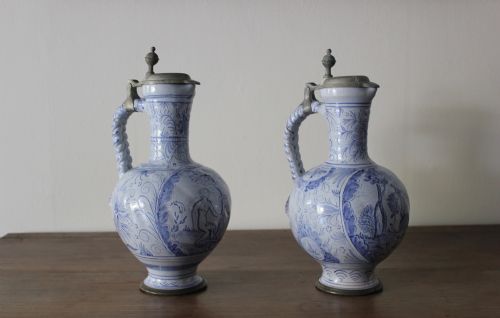


Hand Painted Ceramic Ewer
These hand painted ceramic ewer pieces combine utility and ornament, bringing painted florals and gilt details into domestic spaces.
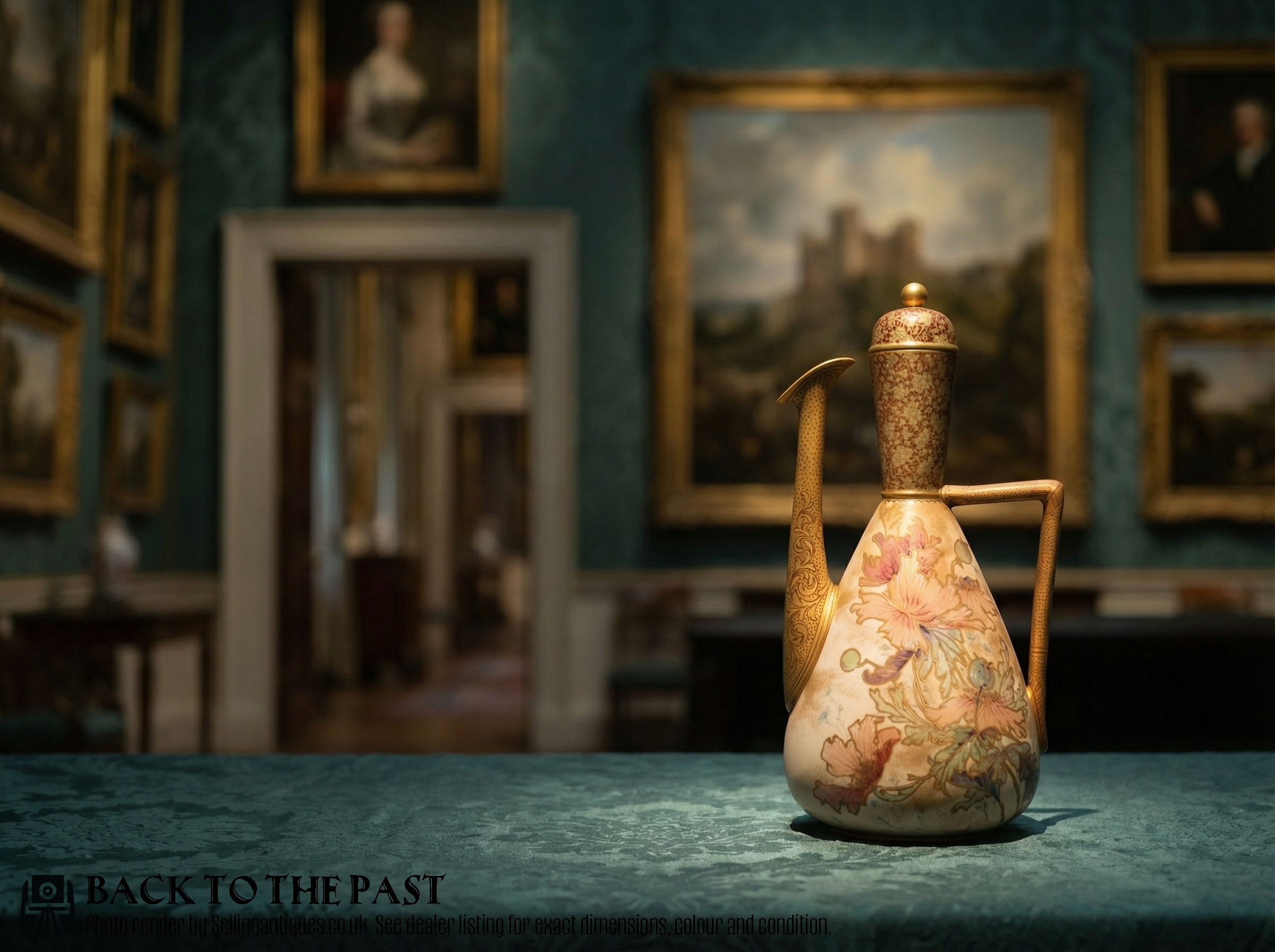
Hand Painted Ceramic Ewer
A hand painted ceramic ewer takes the form of a traditional water vessel adapted for ornamental display across various periods. Buyers searching this phrase encounter decorative pitchers, jugs, and cream boats originating from the eighteenth century through to the early twentieth century.
Materials and Construction
Potters utilised earthenware and fine porcelain bodies, shaping them into bulbous vessels, pedestal forms, and faceted jugs with integrated handles. Artisans then applied manual brushwork to the ceramic surface before glazing and firing.
Gilding, gold leaf, and gold gilt accents often highlight the painted motifs, alongside enamel decoration that adds colour and texture to the body.
Listings span from the eighteenth century to the 1920s, featuring porcelain, earthenware, and extensive gilding.
Assessing Quality and Artistry
The distinction between standard production and superior craftsmanship lies in the precision of the hand painting and the complexity of the painted subject. Signed artist pieces and detailed floral or oriental scenes command greater attention.
The application of gilding and the crispness of the moulded details, such as lamprey handles or dolphin motifs, further differentiate the finer pieces in the range.
Royal Worcester·John Rose Coalport·Masons·Doulton Burslem·Minton·Vienna
The Hand Painted Ceramic Ewer Glossary
- Ewer
- A large jug or pitcher with a wide spout and a decorative handle, traditionally used for holding water but frequently produced as an ornament.
- Gilding
- The application of gold leaf or gold paint to the surface of the ceramic to create metallic highlights.
- Blush ivory
- A matte cream-coloured ceramic ground developed by potteries, often decorated with tinted floral patterns.
- Enamel
- Opaque glass-like material fused to the ceramic surface through firing, providing vibrant colours for painted scenes.
Hand Painted Ceramic Ewer: Frequently Asked Questions
What were hand painted ceramic ewers used for?
While originally designed to hold water for washing hands at a basin, many nineteenth-century examples functioned purely as decorative ornaments or cabinet pieces.
Larger versions were displayed on pedestals or mantelpieces, while smaller items served as cream jugs or scent bottles.
How do I identify a Victorian ewer?
Victorian examples often display eclectic revivalist styles, incorporating Rococo scrolls, ornate handles, and heavy gilding on porcelain or earthenware bodies.
Many pieces from this era feature blush ivory grounds and naturalistic hand-painted floral decoration.
Are these ewers meant for daily use?
Most antique pieces function best as display objects due to the delicate nature of their hand-painted surfaces and gilt highlights.
Handle them with care, washing them gently by hand if necessary, and avoid abrasive cleaning methods that might damage the enamel.
How can I tell different periods apart?
Eighteenth-century items often exhibit Delft blue glazes or simpler earthenware forms, whereas Georgian pieces lean toward oriental-inspired scenes and Mason ironstone bodies.
Later Victorian and early twentieth-century pieces showcase complex blush ivory finishes, intricate artist signatures, and elaborate pedestal designs.