


Late Victorian Floral Vase
A late victorian floral vase brings together intricate painted botanicals and rich nineteenth-century ceramics for the home.
Late Victorian Floral Vase
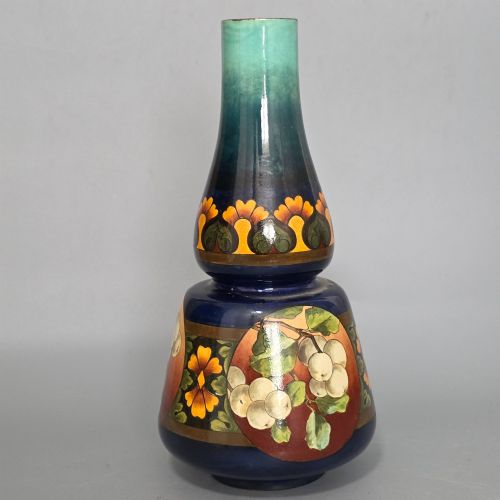
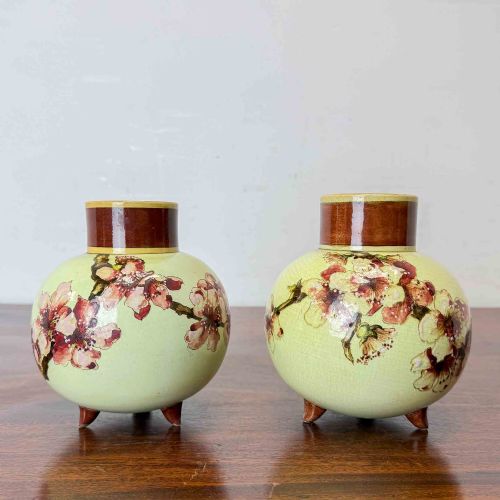
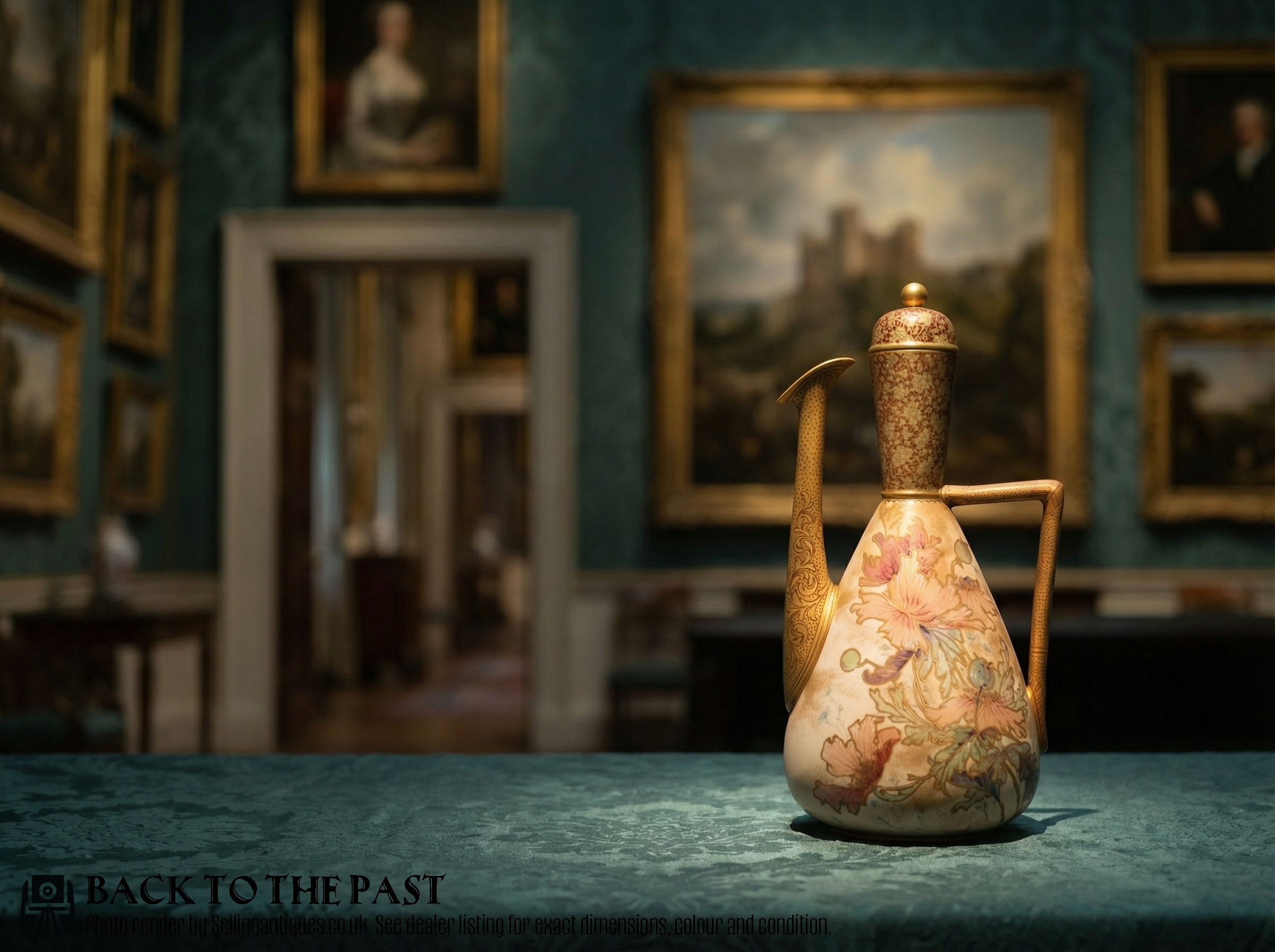
A late victorian floral vase encompasses a variety of ceramic and porcelain vessels created during the final decades of the nineteenth century and the opening of the twentieth. Collectors encounter standard vases alongside beaker-form vessels, ewers, and lidded potpourri sets bearing botanical motifs.
The objects stem from prominent English potteries and continental workshops, reflecting periods such as the Victorian era, the Aesthetic Movement, and Art Nouveau. Production methods range from delicate hand-painted porcelain to robust faience and earthenware bodies.
Most examples feature floral decoration, executed either through careful hand-painting, polychromatic enamel, or moulded relief work. These pieces served as ornamental centrepieces for mantels and tables in period interiors.
Materials and construction
Potters utilised fine porcelain, earthenware, and faience as the primary bodies for these vessels, shaping them on the wheel or casting them in moulds. Artisans applied glazes, slips, and enamel pigments to build up complex surface patterns.
Decoration often involved detailed hand-painting of floral subjects, supplemented by gold leaf, gilding, and raised paste gilding. Specialised techniques such as Slater's patent texturing, cameo glass carving, and cloisonné enamel work appear across the various material types.
Object forms include standard vases, beakers, ewers, lidded potpourri jars, and table lamps decorated with floral motifs.
Judging the execution
The standard of a piece rests upon the precision of the hand-painted botanical details and the depth of the glaze work. Skilled brushwork and balanced compositions distinguish finer studio production from standard commercial output.
Complexity of form and the integration of auxiliary elements, such as pierced gilt handles or moulded dolphin bases, separate standard vessels from more ambitious works. The crispness of transfer printing or enamel application further indicates the level of craftsmanship.
Alice Euphemia Thatcher·Doulton Lambeth·Moser·Ernst Wahliss·Royal Worcester·Baccarat·Burmantofts Faience·Moorcroft Macintyre·Hadley and Sons
The Late Victorian Floral Vase Glossary
- Faience
- Tin-glazed earthenware popular in nineteenth-century art pottery production. It provides an absorbent surface suited to painted floral decoration.
- Blush Ivory
- A specific type of cream-coloured porcelain body developed by Royal Worcester with soft tinted shading. It typically serves as a background for delicate hand-painted floral motifs.
- Intarsio
- A complex underglaze-printed and painted earthenware developed by Doulton Lambeth. It yields rich polychrome finishes resembling inlaid ceramic work.
- Garniture
- A set of three or more matching ornamental vases or pots designed for display together on a mantelpiece. These sets often comprise a central vessel flanked by smaller matching pieces.
- Ewer
- A large jug with a wide spout and shaped handle, originating from washing vessels but produced in this period purely for decorative display.
Late Victorian Floral Vase: Frequently Asked Questions
How do I identify a late nineteenth-century vase?
Examine the base for factory marks, registration numbers, or impressed ciphers associated with British potteries and continental makers. The stylistic indicators, such as Aesthetic Movement geometry or Art Nouveau asymmetry, also point to the period of manufacture.
Material finishes like blush ivory porcelain or faience glazes further anchor the piece within the final decades of the nineteenth century.
Were these vases meant for flowers?
Many of these vessels functioned primarily as decorative ornaments for mantelpieces, pedestals, and tables rather than practical flower holders. Their delicate painted surfaces, gilding, and pierced handles meant owners displayed them empty as works of art.
Forms like lidded potpourri jars and ewers were designed specifically for visual display or scented dried botanical fillings.
What is the difference between porcelain and faience?
Porcelain is a hard, vitrified ceramic body fired at high temperatures, offering a smooth, white surface ideal for fine hand-painted florals. Faience uses an earthenware body covered with an opaque glaze, providing a textured canvas for rich polychrome slip decoration.
Both materials received extensive use by the period's major ceramic factories.
How should I clean my antique ceramic vase?
Dust the surface gently with a soft, dry brush to prevent the accumulation of dirt within painted recesses and raised gilding. Avoid using liquid cleaners, abrasive cloths, or immersion in water, as these can damage delicate enamel work and gold leaf.
Protect the piece from direct sunlight to maintain the vibrancy of the original floral pigments.