
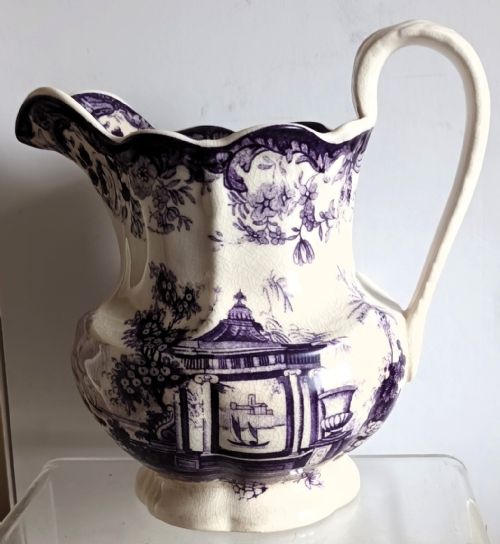


Cream Floral Ceramic Ewer
A cream floral ceramic ewer brings botanical elegance and period craftsmanship to any room, offering the classic charm of late nineteenth and early twentieth century tablewares.
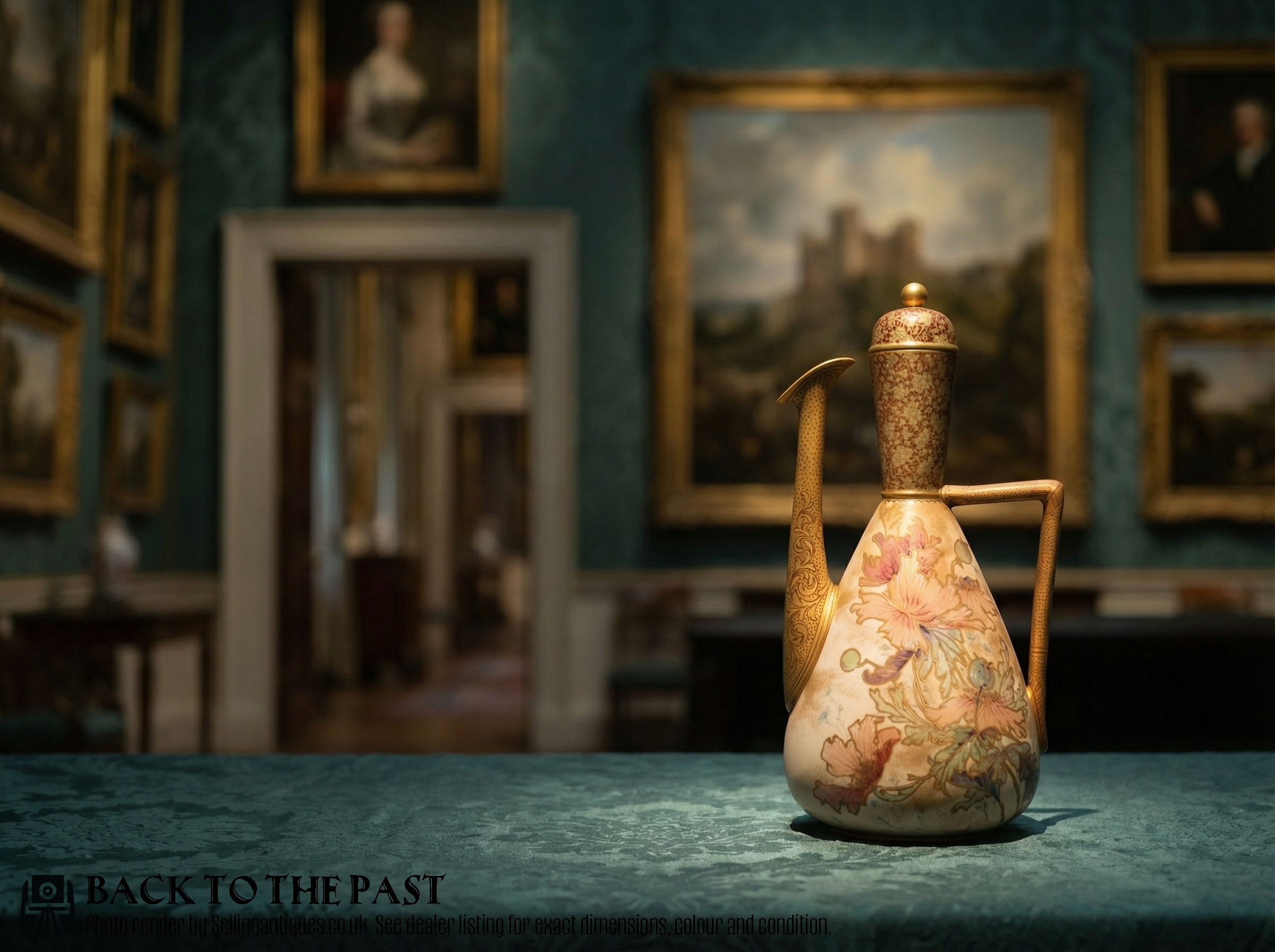
Cream Floral Ceramic Ewer
A cream floral ceramic ewer is a decorative vessel defined by its pale ground, floral decoration, and handled silhouette. Collectors searching this phrase encounter forms ranging from small cream jugs to large exhibition pieces.
The pieces on this page span the Victorian, Edwardian, and Georgian periods, with nineteenth century examples dominating the selection. Makers from these eras utilised earthenware and porcelain bodies decorated with botanical motifs.
Most items take the form of decorative ewers, cleft jugs, or matched jug and bowl sets. These vary from Persian influenced pottery to blush ivory pedestal ewers.
Materials and Techniques
Potters shaped these vessels from porcelain and earthenware before applying smooth glaze layers. Many pieces feature delicate blush ivory surfaces painted with floral sprays.
Gilt accents, gold leaf, and enamel details often highlight the painted blossoms and handle contours. Bronze and cast metal occasionally appear in related decorative mounts.
Listings feature porcelain and earthenware bodies decorated with gold leaf, enamel, and glaze across Victorian and Georgian periods.
Distinguishing Quality
Quality rests in the crispness of the moulded form and the delicacy of the hand-painted floral decoration. Superior examples display precise enamel work and well-preserved gilding.
The distinction between standard domestic cream jugs and grand exhibition ewers lies in the complexity of the shape and the refinement of the ceramic body.
Royal Worcester·John Rose Coalport·Doulton Burslem
The Cream Floral Ceramic Ewer Glossary
- Ewer
- A large jug with a wide spout and a curved handle, traditionally used for holding water or displaying as a decorative object. These vessels often feature pedestal bases and elaborate floral painting.
- Blush Ivory
- A specialised ceramic finish developed in the late nineteenth century that simulates the soft, warm tone of unpolished ivory. It provides a muted background for floral enamel decoration.
- Transfer
- A printing technique used to apply decorative patterns onto ceramic surfaces from an engraved copper plate. This method allowed intricate magenta and polychrome designs to be repeated across jugs and pitchers.
- Cleft Jug
- A ceramic jug featuring an indented or split rim profile that alters the traditional circular opening. This stylistic shaping was popular during the Victorian period.
- Puce Mark
- A factory stamp applied in purple or reddish-brown pigment beneath the glaze to identify the maker and date of production. These marks assist in dating nineteenth century porcelain.
Cream Floral Ceramic Ewer: Frequently Asked Questions
What is a cream floral ceramic ewer?
A cream floral ceramic ewer is a handled pouring vessel featuring a pale glazed body decorated with painted flowers. These pieces date primarily from the nineteenth and early twentieth centuries.
They served both functional and decorative purposes in period interiors, often displayed on mantelpieces or paired with matching basins.
How do I date a ceramic ewer?
Dating relies on factory marks stamped or painted on the base, stylistic indicators like Victorian rococo revival or Edwardian forms, and material types such as blush ivory porcelain.
Comparing the decorative style and glaze composition against known production periods helps narrow down the decade of manufacture.
Were these ewers used for daily serving?
While smaller examples functioned as cream jugs for the table, larger ewers were primarily decorative objects or components of washstand sets.
Their delicate enamel painting and gold leaf details suggest they were intended for display rather than rough daily service.
How should I display an antique ewer?
Antique ewers look best placed on sturdy sideboards, mantelpieces, or within glass cabinets where their painted floral details can be appreciated safely.
Keep them away from direct sunlight to protect enamel colours and gilt highlights from fading over time.