



Hand Painted Botanical Urn
These hand painted botanical urn pieces bring natural flora into interior spaces through carefully decorated ceramic and porcelain forms.
Hand Painted Botanical Urn
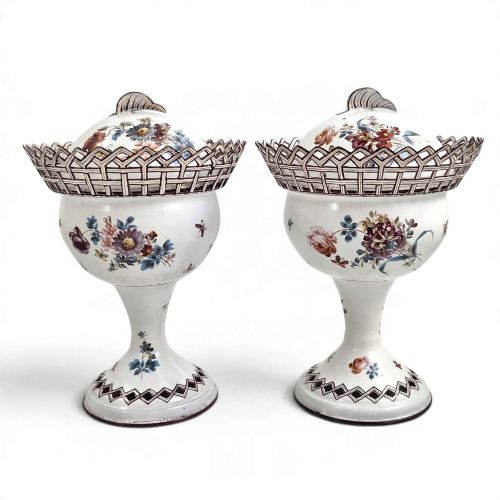
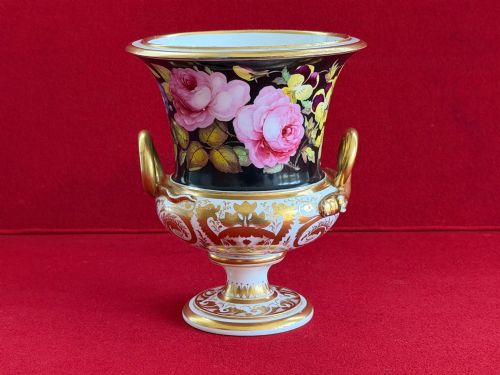
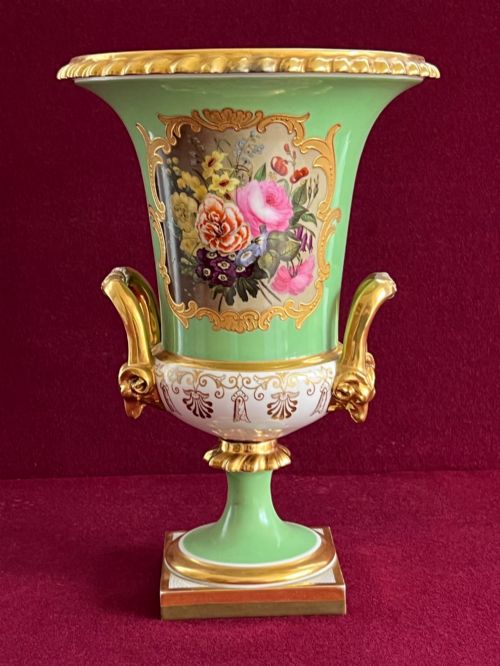
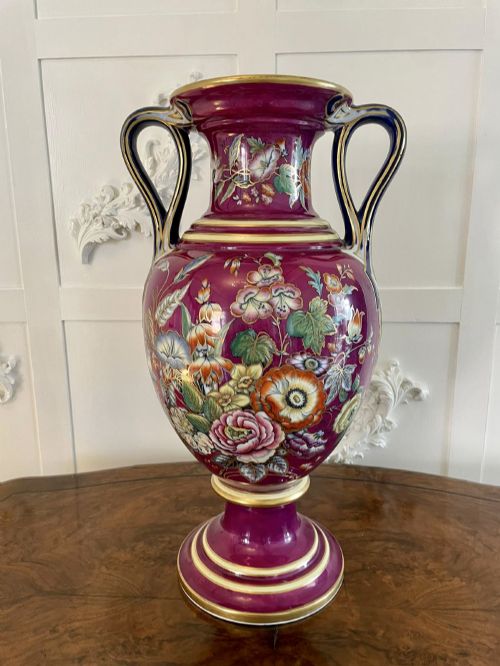
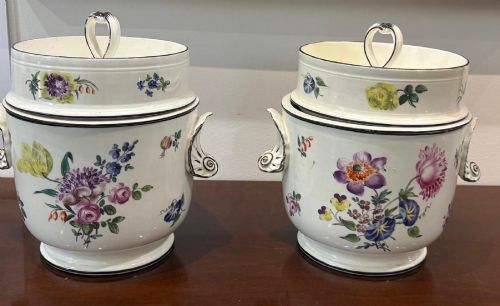
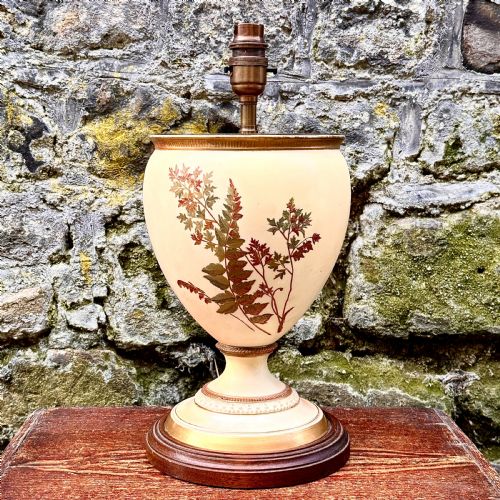
A hand painted botanical urn combines classical vessel shapes with detailed floral artwork across ceramic and porcelain bodies. Buyers searching this phrase encounter nineteenth century vases, ice pails, and lidded pails decorated with plant studies.
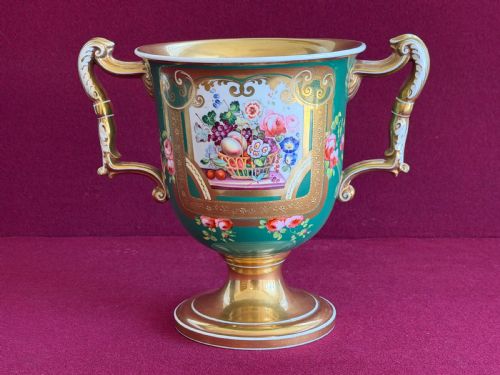
Most examples originate from English potteries dating through the Regency and Victorian periods, alongside continental porcelain works. Forms range from twin handled campana shapes to pedestal ewers and table lamps.
Makers recorded in the evidence span traditional factories producing creamware, bone china, and porcelain decorated with naturalistic flower subjects. These items served both decorative display roles and practical domestic uses like cooling ice or holding water.
Materials and production methods
Potters shaped fine porcelain, creamware, and earthenware on wheels or through mould casting before applying initial glaze firings. Artisans then painted botanical subjects by hand using ceramic pigments that required secondary kiln firings to fuse the colours.
Gold leaf and gilding frequently accent handles, rims, and bases, applied as liquid metal or leaf before final burnishing. Opaque glass and brass also appear in the material record alongside traditional ceramic bodies.
Hand Painted Botanical Urn Retail Price Guide 2026
Typical asking prices for hand painted botanical urn among the pieces listed under this phrase on Sellingantiques today, from the lower quarter to the upper quarter. They describe what is for sale here now, not the wider market.
Some nineteenth century makers sneaked botanical paintings onto ice pails, proving that wealthy diners enjoyed flora alongside chilled refreshment.
Assessing quality in the range
Quality depends upon the precision of the hand painted botanical detail and the crispness of the porcelain or ceramic moulding. Superior pieces display botanical accuracy and delicate brushwork executed by skilled factory artists.
The application of gilding and the preservation of the painted surface over time distinguish finer items from standard production. Intact handles, minimal wear to surface enamels, and well-balanced forms indicate higher standard craftsmanship.
Flight Barr and Barr·Royal Worcester·H and R Daniel·Doulton Lambeth·Spode China·Minton
The Hand Painted Botanical Urn Glossary
- Campana
- A bell shaped vessel form with a flared rim and pedestal foot. This silhouette was particularly popular during the Regency period.
- Creamware
- A light coloured refined earthenware developed in the eighteenth century. It provides a smooth pale ground suitable for painted decoration.
- Ewer
- A large jug with a wide spout and arched handle used historically for pouring water. Victorian examples often function purely as decorative display pieces.
- Porcelaneous
- A ceramic material sharing characteristics with both earthenware and true porcelain. It offers increased durability while retaining a fine white body.
Hand Painted Botanical Urn: Frequently Asked Questions
How do I date an antique botanical vase?
Dating relies on factory marks stamped or painted on the underside, combined with stylistic indicators like neoclassical shapes or Victorian colour palettes.
Material composition also helps narrow the period, as creamware precedes many later nineteenth century porcelain bodies.
Were these painted urns used functionally?
Many pieces served practical household roles such as ice pails, rose water sprinklers, or table lamp bases alongside purely decorative functions.
Over time, many functional vessels transitioned exclusively into display objects due to the delicate nature of their hand painted surfaces.
How should I clean a painted ceramic vase?
Dusting gently with a dry, soft brush is the safest method to protect fragile enamel paints and delicate gilding.
Water and liquid cleaners should be avoided, particularly on antique surfaces where the overglaze decoration can lift or fade.
What is the difference between porcelain and creamware?
Porcelain is a vitrified, translucent ceramic fired at high temperatures, whereas creamware is a refined earthenware with a warm pale glaze.
Creamware offers a more utilitarian historic background, while porcelain provides a finer, whiter canvas for detailed botanical painting.