



Hand Painted Bird Sculpture
A hand painted bird sculpture brings domestic folk art and natural form together, offering carved timber and painted porcelain for the collector.
Hand Painted Bird Sculpture
A hand painted bird sculpture encompasses utilitarian decoys, folk art carvings and porcelain figures from the nineteenth and early twentieth centuries. These pieces reflect regional decorative traditions across English, Scandinavian and European workshops.
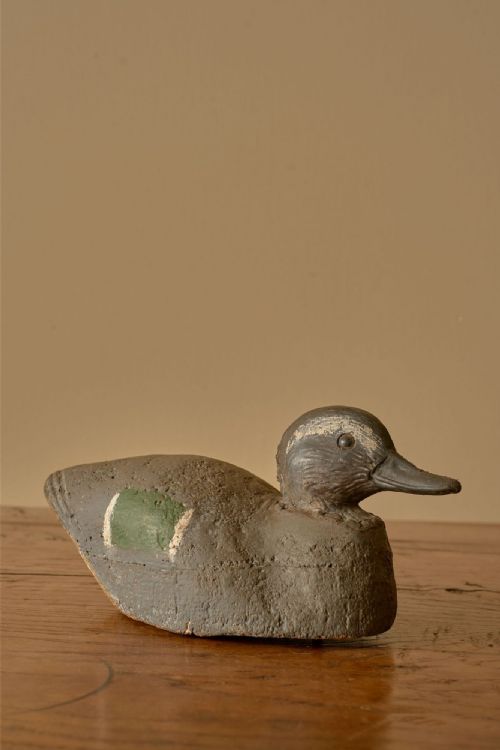
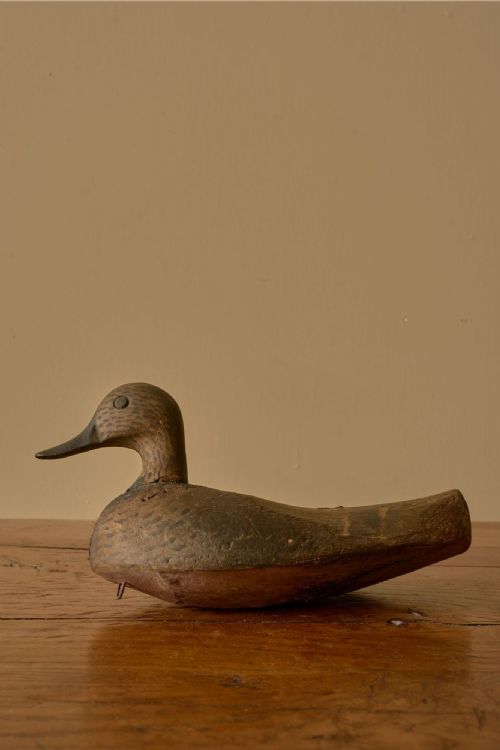
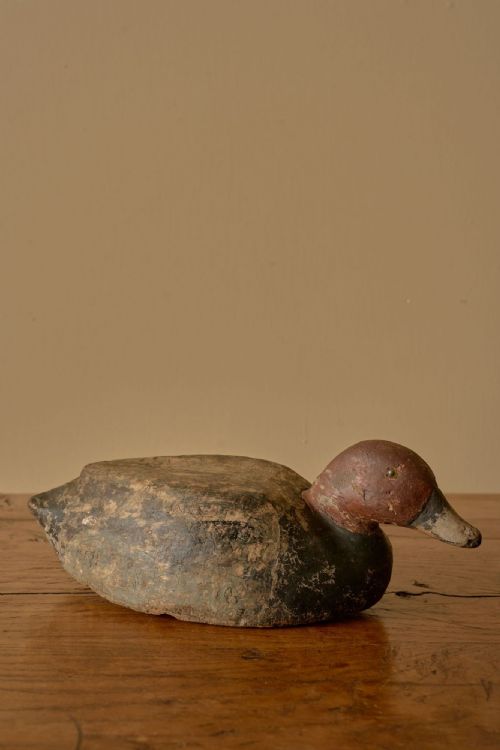
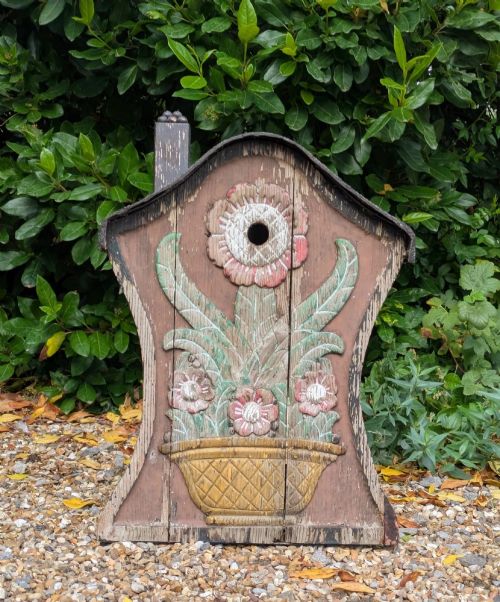
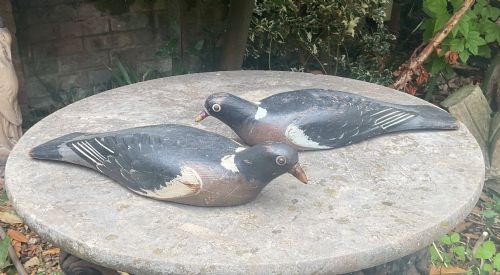
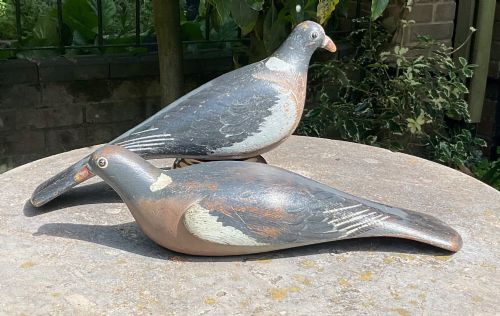
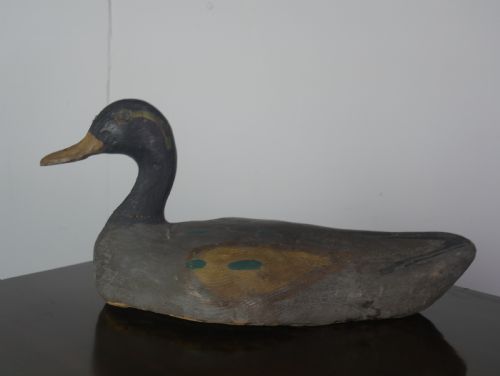
The most frequent examples on this page are wooden decoy ducks, pigeons and geese originating from the Edwardian era and the broader nineteenth century. These working carvings display worn painted surfaces developed through age and practical use.
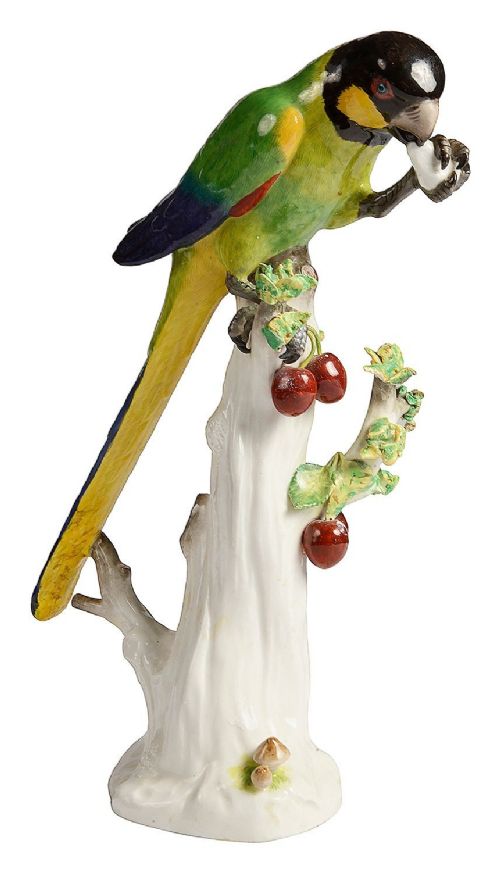
Porcelain figures also appear, taking the form of parrots, hoopoes and pheasants rendered in traditional styles. These ceramic works provide a refined contrast to the rugged charm of vernacular wooden sculpture.
Factors of quality
Quality rests in the expressiveness of the carving and the preservation of the original paint layer. Surface wear that speaks to genuine age distinguishes superior folk art from later reproductions.
In ceramic sculptures, the precision of the hand-painted detailing and the crispness of the porcelain modelling dictate the standing of the piece. Well-defined plumage and balanced glazing separate finer figures from standard production.
Hand Painted Bird Sculpture Retail Price Guide 2026
Typical asking prices for hand painted bird sculpture among the pieces listed under this phrase on Sellingantiques today, from the lower quarter to the upper quarter. They describe what is for sale here now, not the wider market.
Several decoy pigeons show industrious attempts by former owners to convince actual birds to drop by for a chat.
Meissen
The Hand Painted Bird Sculpture Glossary
- Decoy
- A carved and painted representation of a bird, originally used to attract wildfowl. Traditional examples show practical construction marks.
- Folk art
- Utilitarian or decorative objects created within a community tradition rather than academic fine art. These pieces rely on regional styles and local materials.
- Sancai
- A three-colour Chinese glaze technique traditionally utilised on ceramics. It produces overlapping amber, green and cream tones.
- Famille rose
- A palette of opaque rose-pink enamel introduced to Chinese porcelain decoration. It allows for subtle tonal gradations in floral and avian motifs.
Hand Painted Bird Sculpture: Frequently Asked Questions
How do I date wooden carvings?
Dating relies on tool marks, timber types and the characteristics of the paint layers. Nineteenth-century pieces often display hand-hewn surfaces and layered, oxidised pigments.
Edwardian and later examples show shifts in production methods and stylistic conventions. Examining the base and interior construction helps clarify the period.
Where were porcelain birds made?
European porcelain figures often originate from historic factories like Meissen, known for detailed modeling and painted glazes. These works reflect academic sculpture traditions of the nineteenth century.
Asian ceramic sculptures, such as Ming style or famille rose pieces, utilise different glazing traditions. They showcase distinct regional aesthetics and high-temperature firing techniques.
How should I clean painted wood?
Painted wooden sculptures require gentle dusting with a soft, dry brush to protect fragile surfaces. Moisture and harsh cleaning agents can damage historical paint layers.
Keep these pieces away from direct sunlight and stable humidity environments to preserve the timber and pigment. Proper placement prevents warping and flaking over time.