



Hand Knotted Tekke Rug
When you examine a hand knotted tekke rug, you hold a piece of Central Asian tribal weaving defined by precise geometry and rich wool.
Hand Knotted Tekke Rug
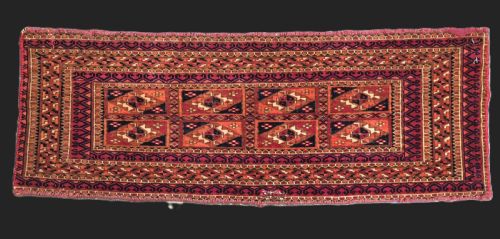
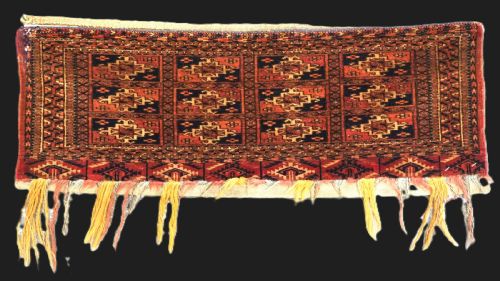
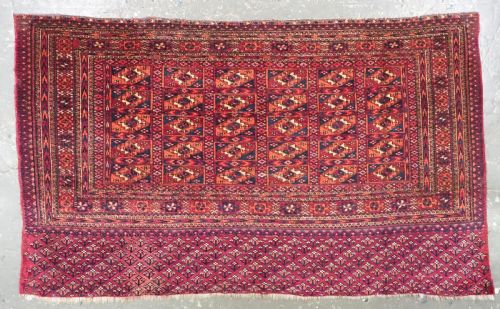
A hand knotted tekke rug represents the traditional textile artistry of the Turkmen people from Central Asia, encompassing floor carpets, dowry rugs, and smaller utility items. The examples gathered here span the nineteenth and early twentieth centuries, displaying the characteristic red and burgundy ground palettes associated with these nomadic groups.
Buyers will encounter various formats on this page, ranging from full main carpets and prayer rugs to smaller domestic pieces like torba faces and chuvals used for tent storage. These pieces showcase traditional design elements including repeating guls, ensi layouts, and specialised border patterns handed down through generations of weavers.
The origin of these textiles lies within tribal communities of the nineteenth century, with many pieces dating from the eighteen-eighties and eighteen-nineties. Collectors seek them for their cultural history, structural integrity, and the distinct visual rhythm generated by their primary design motifs.
Assessing quality and craftsmanship
Knot density and structural tightness set the finest examples apart from standard utility weaving, with exceptionally fine specimens displaying meticulous precision in every medallion and border. The complexity of the gul arrangement and the presence of scarce design variations, such as ovoid or aina motifs, also elevate a piece.
The clarity and saturation of natural dye colours contribute significantly to the visual impact, alongside the overall preservation of the pile and original edges. Complete pieces retaining their plain weave backs or original fringe areas hold distinct significance for collectors compared to fragmented examples.
Listings span the nineteenth and early twentieth centuries, featuring wool, cotton, and natural dye materials configured in tribal rug and textile formats.
The Hand Knotted Tekke Rug Glossary
- Gul
- The primary octagonal medallion motif repeated across Turkmen carpets and bag faces. These geometric emblems often identify the specific tribal group or sub-tribe that created the textile.
- Torba
- A small storage bag produced by nomadic weavers for use inside a yurt or tent. They typically feature an elaborately decorated face with a plain flatweave back.
- Chuval
- A large storage sack utilised for bedding and household goods within traditional Turkmen dwellings. Surviving examples frequently circulate as decorative face fragments.
- Ensi
- A specialised carpet format functioning as a tent door hanging. They display a characteristic cross-panel design dividing the field into four distinct sections.
- Elem
- The decorated lower panel situated at the base of a rug or tent hanging. This area often incorporates floral or tree motifs distinct from the primary field pattern.
Hand Knotted Tekke Rug: Frequently Asked Questions
How were these rugs used?
Nomadic families utilised these textiles for practical storage, tent door coverings, and domestic flooring within traditional dwellings.
Dowry rugs and specialised bags held significant cultural value during marriage ceremonies and daily tribal life.
What is a gul design?
The gul is an octagonal medallion motif that forms the visual foundation of traditional Turkmen textile design.
Different tribal groups utilised distinct gul variations to signify their specific heritage and weaving lineage.
How do I care for antique wool?
Protect antique wool textiles from direct sunlight and excessive moisture to preserve the natural dyed tones.
Gentle vacuuming without a rotating brush helps maintain the pile without damaging the historical foundation.