

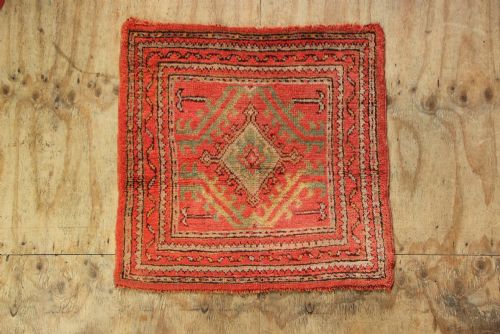
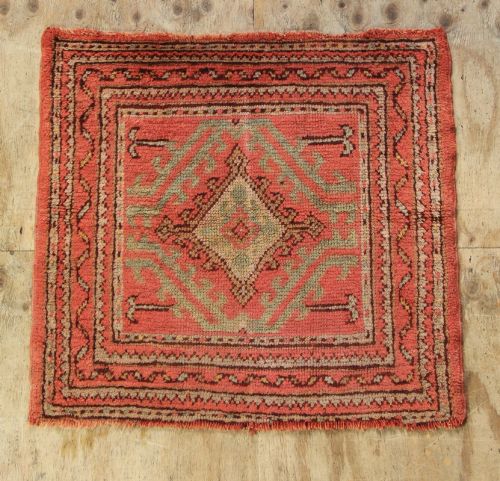


Hand Knotted Oushak Carpet
A hand knotted oushak carpet brings muted natural tones and large-scale geometric floral motifs to a room, grounding an interior with genuine nineteenth or early twentieth-century Anatolian warmth.
Hand Knotted Oushak Carpet
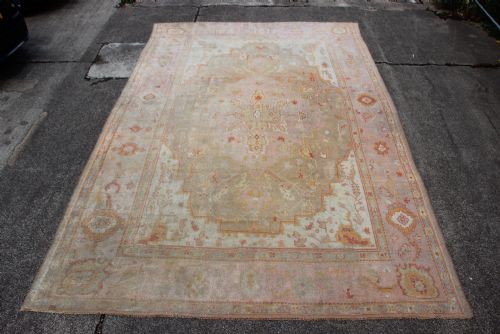
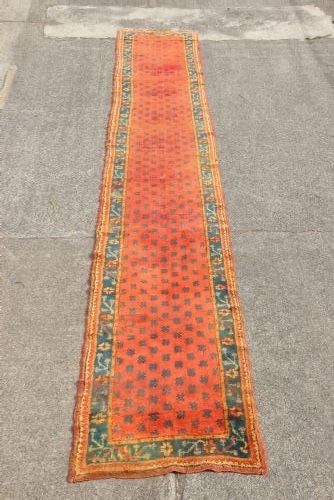
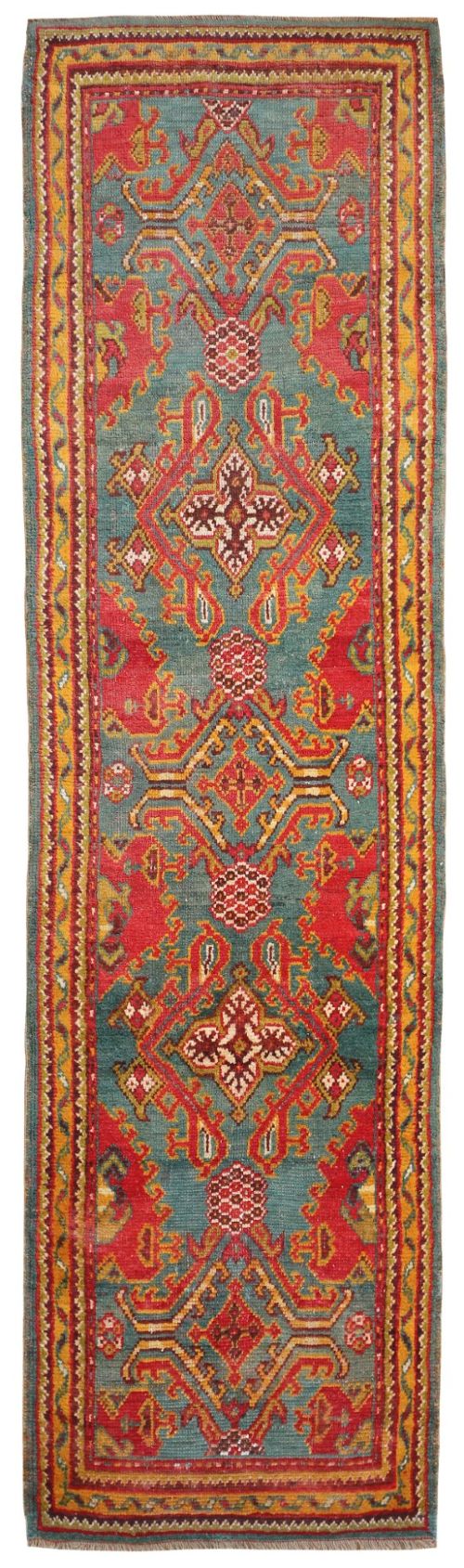
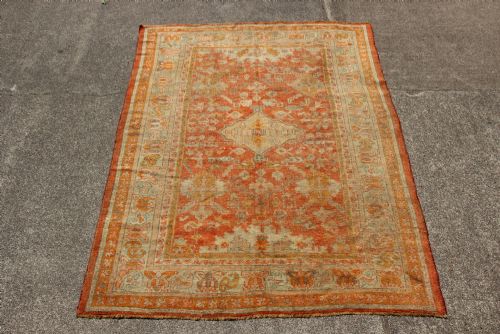
When you examine a hand knotted oushak carpet, you are looking at floor coverings originating from western Turkey, specifically the town of Usak and its surrounding region. The pieces listed here span from the late Victorian era through the early twentieth century, encompassing dates from 1870 to 1920. Buyers encounter various formats, ranging from large square carpets and expansive floor pieces to long, narrow runners designed for hallways.
The aesthetic of these textiles relies on traditional Turkish, Ottoman, and Anatolian design vocabularies. Many examples present pale grounds, including beige, faded blue, and scarce pink or green fields, often decorated with distinctive willow tree designs or geometric medallions. The forms available on this page include standard area rugs, mats, runners, and oversized carpets suited to substantial spaces.
Materials and construction
Weaving traditions in this region utilise wool and cotton as the primary foundations for these textiles. Spinners and weavers employed hand knotting techniques, sometimes incorporating soft angora wool to impart a distinct handle and texture to the pile. Cotton typically forms the warp and weft threads, providing structural stability beneath the wool surface.
The construction method relies on upright looms where individual knots are tied by hand onto the cotton foundation before being sheared to an even pile. Natural dye materials interact with the wool and cotton fibres, creating the characteristic pale, faded, and mellowed coloration seen across nineteenth-century examples.
Listings incorporate regional attributions including Kula and Ghiordes alongside standard Turkish and Anatolian designations.
Distinctions in standard
The gradation between standard examples and superior pieces rests on the complexity and clarity of the design work, alongside the fineness of the knotting. Better pieces exhibit careful proportioning in the borders and central motifs, demonstrating a high degree of weaver control over large-scale geometric compositions.
Material selection also dictates overall quality, with finer wool grades and specific fibre combinations yielding a more resilient and tactile pile. The integrity of the cotton foundation and the preservation of the original hand-knotted edges further separate well-preserved historical specimens from heavily altered ones.
The Hand Knotted Oushak Carpet Glossary
- Oushak
- A traditional style of carpet originating from the town of Usak in western Turkey, known for its expansive scale and muted palette. These rugs often employ softer, vegetable-derived dyes rather than harsh synthetic colours.
- Ghiordes knot
- A symmetrical knotting technique commonly utilised by Turkish weavers to secure wool pile to the cotton warp threads. This knot provides structural durability and allows for distinct geometric pattern definition.
- Warp
- The vertical threads stretched lengthwise on the loom that form the skeletal structure of the carpet. Cotton is the standard material used for these foundational tension lines.
- Weft
- The horizontal threads passed back and forth between the warp threads to bind the knots in place. Together with the warp, they create the sturdy foundation grid of the textile.
- Angora wool
- A soft fibre derived from specific regional goats, occasionally utilised in the pile of select nineteenth-century pieces to impart a silkier handle. It modifies the tactile quality of the surface considerably.
Hand Knotted Oushak Carpet: Frequently Asked Questions
How do I clean an antique oushak carpet?
Maintenance requires gentle surface cleaning and professional specialist washing rather than standard domestic methods. Regular light vacuuming without a rotating beater bar prevents dust accumulation in the wool pile.
Harsh chemical agents and excessive moisture damage natural dyes and cotton foundations. Specialist textile conservators should handle deep washing and repairs to preserve the integrity of the hand-knotted structure.
Are these rugs suitable for high-traffic hallways?
Long narrow runners and sturdy wool carpets tolerate moderate foot traffic when placed over a quality underlay. The durable hand-knotted construction distributes weight evenly across the cotton and wool foundation.
Placing supportive padding underneath prevents sliding and cushions the fibres against abrasive floor surfaces. Regular rotation ensures even wear patterns develop across the length of the runner.
What causes the pale colours in these rugs?
Natural ageing processes and historical vegetable dye formulations create the characteristic faded aesthetic. Exposure to sunlight over decades mellows primary tones into soft beige, muted blue, and gentle pink shades.
Weavers also occasionally utilised specific mineral or plant-based mordants that reacted with wool to yield understated hues. This intentional or time-softened palette remains a defining characteristic of the period.
How can I tell a nineteenth-century piece apart?
Dating relies on observing structural characteristics, wool consistency, and natural dye behaviour unique to the 1870 to 1920 timeframe. Earlier examples frequently display looser knot counts and specific Ottoman design influences distinct from later commercial production.
Examinations of the selvedges, end finishes, and backside wear patterns reveal the age of the foundation materials. Comparing knot density and wool texture against documented regional standards helps confirm the era of manufacture.