


Anatolian Wool Area Rug
An anatolian wool area rug brings centuries of weaving heritage directly to the floor, offering heavy texture and geometric motifs that anchor a room.
Anatolian Wool Area Rug
An anatolian wool area rug is a floor covering originating from Turkey, encompassing village productions, tribal pieces, and larger city carpets from various districts.
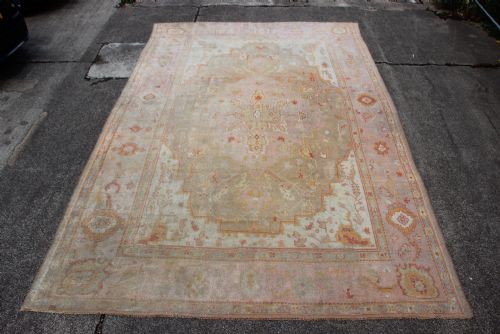
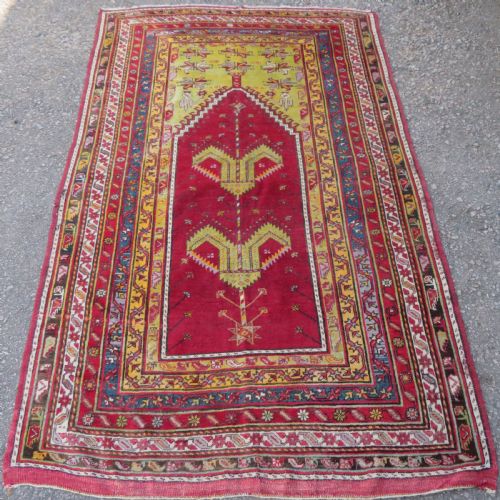
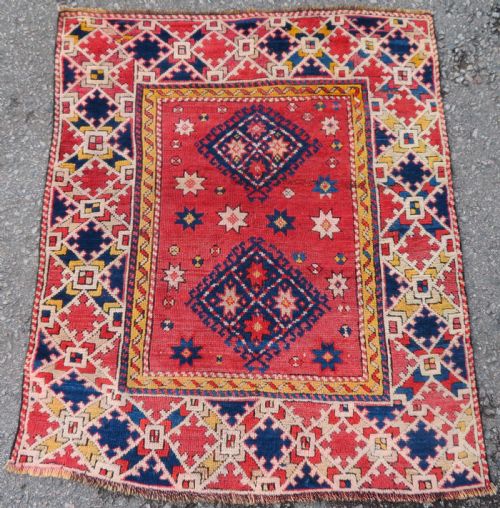
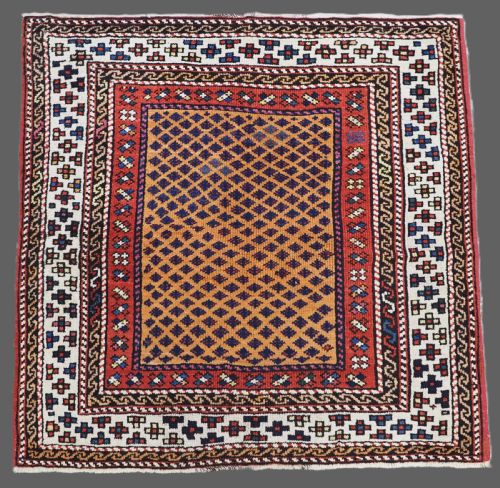
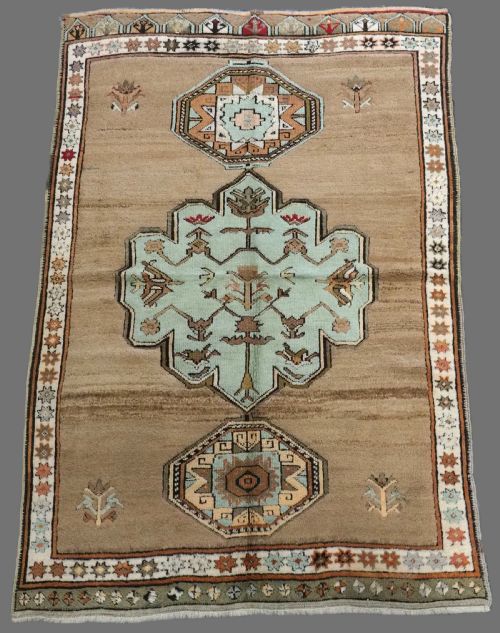
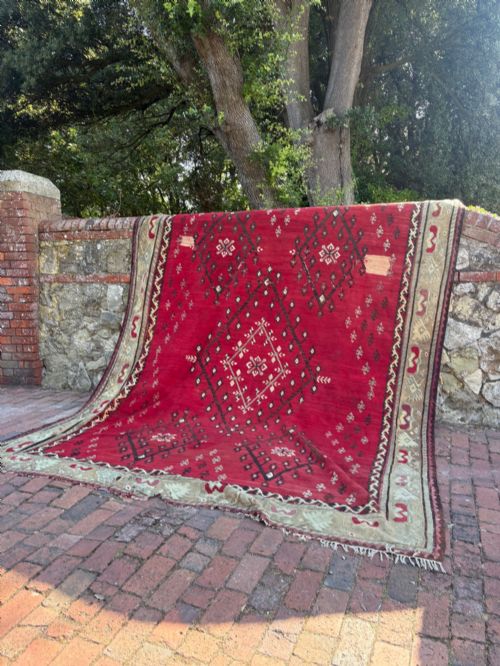
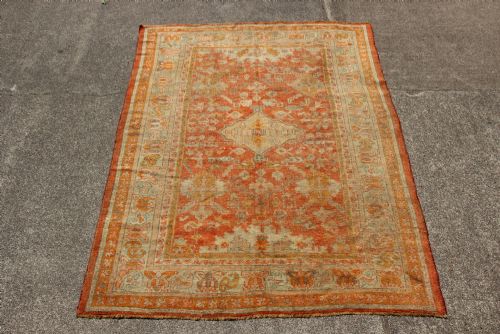
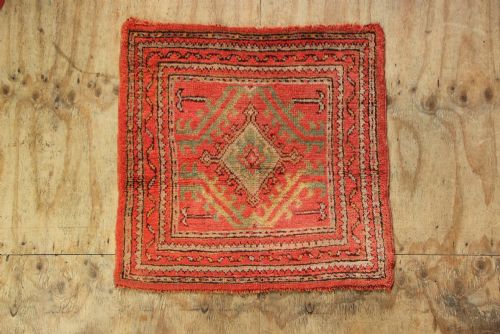
The selections available here span from large pale carpets to small square sizes and prayer rugs, representing traditions across the nineteenth and early twentieth centuries.
Makers produced these textiles in diverse formats including flatweave kilims, runners, and piled carpets featuring regional designs such as lattice patterns and prayer niches.
How they were made
Weavers constructed these pieces utilising wool, hand-spun wool, and occasionally camel wool pile set against cotton foundations.
Traditional methods combined hand-knotting and flatweaving techniques to create durable textiles with distinctive regional structures and textures.
Current listings feature pieces spanning the 1860s to the 1930s, utilising wool, cotton, and camel wool in regional styles like Oushak, Bergama, and Kirsehir.
What varies in quality
Quality differences emerge in the fineness of the wool preparation and the precision of the woven motifs across different tribal and village workshops.
The depth of the colour palette and the integrity of the structural weave distinguish simpler village pieces from grander town carpets.
The Anatolian Wool Area Rug Glossary
- Kilim
- A flatweave carpet produced without a pile, utilising slit-weave techniques to create sharp geometric patterns. These lighter textiles served various domestic functions.
- Prayer rug
- A rug featuring a mihrab or niche design intended to indicate the direction of prayer. These pieces often display specific architectural motifs unique to districts like Kirsehir or Ghiordes.
- Oushak
- A significant weaving centre known for producing large carpets with pale grounds and organic floral or medallion designs. These items frequently utilise softer pastel colour palettes.
- Warp
- The vertical threads stretched tightly on the loom before weaving begins, forming the foundational skeleton of the rug. The exposed warps often show distinctive fringe finishes at either end.
Anatolian Wool Area Rug: Frequently Asked Questions
How do I clean an old wool rug?
Gentle surface brushing and periodic professional dusting remove loose dirt without harming the delicate old fibres. Avoid harsh chemical immersion.
Keep these textiles away from direct, strong sunlight to preserve the natural dyed hues over decades of use.
Can I place these rugs in heavy traffic areas?
Sturdy wool construction handles normal foot traffic well, provided the piece retains sufficient structural integrity in the foundation.
Using an appropriate underlay helps reduce friction against hard floors and prevents slipping.
What defines an Oushak carpet?
Oushak carpets typically display softer colourations, larger scale floral patterns, and looser knotting compared to tighter Persian counterparts.
They originated in western Anatolia and remain popular for complementing both traditional and modern interiors.
How do I identify a prayer rug?
Prayer rugs usually feature a distinct pointed arch or niche motif at one end, known as the mihrab.
This design guided the user during daily devotions and distinguishes them from standard area rugs.