




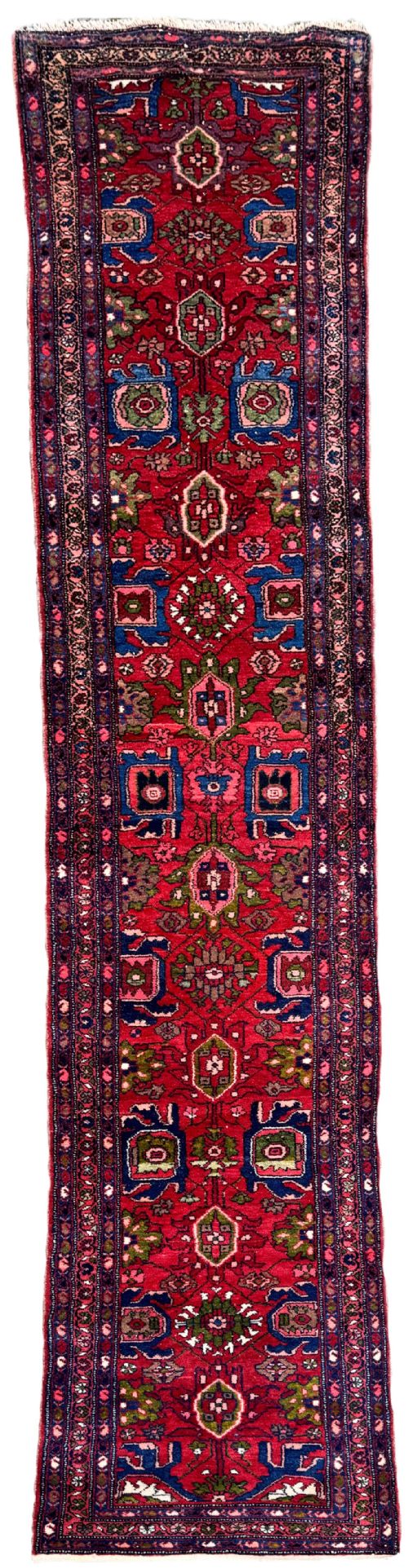
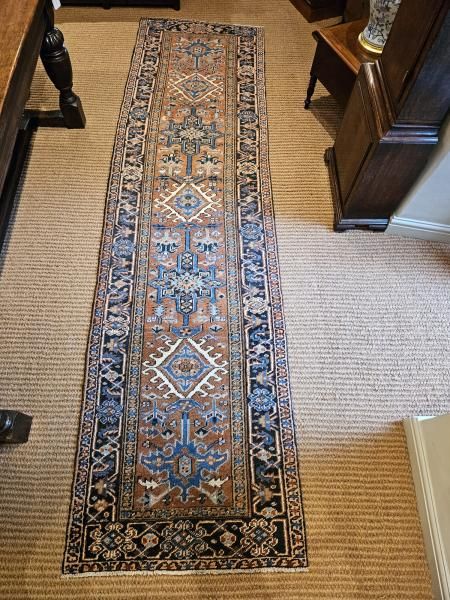
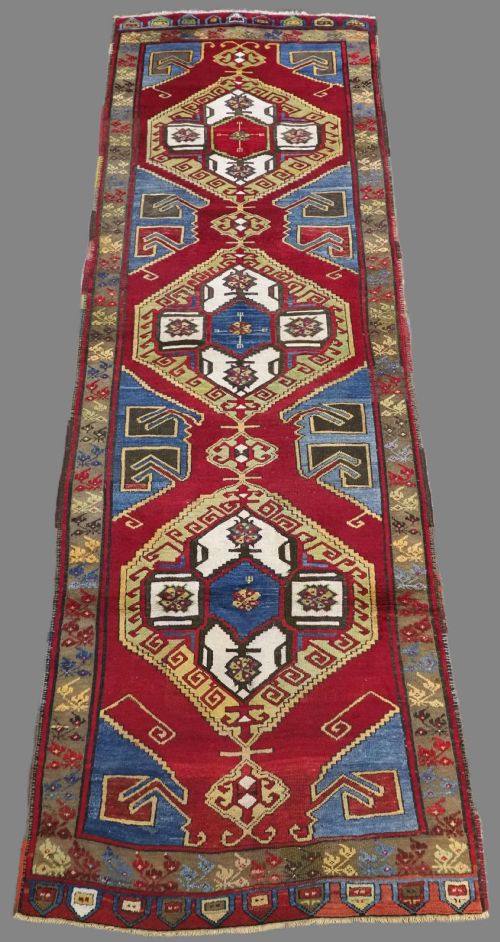
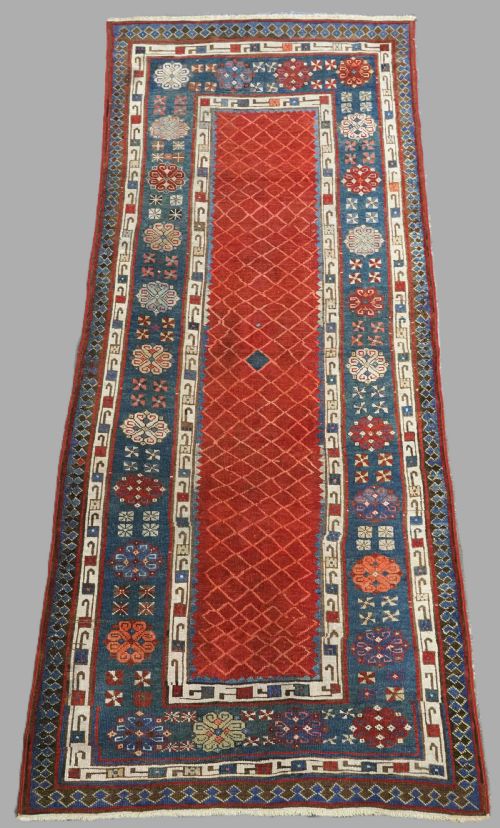
Hand Knotted Long Rug
When you need a hand knotted long rug, you are looking at narrow, room-spanning textiles that anchor hallways and galleries with historic character.
Hand Knotted Long Rug
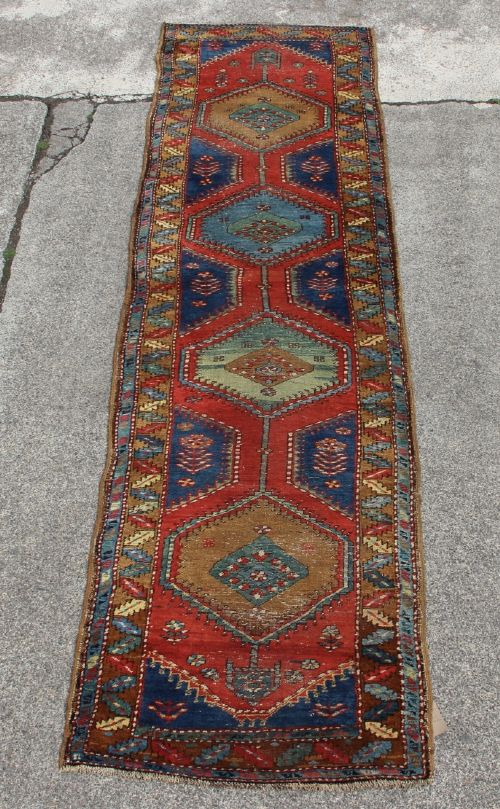
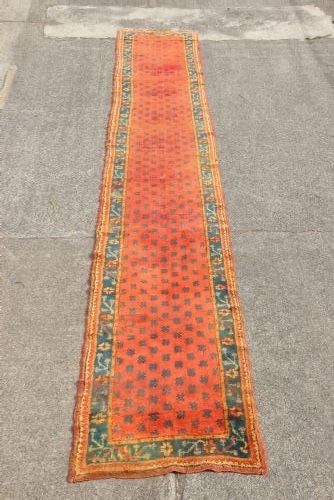
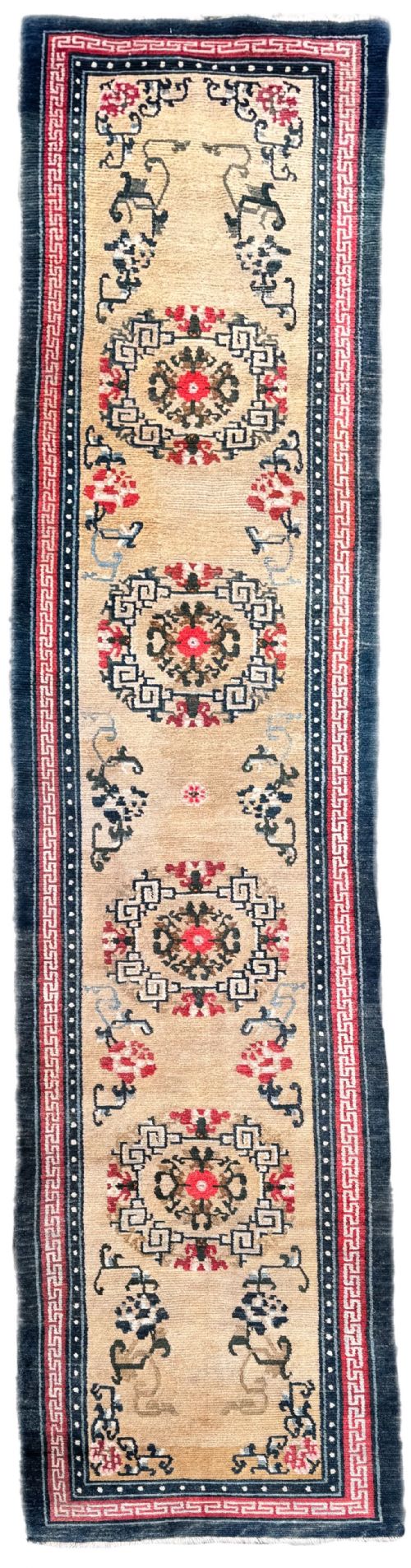
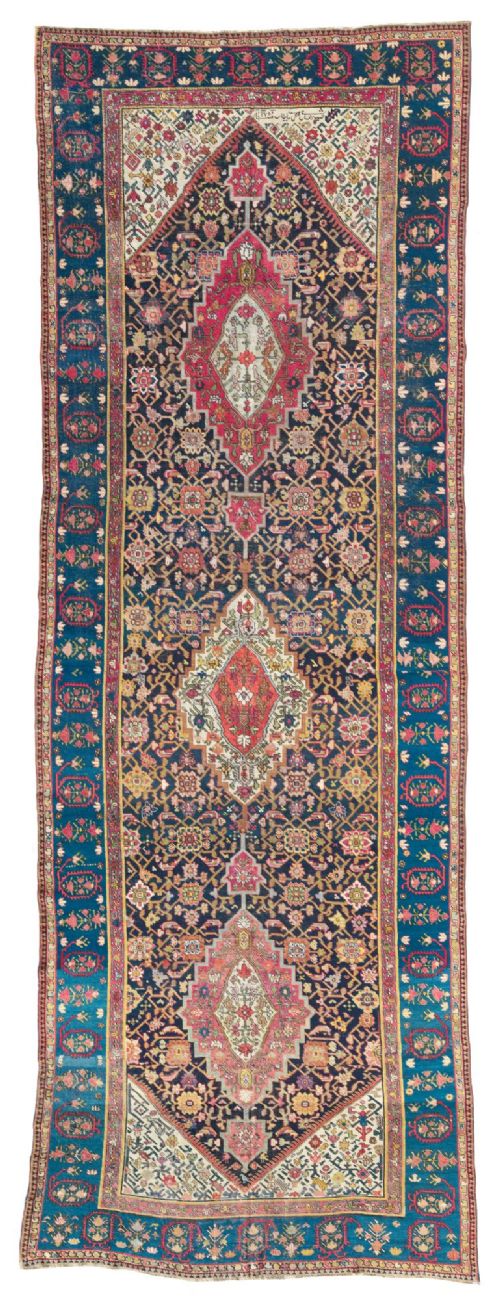
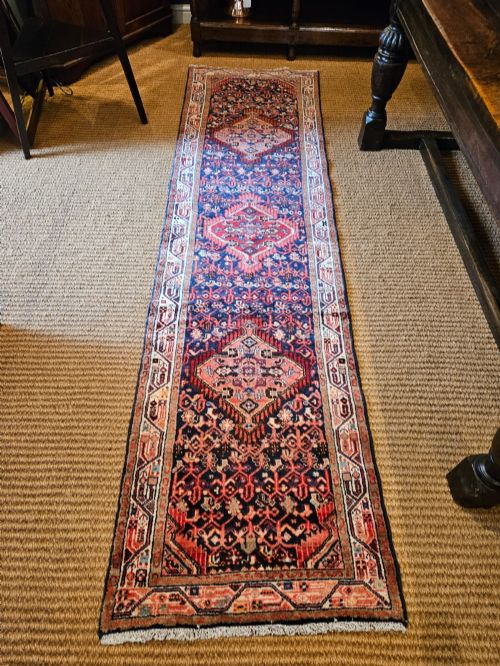
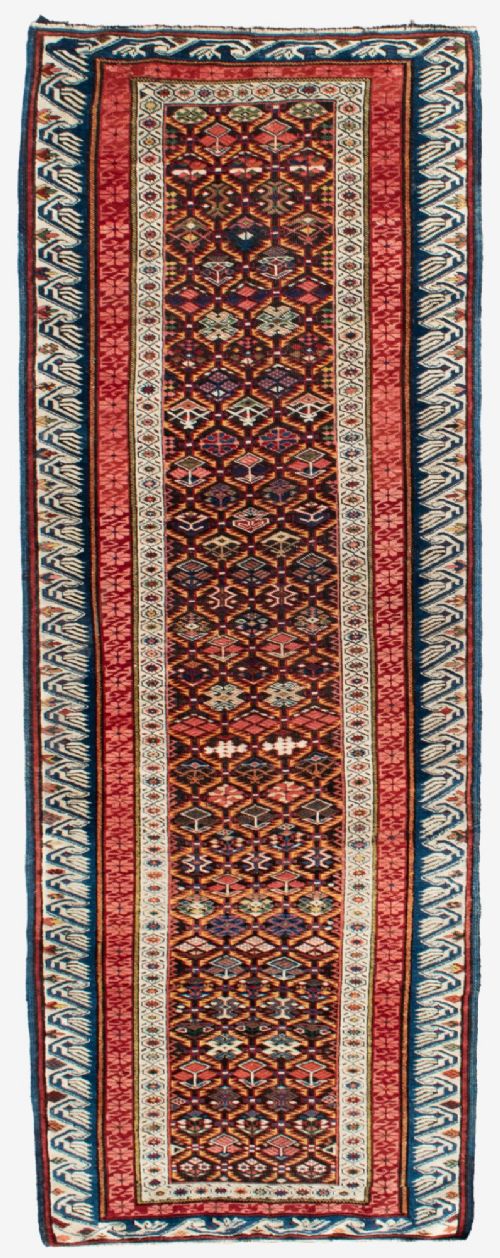
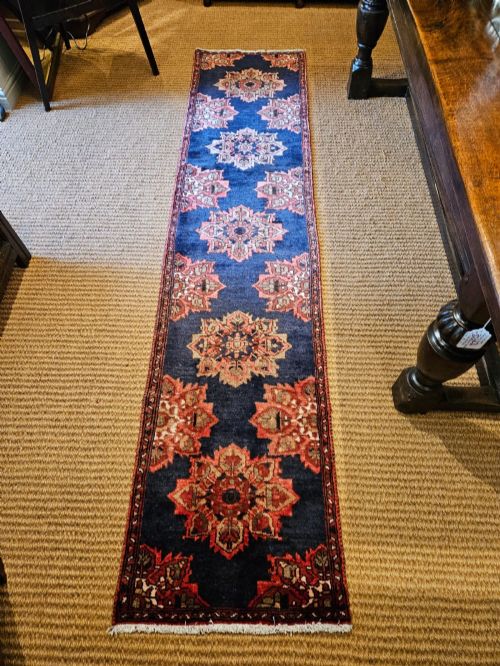
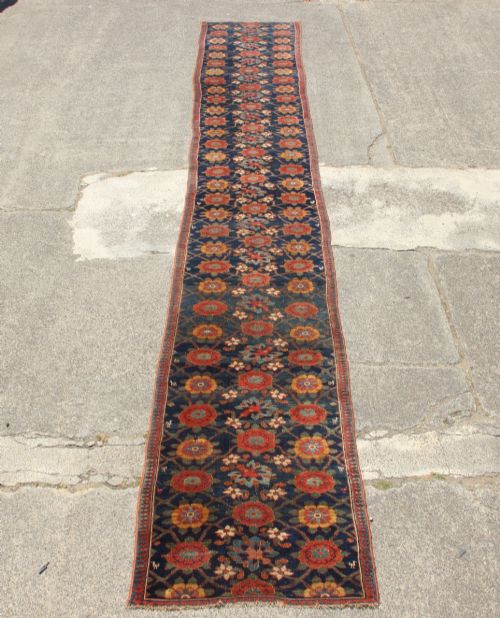
A hand knotted long rug bridges the gap between narrow corridor runners and expansive floor coverings, appearing in formats like lengthy Persian Heriz runners, Turkish Oushak carpets, and Caucasian tribal pieces. These textiles date predominantly from the late nineteenth century into the early decades of the twentieth century, bringing elongated proportions designed specifically for halls, landings, and large rooms.
Buyers seeking a hand knotted long rug encounter diverse regional weaving traditions, including Kurdish, Anatolian, and Northwest Persian workshops. The formats vary from tightly proportioned Kurdish long rugs to expansive Kelleh carpets and slender thirty-two-foot hall runners.
Materials and Construction
The construction relies on durable natural fibres, utilising wool, hand-spun wool, and cotton foundations that withstand generations of foot traffic. Artisans tied individual knots by hand onto warp and weft threads, creating dense piles that preserve intricate geometric, lattice, and tribal designs.
Weavers employed traditional dyeing methods using local plant and mineral sources, resulting in saturated navy blues, earthy reds, and complex polychrome patterns that develop a soft patina over decades of use.
Materials recorded across the selection include pure wool, cotton foundations, and textured hand-spun wool fibres.
Assessing Quality and Execution
Quality in these textiles rests upon the density of the knotting and the precision of the geometric or floral layout. Finer knot counts allow complex motifs like the Mina Khani or turreted gul designs to render with sharp clarity.
The choice of materials dictates the handle and resilience, with hand-spun wool offering a greater depth of texture and flexibility compared to standard commercial yarns. Well-preserved pile height and even structural edges separate superior room-length examples from heavily worn specimens.
The Hand Knotted Long Rug Glossary
- Runner
- A long, narrow carpet format traditionally utilised for corridors, staircases, and hallways. These pieces balance architectural length with manageable width.
- Kelleh
- A large, room-sized carpet format that is noticeably longer than it is wide, bridging standard rugs and full-scale room carpets.
- Gul
- A medallion or repeating octagonal motif frequently found in tribal and oriental weaving traditions, particularly associated with Turkmen and Anatolian pieces.
- Mina Khani
- A repeating pattern featuring geometric flowers connected by a lattice grid, common in classical Persian and Kurdish designs.
- Warp
- The vertical foundation threads stretched tightly on the loom before knotting begins, providing the structural skeleton of the textile.
Hand Knotted Long Rug: Frequently Asked Questions
Where should I place a long rug?
These narrow textiles suit high-traffic circulation spaces such as long hallways, grand entryways, and wide corridor landings. Their elongated proportions also anchor narrow living spaces or define pathways through larger open-plan rooms.
Positioning a runner away from direct, unbroken sunlight helps preserve the natural dyes used in older wool compositions. Adding a quality underlay beneath the textile prevents slipping and cushions the foundation against hard flooring.
How do I identify a tribal rug?
Tribal carpets display characteristic geometric motifs, stylized animal forms, and repeating memory patterns rather than refined court designs. These pieces often feature asymmetrical colour variations and straightforward village or nomadic aesthetics.
Weavers working in regional communities utilised local materials like hand-spun wool without rigid preliminary cartoons, resulting in charming irregularities. Examining the foundation and knot structure reveals the non-commercial origins of these historical floor coverings.
Are these rugs suitable for daily use?
The durable wool construction and dense hand-knotted pile of antique runners make them robust enough for everyday living areas. Their historical resilience means they withstand regular foot traffic while maintaining their structural integrity.
Routine care involves gentle vacuuming without a rotating brush roll to protect the wool pile and fringe ends. Professional washing every few years removes embedded grit and revives the lustre of the natural fibres.
How do I date an older rug?
Dating relies on analyzing the design vocabulary, structural materials, and particular regional weaving characteristics. Subtle shifts in palette, such as the introduction of early synthetic tones alongside traditional natural dyes, help narrow down the period of manufacture.
Secondary wool quality, knot tightness, and edge finish further assist in placing a piece within the nineteenth or early twentieth century. Comparing construction traits with documented examples from specific origins clarifies the likely age.