

Hand Enamelled Ceramics
Hand enamelled ceramics bring together the tactile weight of porcelain and earthenware with pigments fixed by fire.
Hand Enamelled Ceramics
When you search for hand enamelled ceramics, you encounter vessels and figures shaped from porcelain or earthenware and decorated with coloured pigments. These pieces cross several centuries and several continents, moving from eighteenth-century English factories to nineteenth-century Japanese kilns and Chinese imperial workshops.
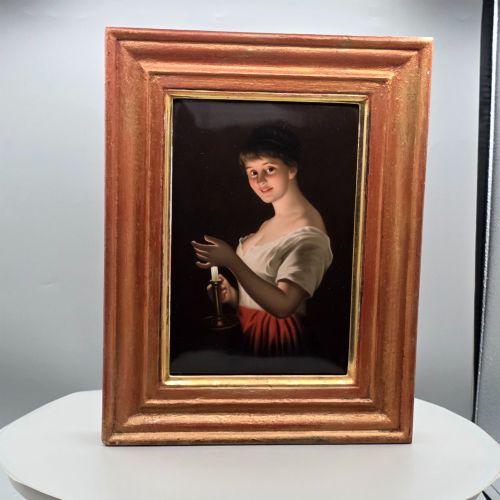
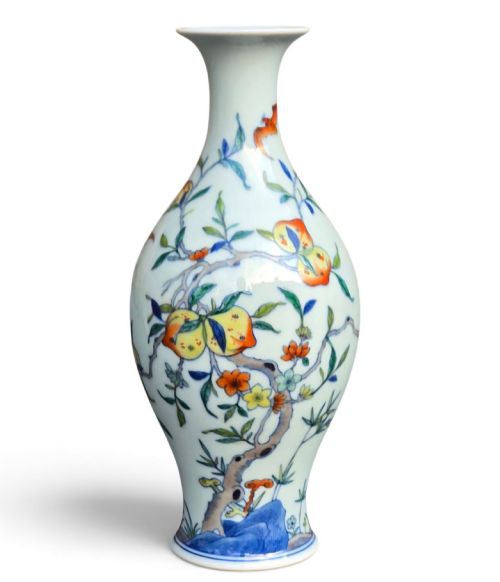
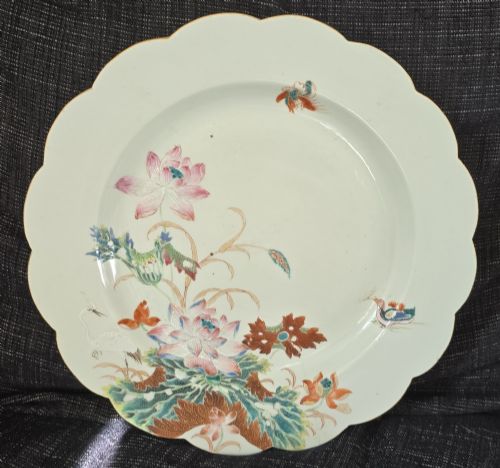
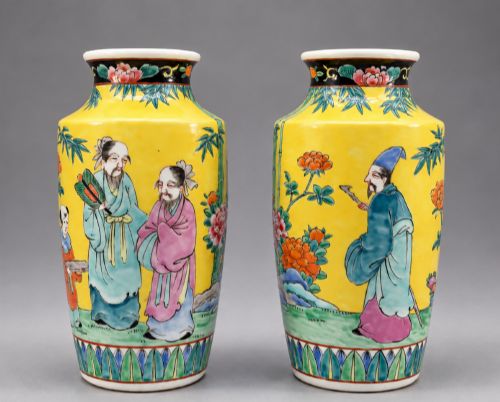
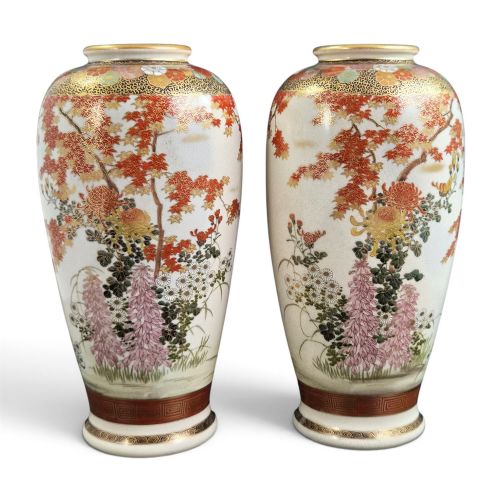
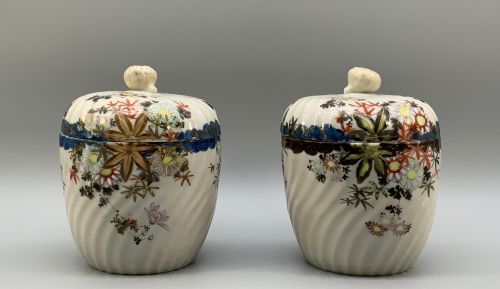
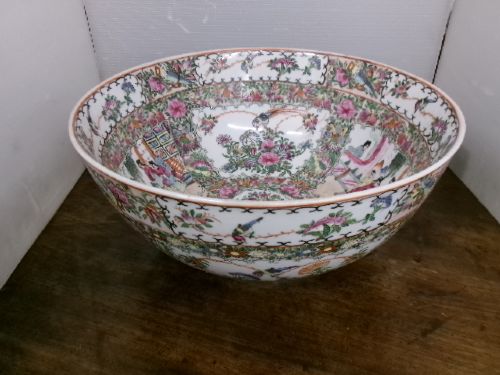
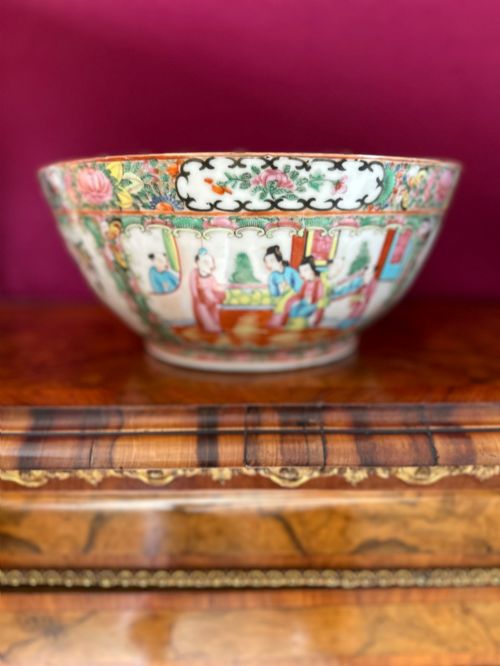
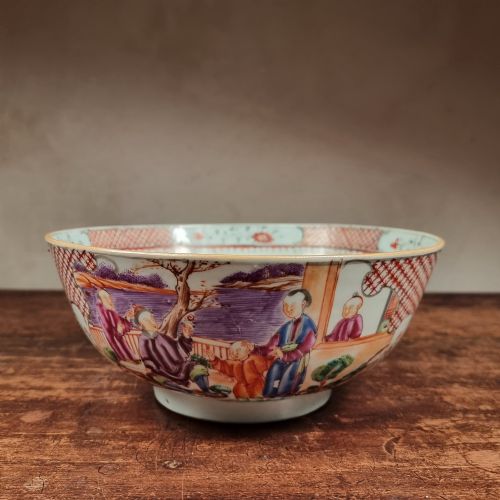
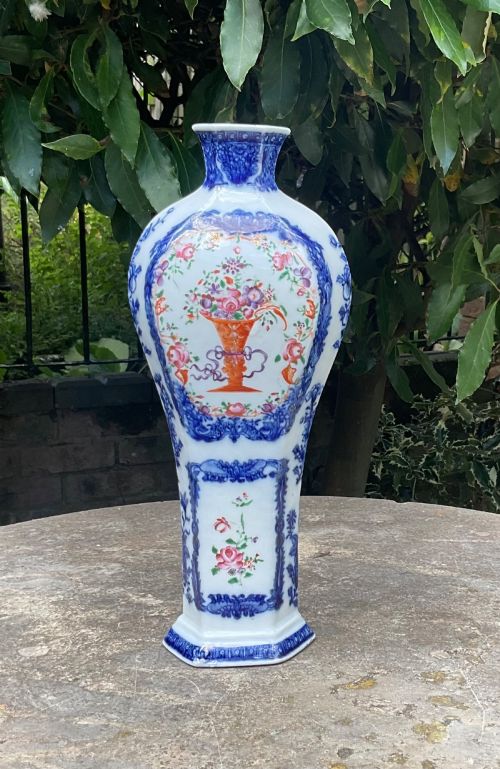
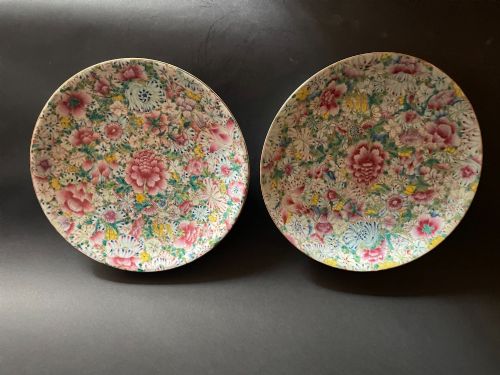
The objects on this page include vases, ginger jars, decorative bowls, dishes, and figurines. Chinese Canton and Famille Rose pieces from the eighteenth and nineteenth centuries appear frequently, alongside Japanese Satsuma and Kutani wares from the Meiji period.
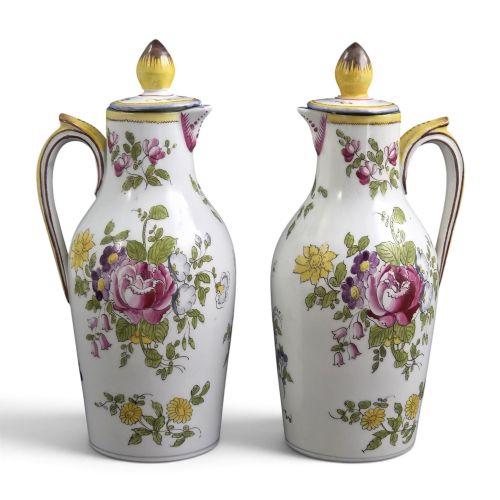
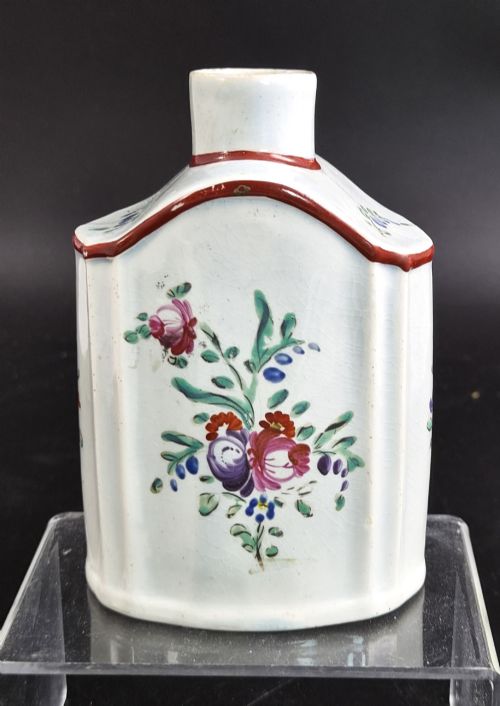
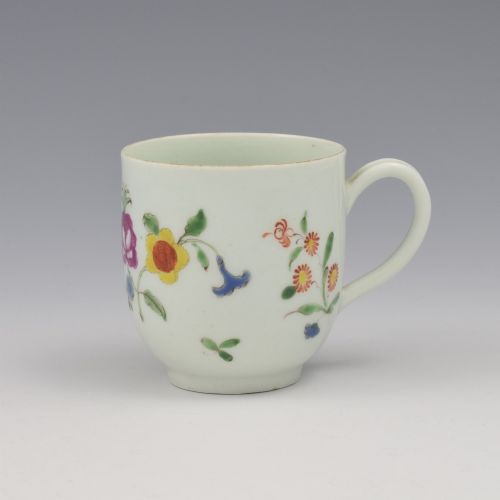
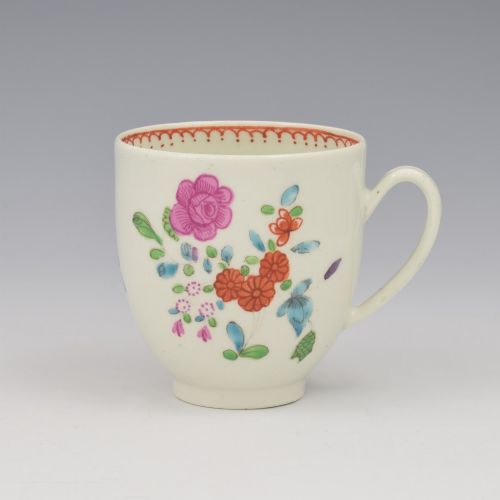
European examples from English potteries and French manufacturers also feature among the listings. These works range from small patch boxes and coffee cups to large charger plates and jardinières.
How they were made
Makers applied enamel colours over a fired glaze or directly to the ceramic body before a secondary low-temperature firing fused the pigments to the surface. Some pieces incorporate gold leaf or gilt detailing alongside the polychrome paints to accent specific motifs.
Chinese and Japanese works rely on brushwork that builds layers of opaque and translucent enamel over porcelain or earthenware bodies. European factories such as Worcester, Bow, and Sevres developed their own palettes of enamel glazes on soft-paste and hard-paste porcelain.
Parrots, gods of longevity, and goddesses of mercy all share shelf space with ordinary tea cups.
What varies in quality
The skill of the painter determines the precision of the botanical, figurative, or avian motifs rendered across the surface. Finer pieces demonstrate control in the brushstrokes and a harmonious balance of the enamel palette.
The clarity of the porcelain body and the crispness of the underglaze or overglaze details separate standard production from exceptional examples. Potteries with imperial marks or named artists command attention for the execution of their decorative schemes.
Richard Chaffers·John Bevington·Kozan·Minton
The Hand Enamelled Ceramics Glossary
- Famille Rose
- A palette of Chinese ceramic enamels dominated by opaque pink or rose colours, introduced during the Qing dynasty. This grouping includes numerous shades achieved through colloidal gold.
- Satsuma
- Japanese earthenware pottery featuring a ivory-coloured cracked glaze decorated with polychrome enamels and gilt. Much of this ware was produced for export during the Meiji period.
- Overglaze Enamel
- Pigments applied to a ceramic piece after the initial glaze firing, requiring an additional low kiln firing to fix the colours. This technique permits a wide spectrum of bright hues.
- Kutani
- Japanese porcelain and pottery characterised by strong green, blue, yellow, purple, and red enamels, often framed with dense black linework. The tradition developed in Ishikawa Prefecture.
- Gilt
- A thin layer of gold applied to the surface of ceramics or mounts for ornamentation. It appears frequently on edges, handles, and borders.
Hand Enamelled Ceramics: Frequently Asked Questions
What is the difference between Canton and Famille Rose ceramics?
Canton porcelain refers specifically to pieces decorated in the port city of Canton for the export market, often combining dense panels of figures with birds and flowers. Famille Rose describes a broader palette classification defined by its pink enamel tones.
While many Canton pieces utilise the Famille Rose palette, not all Famille Rose ceramics originate from Canton or share the same dense composition style.
How do I date an antique Japanese Satsuma vase?
Meiji period Satsuma pieces, particularly those from the late nineteenth and early twentieth centuries, generally feature fine crackle glazes and detailed hand-painted enamel scenes with heavy gilding. Maker marks on the base often help narrow down the workshop.
Earlier pieces tend to have simpler forms and restrained decoration, whereas later export works frequently display elaborate pictorial scenes intended for Western markets.
Are eighteenth-century English porcelain cups safe for use?
Historic soft-paste and hard-paste porcelain cups from factories like Worcester or Bow are fragile antiques meant for display and study rather than daily kitchen use. Thermal shock from hot liquids can stress the centuries-old ceramic body and crack the glaze.
Hand enamelled surfaces from this period can also wear down with washing, so collectors preserve them as cabinet pieces.
How should I care for hand enamelled ceramics at home?
Keep these pieces out of direct sunlight to prevent the enamel colours and gilt accents from fading over long periods. Dust them gently with a soft, dry brush rather than using water or cleaning agents.
Ensure that large bowls, ginger jars, and vases rest on stable surfaces away from high-traffic edges where they might be knocked over.