





Hand Embroidered Silk Art
Hand embroidered silk art encompasses needlework panels and wall hangings spanning centuries, offering intricate textiles to display.
Hand Embroidered Silk Art
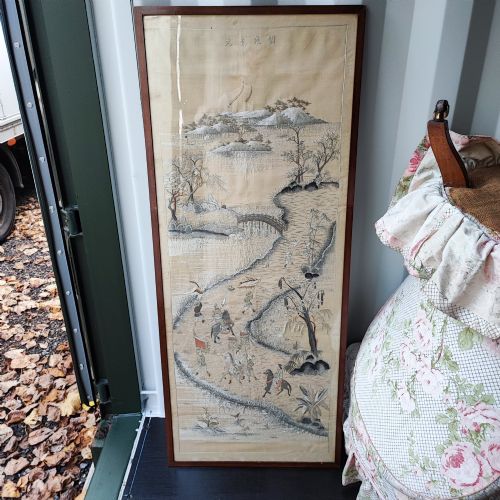
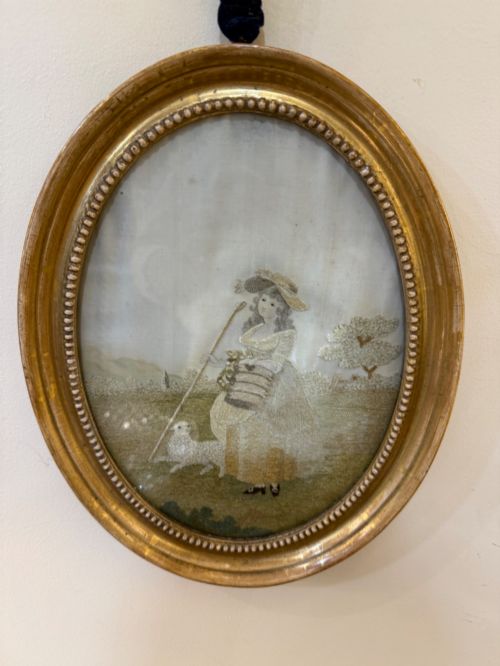
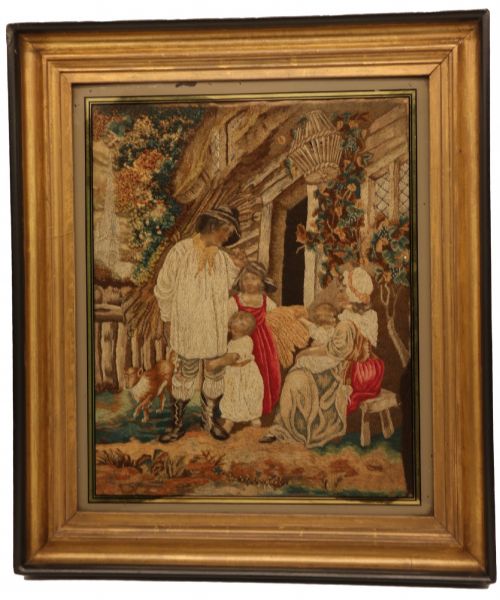
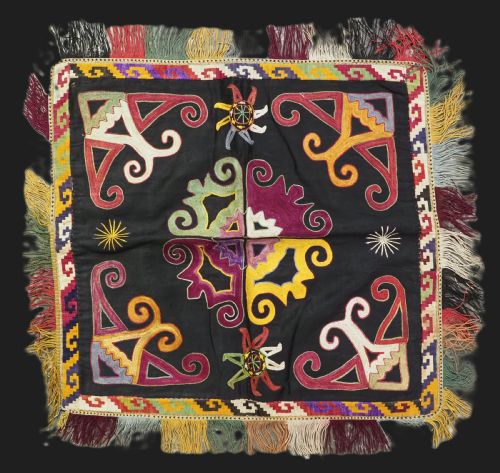
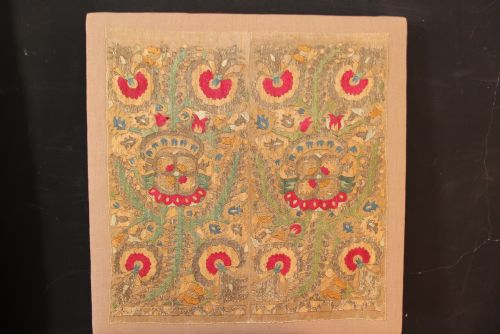
Hand embroidered silk art brings together antique textiles, wall hangings, and needlework pictures created across various global regions and centuries. These pieces encompass framed Chinese panels, ceremonial Uzbek suzanis, Greek island fragments, and English needlework pictures.
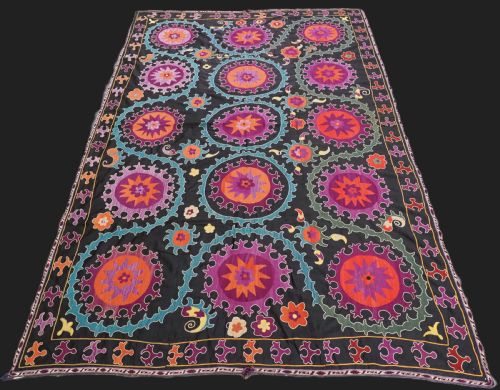
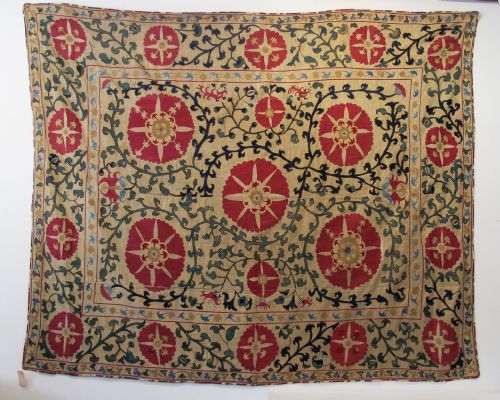
The version a buyer is most likely to encounter on this page is the Central Asian suzani or silk panel, frequently dating from the nineteenth or early twentieth century. These works present bold floral motifs, geometric patterns, or figurative designs stitched onto cotton or linen grounds.
How they were made
Maker execution relies primarily on fine silk threads hand-sewn onto foundational fabrics such as cotton, linen, wool, or velvet. Artisans utilised diverse needlework techniques to build textured surfaces, sometimes incorporating metal thread or hand-painted details.
Many examples are preserved beneath glass, mounted as wall art, or presented as large textiles like dowry embroideries, ceremonial coats, and horse covers. The structural support often includes wooden frames or giltwood surrounds depending on the geographic origin and object type.
Hand Embroidered Silk Art Retail Price Guide 2026
Typical asking prices for hand embroidered silk art among the pieces listed under this phrase on Sellingantiques today, from the lower quarter to the upper quarter. They describe what is for sale here now, not the wider market.
Mary Mason stitched her name and age at twelve, leaving a quiet eighteenth-century signature behind on her sampler.
What varies in quality
Quality differentiates by the density of the stitch work and the complexity of the design, such as fully embroidered Tashkent palak suzanis compared to simpler regional fragments. The clarity of the botanical or figurative motifs and the vibrancy of the remaining silk thread also dictate the standing of a piece.
Condition plays a role, as intact grounds of cotton or wool without excessive loss to the delicate silk embroidery elevate the standard of the textile. Superior pieces demonstrate precise needle control and harmonious colour retention across the entire surface.
The Hand Embroidered Silk Art Glossary
- Suzani
- A large, embroidered Central Asian tribal wall hanging traditionally worked in silk on a cotton or linen ground. These textiles display large-scale floral and medallion designs created by nomadic or village makers.
- Opus anglicanum
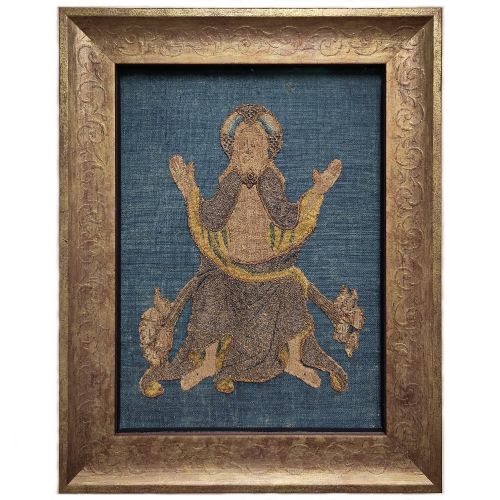
- English medieval embroidery known for its fine needlework, often executed in silk and metal thread on linen or velvet. This historical term denotes work of high status and considerable age.
- Chyrpy
- A traditional embroidered ladies ceremonial coat originating from Turkmen groups. These garments feature dense needlework across the upper torso and sleeves.
- Sampler
- A piece of needlework demonstrating various stitches, frequently signed and dated by young makers as proof of skill. They serve as historical records of domestic textile education.
Hand Embroidered Silk Art: Frequently Asked Questions
How are suzanis displayed at home?
Suzanis and large silk panels are typically hung directly on walls as focal textile art, sometimes supported by sleeves or mounted behind glass for smaller fragments.
Their substantial scale and vibrant floral patterns make them suitable for hanging above seating areas or along hallways.
What is a palak suzani?
A palak suzani is a fully embroidered Central Asian textile where the background is completely covered in dense silk stitching. The term denotes premium workmanship within traditional embroidery.
These pieces require significantly more time and material than open-work designs, resulting in heavy, richly coloured wall hangings.
How do I care for antique silk embroidery?
Antique silk art requires protection from direct sunlight to prevent the natural fibres and dyed threads from fading. Keeping pieces away from excessive moisture preserves the structural integrity of the cotton or linen grounds.
Professional mounting behind UV-filtering glass helps protect delicate needlework pictures and fragile textile fragments from dust and physical damage.
Where do Chinese silk panels originate?
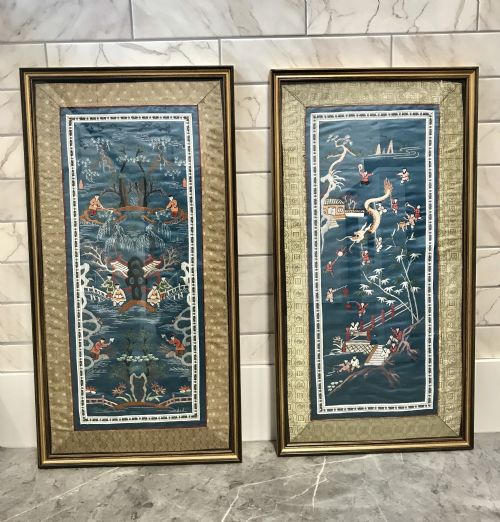
Chinese silk panels date from periods including the Qing Dynasty and the early twentieth century, featuring hand-sewn motifs such as dragons, trees, and flowers. These works were often produced for export or domestic display.
They frequently appear framed under glass to protect the fine silk embroidery and painted elements from atmospheric wear.