

Hand Decorated Porcelain
Hand decorated porcelain brings together centuries of painted tea wares, cabinet plates and display urns finished by hand across English, European and Asian kilns.
Hand Decorated Porcelain
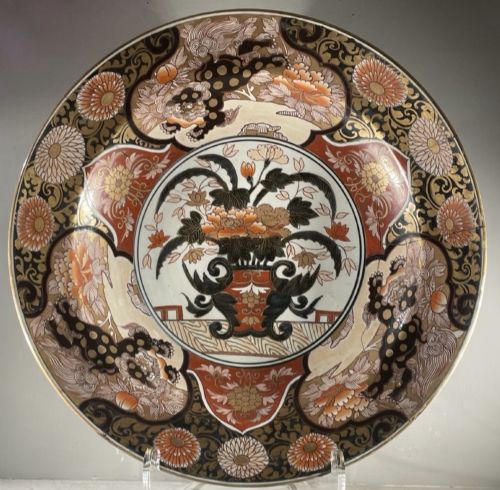
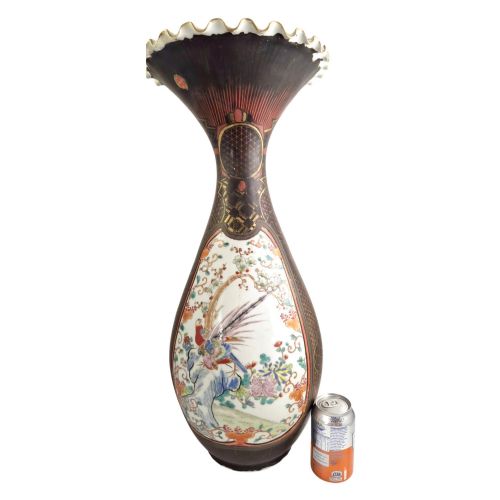
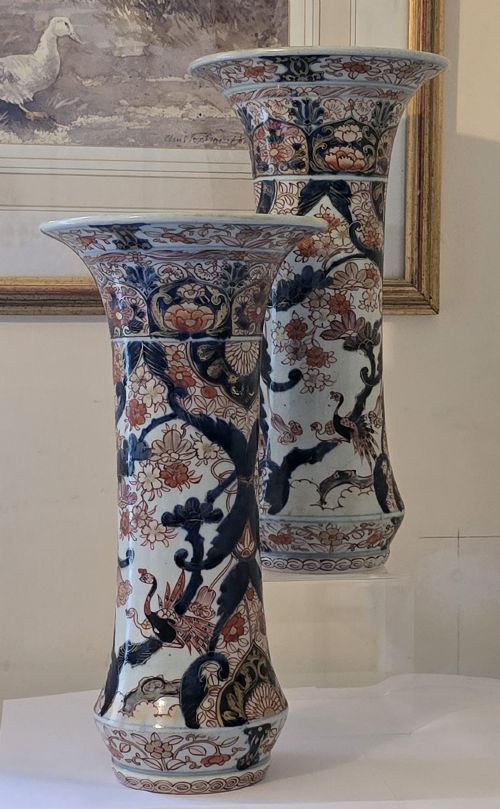
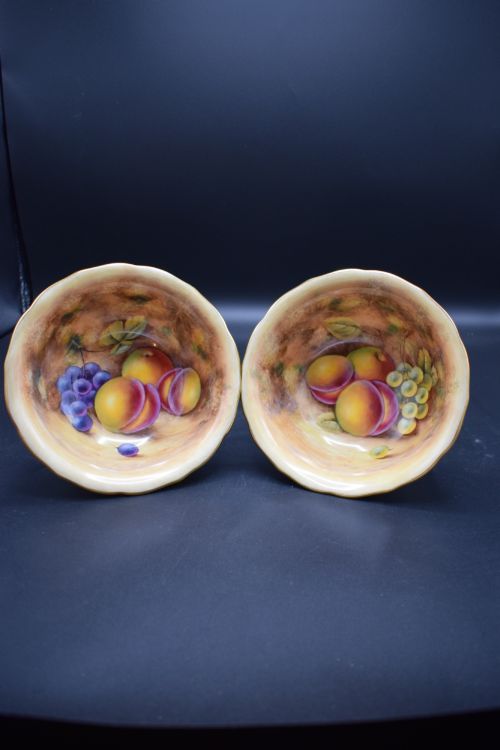
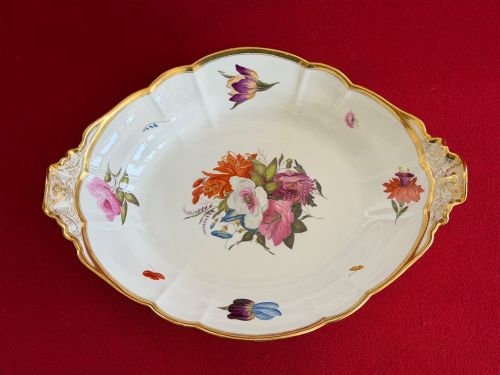
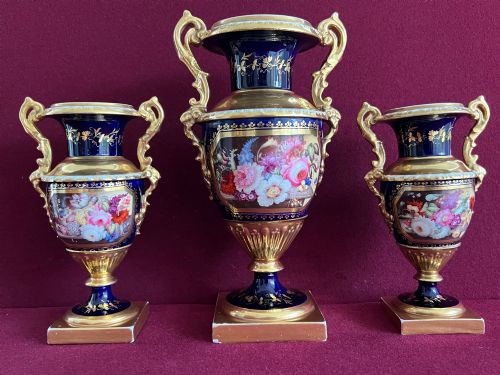
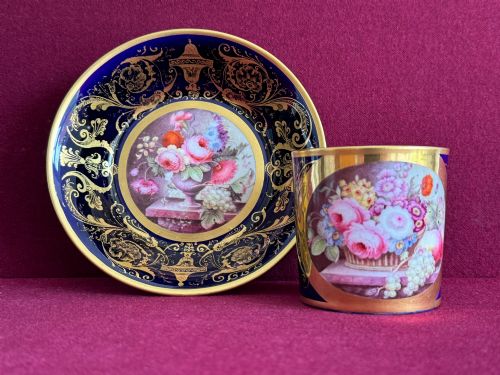
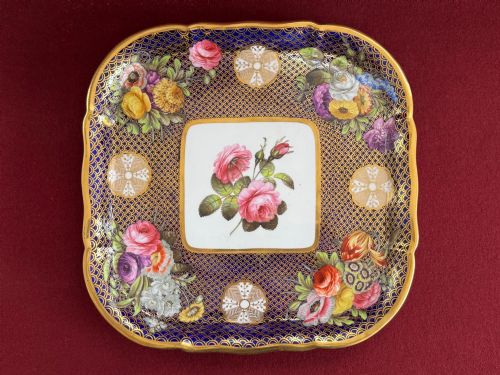
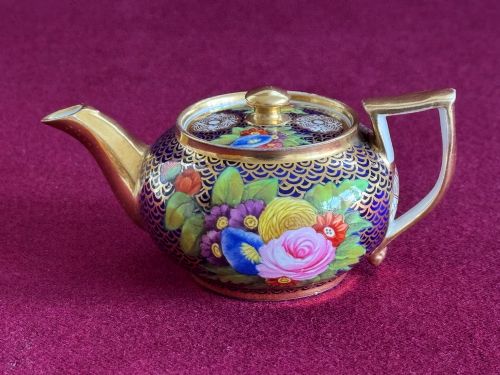
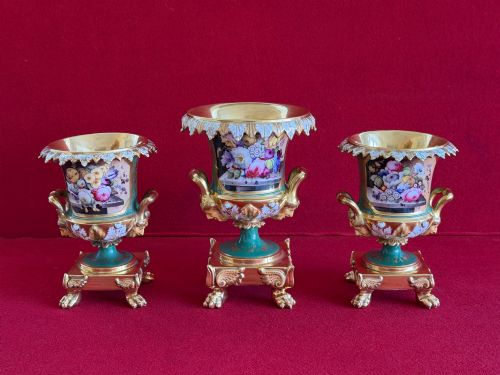
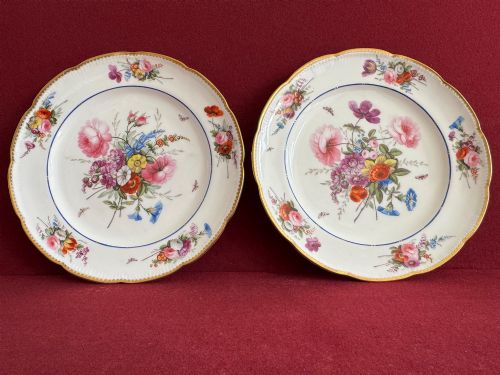
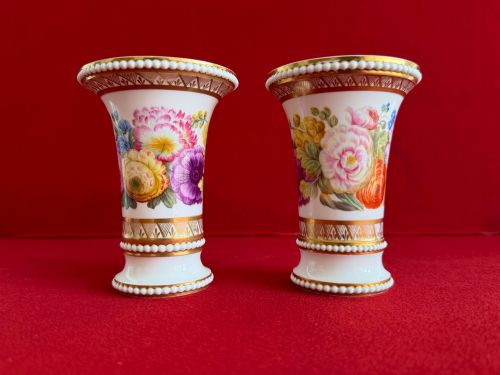
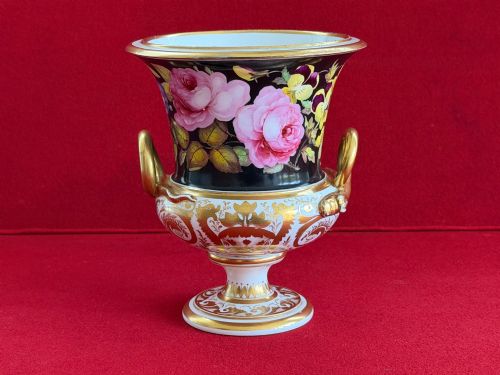
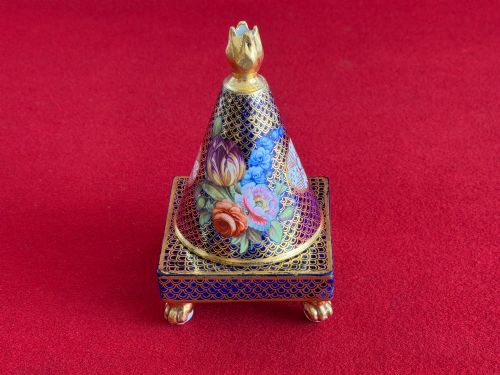
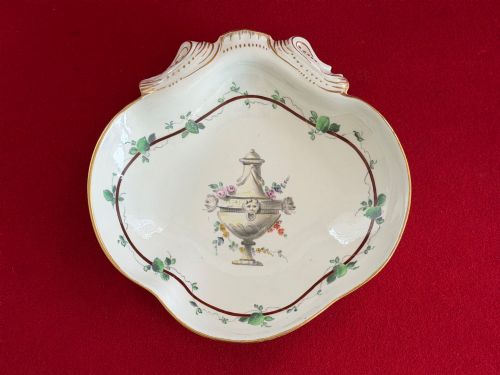
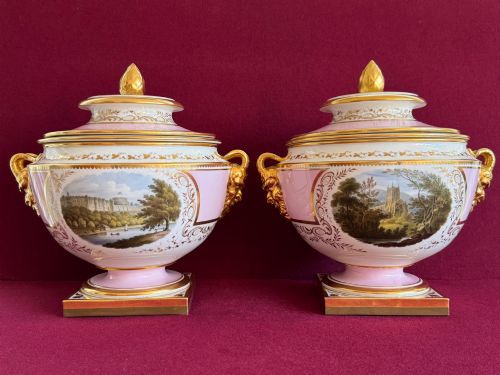
When you search for hand decorated porcelain, you encounter a varied selection of ceramic objects spanning the eighteenth, nineteenth and twentieth centuries. The selection includes cabinet plates, decorative bowls, teacups, saucers, vases, urns and figurines.
English factories like Worcester, Derby, Spode and Minton dominate the earlier periods, frequently bearing floral studies, landscapes or patterned enamel work. Alongside these sit continental porcelain figures from Paris and Dresden workshops, together with Japanese Imari ceramics and Chinese export porcelain spanning the Qing dynasty and later periods.
How they were made
Makers formed these pieces from fine paste ceramic bodies before applying underglaze pigments, enamel colours and gold leaf details by hand. Artisans then fired the vessels multiple times in kilns to fuse the metallic oxides and surface glazes.
Gilding was applied as liquid gold or gold leaf and subsequently burnished to achieve a bright finish alongside iron-red, cobalt blue and polychrome enamel paints.
Hand Decorated Porcelain Retail Price Guide 2026
Typical asking prices for hand decorated porcelain among the pieces listed under this phrase on Sellingantiques today, from the lower quarter to the upper quarter. They describe what is for sale here now, not the wider market.
Look closely for tiny painted insects tucked into floral bouquets by eighteenth-century studio artists to hide minor surface blemishes.
What varies in quality
Quality rests in the precision and individual skill of the painting rather than the raw materials alone. Pieces decorated by named artists display finer brushwork, more nuanced colour shading and superior compositional balance across the surface of the ceramic body.
The crispness of the porcelain moulding, the evenness of the glaze and the complexity of the gilt or enamel patterns further separate standard production items from exceptional cabinet pieces.
Flight Barr and Barr·Royal Worcester·Müller Volkstedt·Doulton Burslem
The Hand Decorated Porcelain Glossary
- Enamel
- Opaque glass-like paint applied over the fired glaze and fixed at a lower kiln temperature. This technique allows for a broad palette of bright colours on decorative porcelain.
- Gilding
- The application of gold leaf or gold paint to the rims, handles and surface motifs of ceramic vessels. It is often burnished to create contrast against painted scenes.
- Cabinet Plate
- A decorative plate intended for display on a wall or within a cabinet rather than for daily dining use. These often feature detailed painted views or fruit studies.
- Imari
- A Japanese export style characterised by underglaze cobalt blue and iron-red overglaze enamel, frequently accented with gold. European factories frequently copied these distinct patterns.
- Famille Rose
- A Chinese porcelain palette dominated by opaque pink enamel introduced during the Qing dynasty. The style includes floral sprays, figures and birds rendered in soft pastel tones.
Hand Decorated Porcelain: Frequently Asked Questions
How can I identify who painted a piece?
Many fine porcelain items carry artist signatures, initials or pattern numbers hand-written on the underside. Factory marks and studio ciphers also help link specific vessels to known decorators.
Researching pattern numbers in factory archives often reveals the exact date and the name of the artist responsible for the hand-painted decoration.
Were these items meant for daily use?
While tea sets and jugs originated as functional items, many decorated porcelain pieces served primarily as decorative displays. Cabinet plates, urns and garnitures were created to sit on mantelpieces and in glass-fronted cabinets.
Plates designated for cabinet display often feature delicate hand-painted fruit or landscapes that would wear away with regular dining use.
What is the difference between English and continental porcelain?
English factories during the Georgian and Regency periods developed distinct bone china and soft-paste porcelain recipes to compete with imported wares. They frequently focused on botanical paintings, topographical views and classical revival motifs.
Continental makers, including French and German porcelain houses, often produced more elaborate sculptural figures, urns and heavily gilt decorative services.
How do I care for hand decorated porcelain?
Display these items away from direct sunlight to prevent the enamel colours and gilding from fading over time. Dust them gently with a soft, dry brush.
Hand-painted overglaze enamels and gold leaf can wear away with harsh cleaning, so washing should be avoided in favour of careful dry maintenance.