


Hand Coloured Paper Engravings
These hand coloured paper engravings bring centuries of cartography, natural history, and portraiture to the wall in ink and watercolour.
Hand Coloured Paper Engravings
When you search for hand coloured paper engravings, you encounter centuries of printed works on paper enriched with pigment by hand. The selection spans geographical maps, ornithological studies, botanical plates, and satirical scenes.
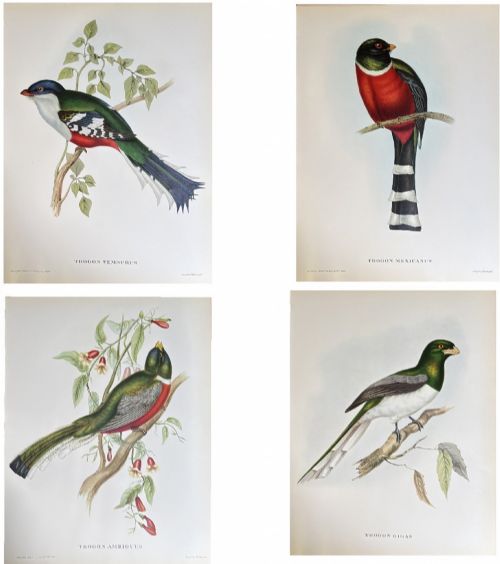
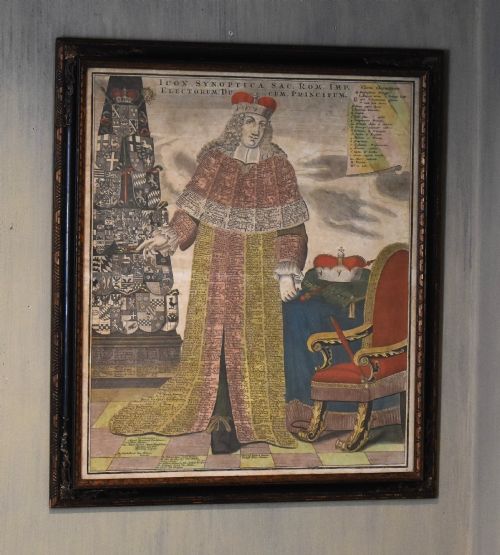
Cartography forms a large part of the items found here, featuring county maps and regional views from the seventeenth century onward. Alongside these maps, natural history plates depict birds, fish, and botanical specimens with careful brushwork.
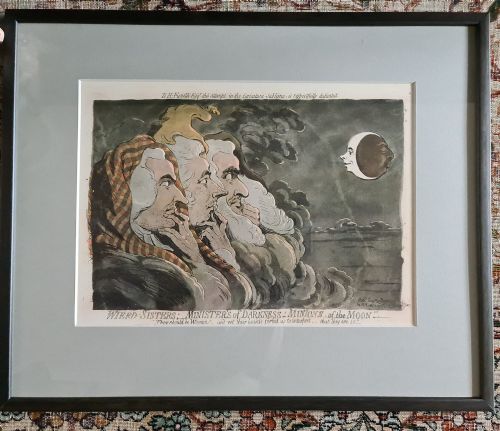
Collectors also find satirical and sporting subjects from the Georgian and Regency periods. These prints often arrive framed in wood with glass protection, while others remain unframed in sets.
How they were made
Makers produced these works by pressing inked metal plates onto paper to create the underlying lines. Artisans then applied watercolour or tint by hand to individual impressions using fine brushes.
Framed examples utilise wood, gilt wood, and gold leaf to house the paper sheets beneath glass. The combination of black ink lines and applied pigment gives each plate its characteristic appearance.
Several sets feature exotic birds and scurrying insects sharing the exact same sheet of paper.
What varies in quality
The precision of the original printmaker's line and the skill of the colourist dictate the visual success of the piece. Subtle, even hand-applied pigment elevates a plate above heavier, less refined washes.
The condition of the paper and the completeness of sets or series also shape the standing of an item. Intact margins and crisp plate marks distinguish the finer examples in this field.
Braun and Hogenberg·Johannes Janssonius·Robert Morden·Jan Blaeu·Emanuel Bowen·John Speed·John Curtis·George Edwards·Eleazor Albin
The Hand Coloured Paper Engravings Glossary
- Engraving
- A printmaking technique where an artist cuts lines directly into a metal plate with a burin. This method yields sharp, precise lines that hold ink for the press.
- Hand coloured
- The application of watercolour or pigment by hand to a monochrome print after the printing process. This adds colour to maps, botanical studies, and satirical scenes.
- Plate mark
- The indentation left on paper by the edge of a printing plate under pressure. Its presence confirms an authentic impression from a metal plate.
- Cartography
- The study and practice of making maps. Antique examples often feature decorative cartouches and hand-tinted regional boundaries.
- Aquatint
- A printmaking method that produces tonal areas resembling watercolour washes. It was frequently used for illustrated books and topographical views.
Hand Coloured Paper Engravings: Frequently Asked Questions
How should I frame antique paper prints?
Protect the paper from direct sunlight and moisture to prevent fading and foxing. Use conservation-grade mounts that keep the sheet away from the glass.
Keep framed pieces in rooms with stable humidity levels. Professional framing safeguards the margins and the delicate pigments applied by the colourist.
What subjects are most common?
County maps and regional cartography appear frequently alongside natural history subjects. Birds, botanical specimens, and insects form a large portion of the available illustrative work.
Satirical scenes and classical architectural views also emerge from the Georgian and Regency eras. These diverse subjects reflect the wide utility of print culture in past centuries.
How do I identify the date of a print?
Look for cartographic markers, marginalia, and typographic styles that point to specific centuries. Many maps and plates bear the publisher's name and publication year within the border.
Paper characteristics and watermark evidence further assist in dating an impression. Comparing the plate to known editions helps confirm its period of origin.
Are these prints always unique?
While the underlying printed image was pulled from a metal plate multiple times, the hand colouring makes every single sheet distinct. No two colourists applied pigment in an identical manner.
Complete sets share printing origins but display individual variations in tone and brushwork. This hand-finished nature gives each plate its own character.