
Hand Carved Timber Sculptures
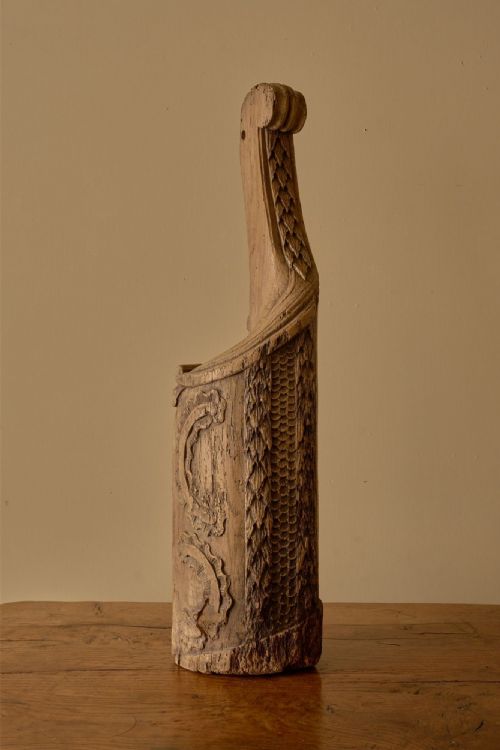
These hand carved timber sculptures bring character into a room through the texture of wood shaped by hand across centuries.

Hand Carved Timber Sculptures
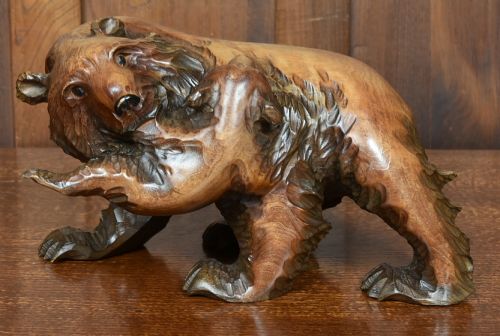
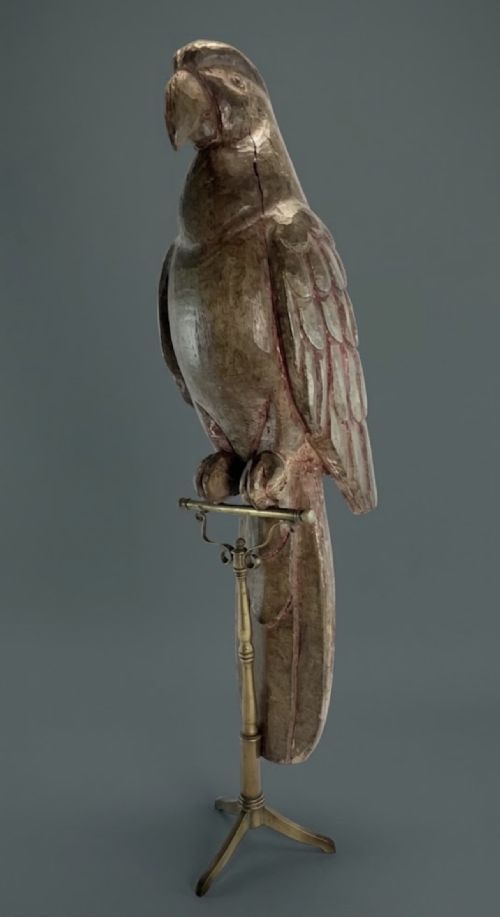
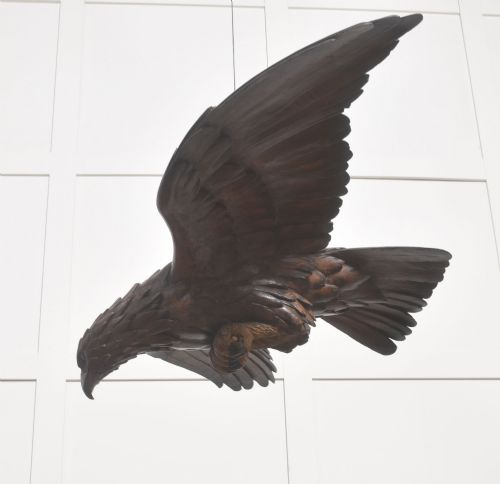
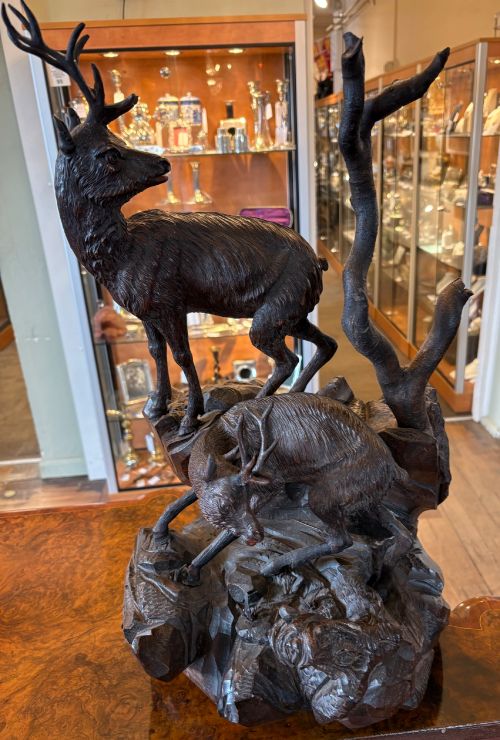
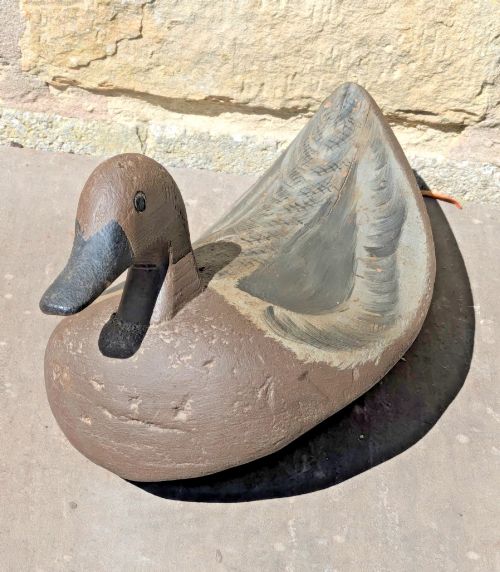
Hand carved timber sculptures encompass a wide array of subjects, from functional decoys and trade figures to devotional saints and animal studies. When exploring hand carved timber sculptures, animal subjects such as bears, deer, and birds appear frequently, often associated with specific traditions like Black Forest carving.
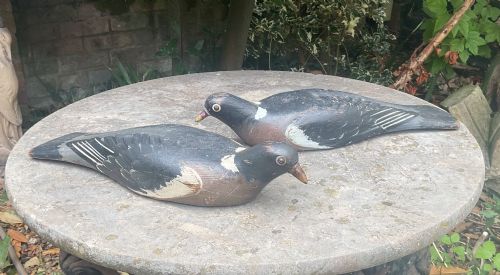
The objects span multiple centuries, reaching back to seventeenth-century ecclesiastical panels and figures, alongside eighteenth-century plaques and nineteenth-century folk art. Regional traditions shape these pieces, taking in English decoy pigeons, Japanese bear carvings, and African fertility figures.
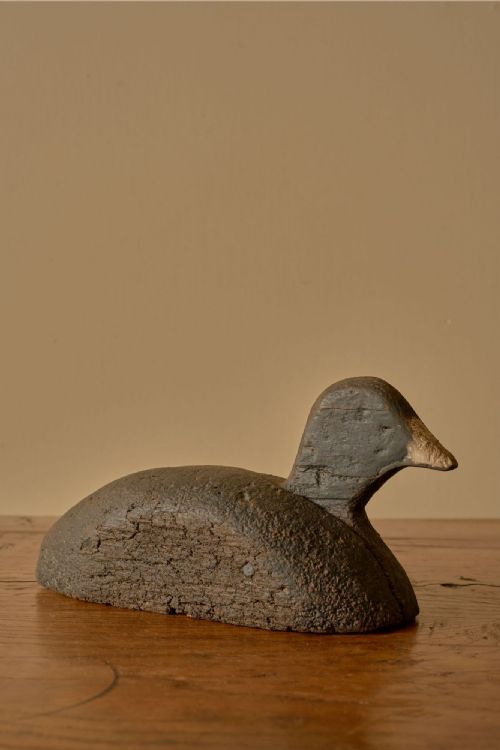
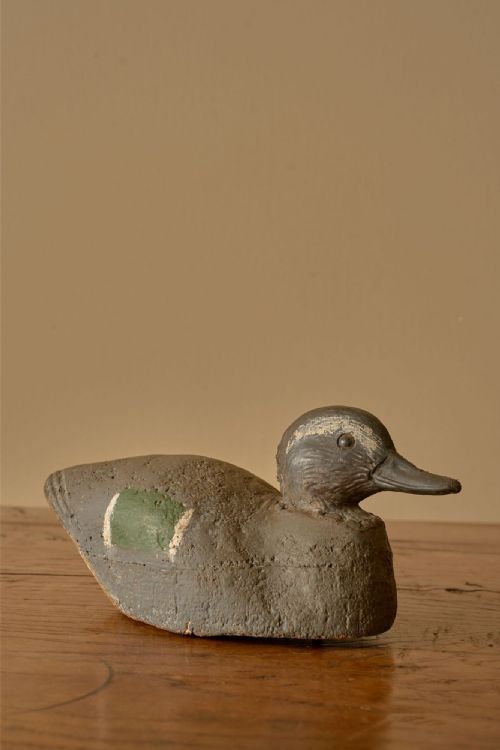
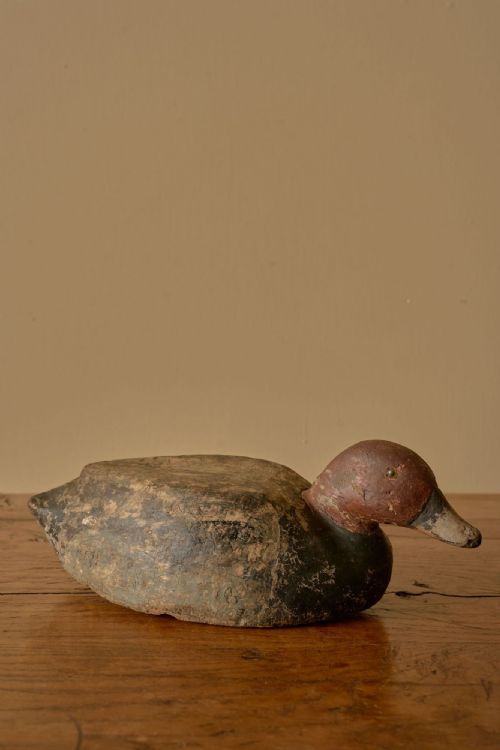
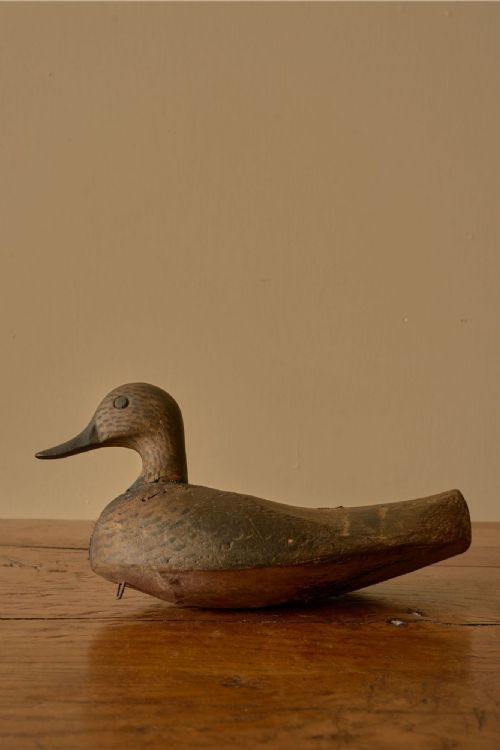
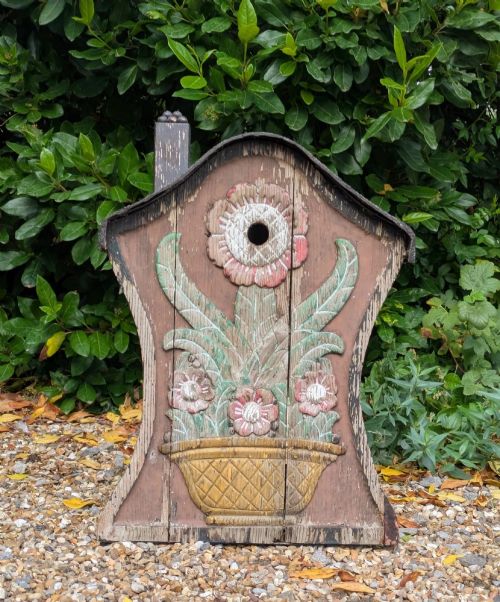
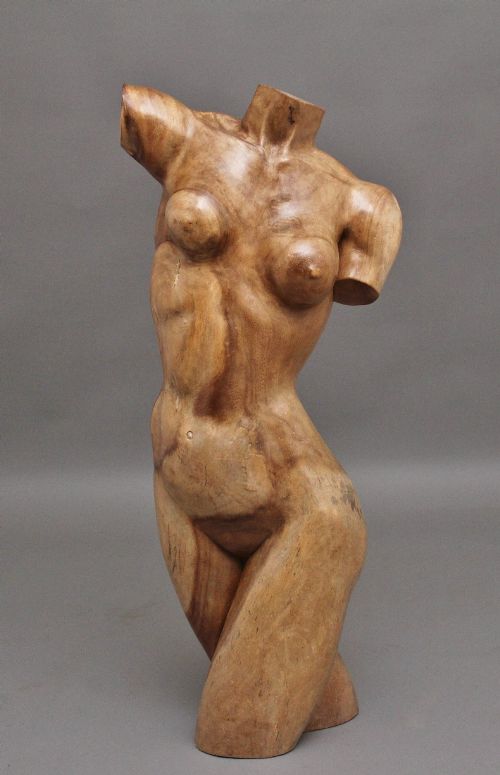
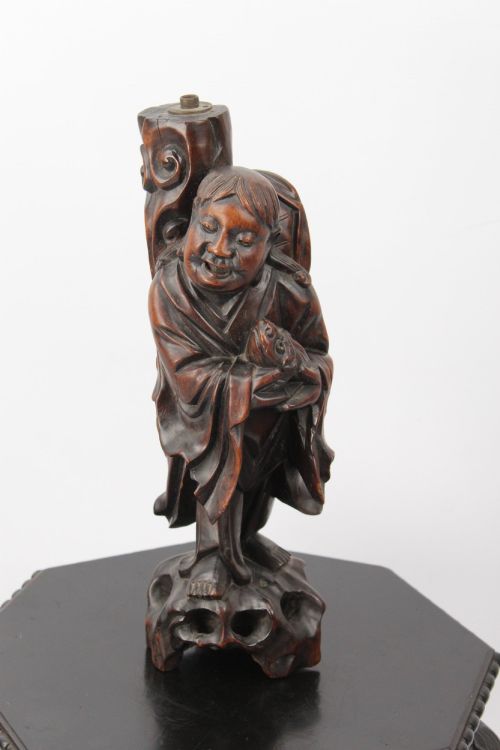
Figurative works range from life-size torsos and historical busts to small naïve horses and deities. Many pieces combine utilitarian roots, such as duck decoys or bird boxes, with skilled shaping in fruitwood, pine, walnut, and oak.
Materials and Technique
Carpenters and carvers worked local timbers suited to their region, selecting fruitwood, limewood, walnut, oak, and chestnut for their grain and density. These woods were shaped using gouges and chisels, leaving subtle tool marks across surfaces that sometimes received a layer of paint, dark stain, or polish.
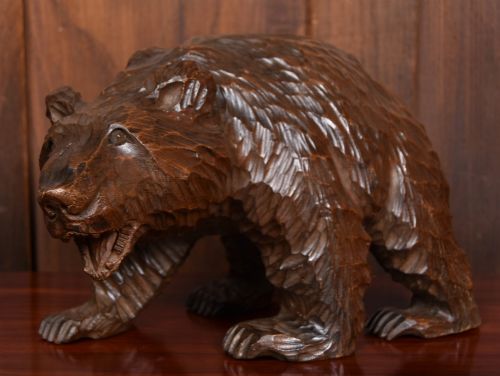
Regional styles represented include Japanese Kibori Kuma bear carvings, Black Forest animal studies, and English painted duck decoys.
Distinctions in Execution
Execution depends on the carver's anatomical understanding and the crispness of the tool work in capturing textures like fur, feathers, or drapery. Pieces executed with confident depth and proportion stand apart from stiffer, more schematic workshop output.
Surface preservation significantly influences the character of a piece, distinguishing items retaining original paint or undisturbed patination from those stripped or heavily restored over time.
George Henry Paulin RBS·Jules Buste Labatut
The Hand Carved Timber Sculptures Glossary
- Fruitwood
- Timber sourced from fruit-bearing trees such as pear, apple, or cherry, known for a fine, even grain ideal for intricate carving. Carvers often favoured it for small figures and detailed decorative elements.
- Limewood
- A soft, pale wood prized by European carvers, particularly in the Black Forest region, for its lack of prominent grain. It allows deep undercut details without splitting.
- Decoy
- A carved and painted wooden bird or animal originally used by hunters to attract waterfowl. These working objects developed into distinct items of folk art.
- Polychrome
- Painted in several colours, often applied to wooden sculptures of saints or figures to enhance realism. This finish can weather and wear unevenly over centuries.
- Corpus Christi
- A representation of Christ on the cross, frequently carved from wood in European traditions dating from the seventeenth century onwards.
Hand Carved Timber Sculptures: Frequently Asked Questions
How do I identify Black Forest carvings?
Black Forest carvings typically originate from Switzerland and Germany during the nineteenth century, focusing heavily on realistic animals such as bears, deer, and dogs. They are usually carved from limewood or walnut with deep texturing that mimics fur and natural settings.
Look for distinctive regional traits, such as glass eyes and dynamic poses, which separate these items from other European woodland sculptures.
Were antique duck decoys meant for display?
Decoys were strictly working objects used by hunters on rivers and marshes to lure birds within range. Makers painted and weighted them to float realistically rather than to sit on a mantelpiece.
Over decades of exposure to water and weather, the working surfaces developed natural wear and layered patination that collectors value today.
How should I clean antique carved wood?
Dust wooden sculptures gently with a dry, soft brush or a lint-free cloth to protect the surface patination and any remaining paint or stain. Avoid using water, modern polishes, or chemical cleaners, which can soften old finishes and sink into the grain.
Keep pieces away from direct sunlight and sudden temperature shifts to prevent the timber from splitting or warping.
What is folk art sculpture?
Folk art sculpture encompasses objects made by self-taught or provincial makers outside formal academic traditions. These pieces include trade signs, naive animals, and weather-worn figures shaped from local timber.
Their appeal lies in direct, unpretentious execution and unconventional proportions that reflect local community life rather than academic rules.