
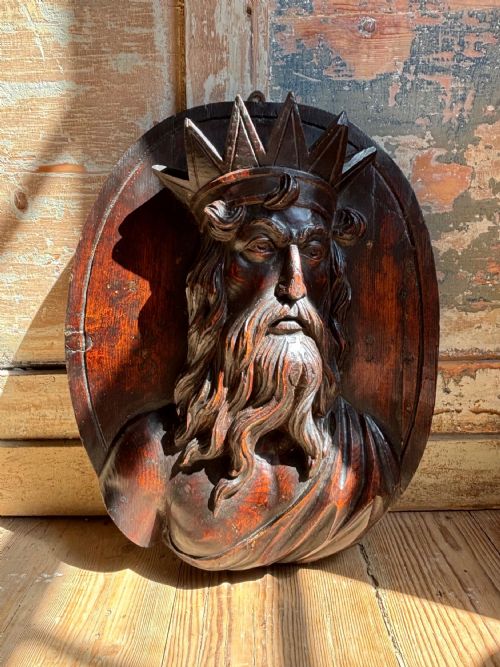
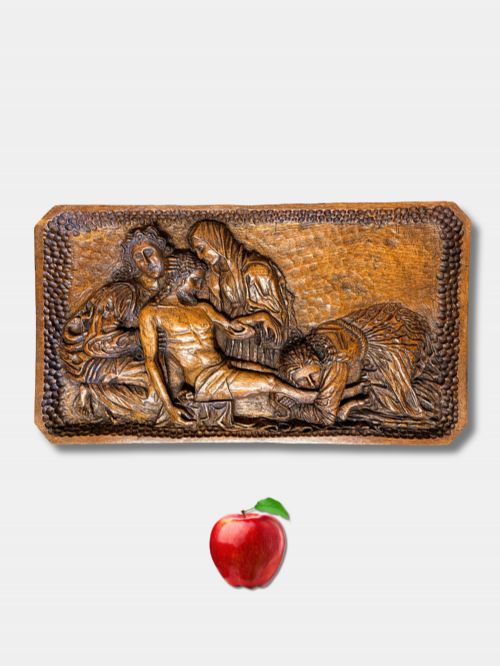
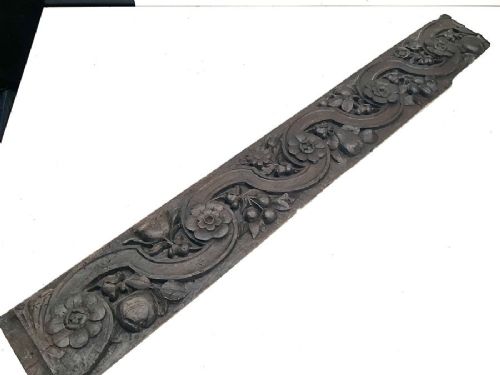
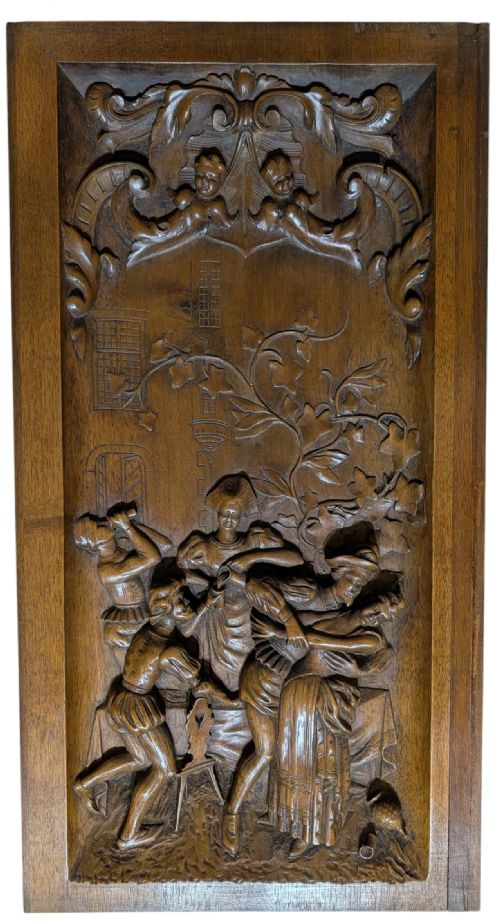


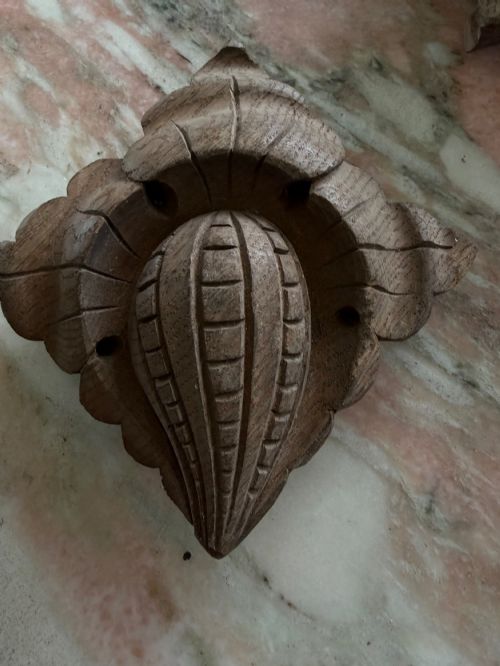


Hand Carved Timber Relief
These hand carved timber relief pieces are sculptural wooden panels and fragments originating from centuries of diverse global craftsmanship.
Hand Carved Timber Relief
A hand carved timber relief brings three-dimensional wooden artistry into an interior space through architectural salvage, wall plaques, and sculptural panels. When exploring this selection, buyers frequently encounter oak and hardwood panels originating from British, European, and Asian workshops.
The objects span centuries of production, ranging from seventeenth-century Italian chestnut panels and eighteenth-century oak ceiling bosses to nineteenth-century Chinese export carvings and twentieth-century fairground fragments. Architectural elements, friezes, and figurative plaques dominate the available forms.
Regional styles vary widely, encompassing Gothic Revival, Arts and Crafts, Baroque, and Qing Dynasty traditions. Collectors select these pieces to anchor a room with historic texture and narrative depth.
Materials and Techniques
Carpenters and artisans utilised native and exotic timbers including oak, walnut, chestnut, limewood, elm, camphor wood, and dense hardwoods. These woods were selected for their grain stability and suitability for intricate chisel work.
Makers applied hand tools to cut deep, low, or pierced relief designs into the timber substrate. Surface finishes often incorporated paint, pigment, or stain to accentuate the sculpted forms.
The inventory records diverse object types including architectural salvage, ceiling bosses, storage chests, and figurative wall panels.
Assessing Quality
Quality rests upon the depth and crispness of the carving, where confident tool marks and anatomical or botanical precision distinguish master work from simpler production. The handling of the wood grain demonstrates the carver's mastery over the material.
Integration between the timber substrate and the carved relief dictates visual success, particularly in architectural fragments and panels. Original surfaces and patination elevate the standing of a piece.
The Hand Carved Timber Relief Glossary
- Relief
- A sculptural technique where the sculpted elements remain attached to a solid background of the same material. Depth varies from shallow low relief to deep undercutting.
- Ceiling Boss
- A decorative projecting block placed at the intersection of ribs in a ceiling or vault. These architectural elements often feature carved floral or figural motifs.
- Architectural Salvage
- Building components rescued from demolition or alteration for reuse in interior decoration. Items include panels, friezes, and doorways.
- Camphor Wood
- An aromatic timber native to Asia, frequently utilised for storage chests and panels. Its natural oils protect the wood from insects.
Hand Carved Timber Relief: Frequently Asked Questions
How do I hang a heavy timber relief panel safely?
Heavy wooden panels require secure wall fixings anchored directly into studs or masonry rather than drywall alone. Employing concealed metal Z-bars or custom-built timber battens distributes the weight evenly across the structure of the piece.
Consulting a professional framer or installer ensures the hanging method respects the age and integrity of the wood. Proper clearance from heat sources prevents timber warping over time.
What is the difference between high and low relief carving?
High relief carving projects significantly from the background plane, with elements often undercut to appear almost fully three-dimensional. This technique creates dramatic shadow play and demands advanced joinery and carving skill.
Low relief, or bas-relief, keeps the sculpted design much closer to the flat surface. Artisans use subtle depth variations to suggest perspective and form within a shallow profile.
How should I clean and maintain an antique wooden panel?
Dusting with a dry, soft-bristled brush or microfiber cloth removes surface particles without disturbing the historic patination. Avoid water, harsh chemical cleaners, or modern silicone polishes that penetrate and soften old wood.
Maintaining stable indoor humidity prevents the timber from drying out, cracking, or swelling. Direct sunlight should be avoided to prevent the fading of original paint or pigment highlights.
Can architectural fragments be integrated into modern interiors?
Architectural fragments function effectively as focal art pieces mounted on plain walls, allowing their historic texture to contrast with contemporary surroundings. They can also be incorporated into bespoke cabinetry or fireplace surrounds.
Matching the scale of the fragment to the room ensures the object commands the space appropriately. Proper lighting highlights the chisel work and grain variations of the timber.