

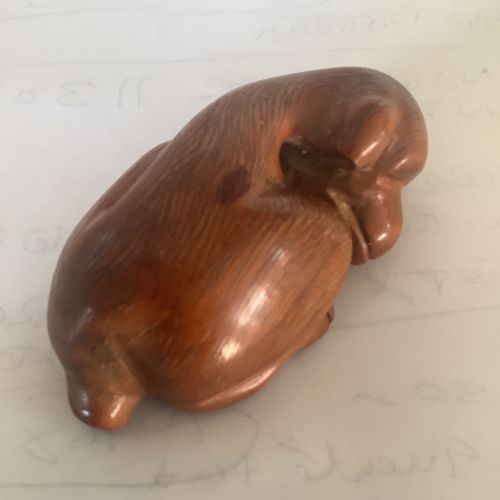
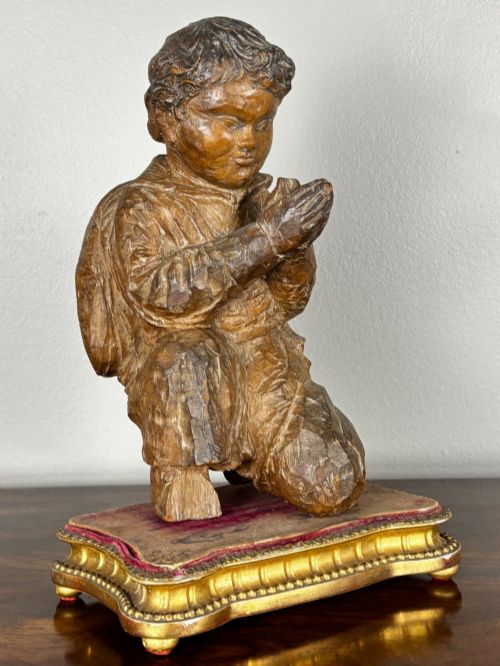
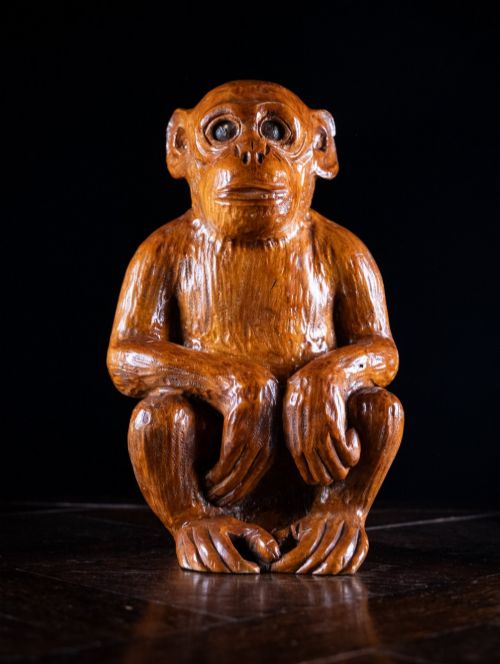
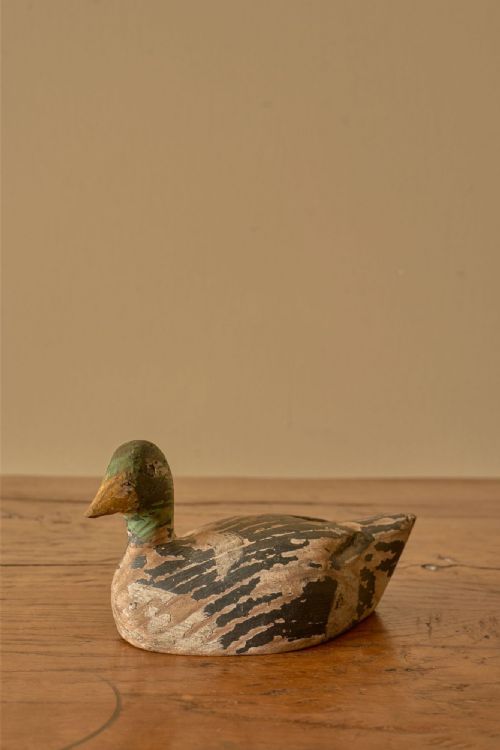
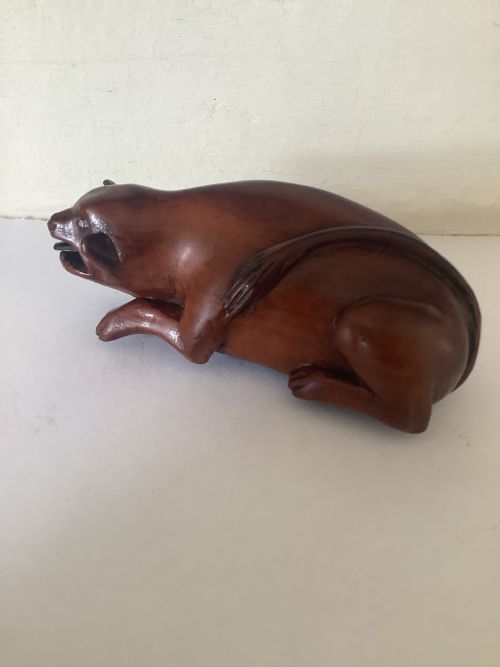
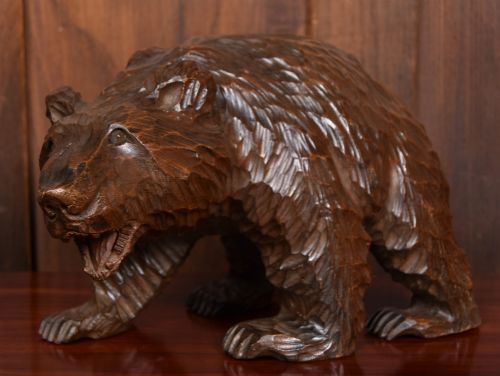
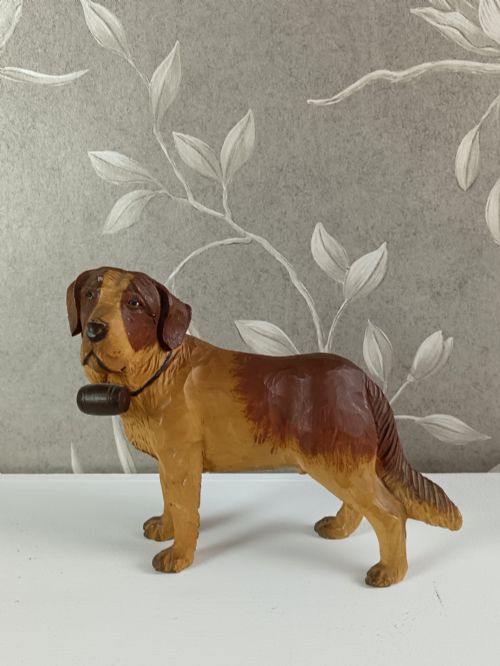
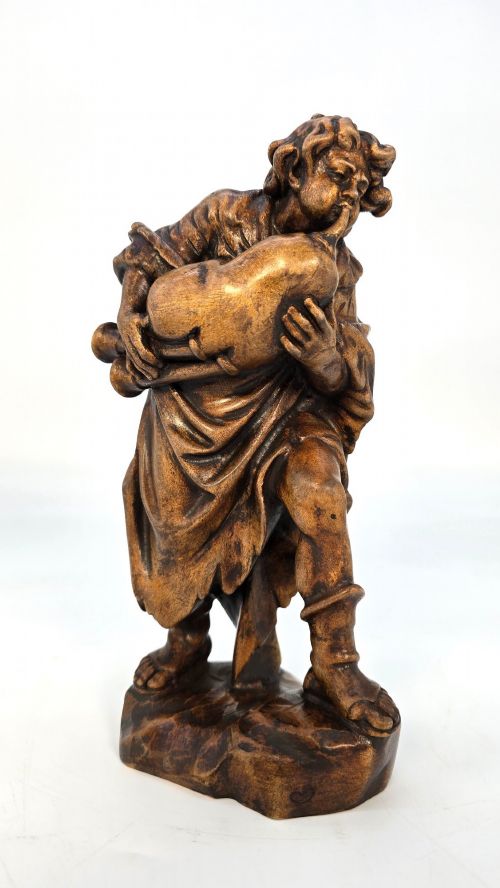
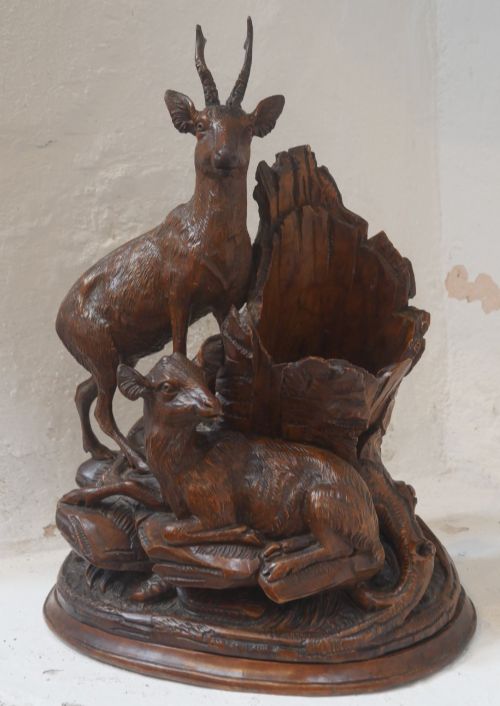
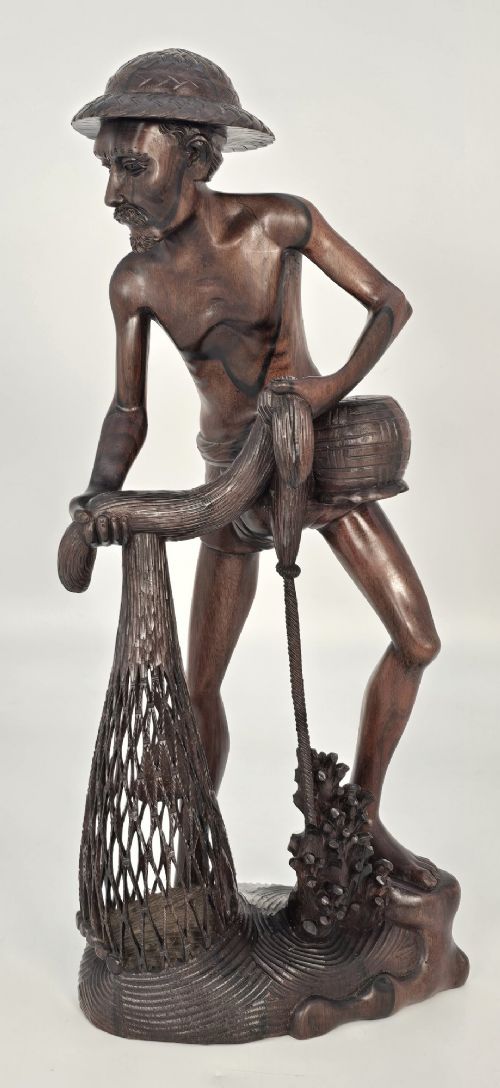
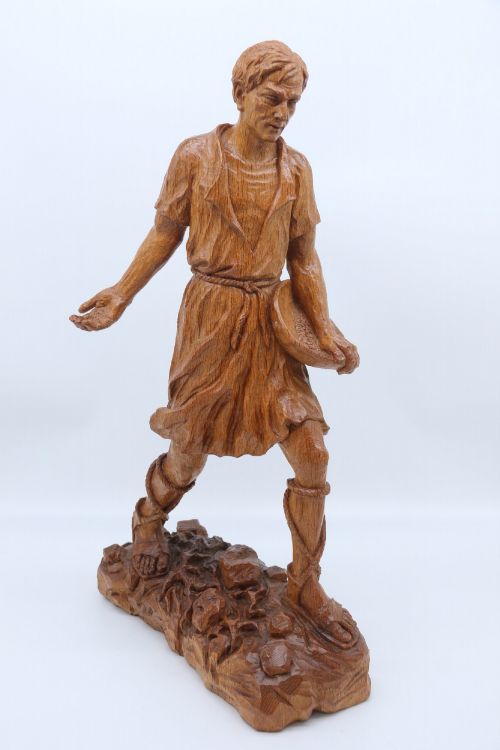

Hand Carved Timber Figurine
A hand carved timber figurine brings tangible texture and human or animal character into a room through historic craft.
Hand Carved Timber Figurine
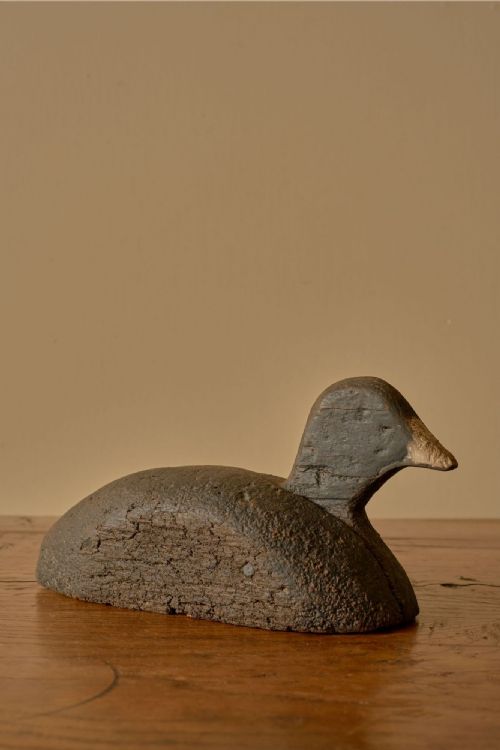
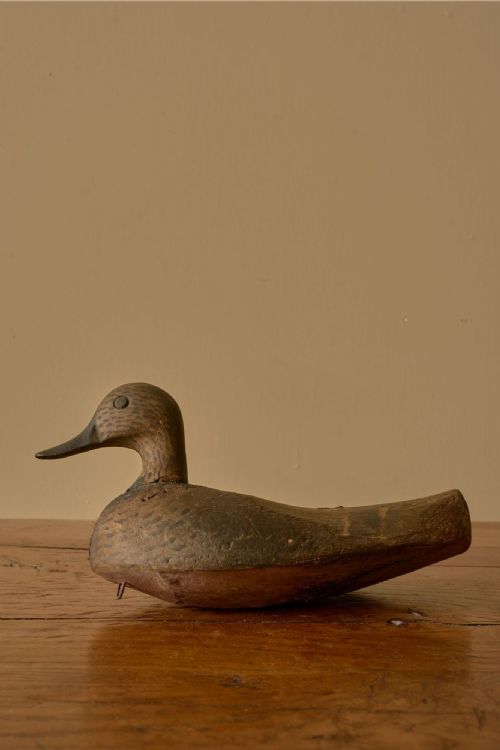
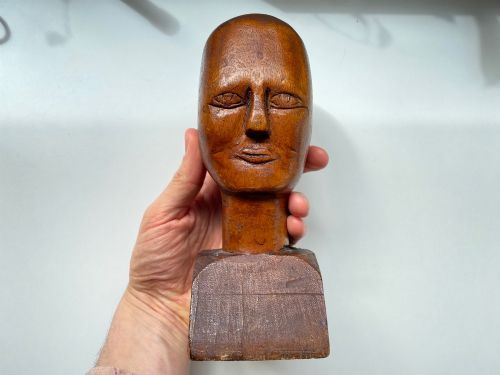
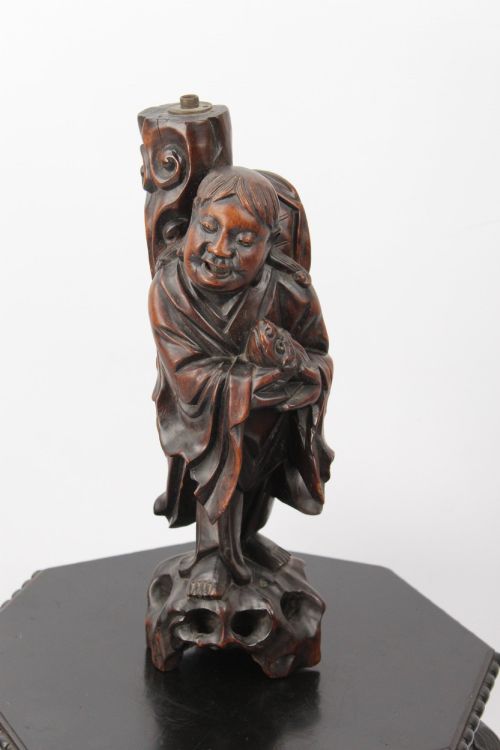
A hand carved timber figurine spans centuries of global folk tradition, religious devotion, and animal portraiture. When searching this phrase, a buyer encounters everything from nineteenth-century Black Forest bears to traditional Chinese immortals and early twentieth-century decoy ducks.
The pieces emerge from diverse regional workshops across Europe, Asia, and Africa, utilising domestic and exotic woods. Common forms include figures of saints, fishermen, bears, and horses shaped by local carvers working in styles ranging from naive folk art to precise academic realism.
Most examples date from the nineteenth and early twentieth centuries, reflecting a period when vernacular wood carving remained a thriving domestic and commercial trade. Buyers typically find objects created for home display, religious shrines, or utilitarian roles such as decoy carving and snuff boxes.
How they were made
Carvers selected specific timbers depending on regional availability and the intended detail of the sculpture. Hardwoods like oak and teak offered durability for large figures, whilst fine-grained timbers such as boxwood, lime, and linden allowed artisans to execute intricate facial expressions and textured fur.
Makers shaped these materials using gouges, chisels, and knives, often leaving deliberate tool marks that reveal the rhythm of the hand. Some pieces receive a coat of paint, whilst others rely on the natural grain of the wood, sometimes enhanced with wax or polish to protect the surface over time.
Hand Carved Timber Figurine Retail Price Guide 2026
Typical asking prices for hand carved timber figurine among the pieces listed under this phrase on Sellingantiques today, from the lower quarter to the upper quarter. They describe what is for sale here now, not the wider market.
Materials recorded across the inventory include limewood, boxwood, teak, oak, painted surfaces, and general hardwoods.
What varies in quality
Quality rests in the anatomical understanding and vitality captured in the timber rather than mere scale or finish. A superior carving conveys movement and character convincingly, whereas lesser work remains stiff and flat in posture.
The mastery of the tool defines the upper tier of pieces, where clean undercutting and deliberate modulation of the wood surface create depth and shadow. Simpler folk art relies on charm and naivety, yet successful examples still demonstrate purposeful design and balanced proportions.
The Hand Carved Timber Figurine Glossary
- Black Forest
- A style of wood carving originating in the mountainous region of central Europe, renowned for realistic animal sculptures, particularly bears.
- Limewood
- A pale timber with a fine, even grain favored by sculptors for its resistance to splitting during detailed carving.
- Folk art
- Utilitarian or decorative objects created by self-taught or provincial artisans working within traditional community styles.
- Decoy
- A carved wooden bird or animal placed by hunters to attract wildlife, valued today for its sculptural silhouette and original painted surface.
Hand Carved Timber Figurine: Frequently Asked Questions
How do I clean an antique wooden carving?
Dust the surface gently with a soft, dry brush to prevent dirt accumulation in the crevices. Avoid using water or liquid polishes, which can damage historic finishes and dry out the timber.
Keep the piece away from direct sunlight and sudden temperature changes to protect the wood from splitting or warping over time.
What woods were commonly used for these figures?
Carvers utilised whatever timber grew locally or suited their specific regional style. European pieces frequently employ lime, boxwood, and oak.
Asian and tropical sculptures often feature dense hardwoods such as teak or unspecified native hardwoods capable of holding fine detail.
How can I tell the age of a carved figure?
Examine the tool marks left on the underside or back of the piece, as hand-chiselled surfaces differ visibly from modern machine production. Wear patterns, patination of the wood, and historical fasteners also offer clues to the period.
Contextual clues like clothing styles, subject matter, and regional traditions help narrow down the decade of creation.
Why do some figures have painted surfaces?
Painting served to enhance realism on items like decoy ducks and religious icons, or to decorate folk art toys and household objects. Some carvers left the wood bare to highlight the natural grain and colour.
Original paint remnants add historical value and tell a story about the object's working life.