

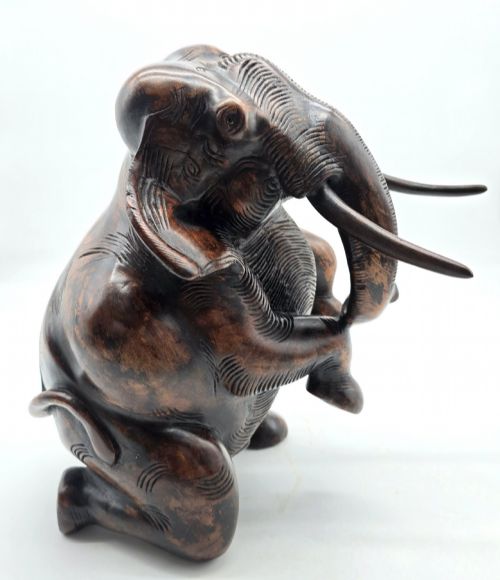

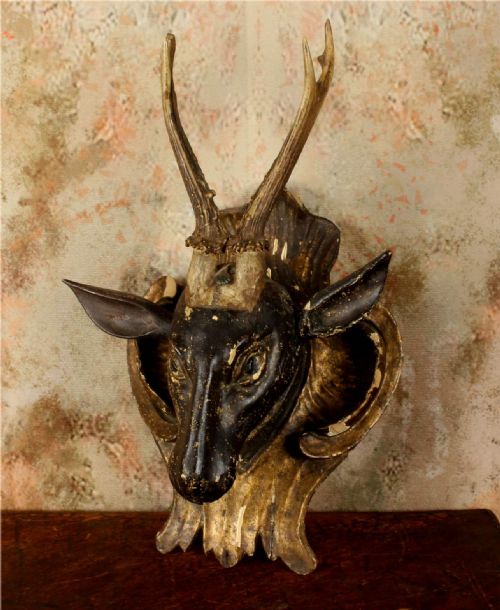
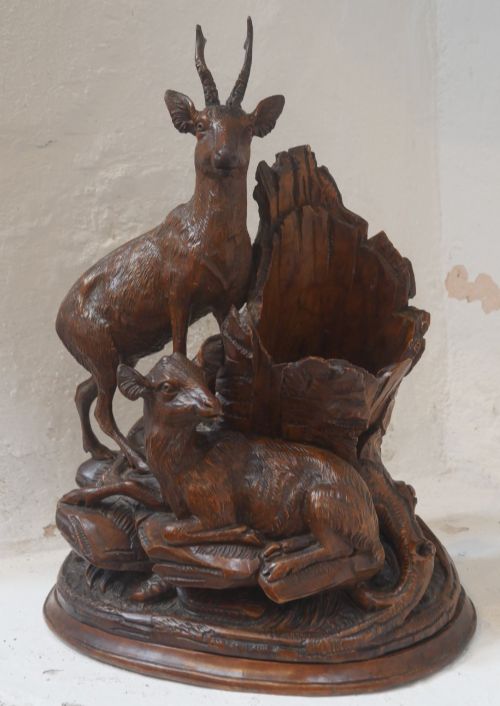
Brown Wood Animal Carving
A brown wood animal carving brings nature indoors through skilful craft, capturing creatures from bears to elephants in enduring timber.
Brown Wood Animal Carving
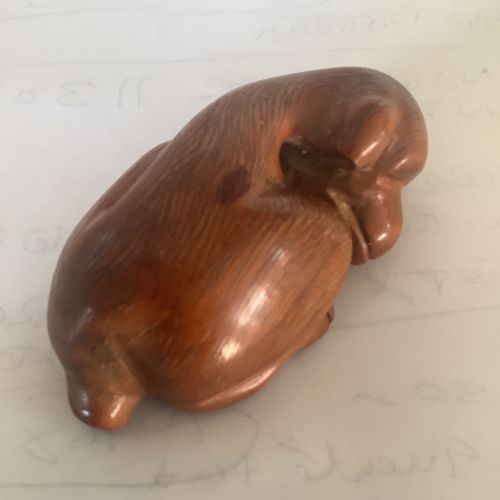
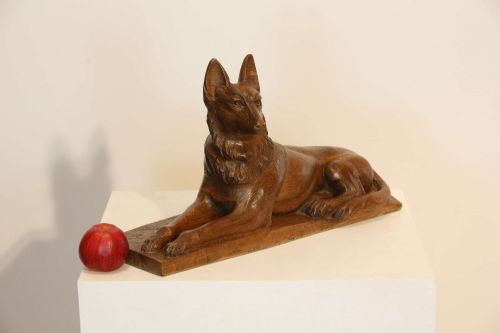
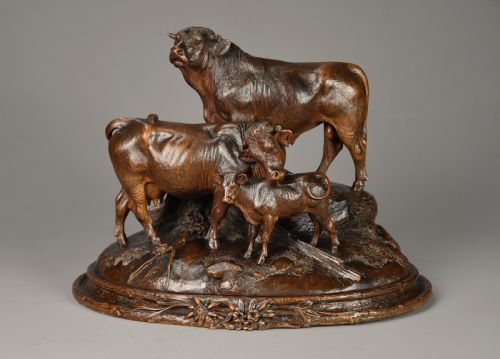
A brown wood animal carving encompasses diverse sculptural objects created across the nineteenth and early twentieth centuries, spanning utilitarian items like nutcrackers and bookends alongside purely decorative figures. When searching for a brown wood animal carving, collectors encounter numerous interpretations ranging from European forest fauna to Asian folk art subjects.
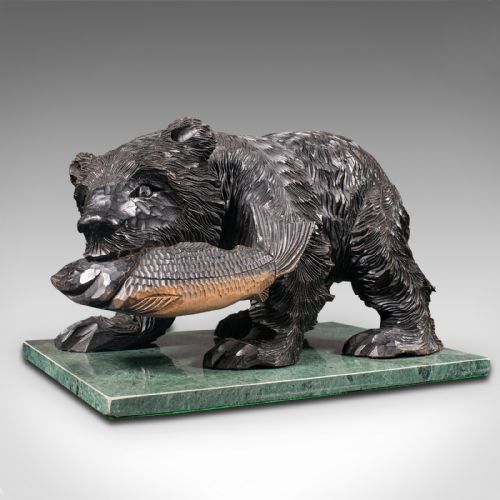
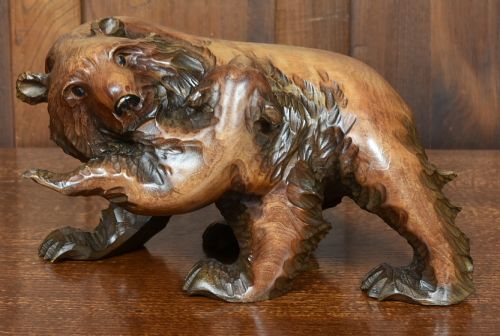
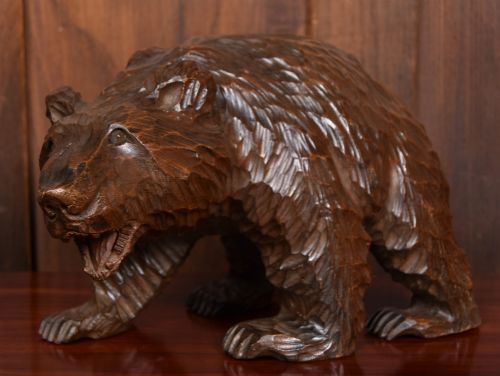
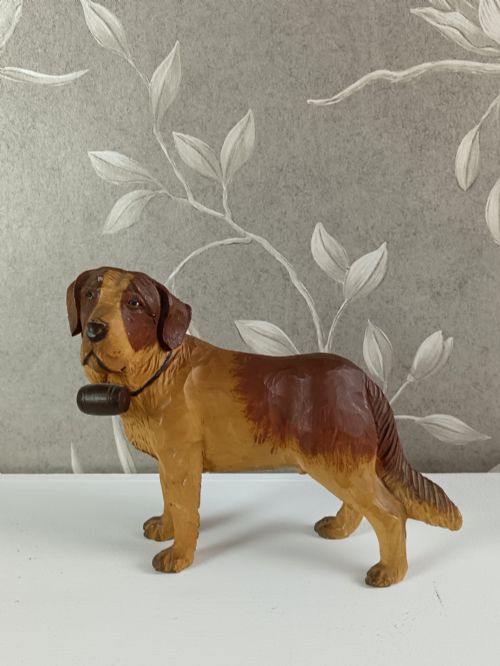
The regional schools shape what appears on the market, notably the Swiss Black Forest tradition producing bears and cattle groups, alongside Japanese works including netsuke and kibori kuma bears. Raj period Indian pieces focusing on elephants and domestic European representations of dogs and deer also appear frequently.
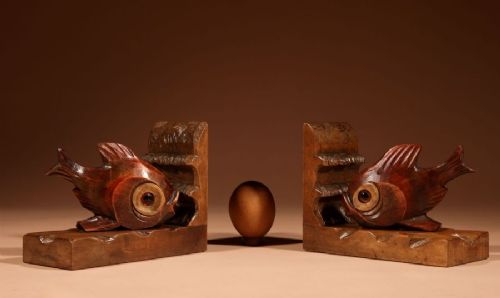
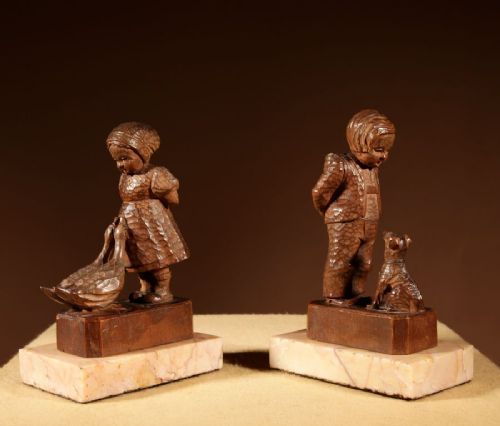
Functional objects seamlessly integrate animal subjects into daily use, demonstrated by carved bookends, walking sticks, and nutcrackers shaped like squirrels. Purely sculptural forms stand independently as decorative figures, wall masks, and table lamps.
Materials and Techniques
Carvers utilise various timbers according to regional traditions, frequently selecting linden wood, walnut, cedar, oak, pine, and teak. Linden wood offers a fine grain favoured for detailed European animal groups, whilst denser hardwoods suit substantial sculptural studies.
Hand carving techniques involve gouges and chisels applied directly to the timber block to define musculature, fur texture, and posture. Detail work incorporates glass eyes, painted accents, or mounted elements such as real antlers and marble bases.
Stamping and signing occasionally identify individual makers or workshops, recording the provenance of particular sculptures and figures.
Brown Wood Animal Carving Retail Price Guide 2026
Typical asking prices for brown wood animal carving among the pieces listed under this phrase on Sellingantiques today, from the lower quarter to the upper quarter. They describe what is for sale here now, not the wider market.
Stud eyes peer out from miniature bears while carved owls hold up heavy books.
Standards of Execution
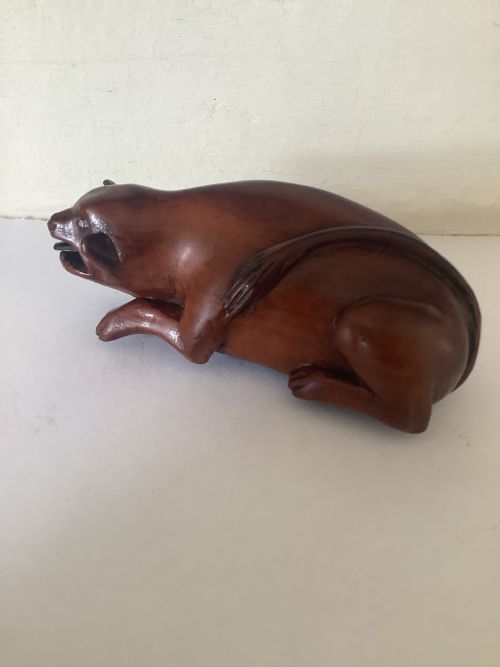
Anatomy and proportion separate standard decorative objects from superior examples, as skilled carvers capture the convincing movement and realistic weight of living creatures. Naturalistic posture in subjects like bears, dogs, and mountain goats demonstrates the sculptor's direct observation of nature.
Depth and clarity of the chisel work define the surface texture of fur, feathers, and hide without excessive sanding that softens essential details. The integration of functional elements, such as bookend supports or nutcracker mechanisms, into the animal's natural form requires balanced design.
Shuho Nakahara·Eugene Emile Borga·Laszlo Hoenig
The Brown Wood Animal Carving Glossary
- Black Forest
- A style of wood carving originating from the Brienz region of Switzerland, famous for depictions of bears, forest animals, and rustic furniture. These pieces date predominantly from the nineteenth and early twentieth centuries.
- Netsuke
- A small Japanese toggle carved from wood, used to secure a pouch or small container to a kimono sash. They often depict animals executed with high precision.
- Okimono
- A Japanese decorative figurine designed for display on a shelf or in a tokonoma alcove. These objects frequently represent wildlife, fish, and domestic animals.
- Kibori Kuma
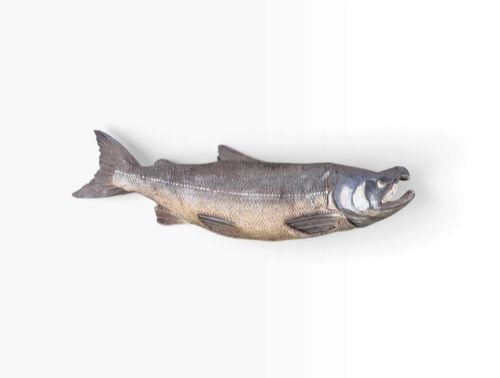
- A traditional Japanese wooden carved bear, typically holding a salmon, originating from the Hokkaido region. The style developed through local folk art traditions.
- Raj Period
- The period of British rule in the Indian subcontinent, associated with specific hardwood carvings of elephants and exotic fauna produced for export.
Brown Wood Animal Carving: Frequently Asked Questions
What is a Black Forest carving?
A Black Forest carving originates from European woodland traditions, specialising in linden wood and walnut sculptures of bears, dogs, and alpine animals.
These pieces range from small desk accessories to large hall figures, reflecting nineteenth and early twentieth-century rustic tastes.
How do I identify Japanese wooden animal carvings?
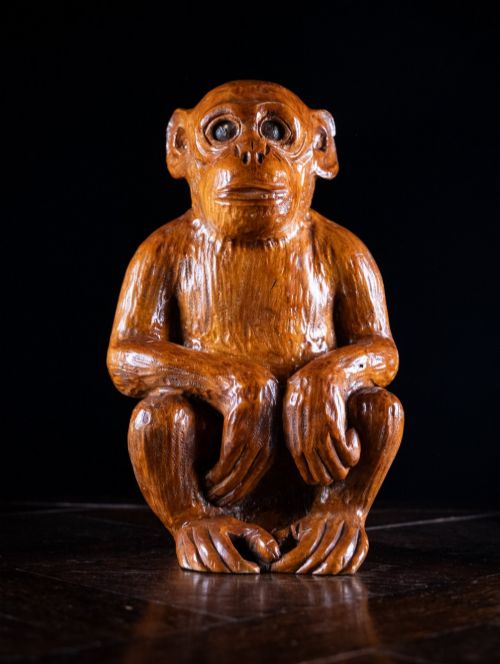
Japanese carvings often include traditional forms such as netsuke, okimono, and Hokkaido bear sculptures known as kibori kuma. They display distinct regional subjects including tigers, monkeys, and dogs executed in fine detail.
Makers utilised native timber varieties to capture lifelike poses and distinct animal expressions.
Were these wooden animals purely decorative?
Many carvings served practical household functions alongside aesthetic display. Common functional forms include bookends, nutcrackers, walking sticks, table lamps, and architectural wall masks.
Craftsmen integrated animal subjects into everyday items to combine utility with naturalistic artistry.
Which woods were used for these sculptures?
Carvers selected specific timbers depending on the regional tradition and the scale of the subject. Linden wood and walnut appear commonly in European works, whilst Asian pieces utilise various local hardwoods and cedar.
Selected woods allowed artisans to achieve smooth polished surfaces or intricate fur textures.