





Traditional Japanese Wood Carving
Traditional Japanese wood carving brings centuries of master craftsmanship and distinct regional forms straight into a modern interior.
Traditional Japanese Wood Carving
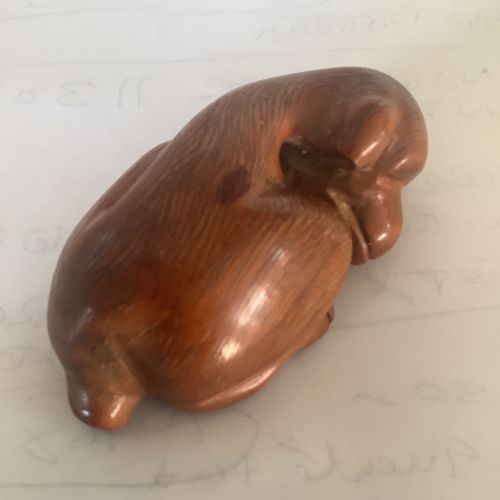
Traditional Japanese wood carving encompasses a diverse selection of historical objects ranging from intricate miniature netsuke and okimono to larger sculptures, architectural elements, and functional household items such as hibachi and tea trays. These pieces represent various cultural movements, including Edo period traditions, Meiji period artistry, and folk art expressions known as Mingei.
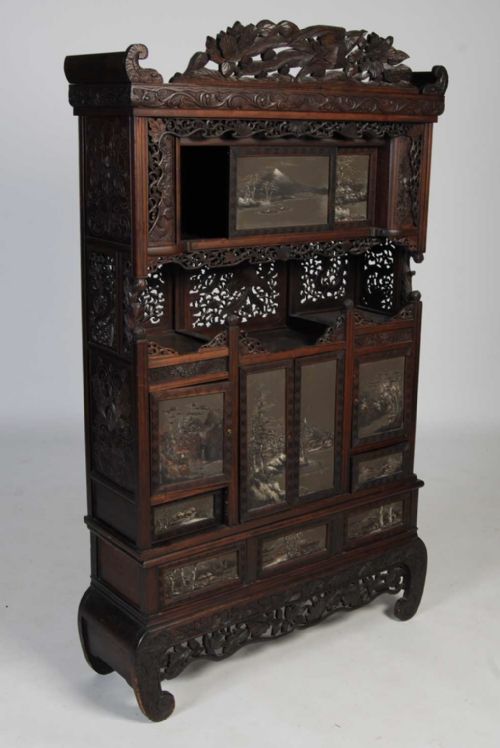
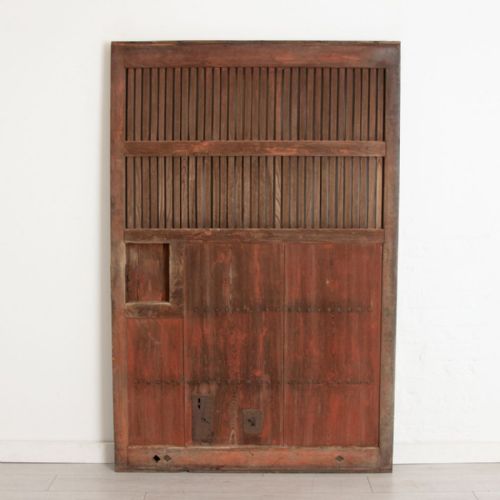
Buyers browsing this selection will most frequently encounter nineteenth-century pieces, including carved boxwood animal netsuke, wooden sculptures of figures and wildlife like bears and tigers, and decorative wall plaques. The inventory also includes larger furnishings such as folding screens, display cabinets, and structural remnants like storehouse doors.
Materials and construction methods
Carvers employed specialised hand chisels and knives, occasionally utilising techniques like nata-tsukuri to leave deliberate tool marks that add texture and visual depth to figurative sculptures. Surface treatments such as lacquer were sometimes applied to enhance the timber and protect the object from daily wear.
Traditional Japanese Wood Carving Retail Price Guide 2026
Typical asking prices for traditional japanese wood carving among the pieces listed under this phrase on Sellingantiques today, from the lower quarter to the upper quarter. They describe what is for sale here now, not the wider market.
A smiling god of wealth and happiness shares shelf space with a ferocious wooden bear holding a fish.
Evaluating craftsmanship and detail
The degree of anatomical precision and expressive depth in figurative works distinguishes finer carvings from standard production. Master carvers captured subtle postures and facial characteristics in subjects like animals, deities, and human figures with remarkable economy of line.
The crispness of execution in relief work and openwork panels separates superior examples from simpler utilitarian pieces. Preservation of the original timber surface, minimal drying splits, and untouched patination further elevate the status of an antique carving.
The Traditional Japanese Wood Carving Glossary
- Netsuke
- A small carved toggle fastener worn suspended from the sash of a traditional Japanese kimono to secure a small container. These miniature sculptures typically depict animals, mythical figures, or everyday subjects.
- Okimono
- A standalone decorative ornament designed for display on a tabletop or within a traditional alcove rather than for practical wear. These carvings frequently represent deities, folklore characters, or natural motifs.
- Hibachi
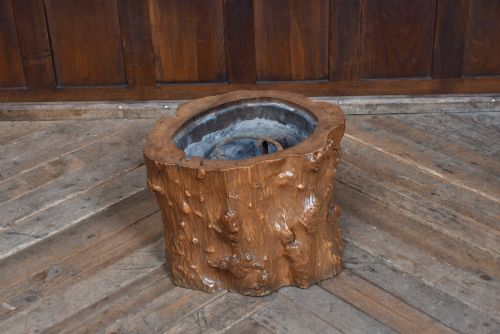
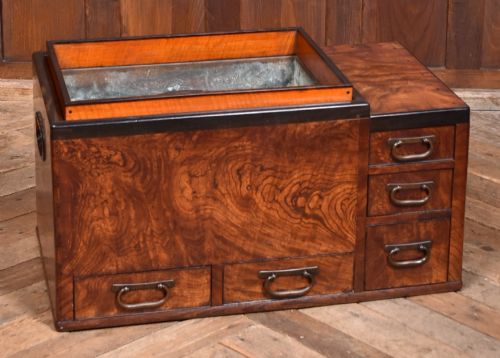
- A traditional Japanese heating device or brazier constructed with a wooden exterior and a lined interior to hold hot coals. They often double as decorative containers or small tables.
- Bokken
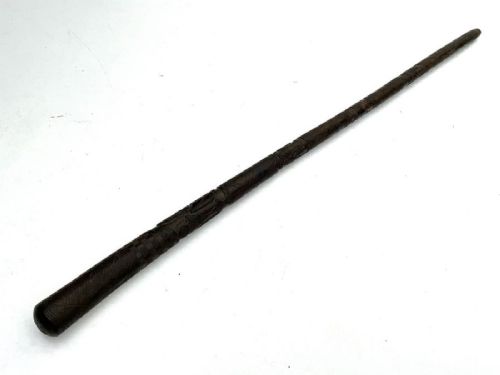
- A wooden sword traditionally utilised for martial arts training and practice. In Japanese woodworking, they demonstrate the strength and grain of native timbers like kashi oak.
Traditional Japanese Wood Carving: Frequently Asked Questions
What is a netsuke used for?
A netsuke served as a practical toggle in traditional Japanese dress, anchoring small pouches or medicine boxes hung from the sash.
Over time, these functional toggles evolved into highly collectible miniature sculptures prized for their intricate carving and tactile qualities.
How do I care for antique wooden carvings?
Keep wooden carvings away from direct sunlight and dramatic temperature fluctuations to prevent the timber from drying out or splitting.
Dust the surface gently with a dry, soft cloth and avoid applying modern chemical polishes or water.
How can I tell the Edo period from the Meiji period?
Edo period pieces often reflect stricter traditional aesthetics and functional folk roots, whereas Meiji period items frequently display heightened naturalism and elaborate decorative detail catering to international collectors.
Analysing the subject matter and carving technique helps establish the likely era of production.
Were these carvings made for export?
Many Meiji period carvings and decorative items were produced specifically for the expanding international export market following the reopening of Japan.
Other items, such as hibachi and architectural elements, were made purely for domestic use within Japanese households.