



Japanese Netsuke Toggle
These Japanese netsuke toggle pieces are small, tactile toggles carved from wood and metal, prized for their intricate detail and historical craftsmanship.
Japanese Netsuke Toggle
A japanese netsuke toggle functions as a traditional fastening weight used to secure pouches and small containers to the sash of a traditional garment. Buyers searching for japanese netsuke toggle examples encounter compact carved objects originating from the nineteenth and early twentieth centuries.
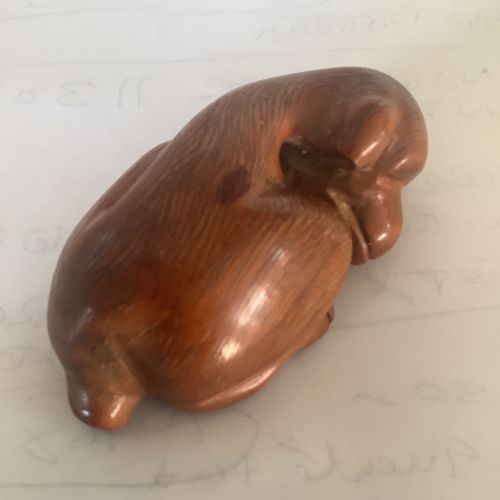
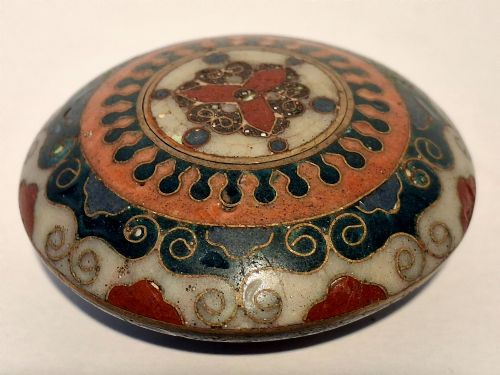
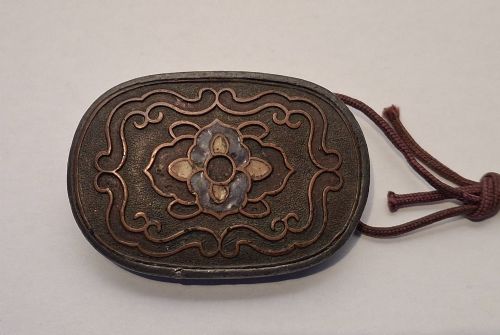
The selections available here span from the Edo period into the Taisho period, representing traditional Japanese craftsmanship. Common forms include figural carvings of dogs, cats, frogs, and human figures, alongside circular manju and kagamibuta styles.
Wooden examples dominate the offerings, frequently rendered in boxwood, hardwood, and exotic timber. Metal and enamel variants also appear, combining copper alloy, pewter, and cloisonne or champleve enamel work.
How they were made
Makers shaped these objects primarily through intricate carving of various woods, utilising boxwood, cherry amber, and exotic hardwoods. Artisans achieved naturalistic textures and detailed animal forms through careful hand tool work.
Certain pieces incorporate metalwork and enamelling techniques, setting cloisonne and champleve enamel into pewter or copper alloy frames. These hybrid manju and kagamibuta formats combine carved wooden elements with metal and enamel components.
Japanese Netsuke Toggle Retail Price Guide 2026
Typical asking prices for japanese netsuke toggle among the pieces listed under this phrase on Sellingantiques today, from the lower quarter to the upper quarter. They describe what is for sale here now, not the wider market.
Materials represented in the available selection include boxwood, pewter, cherry amber, and cloisonne enamel.
What varies in quality
The depth of carving and the naturalism of the form distinguish finer examples from simpler production. Master carvers achieved expressive details in subjects like animals and figures, creating a highly tactile surface.
Material selection influences the character of each piece, with dense timbers and well-preserved enamelwork showing superior preservation. Signed works demonstrate the individual hand of a maker, adding distinction to the carving.
The Japanese Netsuke Toggle Glossary
- Netsuke
- A small carved toggle used historically in Japan to suspend containers from a kimono sash. These objects balance utility with miniature sculptural art.
- Manju
- A flat, rounded style of netsuke shaped like a traditional Japanese bun. They often feature detailed carving or enamel inlay across the circular surface.
- Kagamibuta
- A type of netsuke consisting of a shallow bowl with a metal lid set into the top. The metal disc frequently displays decorative champleve or cloisonne enamelwork.
- Edo Period
- A historical epoch in Japan spanning from the seventeenth to the nineteenth century. Pieces from this era reflect traditional craftsmanship and cultural motifs.
- Cloisonne Enamel
- A technique where enamel paste is applied within wire compartments soldered to a metal base. Firing creates vibrant coloured patterns across the surface.
Japanese Netsuke Toggle: Frequently Asked Questions
What is a japanese netsuke toggle used for?
These small toggles served a practical purpose in traditional Japanese dress by anchoring hanging pouches and baskets to the kimono sash. They acted as a counterweight to keep personal items secure while moving.
Over time, these functional items evolved into miniature sculptures showcasing elaborate carving and materials. Today, collectors appreciate them as tactile desktop objects or display pieces.
How do I care for wooden netsuke pieces?
Wooden carvings require stable environmental conditions away from direct sunlight and extreme humidity changes. Gentle dusting with a soft brush helps maintain the surface without damaging fine details.
Handling the objects allows natural oils from the skin to nourish older wood over time. Avoid using liquid cleaners or polishes on antique timber and enamel surfaces.
How can I tell the period of a piece?
Dating relies on stylistic markers, material choices, and the historical context of Japanese eras such as the Edo and Taisho periods. Examining the wear patterns and tool marks provides further clues regarding age.
Signatures carved into the wood can sometimes connect an object to a specific maker or workshop tradition. Comparing the form against established historical types helps confirm the era of origin.
What materials are common in these items?
Wood is the predominant material, with boxwood, hardwood, and cherry amber frequently utilised by carvers. These timbers allowed for intricate detail and a smooth, tactile finish.
Metal and enamel also appear in hybrid forms, combining pewter, copper alloy, and cloisonne work. Some specialised pieces incorporate organic materials such as boar tusk.