





Hand Carved Stone
Hand carved stone objects bridge utility and sculpture, bringing the weight of centuries and the character of natural material into homes and gardens.
Hand Carved Stone
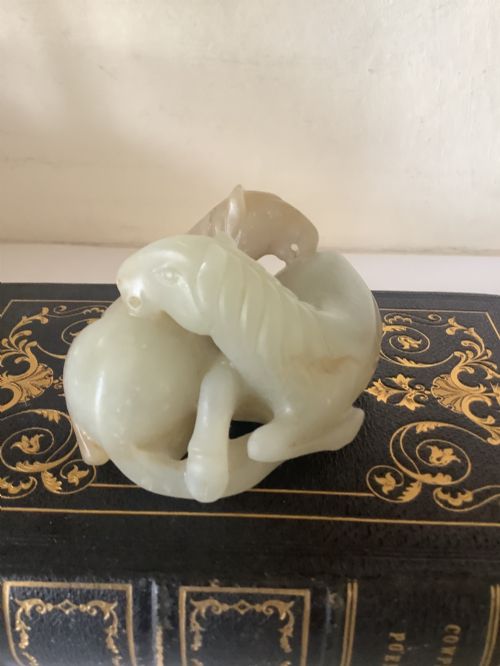
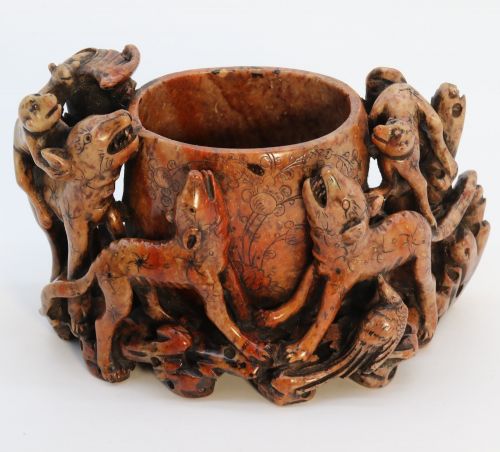
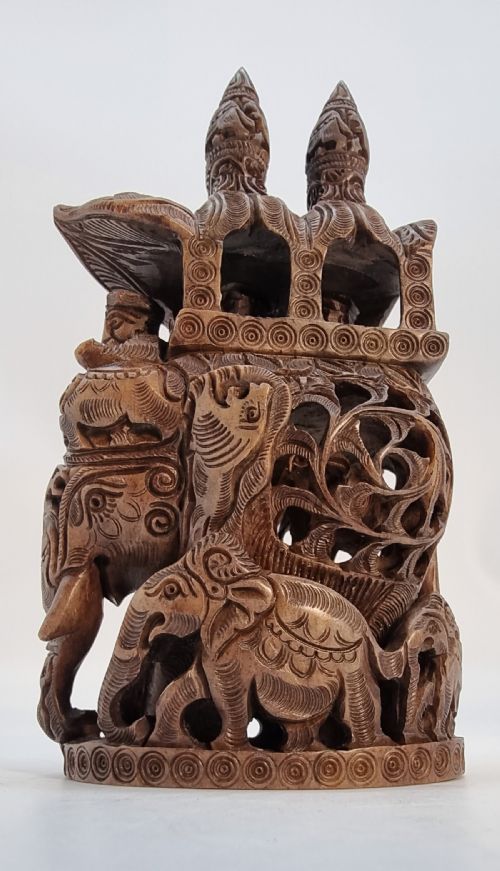
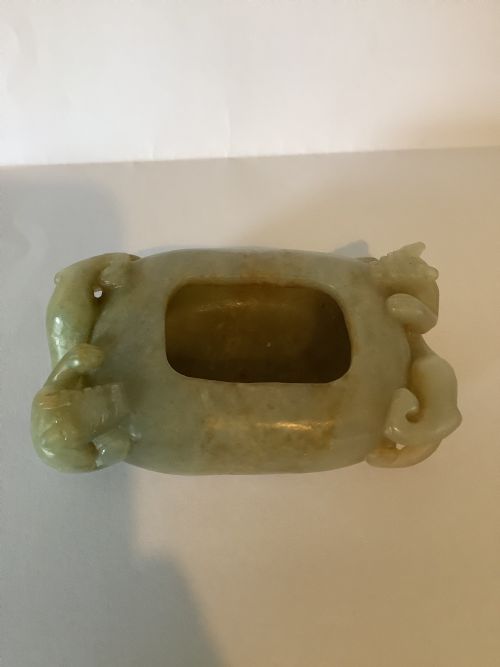
When you search for hand carved stone, you encounter a diverse range of objects spanning architectural salvage, garden ornaments, and intricate sculptures. The selection balances rugged outdoor granite and sandstone with refined indoor items such as jade brush washers and soapstone figures.
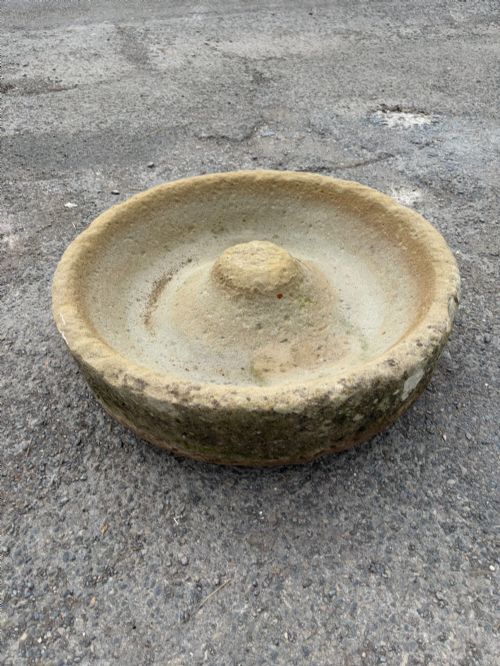
Architectural elements like staddlestones, troughs, and corbels appear frequently alongside garden planters and bird baths formed from Purbeck stone or Cornish granite. Alongside these utilitarian pieces, the inventory holds delicate snuff bottles, seals, and portrait busts created from jade, marble, and soapstone.
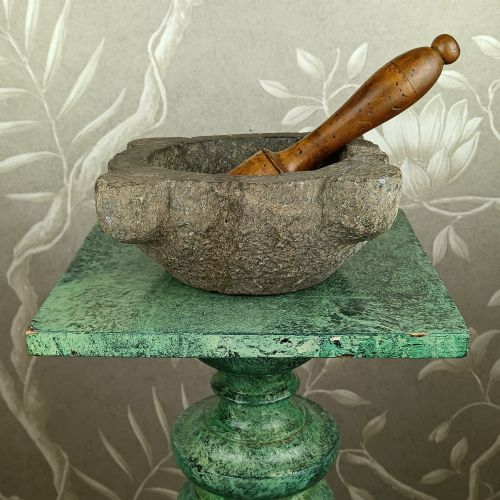
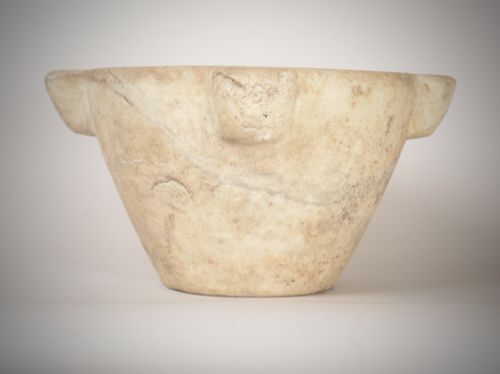
The domestic and garden objects originate from various eras, stretching from pre-sixteenth century fragments to twentieth century carvings. Buyers often discover seventeenth and eighteenth-century mortars sitting beside nineteenth-century Grand Tour marble chambersticks and Chinese Qing dynasty sculptures.
Materials and carving techniques
Artisans shape hard and soft minerals using chisels, saws, and abrasive grinding techniques suited to the specific density of the medium. Softer stones like soapstone, alabaster, and Bath stone allow for intricate undercut details and smooth figurine contours, whereas dense sandstones and granites demand robust percussion work for architectural troughs and staddlestones.
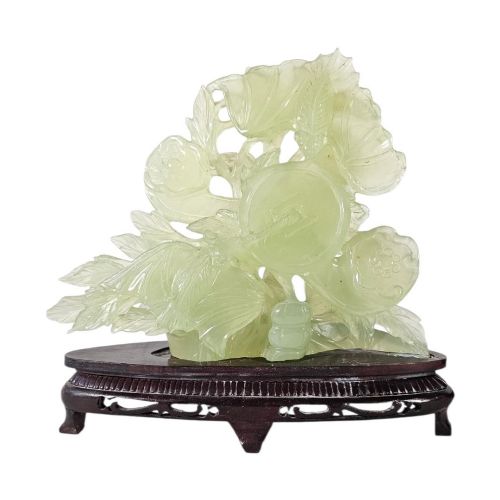
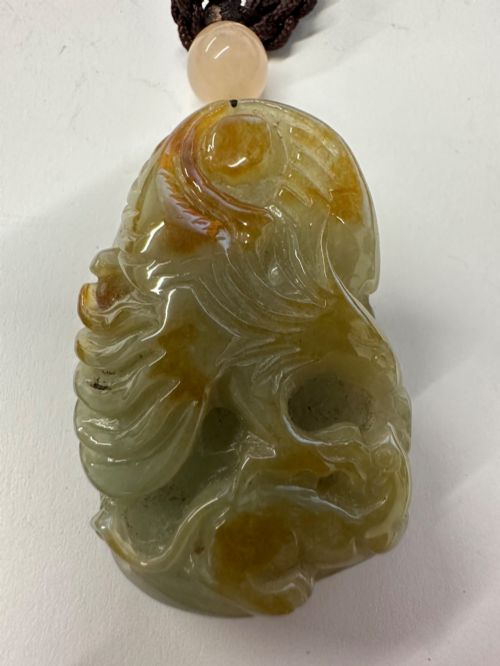
Jade and agate present entirely different challenges, requiring precision abrasive cutting and polishing to reveal translucency and natural colour variations within the stone. Marble and limestone permit detailed figurative rendering, seen in architectural wall cherubs and classical statues shaped by hand over extended periods.
Hand Carved Stone Retail Price Guide 2026
Typical asking prices for hand carved stone among the pieces listed under this phrase on Sellingantiques today, from the lower quarter to the upper quarter. They describe what is for sale here now, not the wider market.
Listings feature items carved from soapstone, jade, sandstone, limestone, marble, and granite across multiple centuries.
Distinctions in quality
The standard of a hand carved stone piece rests upon the ambition of the design and the sensitivity of the chisel work relative to the difficulty of the material. Intricate undercut foliage or deep relief landscapes carved into tough jade or dense sandstone display an artisan's mastery over the medium.
Proportion and weathering further determine the distinction between basic utility items and superior decorative examples. Architectural salvage with crisp, purposeful tool marks and harmonious geological ageing holds greater aesthetic presence than purely functional stone lacking refined shaping.
Bright And Sons·M. R Bland
The Hand Carved Stone Glossary
- Staddlestone
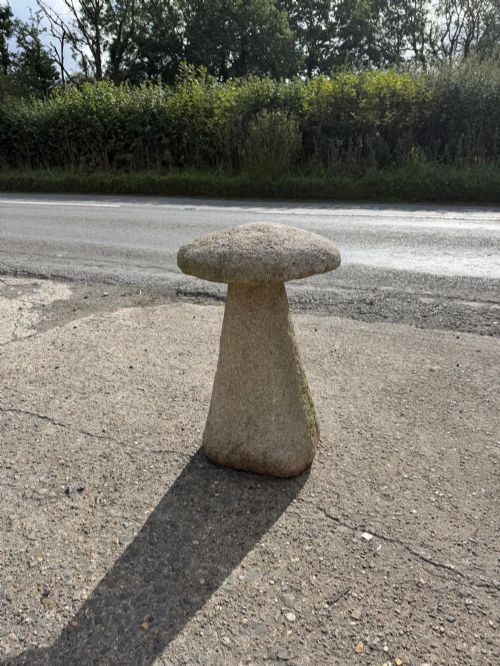
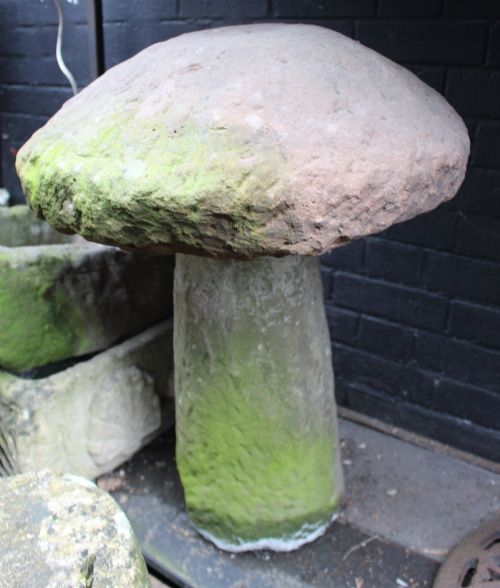
- A mushroom-shaped stone support historically used to elevate granaries and barns off the ground to prevent damp and vermin. These architectural elements now frequently serve as garden ornaments.
- Soapstone
- A talc-schist metamorphic rock that feels remarkably soft and soapy to the touch. This material allows for intricate carving of figures, seals, and brush pots.
- Corbel
- A structural piece of stone jutting from a wall to carry a heavy weight. They often feature carved figurative or foliate designs.
- Brush washer
- A small vessel filled with water used in East Asian calligraphy to clean ink brushes. They are frequently carved from jade or hardstone.
- Trough
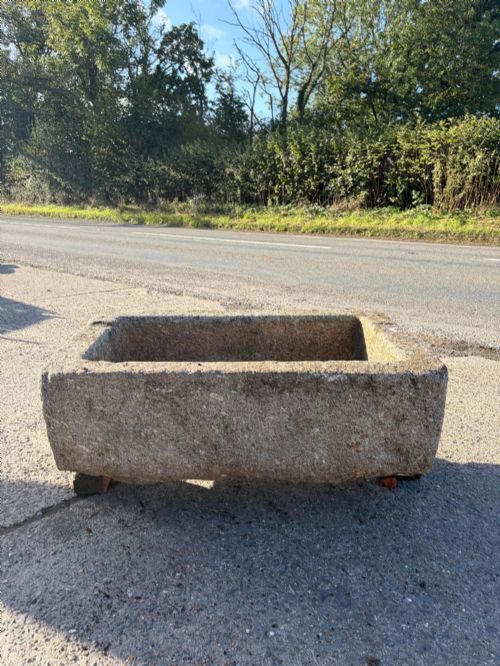
- A long, narrow open container traditionally hewn from sandstone or limestone for feeding livestock or holding water. Gardeners repurpose them today as planters.
Hand Carved Stone: Frequently Asked Questions
How do I identify the stone type?
Distinguishing between stones relies on observing hardness, texture, and natural grain patterns. Softer minerals like soapstone and alabaster feel warm and smooth, while granites and basalts present dense, speckled crystal structures.
Examining weight and colour variations helps separate sedimentary sandstones and limestones from metamorphic jade and marble. Consulting historical context or regional quarry types also clarifies the specific mineral composition.
Can antique stone troughs go outside?
Heavy stone troughs, staddlestones, and planters are naturally suited for outdoor gardens because they withstand weathering and frost. Their original purpose involved exposure to the elements.
Positioning them on level ground ensures stability, and porous sandstones or limestones gradually develop natural moss and lichen patinas over decades outdoors.
How should I clean carved soapstone?
Soapstone requires gentle maintenance to preserve its smooth surface and characteristic finish. Using a soft cloth dampened with warm water removes dust without harming the mineral.
Avoid harsh chemical cleaners and abrasive scouring pads that scratch the soft surface. Applying occasional mineral oil helps restore the deep lustre of antique soapstone carvings.
What is a staddlestone used for?
Historical agricultural structures relied on staddlestones as foundational pillars to keep wooden granaries elevated. The distinctive cap and base design prevented rats and mice from climbing up into stored grain.
Today, these sculptural stone components serve as striking decorative ornaments in lawns, rockeries, and garden pathways.