



Rustic Garden Feature
A rustic garden feature brings genuine age and heavy mass to outdoor spaces, grounding a planting scheme with weathered stone or forged iron.
Rustic Garden Feature
When you search for a rustic garden feature, you are looking at heavy utilitarian objects and architectural salvage transformed into garden ornaments. The pieces on this page span the eighteenth century to the mid twentieth century, drawing on agricultural and vernacular traditions rather than formal landscape design.
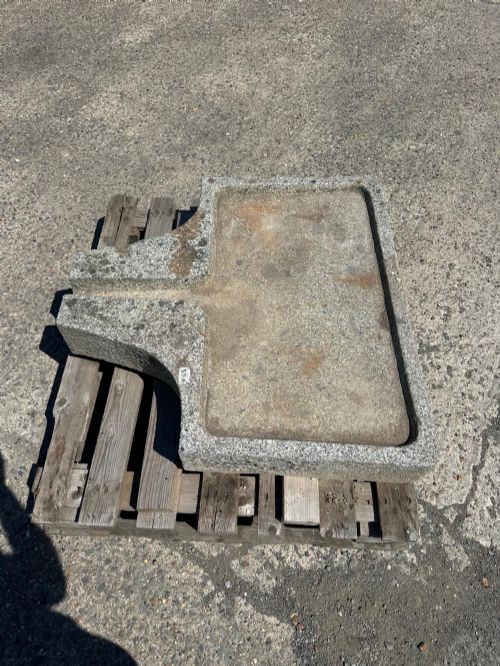
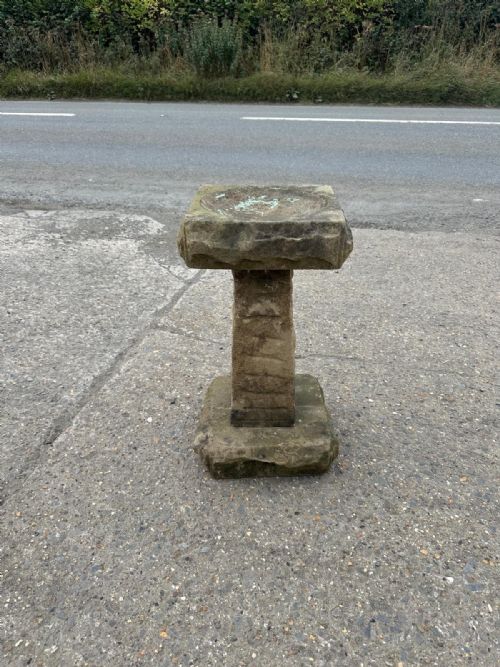
You are most likely to meet staddle stones in Cornish granite or sandstone, alongside millstones, grindstones, and granite presses. These heavy stone items sit alongside cast iron urns, wrought iron weather vanes, and stone bird baths derived from Purbeck stone or shell-shaped basins.
The styles range from rustic country and vernacular to Victorian agricultural and industrial. They were originally forged or quarried for working farms and estates, and they now serve as focal points in traditional gardens.
How they were made
The construction relies upon durable outdoor materials such as Cornish granite, sandstone, limestone, Purbeck stone, and granite, chosen for their resilience against weathering. Metals appear in the form of forged and wrought iron used for weather vanes, hay racks, and tethering handles.
Stonemasons shaped staddle stones and millstones by hand from quarried rock, while blacksmiths hammered iron into functional wall racks and weather vanes. Many surfaces display the tool marks of their initial manufacture alongside the natural accumulation of moss and lichen over decades.
Rustic Garden Feature Retail Price Guide 2026
Typical asking prices for rustic garden feature among the pieces listed under this phrase on Sellingantiques today, from the lower quarter to the upper quarter. They describe what is for sale here now, not the wider market.
Materials span hard Cornish granite, Purbeck stone, sandstone, limestone, and forged iron, often carrying living moss and lichen.
What varies in quality
Quality rests in the integrity of the material and the character of the weathering rather than a pristine finish. Harder stones like granite retain their crisp chisel marks better than softer sandstones, though both gain authority from age.
The relationship between the stone top and its base, or the completeness of an iron mechanism such as a weather vane, determines the cohesion of the piece. Authentic agricultural provenance and untouched surfaces separate honest vernacular items from later reproductions.
The Rustic Garden Feature Glossary
- Staddle stone
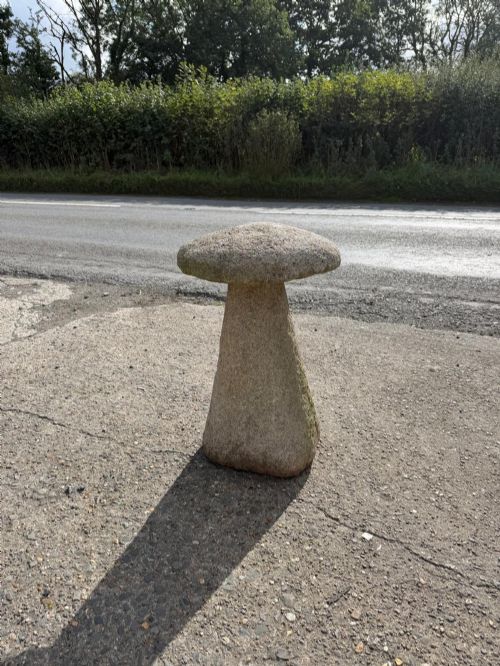
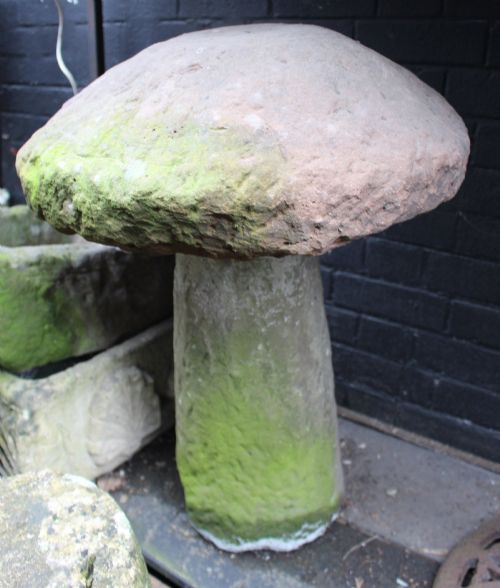
- A mushroom-shaped stone support originally used to elevate granaries off the ground to keep grain dry and clear of vermin. They feature a distinct cap resting upon a separate base.
- Millstone
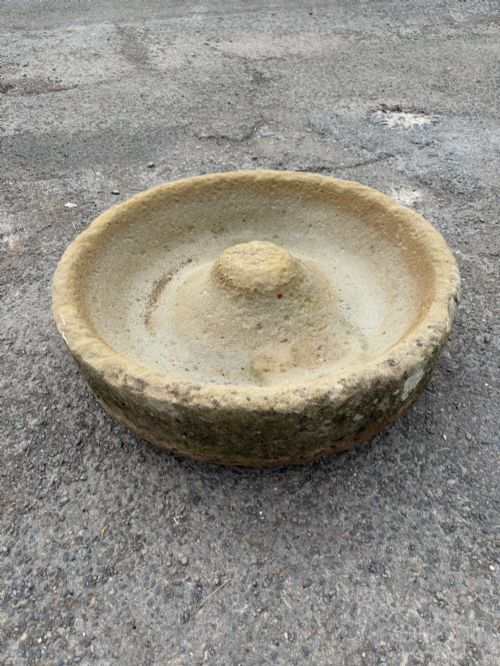
- A heavy circular stone used in pairs for grinding grain or pressing agricultural produce. They often retain a central aperture and occasionally forged iron tethering handles.
- Weather vane
- An instrument mounted on roofs or posts to indicate wind direction, driven by a movable arrow or ornament forged from wrought or cast iron.
- Granite press
- A heavy stone agricultural press utilised for extracting liquids from produce on farms. These massive blocks show the utilitarian origins of garden salvage.
- Architectural salvage
- Building elements and utilitarian objects rescued from demolition or farm clearances to be reused in landscape and garden design.
Rustic Garden Feature: Frequently Asked Questions
How do I place a heavy staddle stone?
These stones possess immense mass and require careful positioning on firm, level ground to prevent shifting.
Most items need no mechanical fixing due to their weight, but separating the cap and base makes transport and placement manageable.
Can I leave stone bird baths outside in winter?
Granite, sandstone, and Purbeck stone withstand outdoor elements well and tolerate seasonal frost without protective storage.
Ensuring shallow basins do not freeze solid with standing water helps preserve the stone surface over time.
How do I clean moss and lichen off garden stone?
Natural growths like moss and lichen are part of the character of antique garden stone and are generally left undisturbed.
If cleaning is necessary, water and a soft brush suffice, avoiding harsh chemicals that might damage the weathered patina.
How do I tell an 18th-century staddle stone apart from a later one?
Earlier examples display hand-chiselled surfaces and specific regional stone types such as Cornish granite from eighteenth-century quarries.
Later pieces often show more uniform machine cutting or smoother finishes characteristic of nineteenth-century production.