


Hammered Copper Hearth
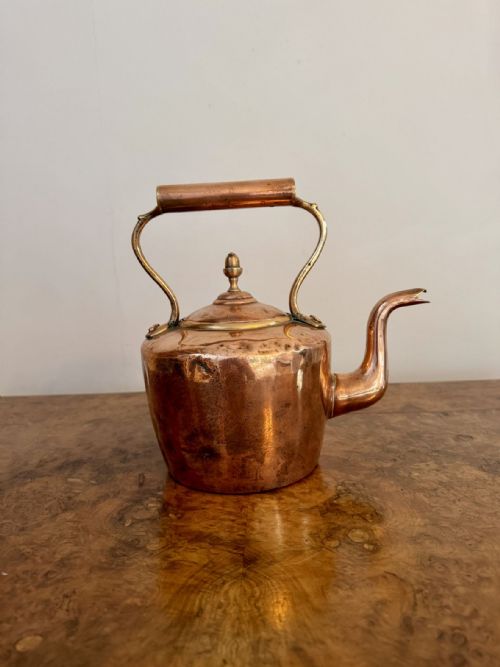
These hammered copper hearth pieces bring tactile warmth to a fireplace, shaped by hand from durable metal during the Victorian, Edwardian, and earlier periods.
Hammered Copper Hearth
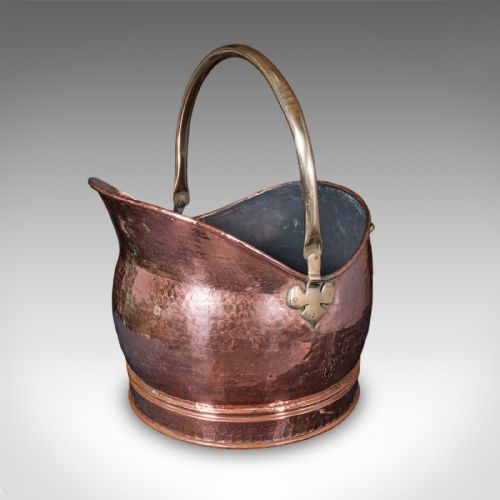
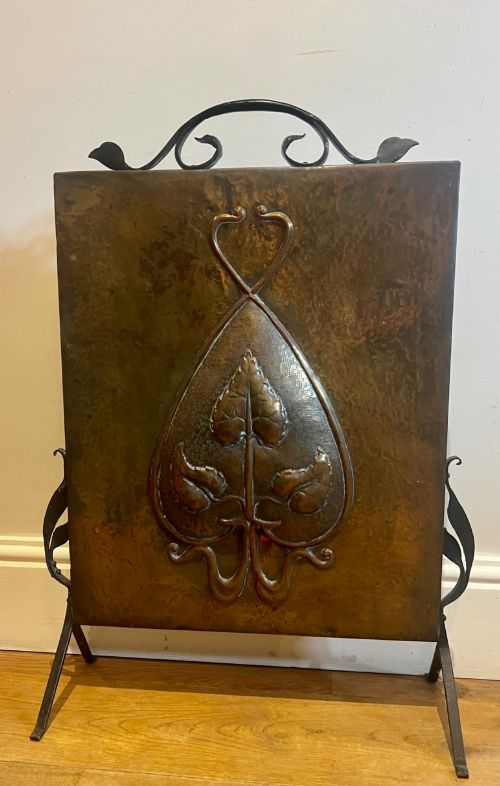
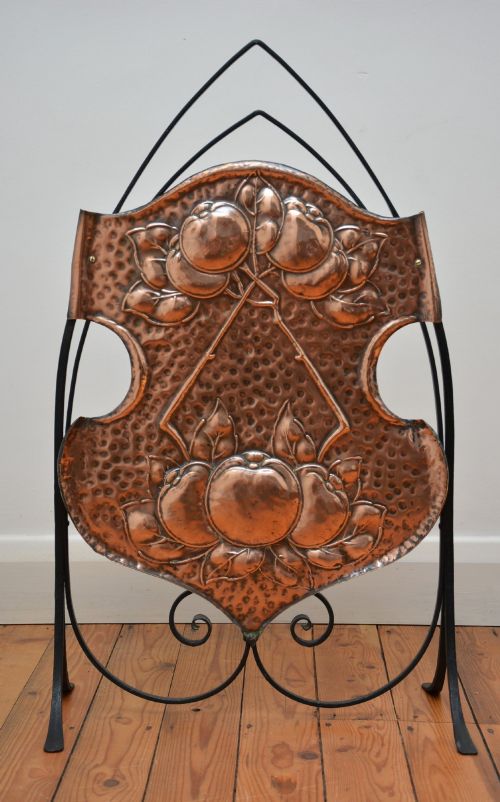
When you search for a hammered copper hearth, you encounter functional fireside items designed to contain fuel or frame a fireplace. These pieces include coal buckets, scuttles, log bins, fire screens, fenders, and fire fronts originating from the eighteenth, nineteenth, and early twentieth centuries.
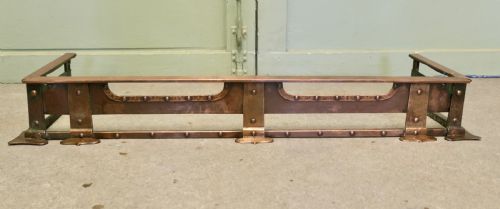
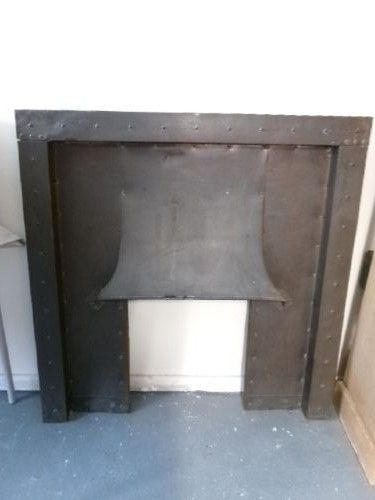
The selections span distinct design movements, with Arts and Crafts and Art Nouveau items appearing alongside robust Victorian and Georgian examples. You are likely to meet riveted coal buckets and beaten copper fenders that show direct manipulation of the sheet metal.
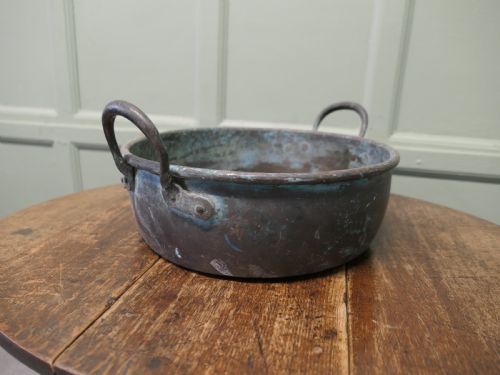
Utility merges with decorative presence in these items, transitioning from utilitarian kitchen vessels and grain measures adapted for the hearth to purpose-built fireside furnishings. Brass handles, iron fittings, and wooden frames frequently accompany the primary copper body.
Materials and construction methods
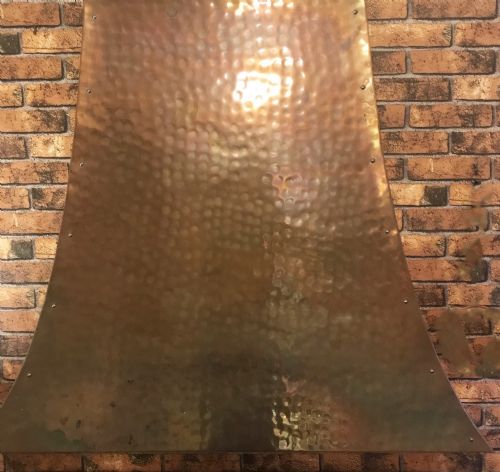
Makers shaped sheet copper using hand-beating and hammering techniques to build up textured surfaces, securing seams with exposed rivets. Iron and wrought iron provided structural strength for fenders, frames, and handles, while brass was utilised for decorative mounts and accents.
The integration of materials reflects both workshop production and domestic utility, combining heavy copper bodies with sturdy iron bases or brass trim. Oak framing appears on specific fire screens, anchoring the beaten metal panels within a wooden border.
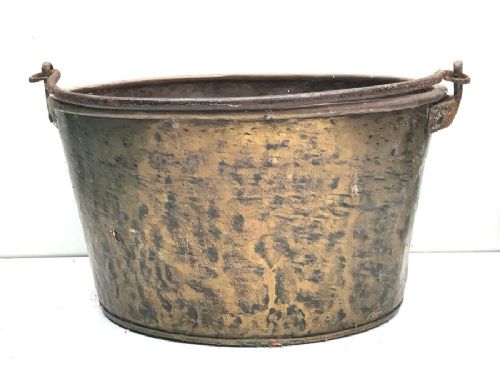
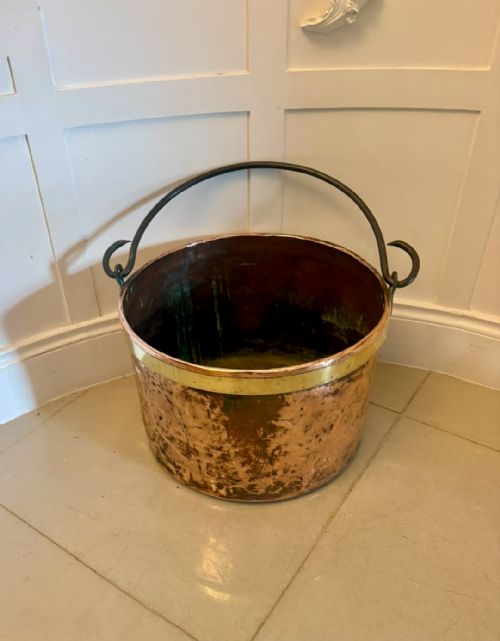
Several heavy copper grain measures left the farm behind to retire as handsome log bins by the fireplace.
Distinctions in craftsmanship and form
The weight of the metal and the depth of the hand-finishing separate robust examples from lighter productions. Substantial gauge copper and tight, even riveting demonstrate superior structural integrity in bins, fenders, and scuttles.
Artistic expression distinguishes simple utility items from pieces bearing distinct stylistic movements like Art Nouveau or Arts and Crafts. Well-defined repoussé work, balanced proportions, and integrated brass or iron components elevate the visual impact of the hearth.
The Hammered Copper Hearth Glossary
- Fender
- A low metal guard placed around the hearth to contain embers and ash. These items often feature beaten copper panels and brass detailing.
- Coal scuttle
- A container designed for holding and transporting solid fuel to the fire. Helmet scuttles incorporate a flared lip and hinged handle for pouring.
- Arts and Crafts
- A design movement prioritising handcraftsmanship and traditional materials over industrial mass production. Items from this tradition display visible hammering and riveted construction.
- Repoussé
- A metalworking technique where the metal is hammered from the reverse side to form a raised design on the front. This method decorates many fire screens and panels.
- Log bin
- A large vessel utilised for storing firewood beside the fireplace. These cylindrical containers frequently utilise heavy riveted copper construction.
Hammered Copper Hearth: Frequently Asked Questions
How do I clean a copper hearth piece?
Maintenance depends on whether you prefer a bright polished finish or a dark patinated surface built up over decades. Gentle washing with warm soapy water removes soot without stripping the character.
Avoid abrasive scouring pads that disturb the historic hand-beaten texture. Specialist metal cleaners apply only if you wish to expose the bright pink-orange tone of the metal.
Were these items meant for daily use?
Most pieces served practical functions in nineteenth-century homes, carrying coal, storing logs, or shielding rooms from intense heat. Heavy copper grain measures and cooking pans also found second lives by the hearth.
Their robust construction of thick metal and iron rivets ensured they could withstand the demands of stoking solid fuel fires daily.
How do I date a copper hearth accessory?
Stylistic clues provide the clearest timeline, with Georgian items showing plain utility and Victorian pieces often featuring embossed or helmet shapes. Arts and Crafts and Art Nouveau examples point towards the late nineteenth and early twentieth centuries.
Construction methods also assist, as hand-beating and early rivet styles differ from twentieth-century machine fabrication.
Can I use an antique fender with modern fires?
Historic fenders fit well around modern hearths provided you measure the opening and clearance accurately. They create a physical barrier and add period character to the room.
Ensure the metal sits safely away from direct open flames if utilised with gas or solid fuel setups.