
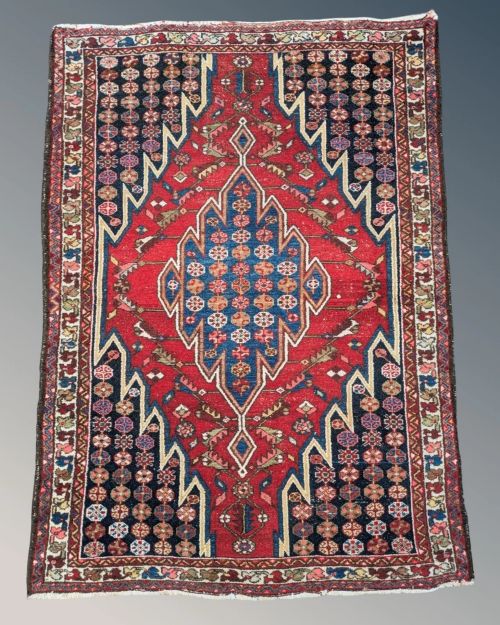
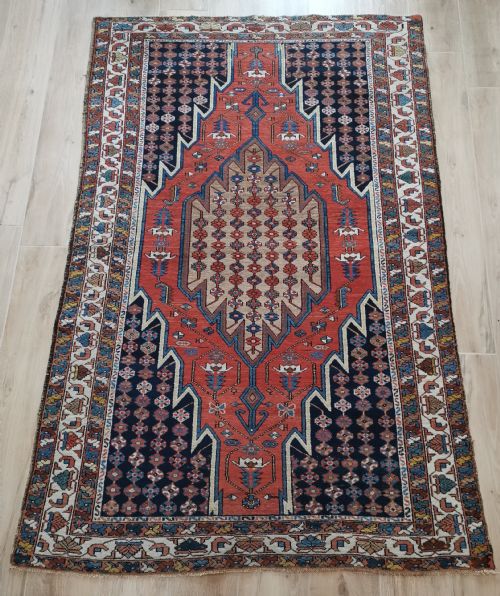
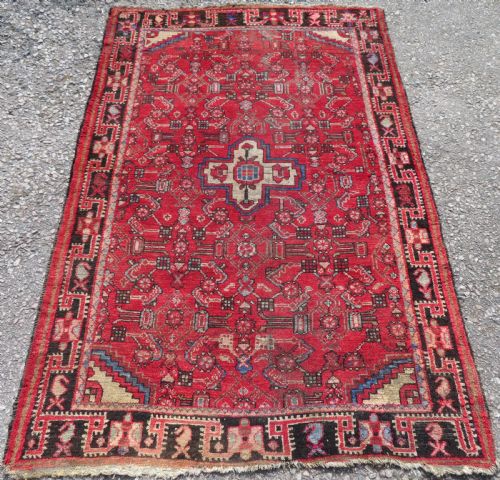
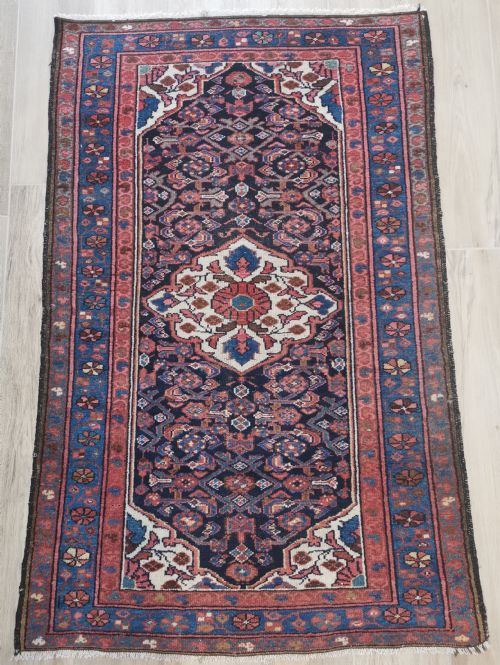


Hamadan Tribal Rug
A hamadan tribal rug brings the enduring artistry of West Persian village weavers directly to your floor, offering rich wool warmth and distinct regional character.
Hamadan Tribal Rug
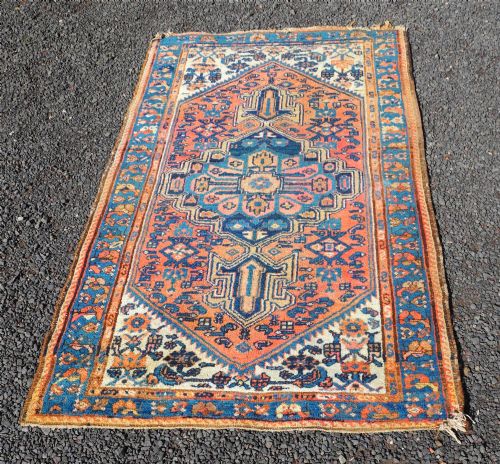
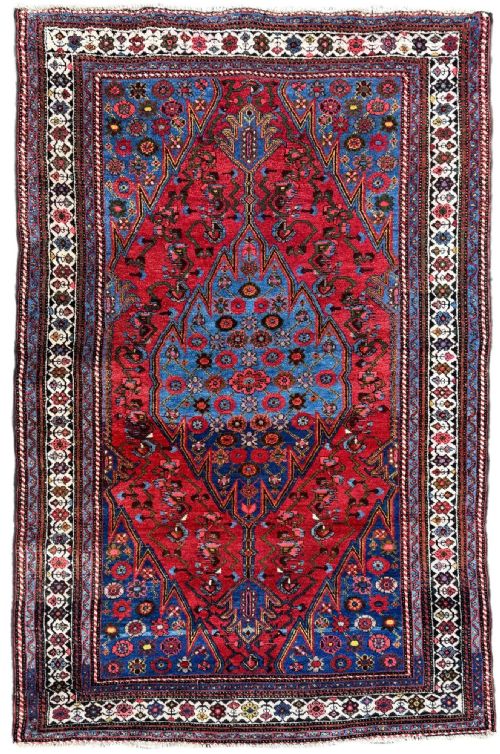
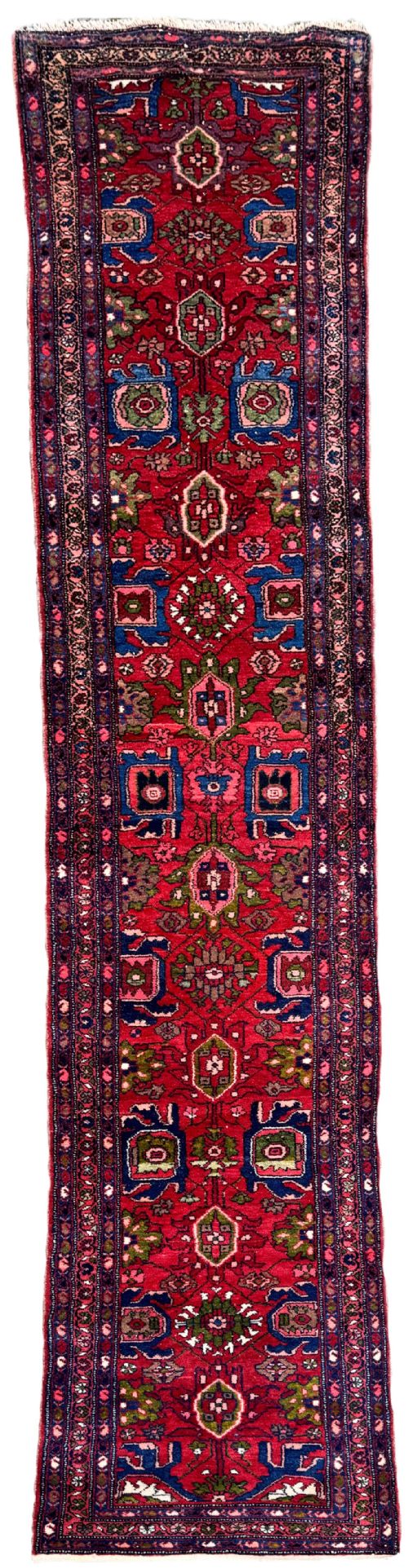
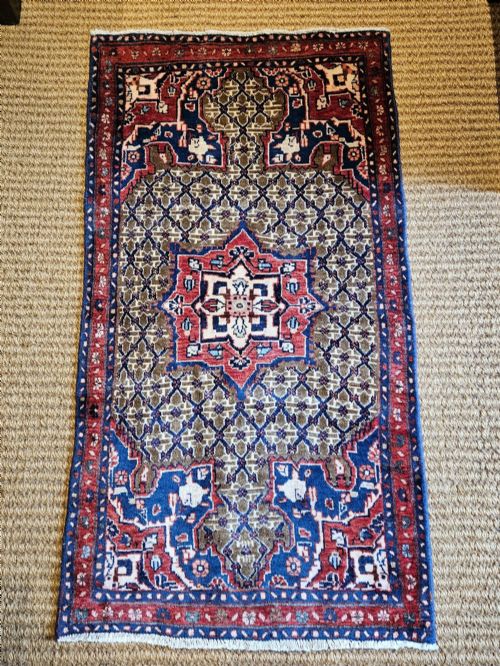
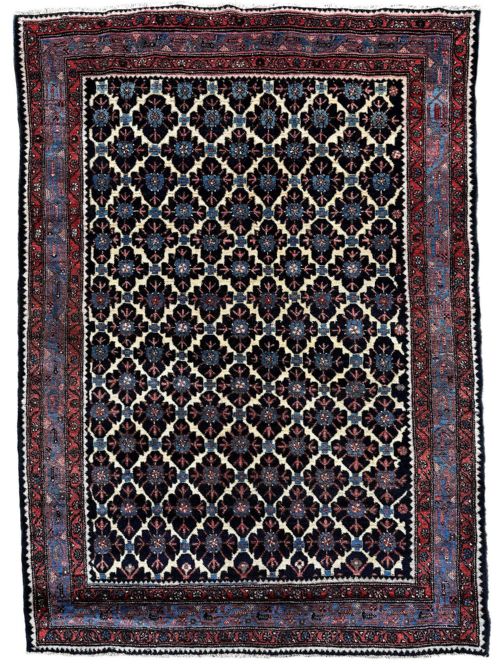
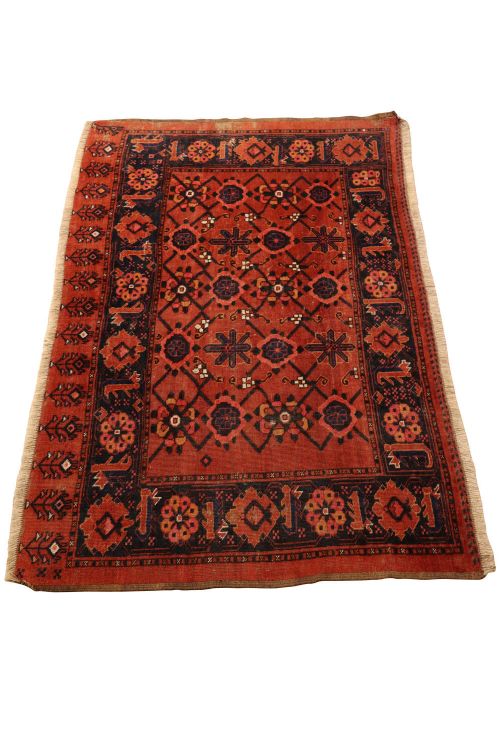
A hamadan tribal rug represents the output of various village and tribal workshops across the expansive Hamadan region of West Persia. When searching this phrase, buyers encounter traditional formats ranging from compact hearth sizes and standard area rugs to elongated hallway runners and larger kelleh carpets. Production spans from the late nineteenth century through the mid-twentieth century, capturing a diverse array of village aesthetics.
The pieces on this page heavily feature woven works originating from surrounding districts and associated village groups such as Mazlaghan, Malayer, and Kurdish weavers. These rugs typically display geometric medallions, floral lattice patterns, and boteh motifs rooted in regional weaving traditions. The most common varieties met here are durable area rugs and narrow runners dating from the 1900s to the 1930s.
Materials and Construction
These traditional floor coverings are constructed using durable wool piles hand-knotted onto sturdy cotton foundations. The natural lanolin retained in the handspun wool contributes resilience and a dense tactile quality to the surface.
Weavers utilised traditional hand-knotting techniques specific to West Persian village methods, producing robust structures designed for heavy domestic use. Vegetable and natural dye traditions yielded deep indigo, madder red, and earthy secondary tones that age gracefully over time.
The inventory encompasses various regional forms including narrow hallway runners, hearth-sized formats, and large kelleh carpets.
Assessing Quality and Execution
Quality in these West Persian tribal pieces depends on the tightness of the hand-knotting and the crispness of the geometric or floral design execution. Finer examples exhibit a higher knot density that allows intricate medallion details and lattice work to remain sharply defined.
The condition of the wool pile and the integrity of the original selvedges and ends also separate standard village pieces from superior specimens. Substantial pile retention and even wear across the surface indicate careful historic use and robust initial craftsmanship.
The Hamadan Tribal Rug Glossary
- Hamadan
- A major West Persian market and distribution centre for rugs woven by surrounding villages and nomadic tribes. Pieces bearing this attribution often share robust wool structures and varied geometric or floral vocabularies.
- Runner
- A long, narrow carpet format traditionally utilised in hallways, corridors, or alongside larger furniture pieces. These elongated rugs require specific geometric scaling to maintain visual balance across their extended length.
- Boteh
- A stylised almond, pear, or flame-shaped motif deeply rooted in Persian textile design. This ancient symbol appears frequently throughout West Persian village weaving, often arranged in rows or surrounding central medallions.
- Kelleh
- A large rectangular carpet format larger than a standard area rug but narrower than a full room-size carpet. They were traditionally woven for specific spaces within Persian homes.
- Selvedge
- The reinforced outer edge of a rug running parallel to the warp threads, finishing the piece and preventing unraveling. Original intact selvedges contribute significantly to the authenticity and preservation of an antique textile.
Hamadan Tribal Rug: Frequently Asked Questions
How do I clean an antique rug?
Gentle surface brushing and professional dusting are recommended to maintain antique wool pile without introducing excess moisture. Harsh chemical cleaners and immersion washing should be avoided to protect natural dyes and fragile cotton foundations.
For regular maintenance, careful vacuuming without a rotating beater bar prevents the accumulation of grit in the knot base. Professional textile conservators should handle deep cleaning needs.
Where were these rugs made?
These textiles originate from the Hamadan region in West Persia, encompassing numerous surrounding villages, nomadic camps, and distinct weaving districts like Malayer and Mazlaghan. Local weavers produced these pieces in domestic settings using regional materials.
The specific village styles reflect the heritage of local Kurdish and other tribal groups working within the broader Hamadan sphere.
Are these pieces suitable for hallways?
The inventory frequently includes narrow runners and long formats specifically suited for hallways, corridors, and high-traffic transitional spaces. Their robust wool construction handles sustained foot traffic effectively when paired with an appropriate underlay.
Selecting the correct length ensures the rug sits properly within the architectural proportions of the passage without obstructing doors.
How do I date an antique rug?
Dating relies on assessing material characteristics, dye palettes, structural wear patterns, and stylistic markers consistent with known production periods. Pieces from the late nineteenth century often display distinct natural dye shifts and softer wool patination compared to later decades.
Structural evidence such as foundation materials and knotting style helps narrow the timeline alongside documented design evolutions across West Persian villages.