
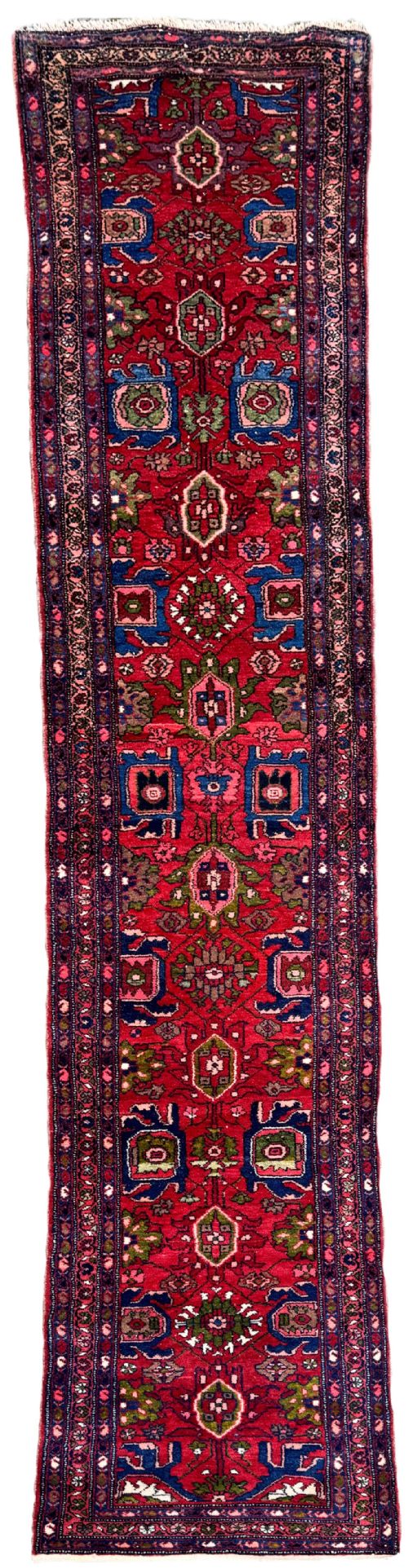
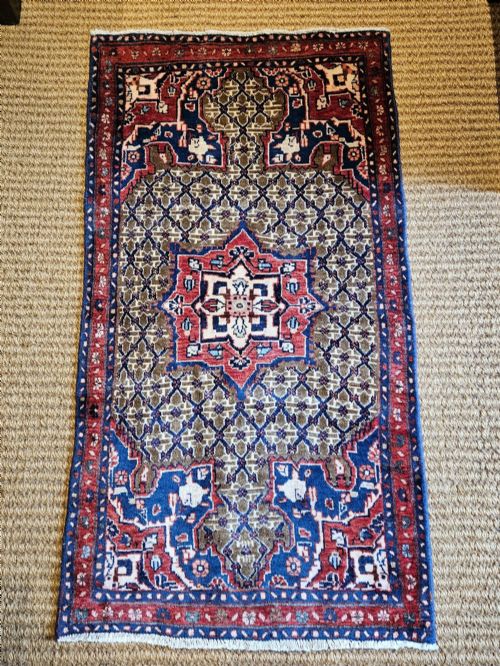
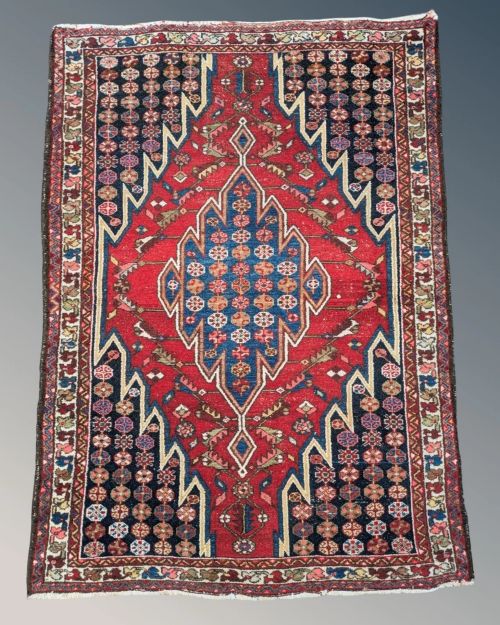
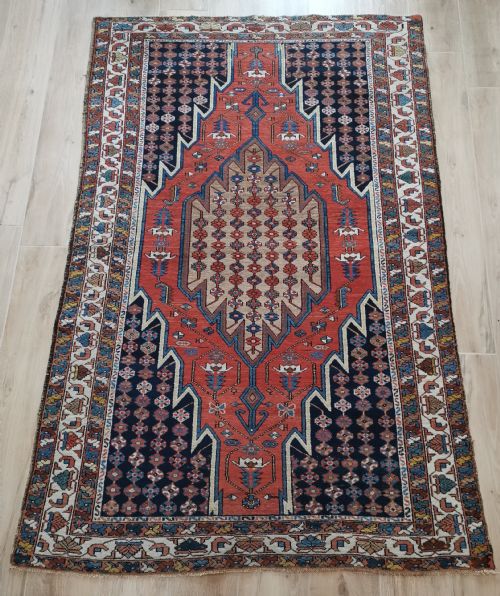


Hamadan Runner Rug
These hamadan runner rug pieces bring lasting character to long hallways, woven by village hands across Persia through the late nineteenth and early twentieth centuries.
Hamadan Runner Rug
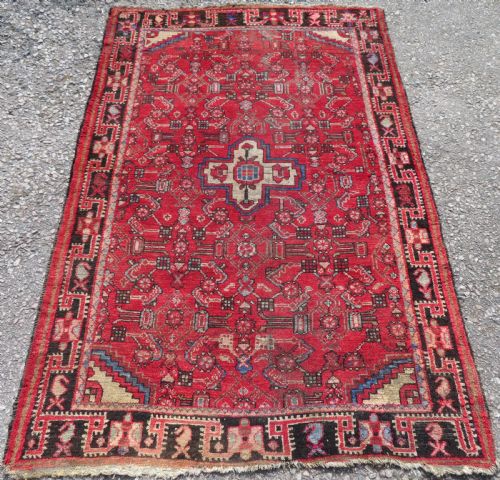
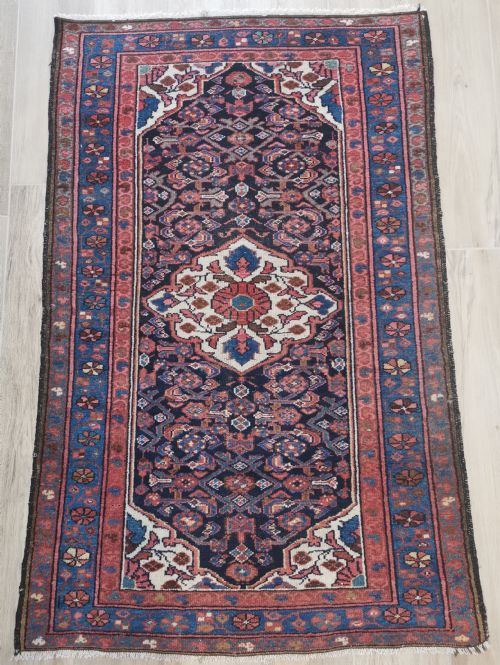
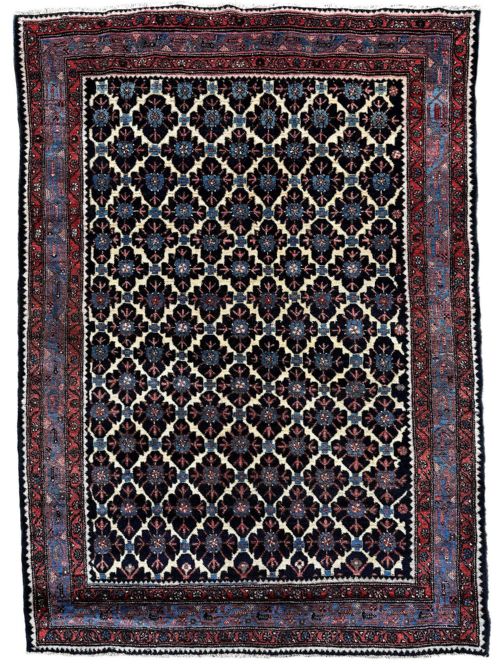
A hamadan runner rug represents the traditional weaving output of numerous villages across the Hamadan region in West Persia, shaped by local artisans rather than urban workshops. These pieces appear predominantly as elongated hallway runners alongside narrower formats and rectangular formats dating from the 1880s to the 1930s.
The style spans persian tribal designs, traditional persian motifs, and specific regional village patterns originating from places like Mazlaghan, Sanjan, Borodjert, and Kurdish settlements. Buyers encounter these floor coverings in various proportions, from narrow proportions exceeding four metres in length down to compact hearth sized rugs.
Village weavers constructed these floor coverings for practical domestic service, incorporating geometric layouts, floral lattice patterns, and repeated medallions. Each piece reflects the specific aesthetic choices of the weavers who produced them in rural Persian communities.
Materials and Construction
Traditional weavers constructed these textiles using durable wool pile anchored onto sturdy cotton foundations. This pairing provided the structural strength required for heavy foot traffic in busy hallways and country house interiors.
Local artisans utilised hand-spun wool dyed with regional colour palettes, yielding thick pile textures that withstand prolonged use. The knotting technique and tight packing of the foundation threads ensured long-term durability across generations of domestic service.
Some runners stretch beyond four metres in length, designed to accommodate the grand corridors of traditional country houses.
Assessing Quality and Execution
Quality in a hamadan runner rug rests upon the fineness of the weave, the clarity of the design motifs, and the integrity of the wool pile. Tighter knot counts and precise geometric execution distinguish superior examples from simpler village output.
The survival of original side cordings and complete end finishes preserves the structural stability of the piece. Uniform pile depth and balanced proportions across long formats indicate careful craftsmanship during production.
The Hamadan Runner Rug Glossary
- Runner
- A long, narrow carpet format designed specifically for hallways, corridors, and stairs. These pieces measure significantly longer than they are wide.
- Pile
- The upright yarn loops or cut ends that form the usable surface of the rug. A thick pile provides cushioning and protects the structural foundation.
- Kelleh
- A large format carpet traditionally positioned in the longer section of a reception room. These rectangular formats offer substantial floor coverage.
- Mazlaghan
- A specific village style associated with distinct geometric medallion layouts within the broader regional weaving tradition. These rugs exhibit characteristic colour contrasts and structural traits.
- Foundation
- The underlying mesh of warp and weft threads that supports the decorative wool pile. Cotton serves as the primary material for these structural threads in the region.
Hamadan Runner Rug: Frequently Asked Questions
Where should I place a hamadan runner rug?
These elongated formats suit hallways, corridors, and long entryways where floor coverings soften footfalls and protect timber boards.
Their sturdy wool construction handles daily traffic while adding traditional character to narrow domestic spaces.
How do I care for an antique wool rug?
Regular gentle vacuuming without a rotating brush roll prevents dust accumulation within the pile fibres. Professional cleaning maintains the integrity of the wool and cotton materials.
Keeping the piece out of direct sunlight preserves the natural dyes used by the original village weavers.
How can I tell the age of these rugs?
Dating relies upon examining the weave structure, wool characteristics, and design conventions typical of the late nineteenth and early twentieth centuries. Regional village traits and natural colour variations often indicate the period of production.
Comparative analysis with archived pieces helps establish whether a runner originates from the eighteen-eighties or the nineteen-thirties.
What is the difference between a runner and a long rug?
Runners possess an explicitly narrow, elongated proportion designed for corridors and passages. Long rugs generally feature broader dimensions suited to larger rooms rather than narrow walkways.