


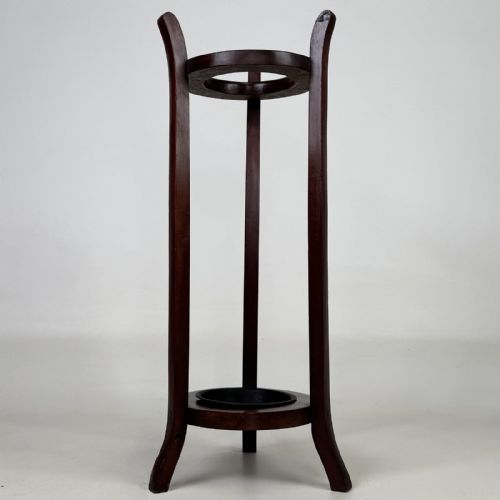
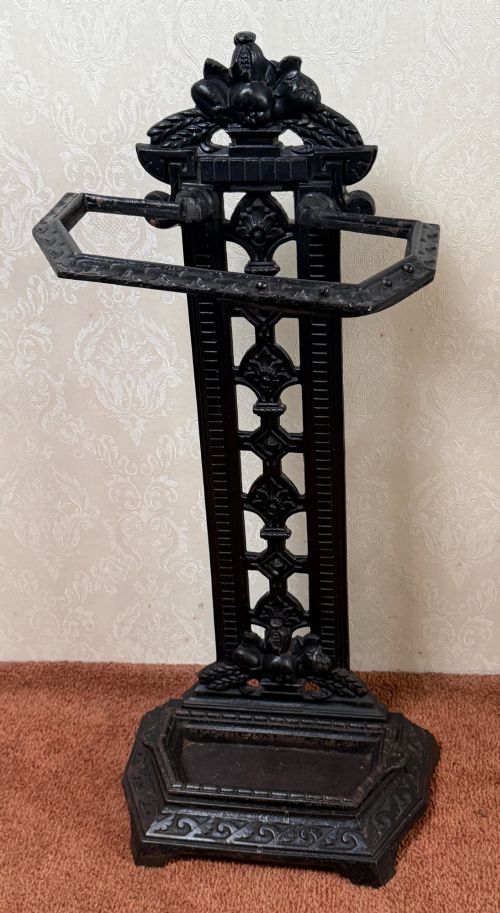

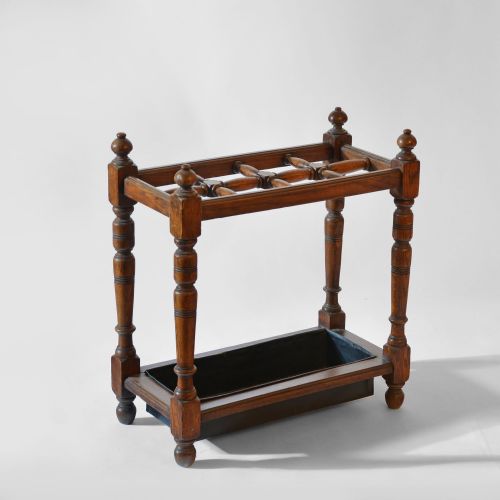
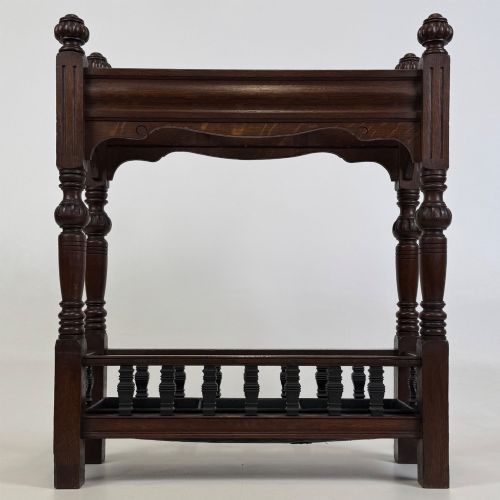
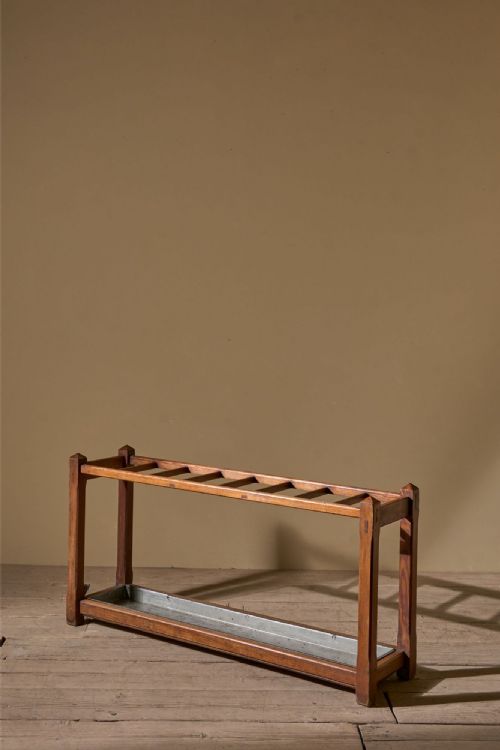
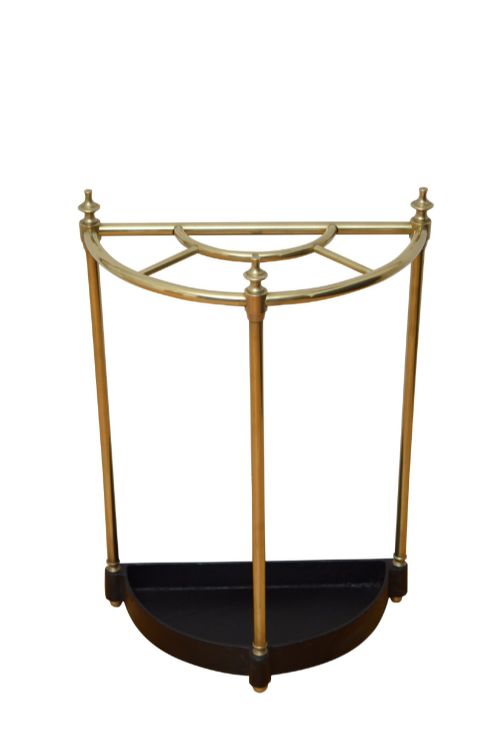
Hallway Stick Stand Drip Tray
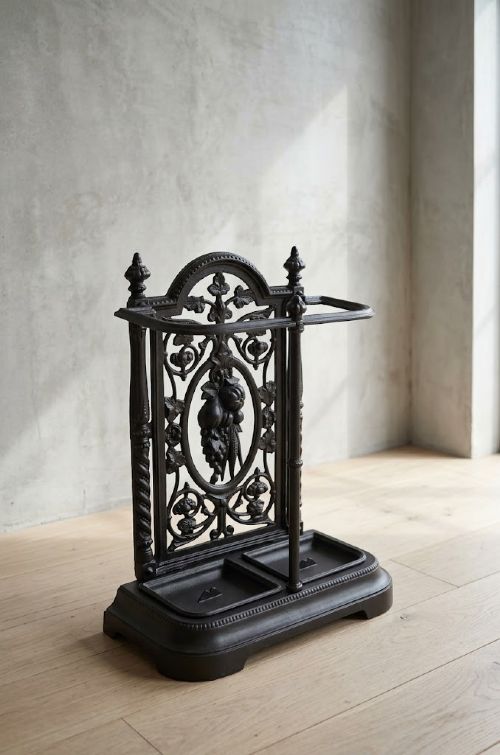
A hallway stick stand drip tray corrals wet walking sticks and umbrellas in an entrance hall, offering both utility and period character.
Hallway Stick Stand Drip Tray
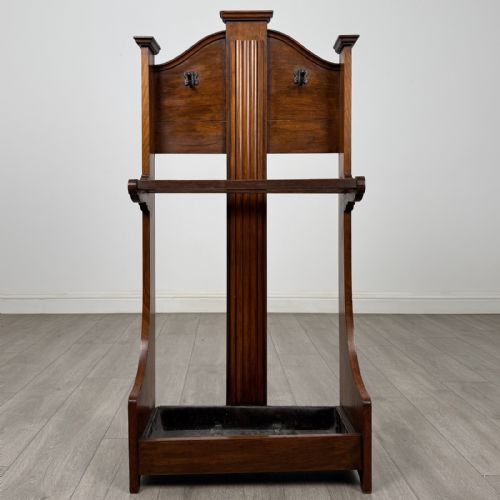
A hallway stick stand drip tray serves the practical function of catching water from wet umbrellas and walking sticks while anchoring the hallway furniture scheme. These pieces appear predominantly in forms such as dedicated umbrella stands, combined stick stands, and larger hall stands incorporating seats or coat hooks.
The selection ranges across the nineteenth and twentieth centuries, taking in Victorian, Edwardian, and Art Deco periods. Buyers encounter heavy metal frames alongside timber constructions designed to manage everyday household foot traffic.
Originating largely from domestic English and European settings, these stands reflect the architectural proportions of period hallways. They arrive in various footprints, from semicircular demi-lune shapes to generous rectangular formats suitable for country houses.
Materials and construction
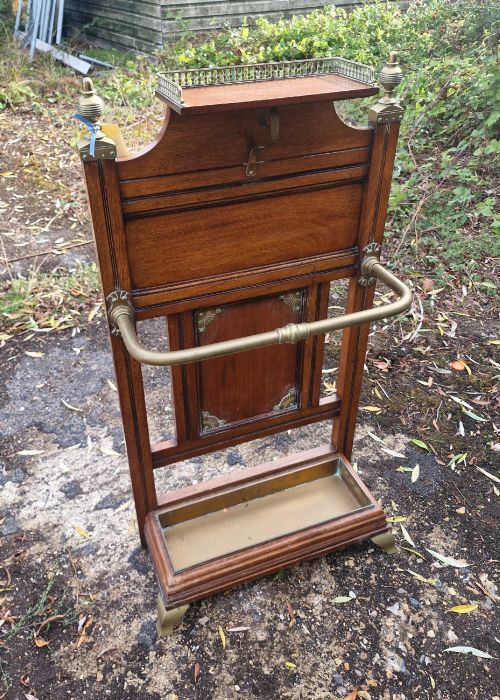
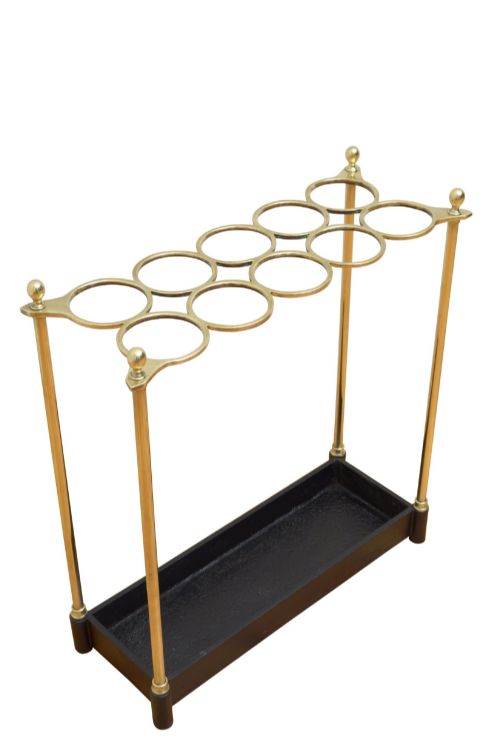
Construction relies heavily on durable timbers like oak, mahogany, and pine, often joined to metal components such as brass, cast iron, steel, and zinc. Timber frames provide structural uprights, while metal elements form the upper rails, decorative finials, and the crucial lower catchment basin.
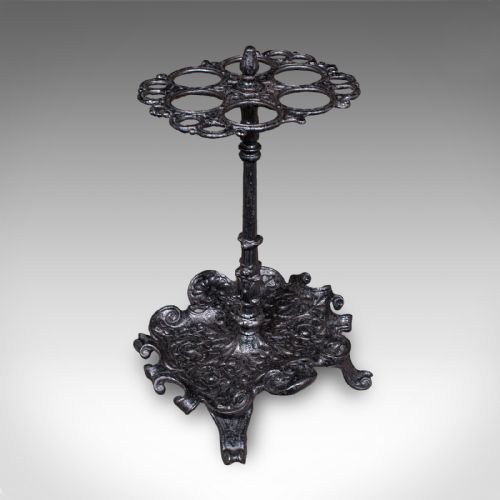
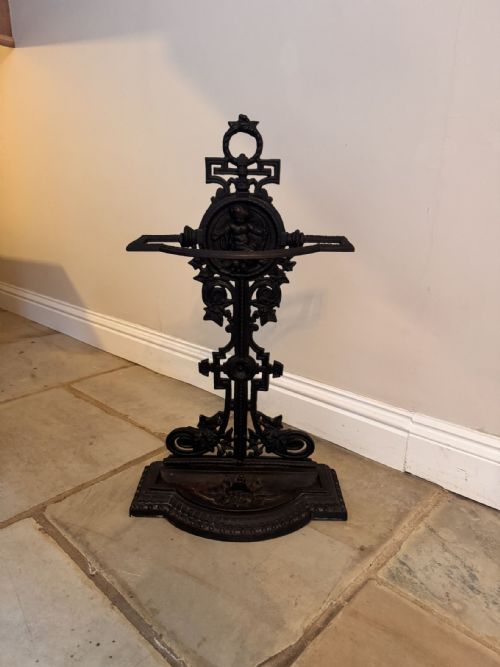
Foundries cast iron and brass into intricate pierced patterns, demi-lune profiles, and ball-footed bases designed to withstand daily moisture. Woodworkers carved oak and bent beech into structural stems and retaining rings, integrating original metal drip trays to protect domestic flooring.
Hallway Stick Stand Drip Tray Retail Price Guide 2026
Typical asking prices for hallway stick stand drip tray among the pieces listed under this phrase on Sellingantiques today, from the lower quarter to the upper quarter. They describe what is for sale here now, not the wider market.
Some cast iron frames feature dog tooth trays to bite into muddy boots.
Distinctions in quality
Quality rests on the integrity of the original metal liner and the robustness of the primary frame. Examples retaining their original zinc or metal drip trays command attention because replacements alter the historical completeness of the object.
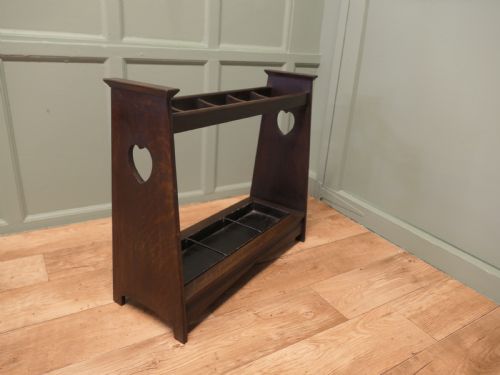
Construction methods and decorative ambition divide standard production from finer workshop output. Crisp casting in iron and brass, substantial timber thickness, and distinctive period styling such as Arts and Crafts joinery or Aesthetic Movement detailing separate mass-produced items from superior examples.
Coalbrookdale·Thonet·Heals of London·Liberty
The Hallway Stick Stand Drip Tray Glossary
- Drip tray
- A removable metal basin positioned at the base of a stand to collect water running off wet umbrellas. It protects floorboards and carpets from moisture damage.
- Demi lune
- A half-moon or semicircular shape popular for hallway furniture because it fits flat against a wall and saves floor space. Many brass and iron stands utilise this profile.
- Cast iron
- An iron-carbon alloy poured into moulds to create rigid, decorative frameworks and heavy bases. It allows for detailed pierced foliage and geometric patterns.
- Arts and Crafts
- A design movement prioritising traditional craftsmanship, visible construction, and simple forms. Oak stands from this tradition often feature honest joinery and minimal ornamentation.
- Bentwood
- Wood steamed and bent into curved structural shapes using heat and pressure. It creates lightweight yet resilient frames seen in early twentieth-century examples.
Hallway Stick Stand Drip Tray: Frequently Asked Questions
What are hallway stick stand drip trays made from?
These pieces combine woods such as oak, mahogany, and pine with metals like brass, cast iron, steel, and zinc. The combination allowed makers to build rigid wooden or metal frames equipped with waterproof lower basins.
Makers selected materials based on durability and prevailing stylistic movements, ranging from heavy cast iron foundry work to polished brass and golden oak joinery.
How do I maintain an antique drip tray?
Keep the interior metal liner clean and dry to prevent corrosion from stagnant water. Empty the tray regularly and dry it thoroughly after heavy use.
Treat wooden frames with appropriate wax or polish to nourish the grain, and avoid placing very wet items directly into stands that lack their original waterproof liners.
How do I tell Victorian stands from Edwardian ones?
Victorian stands tend to feature heavier cast iron or dark oak construction with ornate decorative details like ball finials and complex pierced patterns. They reflect an aesthetic of substantial weight and elaborate presence.
Edwardian and later pieces often lean towards lighter oak frames, simpler lines, or polished brass demi-lune profiles that suit more modest hallway proportions.
Where were these stands placed in period homes?
They stood immediately inside the front entrance door of a house to intercept wet outerwear before guests entered reception rooms. Their footprint was designed to occupy narrow hallway corridors without blocking thoroughfares.
Many doubled as combined hall furniture, incorporating coat hooks or bench seating alongside the umbrella wells.