

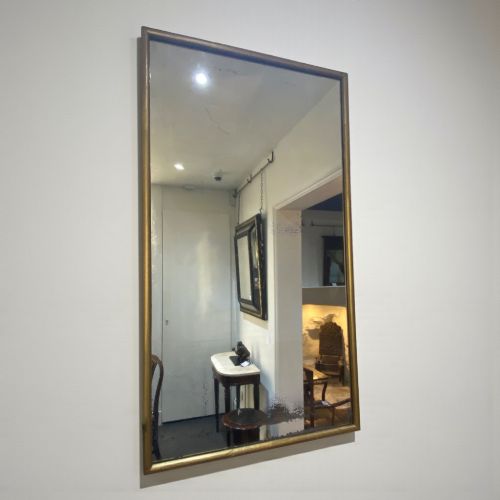
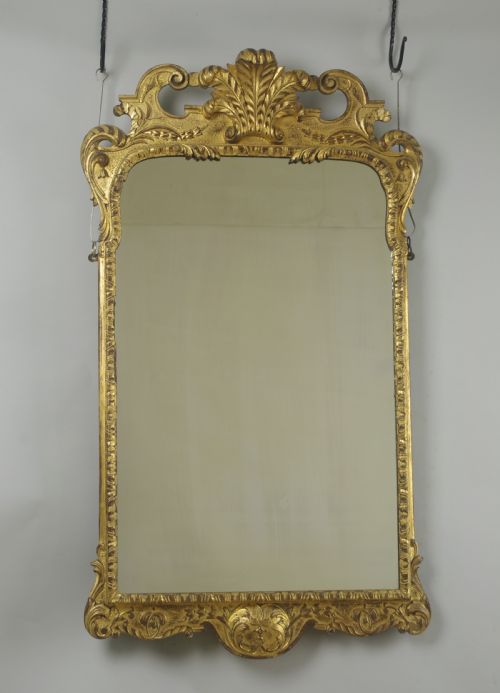
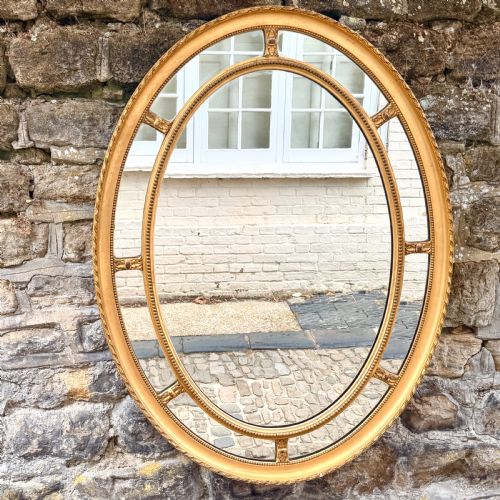
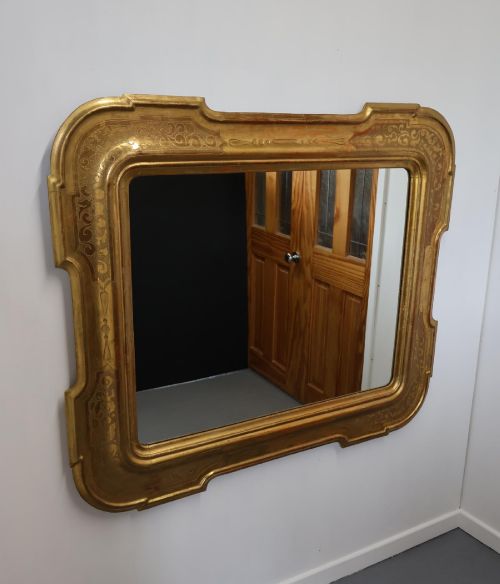
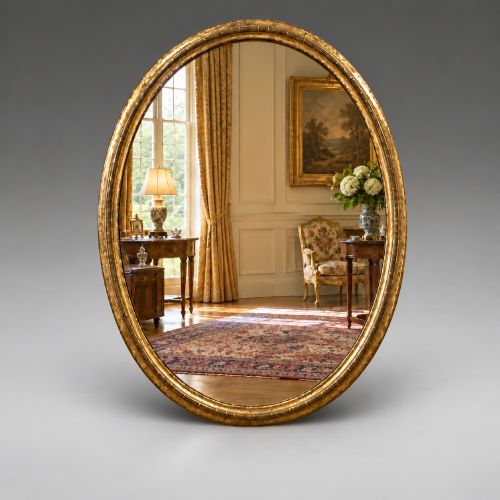
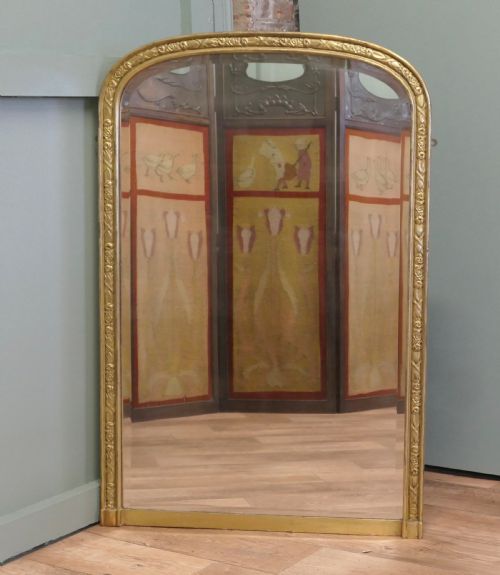
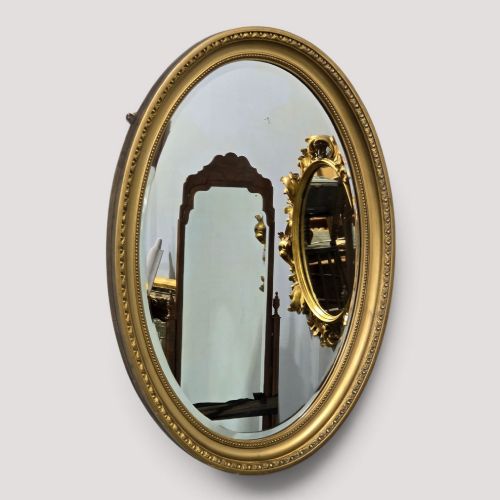
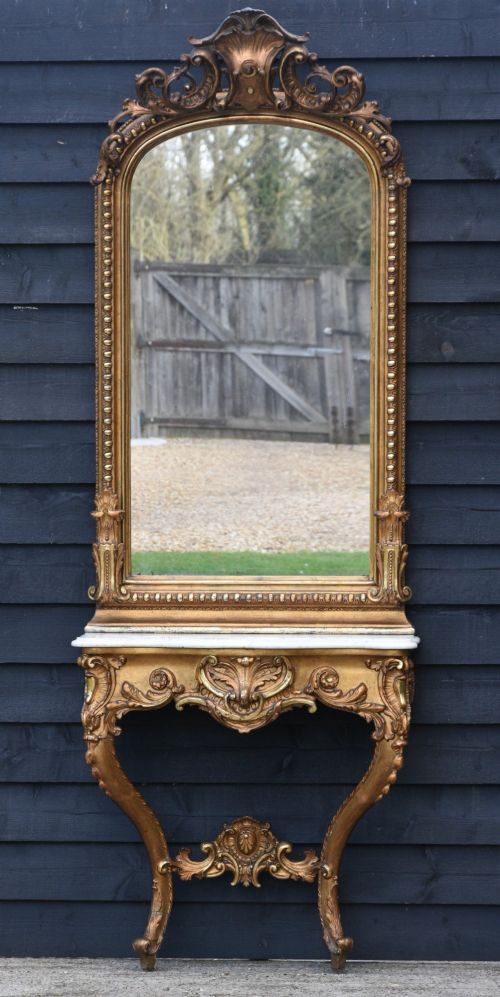
Hallway Gilt Mirror
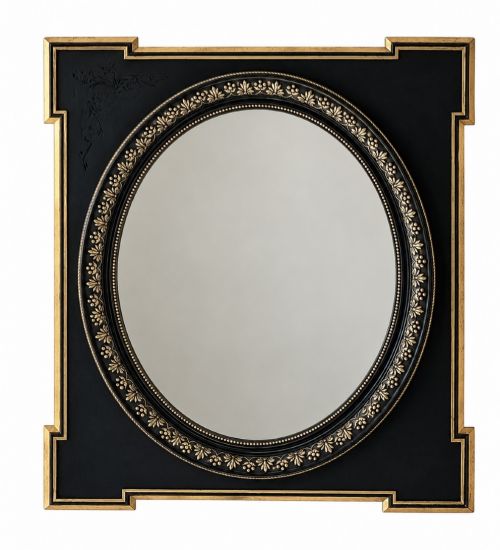
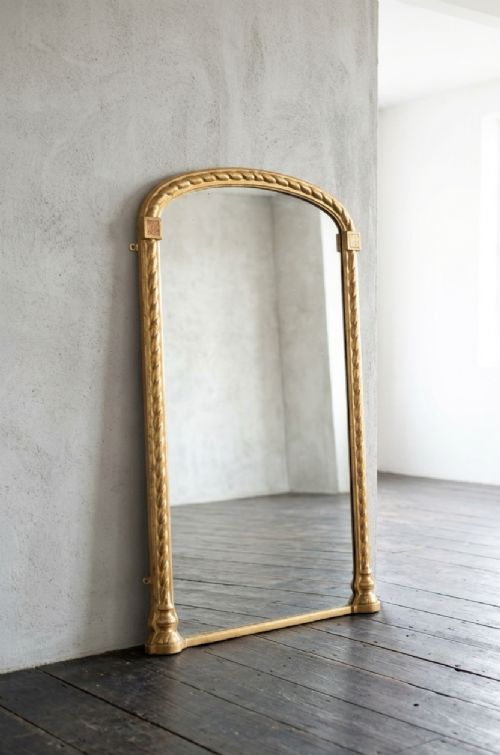
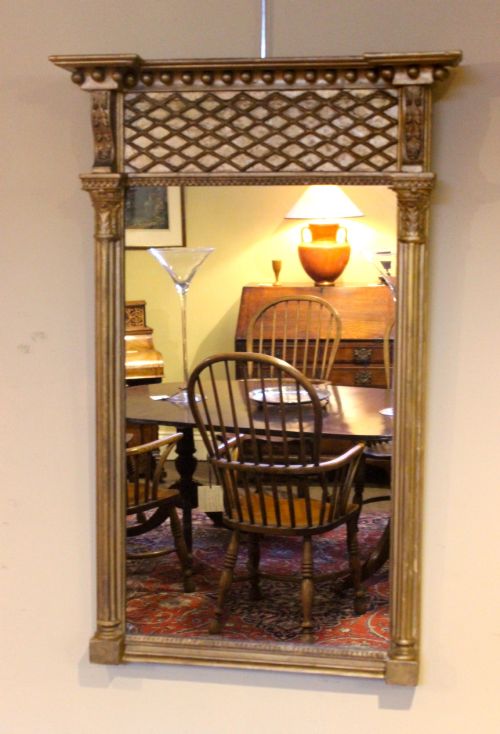
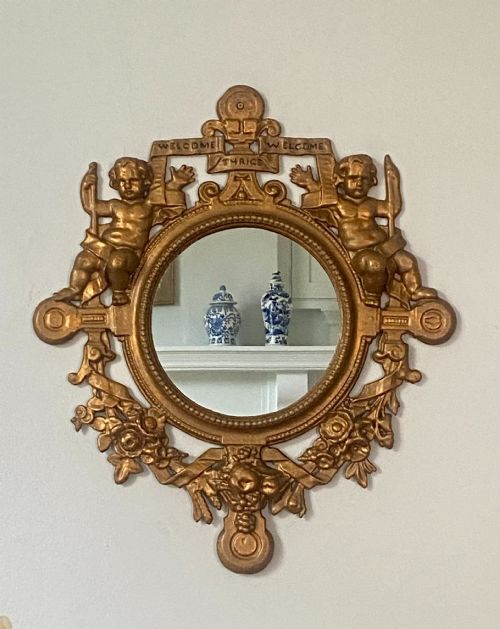
A hallway gilt mirror catches the morning light and expands a narrow space, offering both utility and presence.
How They Were Made
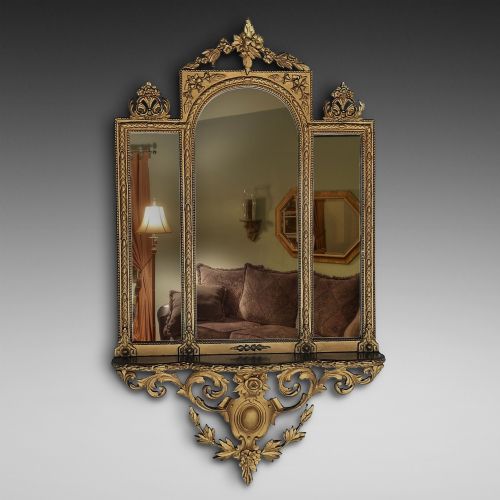
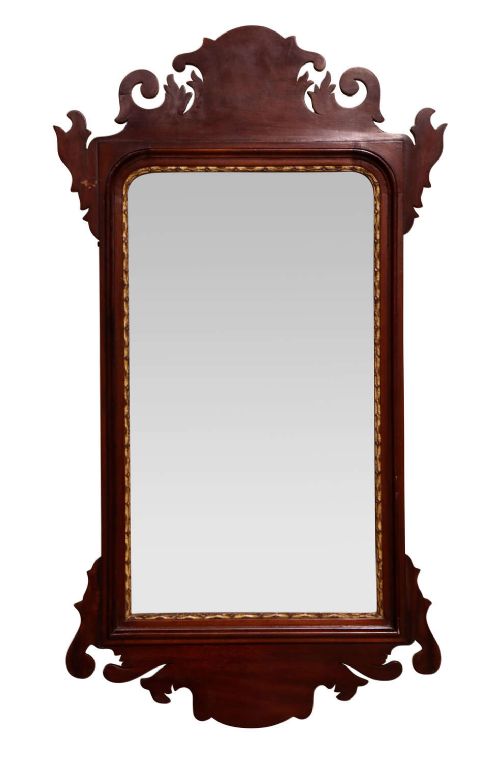
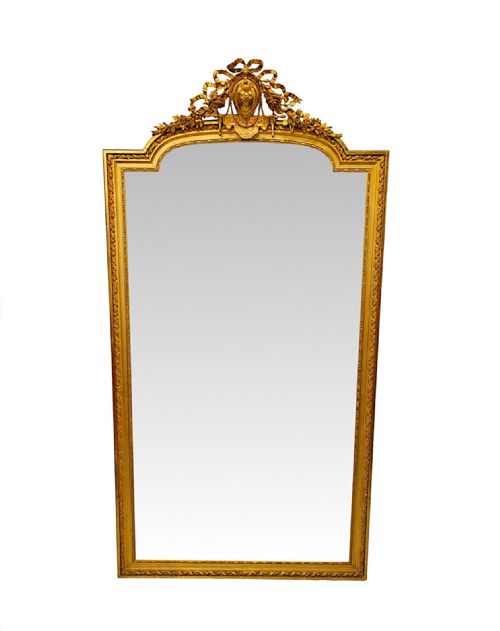
Carved wooden frames form the core of many pieces, utilising mahogany, walnut, and general timber as foundations for intricate decoration. Artisans applied layers of gesso - a fine plaster mixture - over the wood to build up relief details such as acanthus leaves and ribbed mouldings.
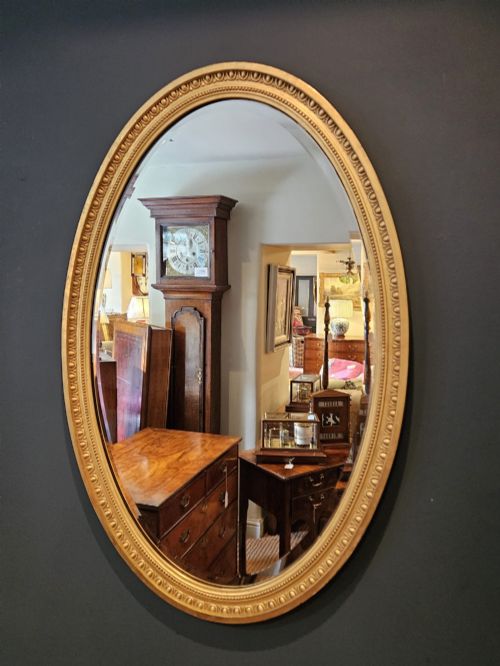
Gilding completed the process, using gold leaf or metallic paint to cover the gesso and wood surfaces. Original glass plates, sometimes bevelled or featuring reverse cut details, are set within these frames alongside later replacement mirrors.
What Varies in Quality
The crispness of the carved detail and the depth of the gesso moulding distinguish finer pieces from simpler production work. Hand-carved wooden elements retain a sharpness and organic flow that moulded composition ornament often lacks.
The preservation of the original glass plate and the intactness of the gold leaf layer dictate the visual integrity of the mirror. Surfaces that show honest patination without heavy modern repainting hold greater character.
Hallway Gilt Mirror Retail Price Guide 2026
Typical asking prices for hallway gilt mirror among the pieces listed under this phrase on Sellingantiques today, from the lower quarter to the upper quarter. They describe what is for sale here now, not the wider market.
Listings feature walnut, mahogany, and giltwood frames spanning the Georgian, Regency, and Victorian periods alongside early twentieth-century designs.
The Hallway Gilt Mirror Glossary
- Gesso
- A plaster-like preparation used as a base for moulding fine decorative relief on mirror frames before gilding. It allows for sharp ornamentation.
- Giltwood
- Timber that has been coated with gold leaf or metallic finish. It forms the primary decorative surface for the majority of these mirrors.
- Pier Mirror
- A tall wall mirror specifically designed to hang on the narrow wall space between windows. They frequently pair with matching console tables.
- Convex Mirror
- A round mirror with a curved outward glass surface that provides a wide-angle reflection of the room. These often feature decorative orb frames.
- Overmantle Mirror
- A wide mirror traditionally hung above a fireplace mantelpiece. They share similar decorative styling with large hallway and wall mirrors.
- Parcel Gilt
- A finish where only specific portions of a wooden object are gilded, leaving contrasting areas of exposed mahogany or walnut visible.
Hallway Gilt Mirror: Frequently Asked Questions
Where should I hang a hallway mirror?
Position the mirror at eye level opposite a light source or an open doorway to maximise natural illumination. This placement effectively doubles the perceived depth of a compact entrance area.
Ensure the wall structure can support the weight of heavier giltwood and plaster frames by using appropriate fixings.
How do I identify a Victorian gilt mirror?
Victorian examples often display robust ornamentation such as acanthus leaf motifs, heavy gesso moulded details, and rich gilt surfaces. Construction materials typically include dense timber frames beneath the plaster layer.
Looking at the backing boards and fixings can also offer clues regarding the period of assembly.
Are original mirror plates common?
Original glass plates do survive in pieces dating back to the early nineteenth century, displaying subtle imperfections and foxing. These aged traits contribute significantly to the authenticity and visual charm of the antique.
Many mirrors have received replacement glass over the decades to maintain a clearer reflection.
How do I care for antique giltwood?
Dust the frame gently with a soft, dry brush to prevent the accumulation of particles within the delicate gesso carvings. Avoid using liquid cleaners or commercial polishes on the gilded surfaces.
Keep the mirror away from direct heat sources and high humidity to protect the wood and underlying plaster.