
Hallway Coat Tree
A hallway coat tree provides a practical welcome, combining hooks for outerwear with storage for sticks and umbrellas.
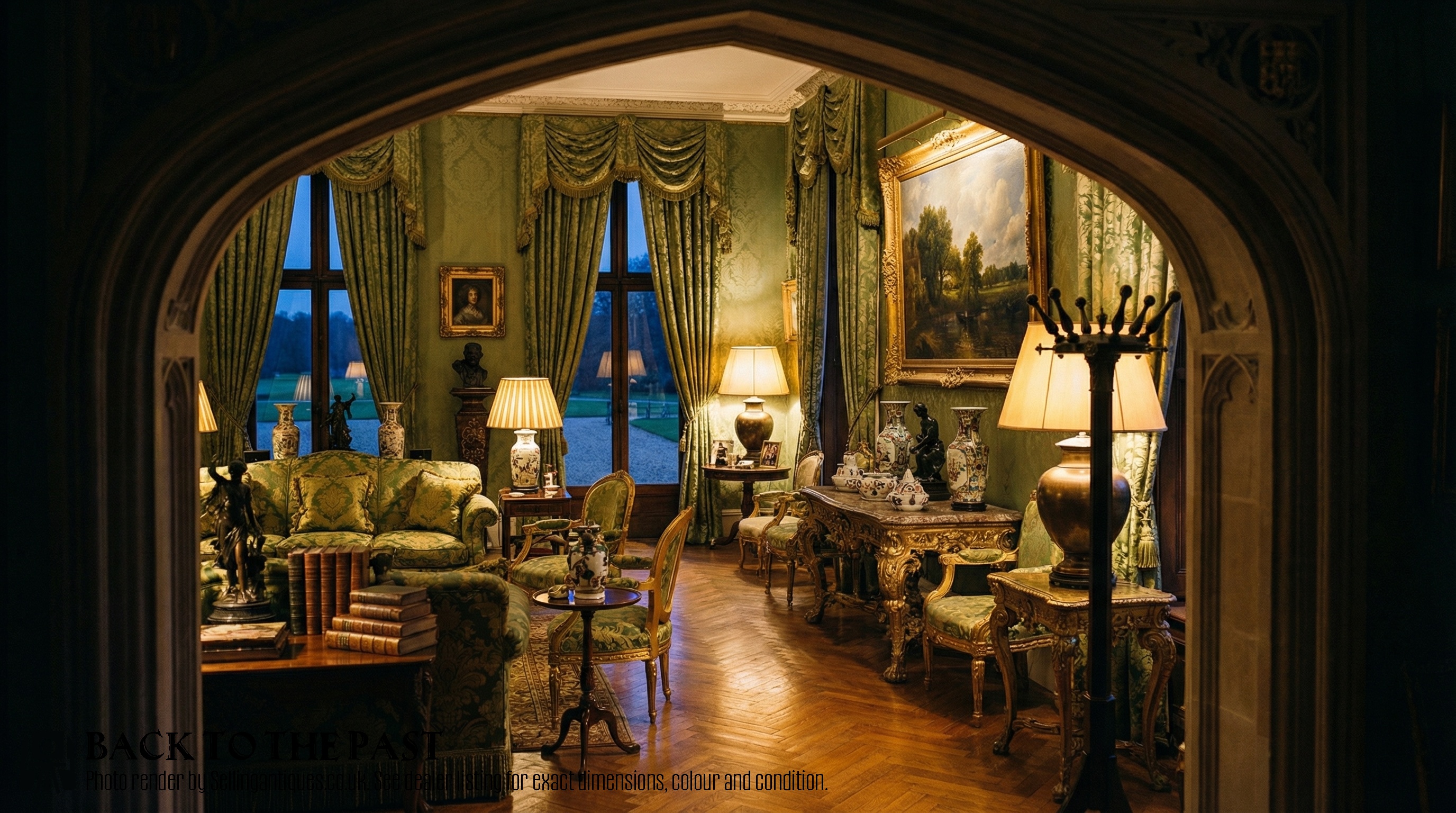
Hallway Coat Tree
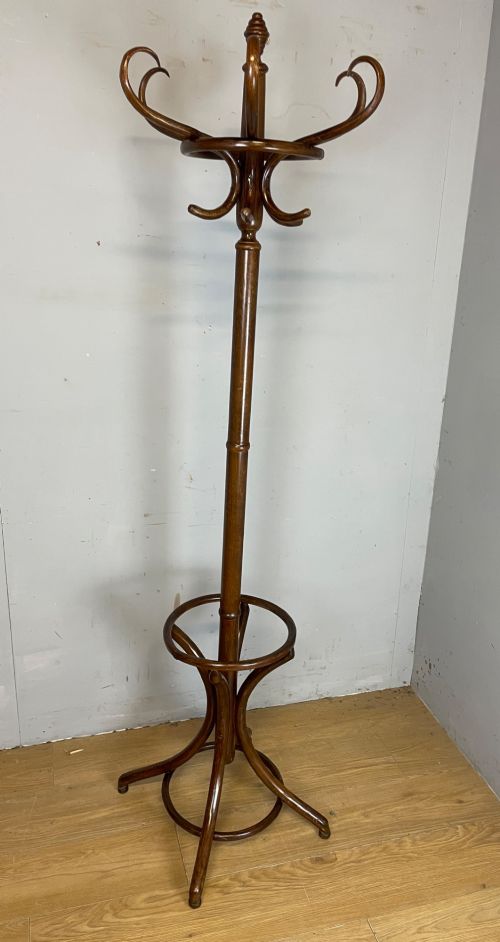
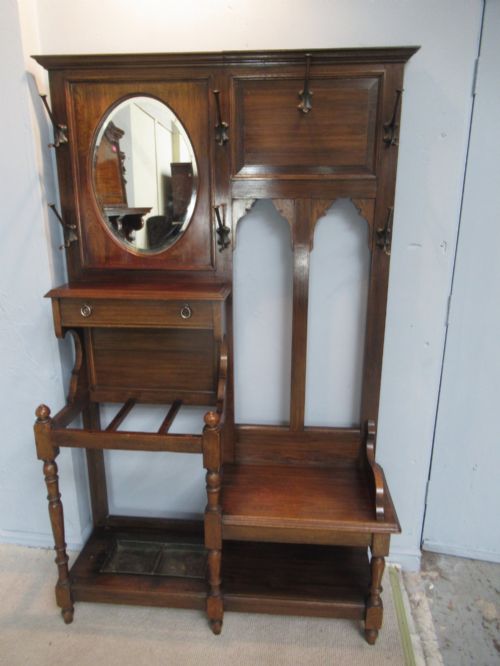
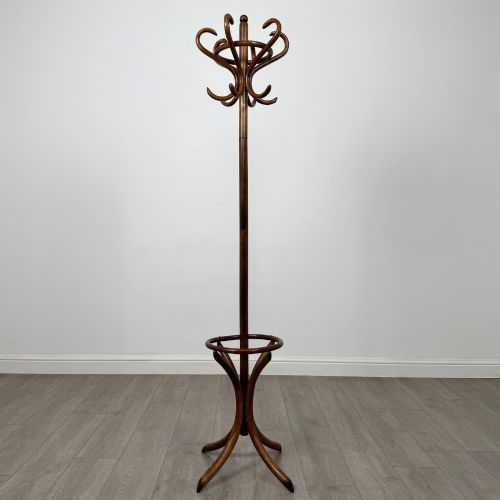
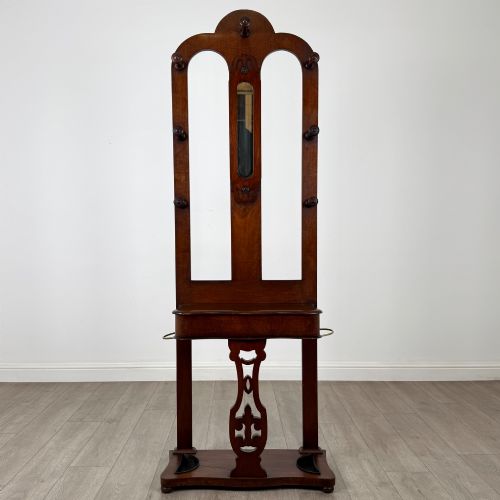
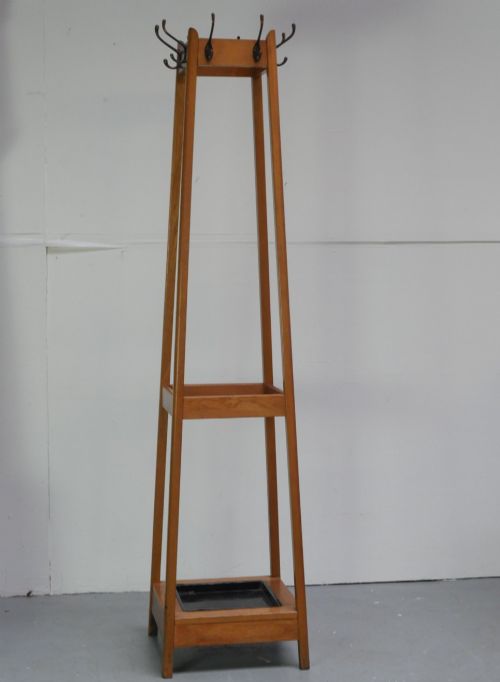
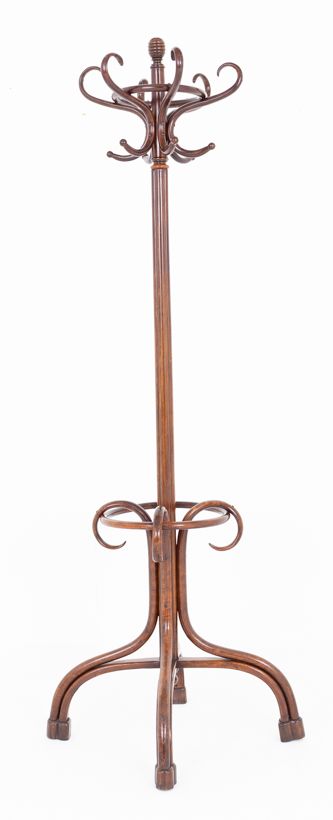
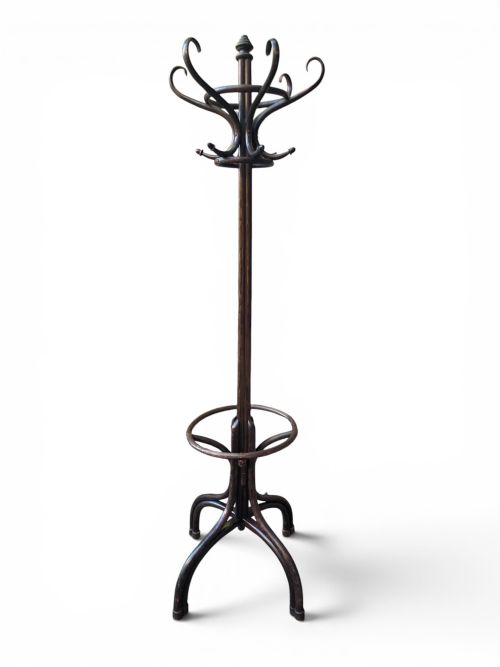
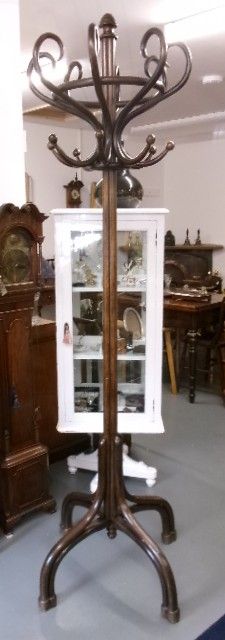
A hallway coat tree spans several decades of domestic utility, appearing in forms ranging from compact bentwood frames to large timber hall stands with integrated seats and umbrella holders. Buyers searching for a hallway coat tree encounter pieces originating across the nineteenth and twentieth centuries, reflecting the changing demands of domestic entranceways over time.
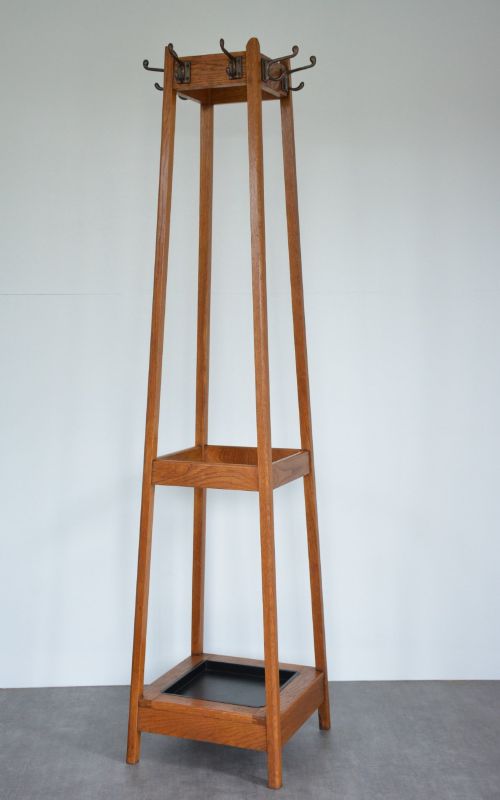
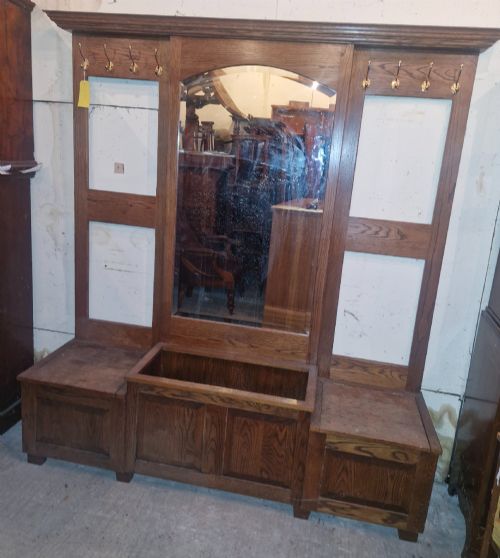
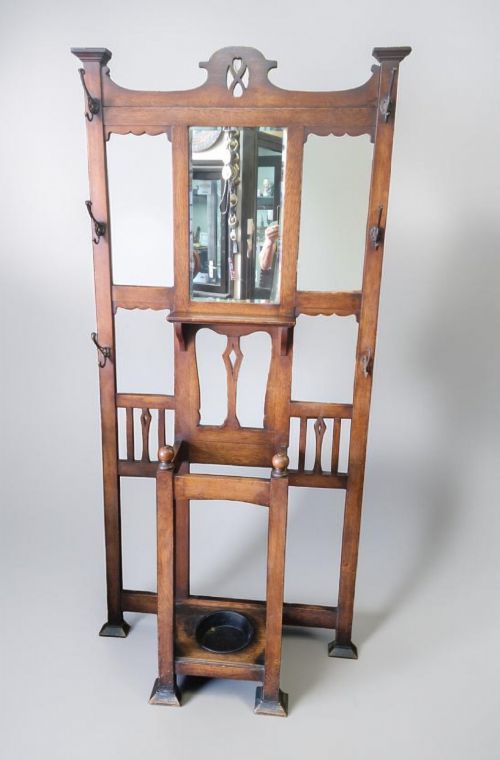
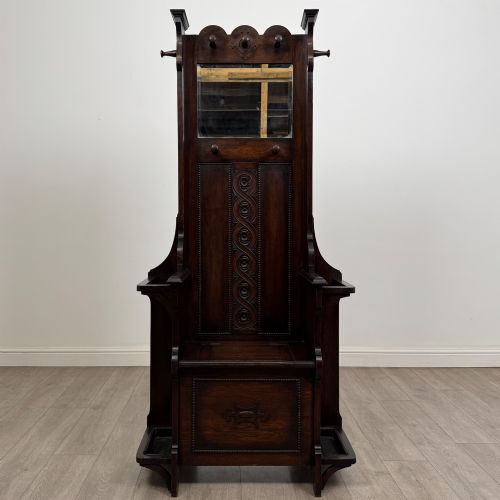
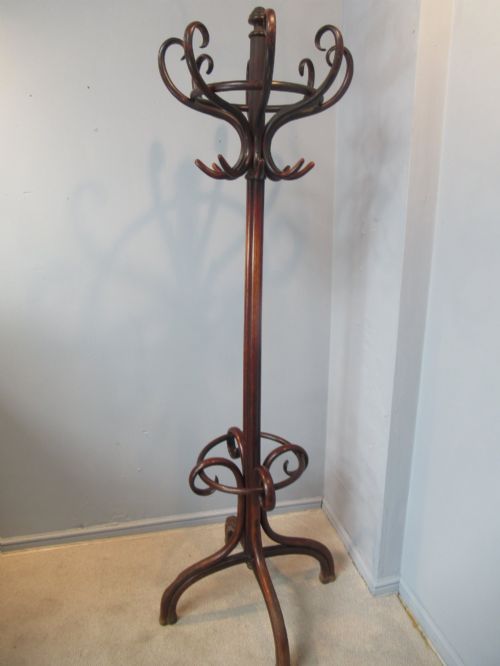
The selection includes substantial oak and mahogany structures alongside lighter bentwood designs in beech. Examples frequently incorporate brass hooks, mirror panels, and drip trays to manage wet weather gear efficiently in a domestic hallway.
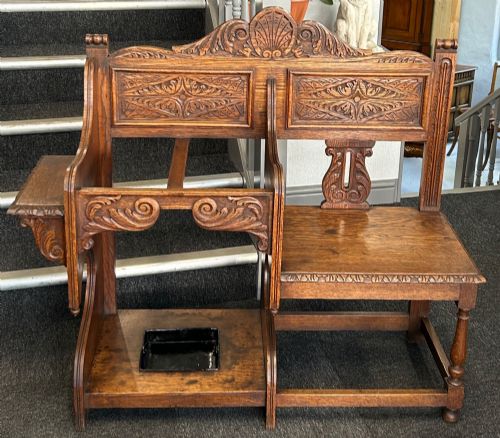
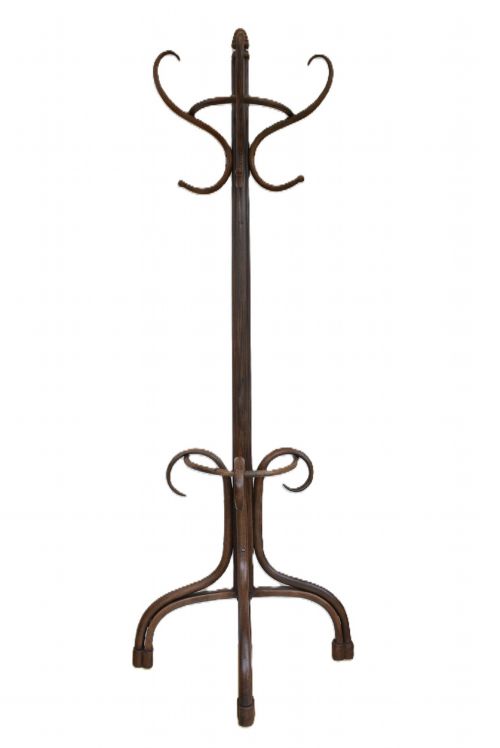
Victorian and Edwardian iterations dominate the selection, often displaying carved woodwork typical of the Arts and Crafts or Art Nouveau movements. Simpler industrial styles and revolving bentwood formats also appear to serve narrower hallway spaces.
Materials and Technique
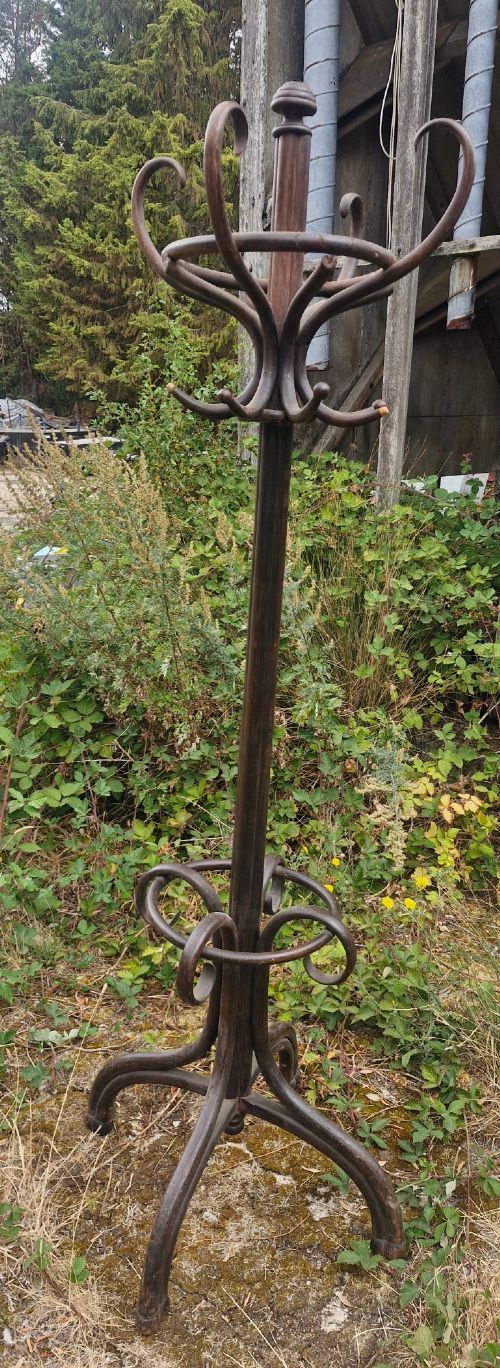
Makers utilised solid hardwoods such as oak, mahogany, and walnut alongside steam-bent beech for curved components. Timber frames were frequently carved by hand, particularly on pieces associated with the Arts and Crafts and Aesthetic movements.
Metal elements including brass and cast iron form the structural hooks and protective drip trays found at the base of many designs. Bamboo and cow horn appear in specialised nineteenth-century pieces, demonstrating diverse material choices for entrance furniture.
Judging Quality
The distinction between standard utility items and superior examples lies in the depth of carving and the selection of timber. Finely figured oak or walnut and complex bentwood joinery elevate a piece beyond basic mass-produced furniture.
Hardware specification also marks the grade of a stand, with heavy brass hooks and integrated metal drip trays indicating higher manufacturing standards. The presence of makers or identifiable regional styles points to superior craftsmanship in the construction.
Jas. Shoolbred·Thonet·Astrola
The Hallway Coat Tree Glossary
- Bentwood
- Wood shaped by steaming and bending into curved forms, commonly utilised in lightweight hat and coat stands. This technique gained widespread popularity through manufacturers like Thonet.
- Hall Stand
- A piece of entrance furniture combining coat hooks, umbrella storage, and frequently a mirror or small seat. These items served a central organisational role in traditional homes.
- Drip Tray
- A metal or ceramic basin positioned at the base of a stand to catch water from wet umbrellas. It protects surrounding wooden flooring from moisture damage.
- Thonet Style
- Furniture characterised by graceful curved wooden components produced through pioneering steam-bending methods. The aesthetic remains synonymous with early twentieth-century bentwood stands.
Hallway Coat Tree: Frequently Asked Questions
What is a hallway coat tree?
A hallway coat tree is a freestanding piece of furniture designed to hold outerwear, hats, and accessories near an entrance.
These items often include integrated hooks, umbrella holders, and sometimes a seat or mirror for daily convenience.
How do I date a coat stand?
Dating relies on observing the prevailing timber choices, decorative styles, and construction methods visible across different eras.
Victorian and Edwardian pieces frequently feature heavier carved oak, whereas early twentieth-century examples lean towards steam-bent beech and minimalist industrial forms.
Where were these stands used?
These pieces historically stood in the entrance hall or vestibule of a home to receive outdoor garments immediately upon arrival.
They kept hallways tidy by centralising hats, coats, sticks, and umbrellas in one dedicated location.
Are bentwood stands sturdy?
Steam-bent beech frames offer remarkable structural strength despite their visually lightweight and slender profiles.
Quality bentwood stands distribute weight evenly across curved wooden members designed to withstand daily domestic use.