
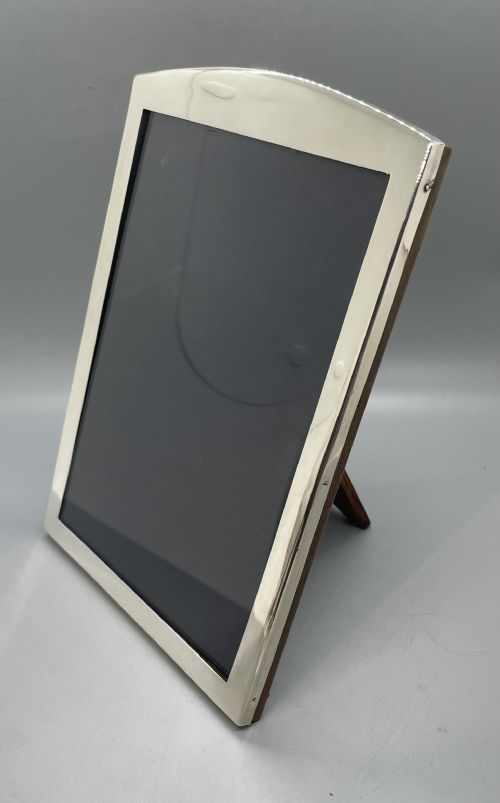
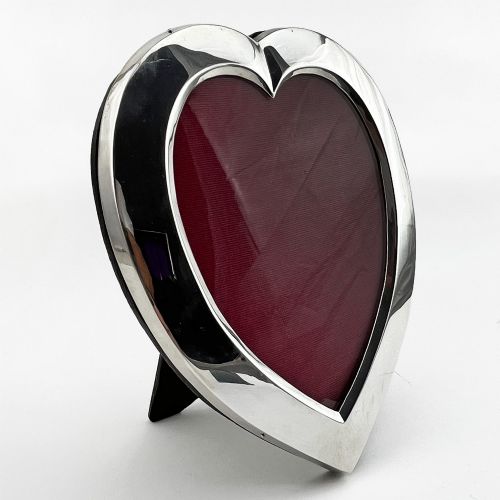
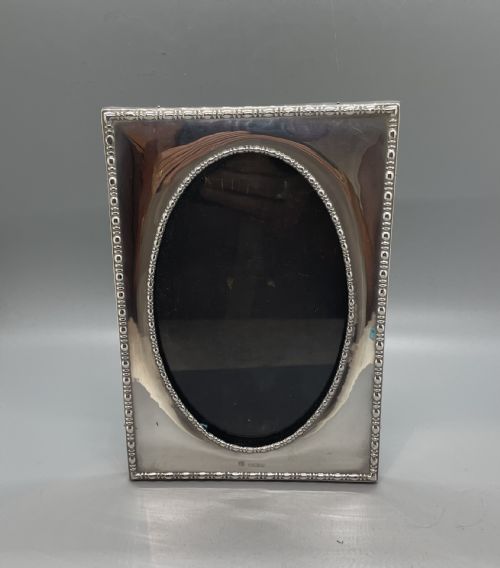
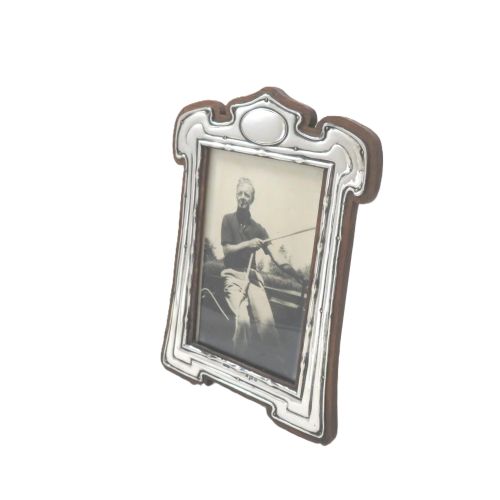

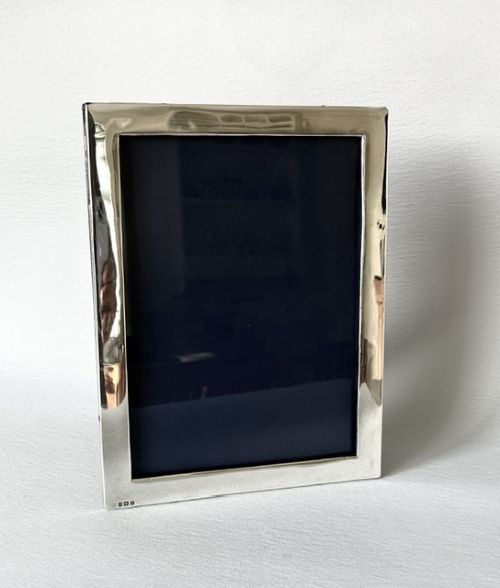
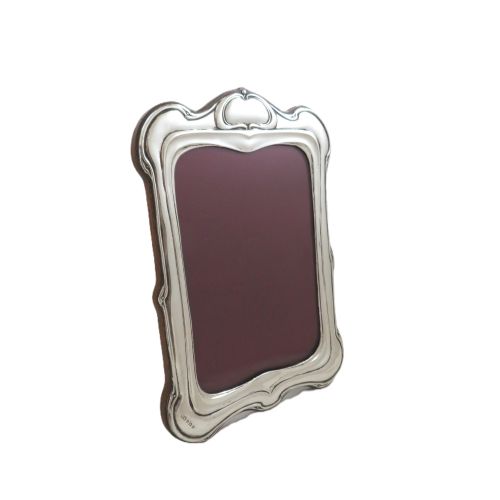
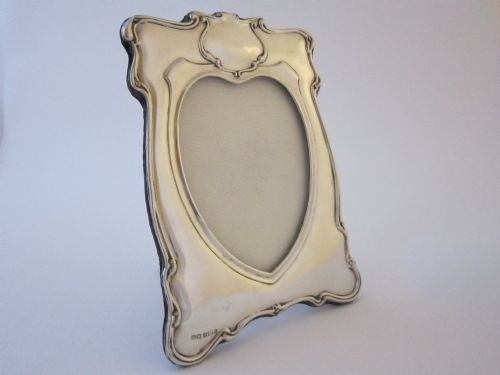
Hallmarked Photo Frame
A hallmarked photo frame brings solid silver and disciplined assay office stamps to the domestic mantelpiece.
Hallmarked Photo Frame
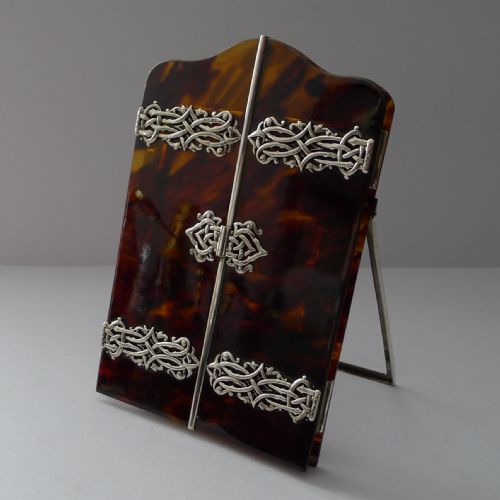
A hallmarked photo frame is a functional desk or mantel accessory designed to display portraits, watercolours or family photographs behind glass. When searching for this phrase, buyers encounter pieces spanning from the late Victorian period through the Edwardian era and the reign of George V, alongside later mid-century examples.
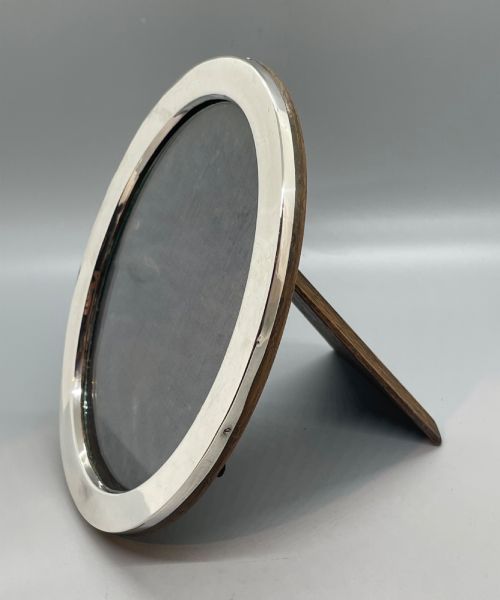
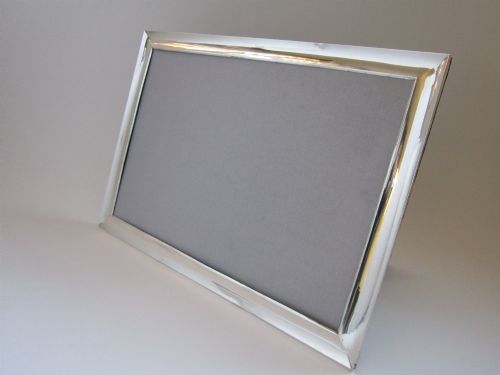
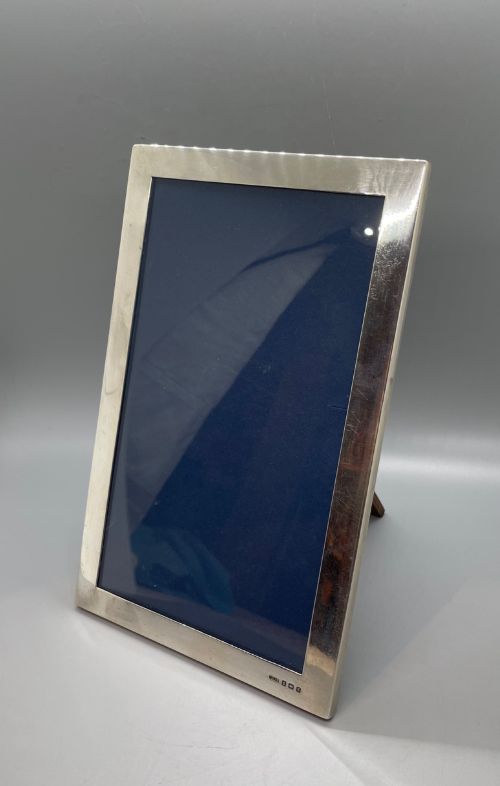
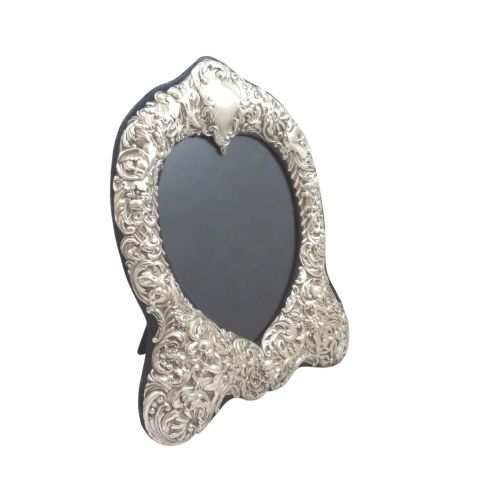
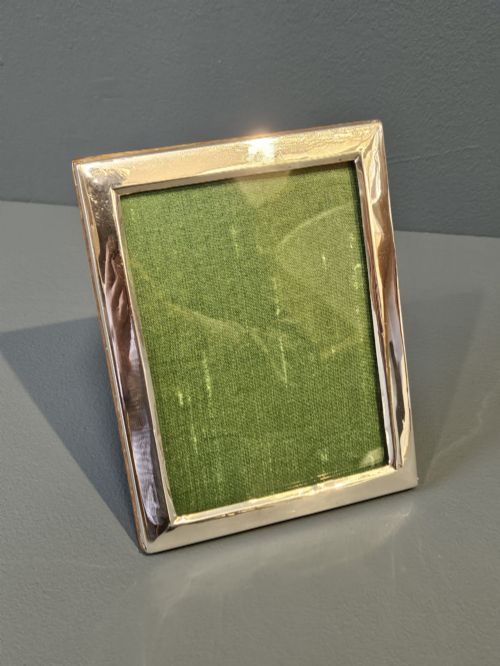
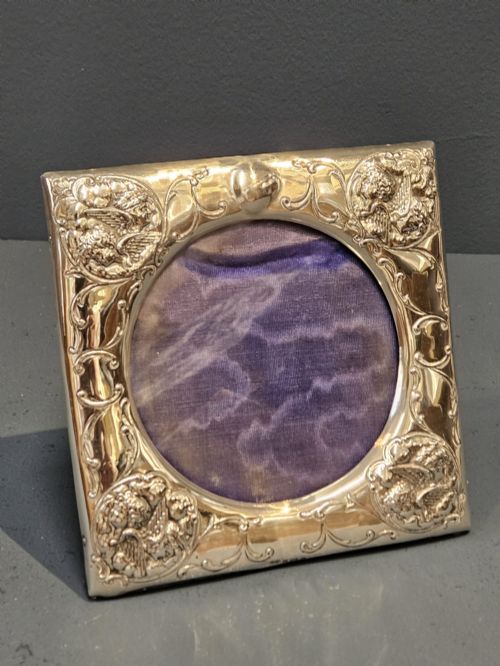
The most common form on this page is the rectangular sterling silver upright frame, though collectors also find heart shapes, circles and octagons. These items were produced by major silversmiths and provincial makers alike, carrying official marks from assay offices in London, Birmingham and Sheffield.
Origins heavily reflect British manufacturing traditions from the late nineteenth and early twentieth centuries, supplemented by occasional continental European silver pieces. They range from diminutive miniatures intended for pocket watches or small desks to substantial pieces measuring over twenty inches in height.
Materials and Construction
Supporting elements include hinged wooden struts covered in fabric, velvet or leather to allow the frame to stand upright or recline. Glass protects the photographic aperture, secured within the silver bezel or held in place by small metal tabs at the rear.
Listings feature items containing sterling silver, oak, velvet, glass, leather and fabric across Victorian, Edwardian and mid-century periods.
Evaluating Craftsmanship and Preservation
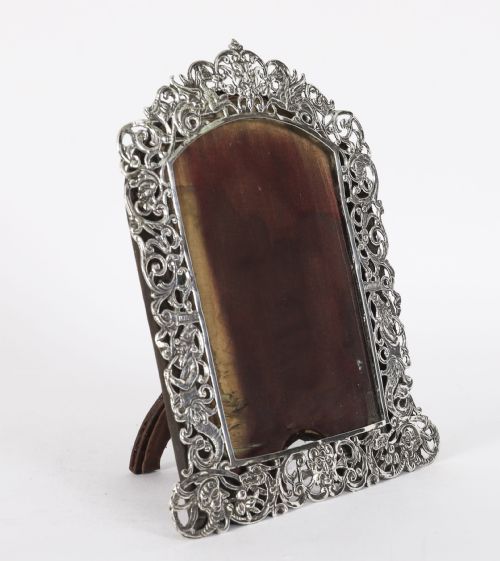
Quality in a hallmarked photo frame rests upon the gauge of the silver and the crispness of the chased or embossed decoration. Finer examples maintain structural rigidity in the metal mount and retain clean, legible assay office stamps without excessive polishing wear.
The integrity of the internal wooden backing and the original fabric or leather strut also influence the piece. Superior specimens preserve their original glass and backing boards, while lesser examples show extensive replacement of these perishable components.
Rosenthal, Jacob and Co.·William Comyns·Mappin Bros·W.I. Broadway and Co.·Pinci, Roma·Mappin and Webb·Henry Matthews
The Hallmarked Photo Frame Glossary
- Hallmark
- An official stamp struck into precious metals to guarantee purity and origin. These marks typically include the maker's mark, standard mark, assay office symbol and date letter.
- Sterling silver
- An alloy consisting of ninety-two point five percent silver and seven point five percent other metals, usually copper. This standard is required for British items carrying the lion passant mark.
- Assay office
- An official body responsible for testing the purity of precious metals and applying statutory hallmarks. Birmingham, London and Sheffield offices appear frequently on these items.
- Bezel
- The grooved rim or collar that holds the glass and photograph securely within the frame. It forms the primary decorative border surrounding the portrait aperture.
- Strut
- The hinged rear support leg that allows the frame to stand on a flat surface. These are typically covered in velvet, leather or patterned fabric.
Hallmarked Photo Frame: Frequently Asked Questions
What periods do these frames date from?
The pieces originate primarily from the late nineteenth century through to the mid-twentieth century. Victorian, Edwardian and George V eras represent the most common periods of manufacture.
Assay office date letters stamped directly into the silver provide precise years of production for British-made examples.
How do I read the hallmarks?
British hallmarks comprise a sequence of specific punches indicating the maker, the silver standard, the assay office and the year of testing. A lion passant denotes sterling silver, while town marks such as an anchor signify Birmingham.
Date letters change annually according to specific alphabetic cycles used by each individual assay office.
What woods are found inside?
Oak and mahogany serve as the primary structural timbers supporting the thin silver sheets. These wooden carcases provide the necessary rigidity to prevent the metal from bending.
Velvet, leather or fabric then covers the wood on the reverse side to protect the furniture surfaces where the frame rests.
Can these frames display photographs vertically and horizontally?
Many examples feature versatile backing designs with dual struts or rotating mechanisms that accommodate both portrait and landscape orientations. Larger formats frequently utilise these two-way display options.
Simpler models are constructed for a single fixed orientation, whether upright rectangular or horizontal landscape.