





Solid Silver Portrait Frame
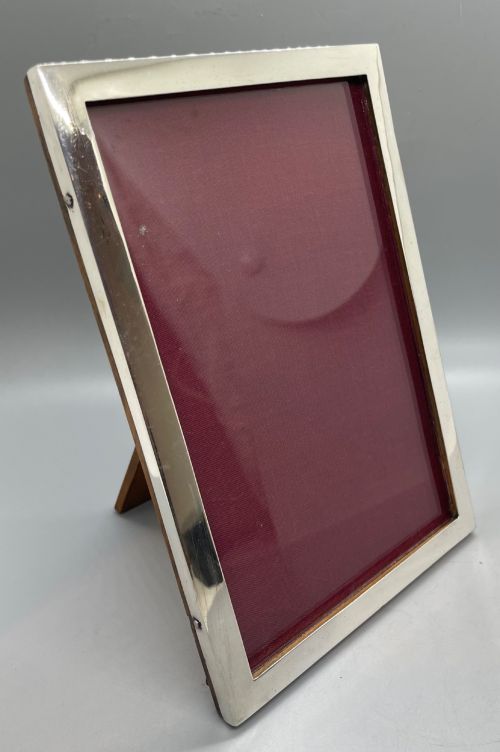
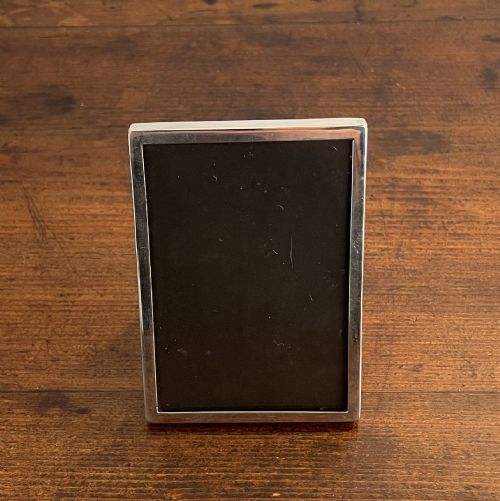
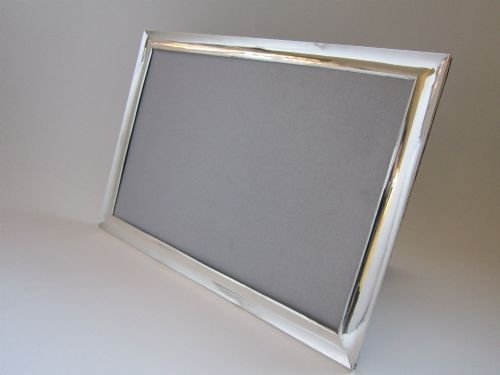
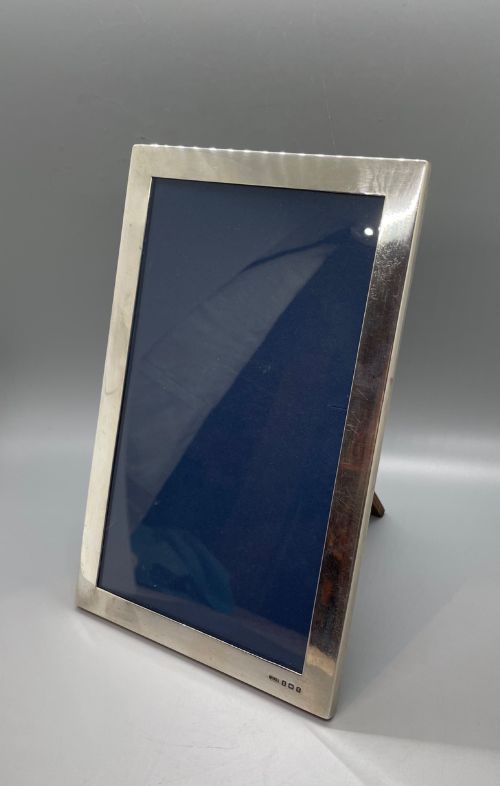
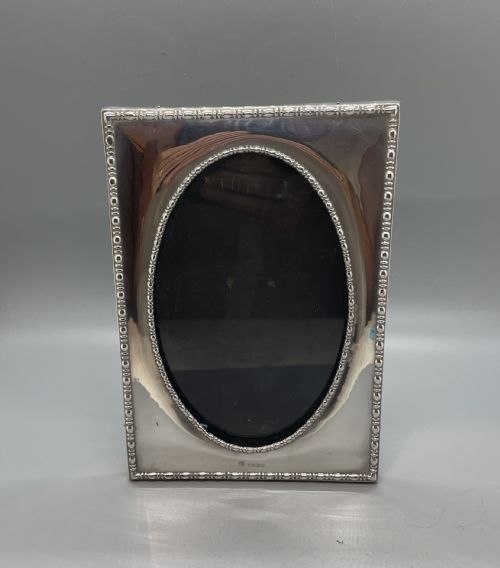
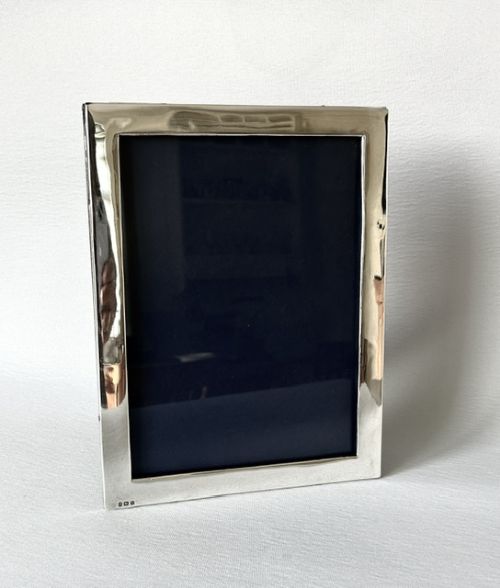
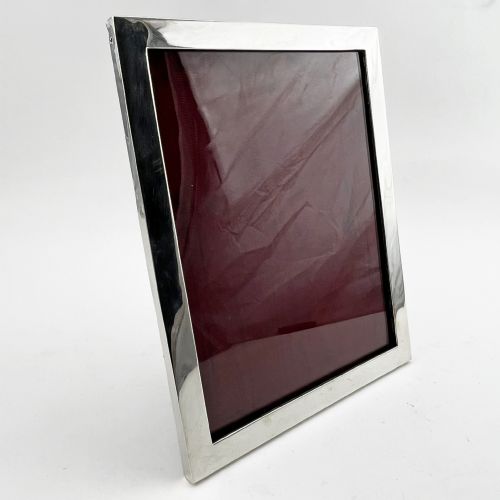
These solid silver portrait frame examples combine sterling silver fronts with wooden backs, offering a traditional way to display family photographs.
Solid Silver Portrait Frame
A solid silver portrait frame is typically designed to hold photographs in portrait or landscape orientation, relying on a wooden back and integrated stand to support the piece on a surface. You will frequently encounter Edwardian and George V pieces dating from the early twentieth century, spanning the nineteen hundreds to the nineteen thirties.
The objects listed on this page appear primarily as picture frames, photo frames, and photograph frames. They utilise sterling silver fronts paired with structural elements like wood, glass, and velvet or fabric linings.
How they were made
Maker workshops constructed these frames using sterling silver sheet metal shaped over wooden cores to provide internal rigidity. The metal front mounts are glazed with glass to protect the photograph underneath.
Backings incorporate timber panels covered in velvet or fabric, fitted with hinged wooden stands that allow the frame to rest securely in either a vertical or horizontal position.
Solid Silver Portrait Frame Retail Price Guide 2026
Typical asking prices for solid silver portrait frame among the pieces listed under this phrase on Sellingantiques today, from the lower quarter to the upper quarter. They describe what is for sale here now, not the wider market.
Some frames still harbour traces of forgotten family portraits tucked safely behind original glass for over a century.
What varies in quality
The distinction between standard examples and finer items rests upon the weight of the sterling silver sheet and the precision of the plain or decorated border work. Heavier gauge metal resists denting and maintains structural integrity over decades of handling.
Another factor is the preservation of the original wooden backing materials and the operational condition of the integrated stand hinges. Complete frames retain their original glass and backing components rather than modern replacements.
The Solid Silver Portrait Frame Glossary
- Sterling silver
- A silver alloy containing ninety-two point five percent pure silver by mass, with the remainder consisting of other metals like copper. This standard alloy provides the durability required for domestic picture frames.
- Edwardian
- The period spanning the reign of King Edward VII from nineteen hundred and one to nineteen hundred and ten. Pieces from this era often feature distinct early twentieth-century silver smithing characteristics.
- George V
- The period covering the reign of King George V from nineteen hundred and ten to nineteen hunderd and thirty-six. Many frames on this page originate from this specific royal era.
- Assay office
- An official body that tests the purity of precious metals and stamps items with hallmarks. Towns such as Birmingham, Sheffield, and Chester housed prominent assay offices.
Solid Silver Portrait Frame: Frequently Asked Questions
How do I clean a silver frame?
Clean sterling silver mounts using a soft cloth and a specialised silver polish designed to remove tarnish without scratching the metal surface.
Take care to avoid getting liquid polish onto the wooden backing or fabric linings, as moisture can damage these organic materials.
Can these frames be hung on walls?
Many examples are constructed with a hinged wooden stand intended primarily for desktop or table placement.
Certain items feature two-way designs or hanging loops, but you should inspect the specific back construction before attempting wall mounting.
What size photographs do they fit?
The dimensions vary considerably across the selection, ranging from compact desk items to large twenty-inch display pieces. N Measure the visible aperture within the silver border to determine the correct photograph size required for each frame.
How do I date an antique frame?
Examine the silver hallmarks stamped on the metal border, which typically indicate the assay office, standard of silver, and a date letter.
Comparing the style and period markers such as Edwardian or George V designs also helps establish the approximate decade of manufacture.