


Half Tester Bed Frame
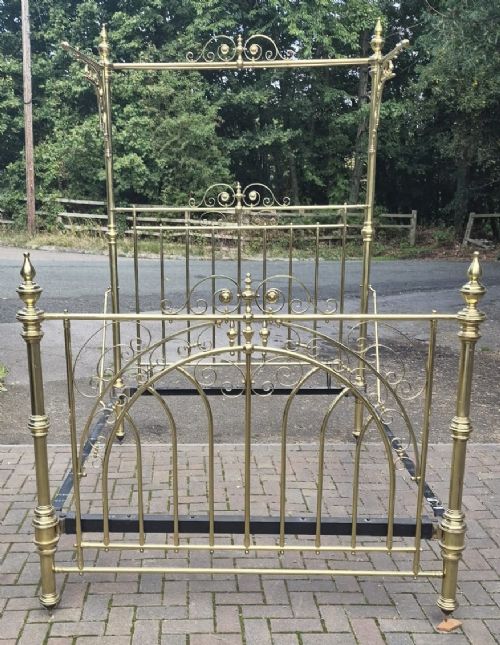
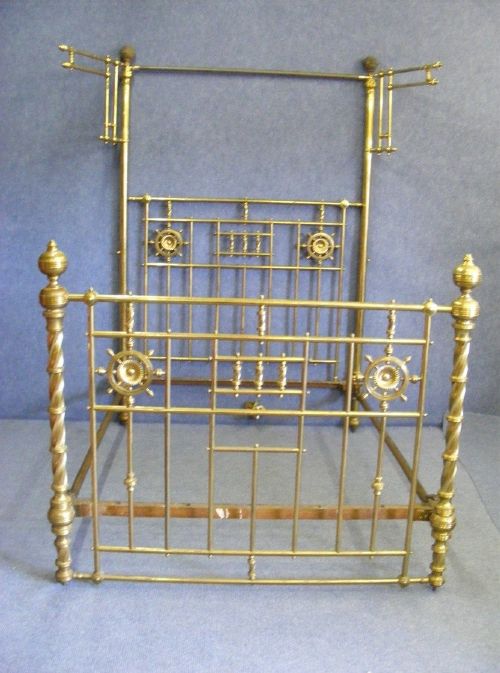
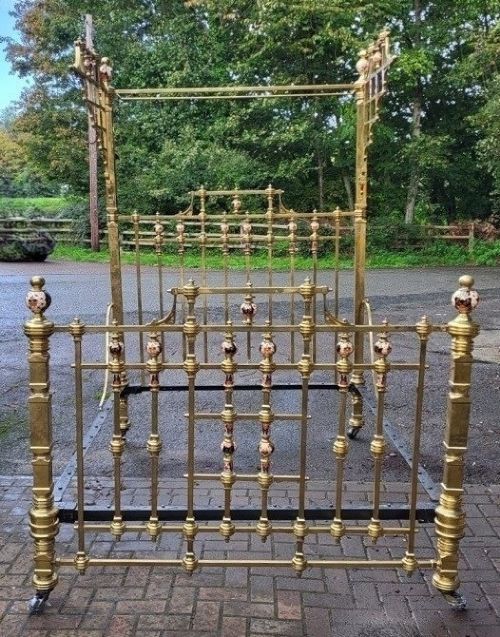
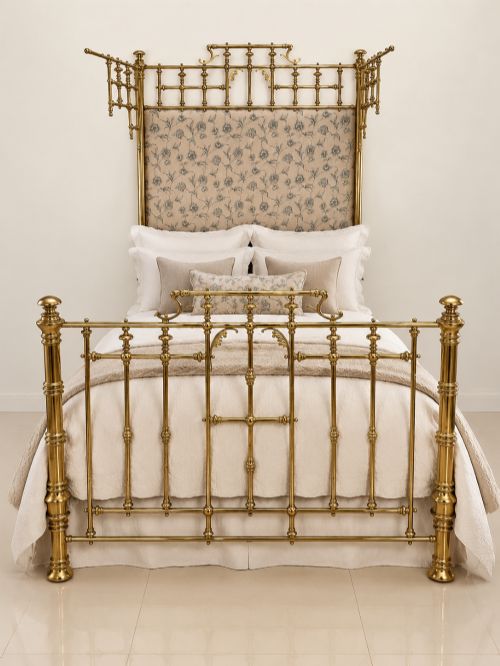
A half tester bed frame offers the commanding presence of a partial canopy combined with Victorian craftsmanship, making it the focal point of any bedroom.
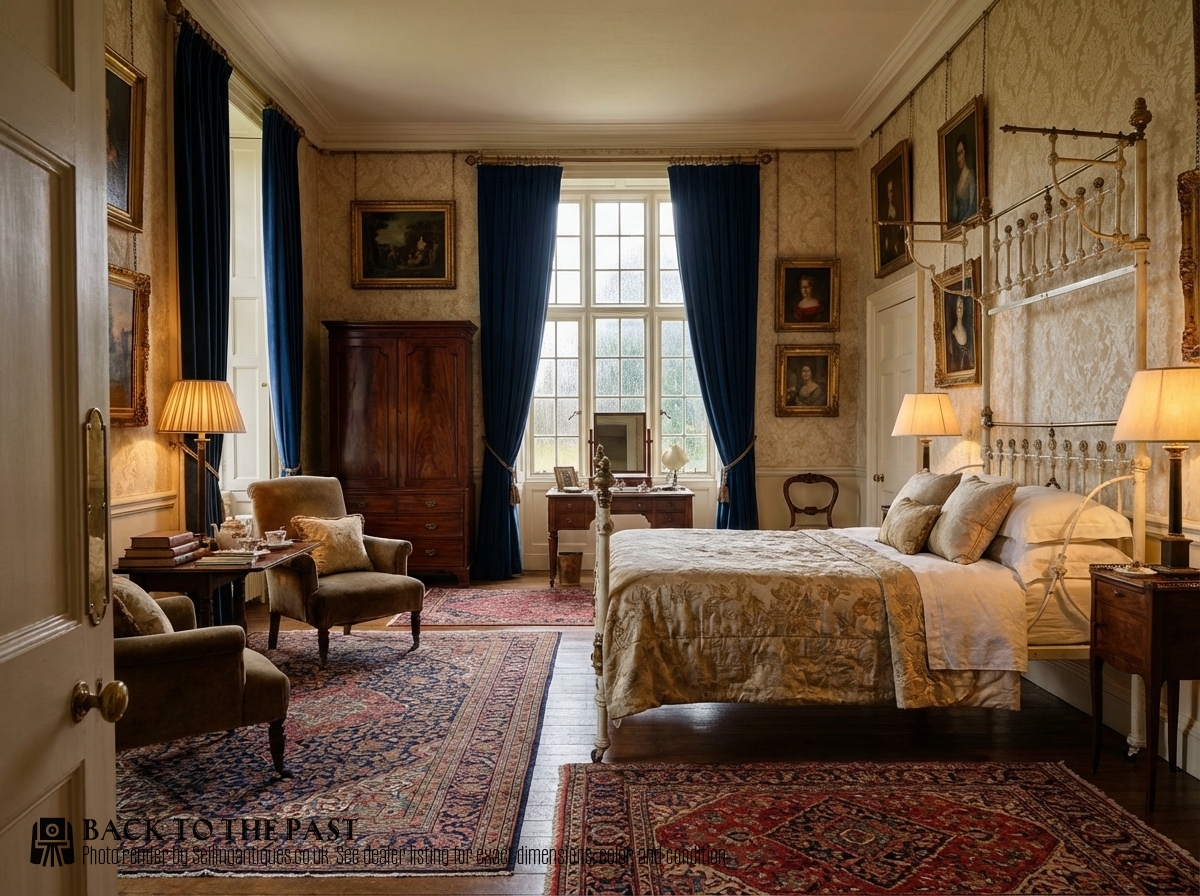
Half Tester Bed Frame
A half tester bed frame is a substantial sleeping structure featuring a partial canopy that extends only partway over the head of the bed rather than covering its entire length. When searching this phrase, buyers encounter striking Victorian designs dating from the mid-nineteenth century through to nineteen hundred. These pieces originate in periods spanning the eighteen-fifties to the turn of the twentieth century, showcasing the grandeur of the era.
The most common versions met on this page are grand bedsteads rendered in solid brass, iron, cast iron, and wrought iron. Alongside these metal frames, buyers also find rich mahogany wooden examples and pieces upholstered with fabric elements. They appear in double and king sizes, often carrying the distinct architectural influence of Victorian and Gothic styles.
How they were made
Makers constructed these bed frames using a combination of sturdy structural metals and fine hardwoods such as mahogany. Metal frames utilised cast iron and wrought iron for internal stability and support, while polished brass elements provided decorative shine and visual weight. Artisans built the wooden variants with solid mahogany timbers, shaping the wood to form the characteristic partial canopy and headboards.
Techniques relied on heavy metal casting, forging, and traditional cabinetmaking joinery to ensure the towering structures remained rigid and safe. Fabric was integrated into the canopy portions to soften the architectural lines and provide a finished look above the sleeping area. Every material was chosen for durability and to project the substantial presence expected in nineteenth-century homes.
Some frames carried exhibition labels, proving that Victorian bedrooms were serious competitive sports.
What varies in quality
Quality separates standard production frames from exhibition quality pieces through the intricacy of the metal casting and the richness of the timber selection. Higher tier bedsteads display superior finishing on solid brass components and more complex decorative detailing along the canopy and headboard. Lesser examples utilise simpler ironwork with fewer ornamental flourishes.
The choice of primary material also dictates the grade of the piece, with solid brass and exhibition quality mahogany commanding greater visual and physical weight. The integrity of the original joints, the crispness of the cast iron ornamentation, and the preservation of the fabric elements all contribute to the standing of an individual frame.
RW Winfield
The Half Tester Bed Frame Glossary
- Half tester
- A bed frame featuring a canopy that extends only over the head portion of the bed. This design originated to keep draughts away from the sleeper's head while utilising less fabric than a full tester.
- Bedstead
- The framework of a bed, including the headboard, footboard, and side rails, designed to support a mattress and base. It serves as the physical structure holding the half tester canopy.
- Cast iron
- An iron-carbon alloy poured into a mould to create complex shapes and decorative forms. It provided heavy, durable structural support for Victorian bed frames.
- Wrought iron
- Iron that is heated and shaped with hand tools by a blacksmith, offering high tensile strength. It appears alongside cast iron in the construction of robust nineteenth-century frames.
Half Tester Bed Frame: Frequently Asked Questions
What is a half tester bed?
A half tester bed is a large sleeping structure featuring a partial canopy that projects over the head of the bed. This canopy traditionally held drapery to trap warmth and block draughts.
Today, these frames serve as architectural centrepieces in bedrooms, combining metal or wooden construction with a commanding vertical presence.
How do I fit a mattress?
These historical frames were built to nineteenth-century dimensions, which often differ slightly from modern standard sizing. Buyers frequently check the internal measurements of the side rails against contemporary mattress sizes.
Adjustments to the base slats or custom mattress commissions are sometimes utilised to ensure a proper and secure fit within the antique frame.
How do I clean the brass?
Solid brass components require gentle cleaning with dedicated metal polishes designed for antiques to preserve the warm metallic lustre. A soft cloth helps prevent scratching the surface during maintenance.
Avoiding harsh chemical abrasives ensures the natural patina developed over the decades remains intact and protected.
How do I date these frames?
Dating relies on identifying the specific materials, stylistic markers, and construction methods characteristic of the Victorian era. Pieces marked with exhibition quality tags or specific maker details provide clear chronological anchors.
Changes from mahogany woodwork in the mid-nineteenth century to mass-produced brass and iron later in the period help narrow down the decade of manufacture.