
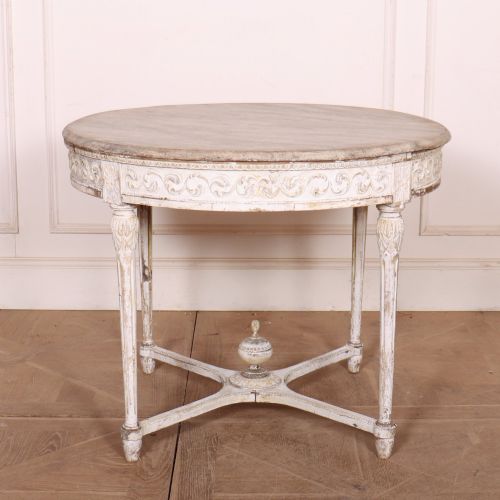

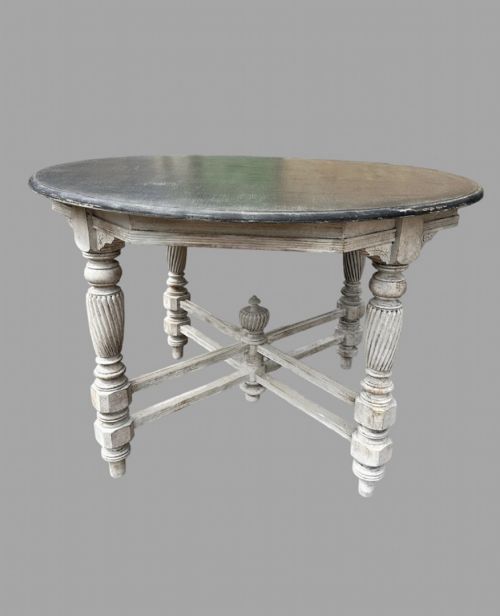
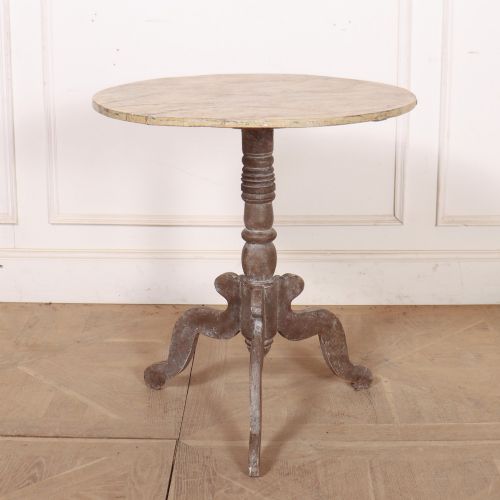
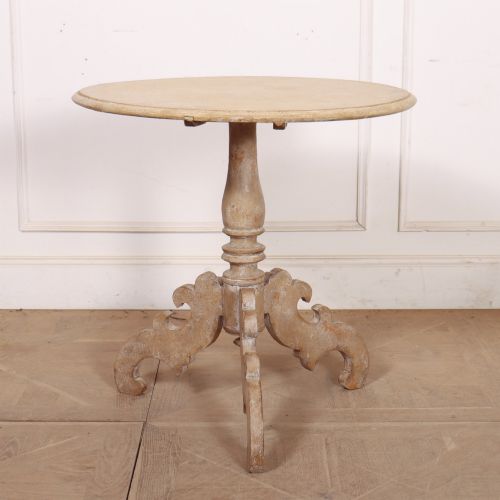
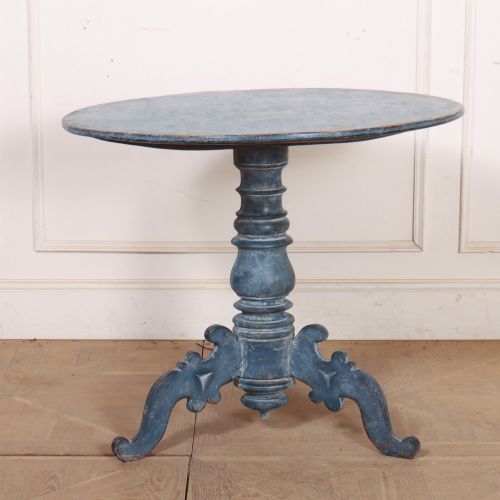
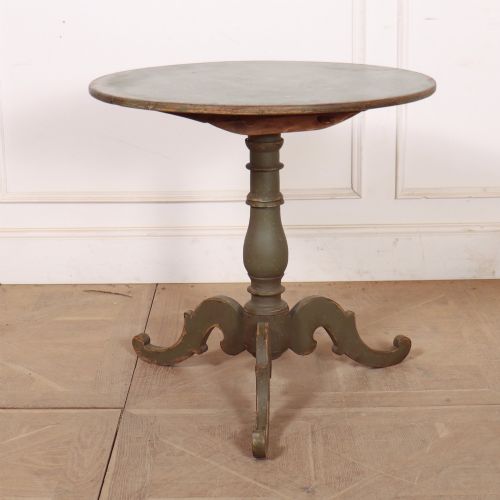
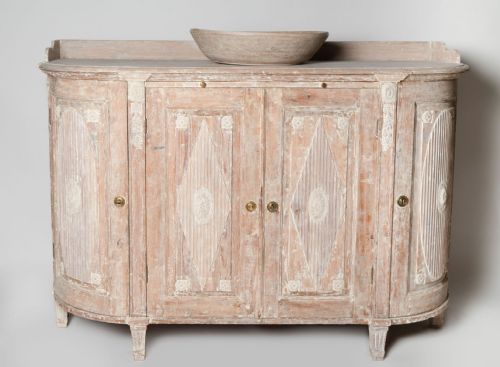
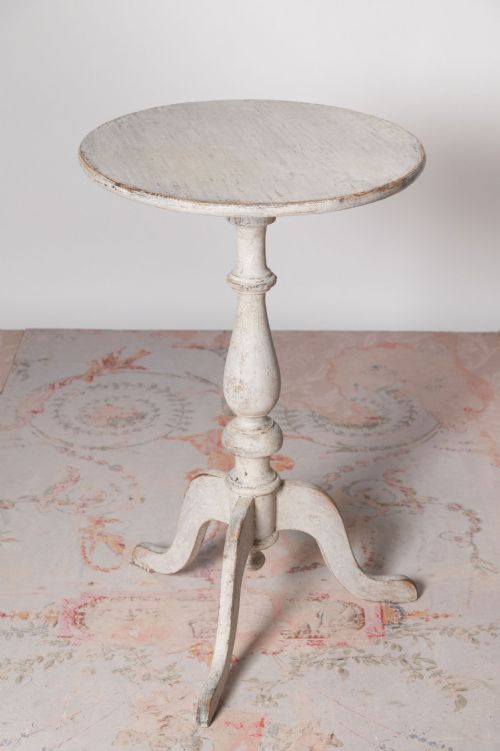
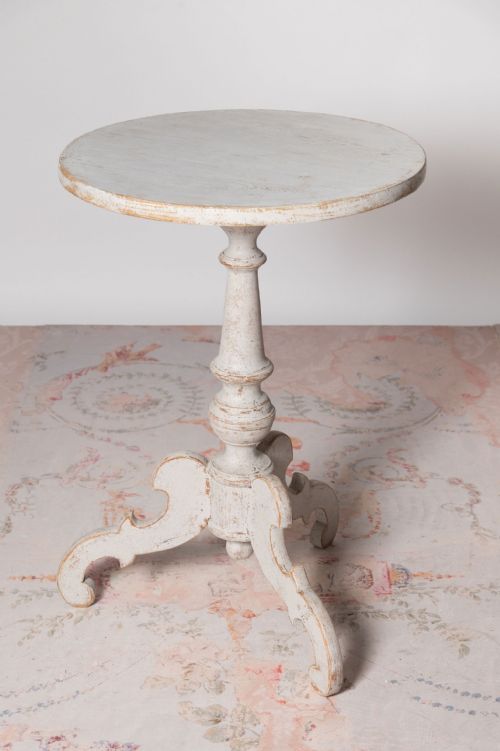
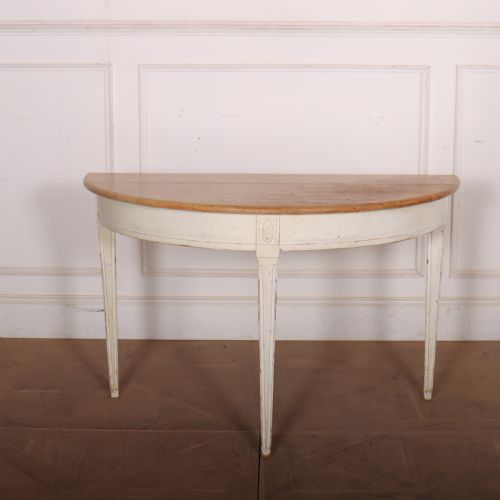


Gustavian Side Table
These gustavian side table pieces bring northern restraint into a room, offering clean painted surfaces and slender proportions that suit modern spaces.
What a gustavian side table is
A gustavian side table brings a restrained Scandinavian aesthetic to a room, drawing on eighteenth-century Swedish design traditions. These examples span the nineteenth century, including specific dates around eighteen eighty and nineteen hundred.
The forms on this page include side tables, console tables, and lamp tables. They reflect regional styles such as Scandinavian country, Swedish country, and Swedish rococo.
Buyers encounter painted finishes predominantly, alongside carved wooden details. The pieces serve practical functions in hallways and living spaces while maintaining a light visual profile.
How they were made
Construction relies on timber foundations using pine, softwood, and painted timber or painted wood. Joinery techniques support everyday domestic use without heavy bulk.
Surfaces receive layers of paint, often accumulating historical patination over time. Details sometimes incorporate carved elements, while certain configurations pair the wooden frames with marble tops or brass hardware.
Retail Price Guide 2026
Typical UK retail prices for gustavian side table, calculated from the Sellingantiques database of over a million retail prices indexed since 2003. This retail price guide relies exclusively on Sellingantiques data; no external sources or auction records are used, so the figures do not describe the wider market.
Some nineteenth-century Swedish tables carry layers of historic paint applied by generations who simply wanted a fresh colour for the dark northern winter.
What varies in quality
Quality rests in the handling of the painted finish and the crispness of any carved decoration. Early surface treatments show depth and wear that machine painting cannot replicate.
Proportion and stability separate standard utility pieces from finer examples. Subtle differences in leg taper and edge profiling reveal the maker's eye for neoclassical balance.
The Gustavian Side Table Glossary
- Gustavian
- A Swedish neoclassical design style spanning the late eighteenth and nineteenth centuries, characterised by restrained ornamentation and pale painted finishes. It adapts continental European motifs to northern sensibilities.
- Console table
- A table designed to stand against a wall, frequently supported by two front legs and secured to the wall structure. These forms often feature in hallways and reception rooms.
- Softwood
- Timber from conifer trees, such as pine, which forms the structural core for much nineteenth-century Scandinavian furniture. It provides a lightweight and workable material for painted surfaces.
- Patina
- The surface texture and coloration developed through age, use, and successive layers of paint. Collectors value this visual evidence of a piece's history.
Frequently Asked Questions
Where do these tables originate?
These pieces originate from Sweden, reflecting Scandinavian design traditions of the nineteenth century.
They embody regional interpretations of neoclassical styles adapted for local homes.
What materials are used?
Construction primarily utilises pine and softwood, finished with paint.
Finer examples incorporate details in brass and marble alongside carved woodwork.
How do I style a side table?
Their slender proportions and pale finishes suit hallways, living rooms, and bedrooms.
They work well as lamp tables or surface spots next to seating.
Are the paint finishes original?
Finishes vary between original historic paint layers and later decorative applications.
Examining the surface wear helps reveal the age of the paint.