






Grey Wooden Cupboard
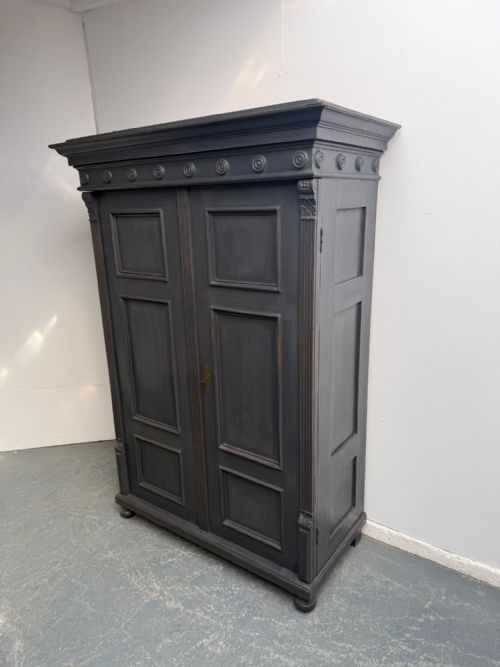
A grey wooden cupboard brings muted tone and practical storage to a room, drawn mainly from continental European country traditions.
Grey Wooden Cupboard
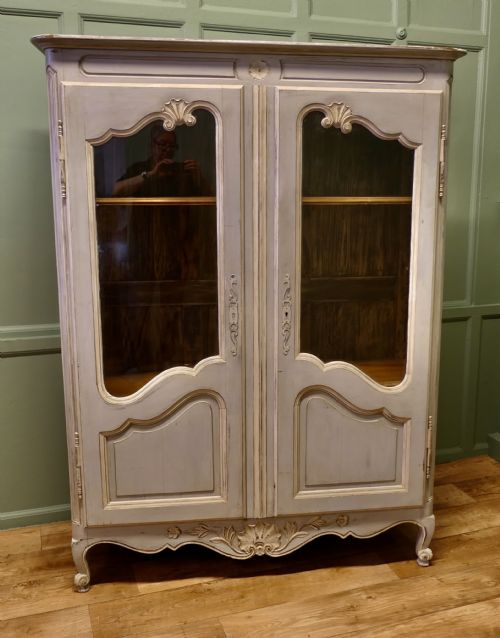
A grey wooden cupboard spans several centuries of domestic storage, with the nineteenth century heavily represented alongside earlier eighteenth-century examples. You will frequently encounter regional styles such as French provincial, Scandinavian country, and Gustavian pieces.
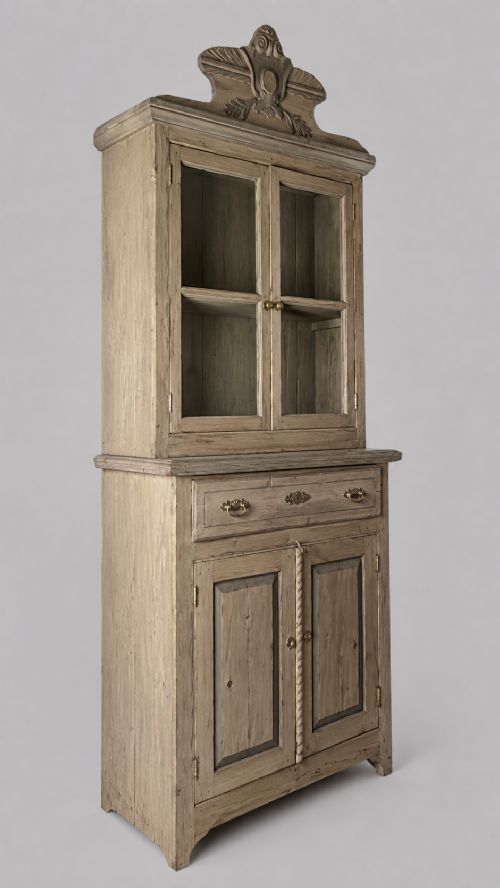
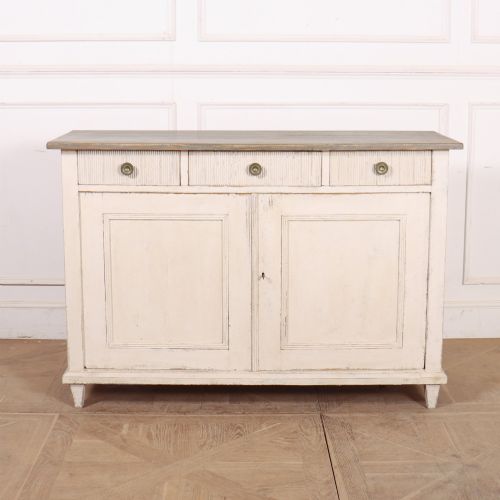
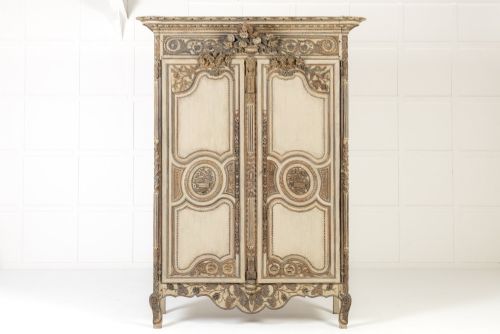
Forms range from simple linen cupboards and single storage units to grand armoires, glazed display cabinets, and dresser bases. These items originate from workshops across France, Sweden, Denmark, Hungary, and Italy.
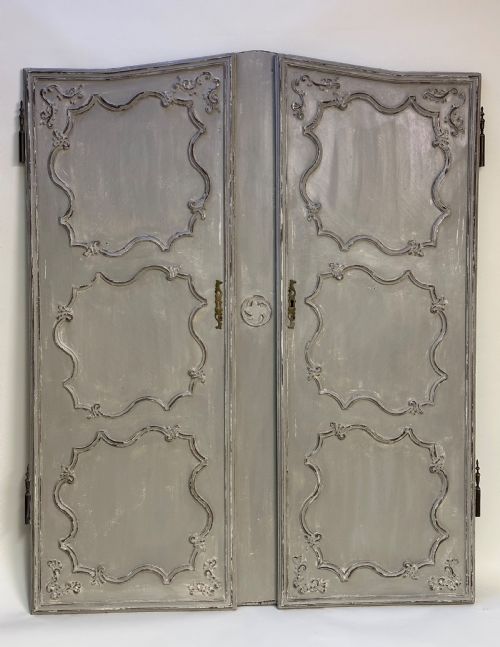
The finish is typically a painted surface in light or mid grey tones, often showing the character of its original domestic service. Construction relies primarily on sturdy timbers such as pine, oak, and cherrywood.
Materials and construction
Makers utilised available local softwoods and hardwoods, most notably pine and oak, built with traditional joinery suited to heavy daily use. Doors and panels frequently feature hand-carved details or applied mouldings.
The characteristic grey appearance relies on historic layers of paint applied over the raw wood, sometimes distressed by age or subsequent regional maintenance. Iron and brass hardware, including hinges and latches, secure the doors and drawers.
Listings feature eighteenth and nineteenth-century pieces from Sweden, France, Denmark, and Hungary, constructed in pine, oak, and cherrywood.
Assessing craftsmanship and finish
Quality rests in the integrity of the timber frame and the authenticity of the painted surface rather than mass-produced uniformity. Superior pieces retain their original hardware and functional internal shelving or hanging space.
Regional variations show in the refinement of hand-carved mouldings and the proportion of cornices and footers. The depth and patina of the painted finish distinguish older, untouched layers from later decorative updates.
The Grey Wooden Cupboard Glossary
- Gustavian
- A Swedish neoclassical style popular in the late eighteenth and nineteenth centuries, known for restrained symmetry and pale painted finishes. It draws inspiration from French court taste interpreted through a Nordic lens.
- Armoire
- A large freestanding cupboard with doors, traditionally used for storing garments and household linens. European examples often feature deep cornices and panelled doors.
- Enfilade
- A suite of pieces or a long sideboard designed to stand in a line along a wall, common in large European dining rooms. These pieces offer extensive surface and cabinet storage.
- Vitrine
- A glass-fronted display cabinet used for holding porcelain, books, or curiosities. The glazed doors allow contents to be viewed while protected from dust.
- Dresser base
- The lower section of a kitchen or dining dresser, fitted with cupboards and drawers without upper shelving. This form provides robust surface space and concealed storage.
Grey Wooden Cupboard: Frequently Asked Questions
What rooms suit a grey wooden cupboard?
These cupboards adapt well to kitchens, hallways, and living spaces where practical storage is required. Their neutral painted tones complement both traditional and contemporary interiors.
Larger armoires and dressers function effectively for clothing or dining ware, while smaller bedside tables and corner units fit compact layouts.
How do I care for the painted finish?
Dust the surface regularly with a soft, dry cloth to prevent dirt accumulation. Avoid harsh chemical cleaners that can damage historic paint layers.
Keep the timber away from direct heat sources and strong sunlight to prevent the wood from warping and the paint from fading.
How can I tell the period of a cupboard?
Examine the construction joints, timber types, and backboards for signs of age and hand-tool marks. Machine-cut screws and modern plywood generally indicate later replacement or manufacture.
Hardware style, lock mechanisms, and the composition of the paint layers also offer strong clues to the decade of origin.
Are the interiors original?
Many older cupboards have had internal shelves or hanging rails adjusted or replaced to suit modern domestic needs. Historic pieces often show wear marks inside from generations of household use.
Inspect the interior depth and layout to ensure it meets your specific storage requirements before purchase.