


Grey Top Console Table
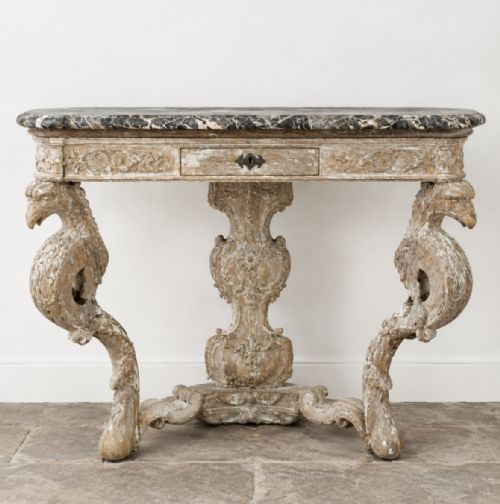
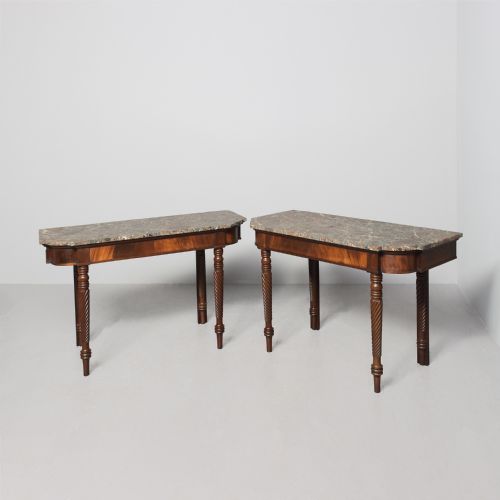
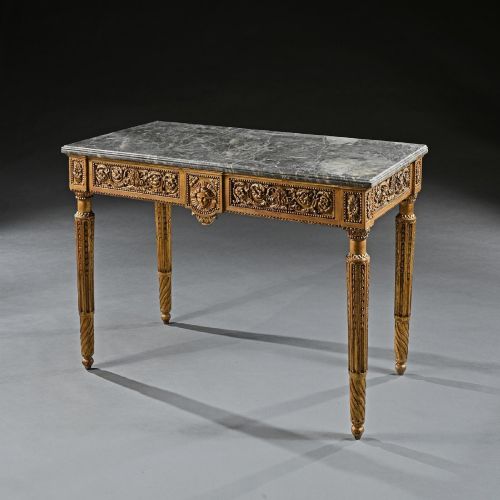
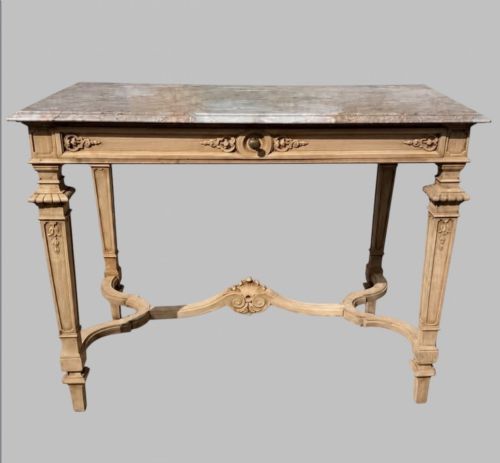
A grey top console table brings architectural presence and a cool stone surface to an entrance hall or living room.
Grey Top Console Table
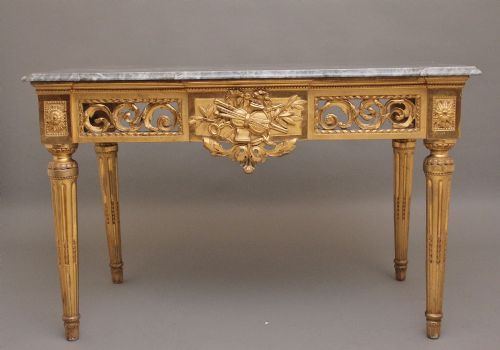
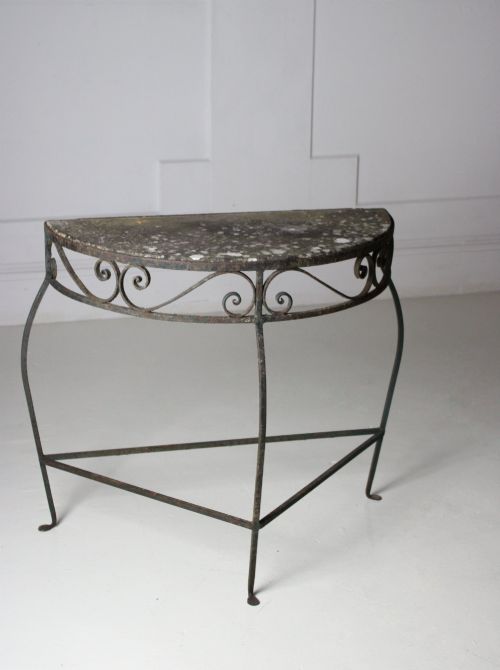
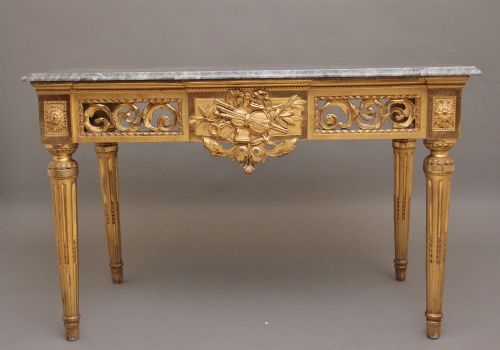
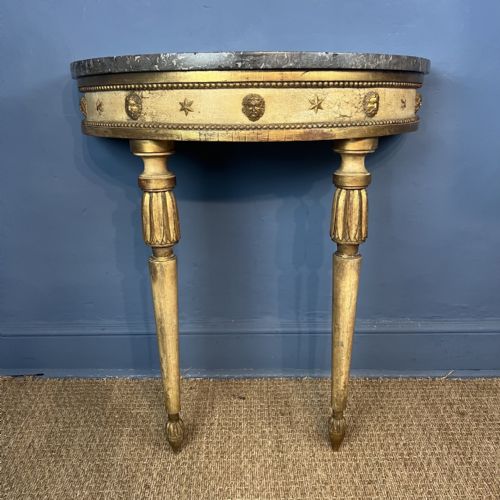
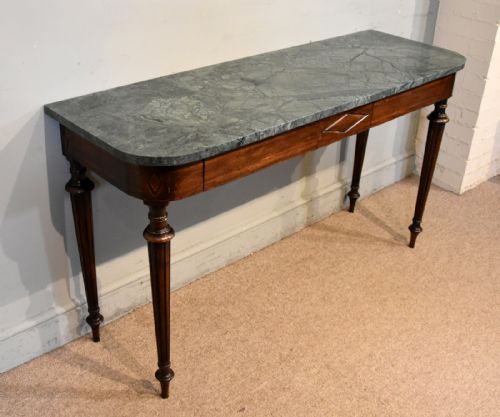
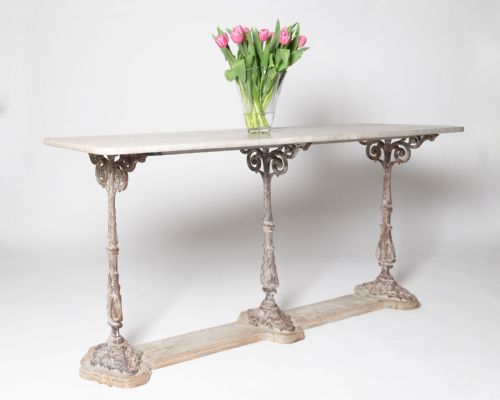
A grey top console table combines a sturdy wooden or iron base with a polished stone surface, typically designed to stand flush against a wall in a hallway or principal reception room. When you examine a grey top console table, you will encounter diverse forms ranging from French Provincial designs to formal Italian Neoclassical and Regency pieces.
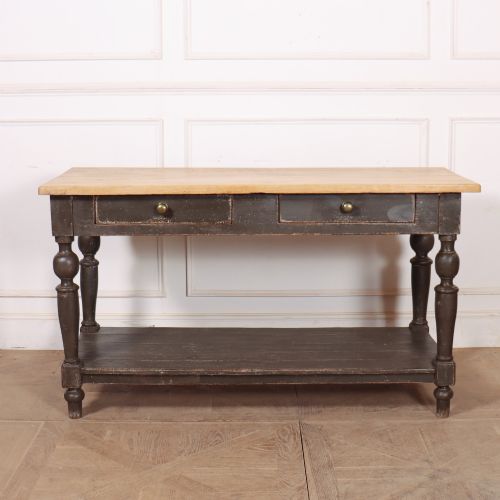
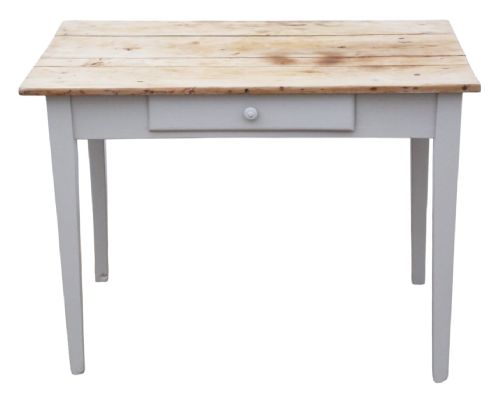
The inventory on this page spans several centuries, drawing heavily upon 18th Century and 19th Century craftsmanship alongside later Edwardian and 1930s interpretations. Alongside traditional console tables, you will find related side tables, servers, washstands and kitchen tables that share the characteristic marble or stone top.
Continental European workshops dominate the stylistic range, offering French Rococo, French Chateau, and giltwood finishes alongside English mahogany and painted wood frames. These tables served historically to display decorative objects or support lamps, utilising their narrow depth to preserve floor space in tight corridors.
Materials and Construction
Joinery techniques relied on traditional methods suited to the weight of the stone top, securing heavy slabs within wooden surrounds or resting them directly upon braced underframes. Carved giltwood and decorative mouldings were executed by hand, creating the ornate flourishes seen on French revival and Italian neoclassical examples.
Several tables retain original grey marble surfaces designed to keep pastry cool in country houses.
Judging Quality and Execution
The distinction between ordinary and exceptional examples rests in the depth of hand-carved detail on the wooden or giltwood base and the purity of the marble slab. Superior pieces display crisp architectural carving, harmonious proportions, and tight joinery that supports heavy stone without sagging.
Originality of components defines the upper tier of the market, where tables retain their initial marble tops and primary surface finishes rather than later replacements or stripped timber. The fluidity of carved scrolls and the quality of parcel gilding separate mass-produced items from master-carved regional furniture.
The Grey Top Console Table Glossary
- Console table
- A table designed to stand against a wall, traditionally supported by two or four legs with brackets.
- Giltwood
- Wood that has been coated with gold leaf or a gold-coloured finish for decorative effect.
- Marble top
- A polished stone slab fitted to the upper surface of a table to provide a durable and cool finish.
- Parcel gilt
- Woodwork partially decorated with gold leaf, highlighting specific carved details against a painted ground.
Grey Top Console Table: Frequently Asked Questions
Where should I place a console table?
These tables suit narrow circulation spaces like entrance halls, corridors, and landings where depth is limited. Their narrow profile allows them to sit flat against a wall without obstructing foot traffic.
They also function well in living rooms beneath mirrors or artwork, providing a convenient surface for lamps and decorative objects.
How do I care for a marble top?
Marble requires gentle cleaning with a damp cloth and mild, pH-neutral soap to preserve the polished finish. Avoid acidic cleaners and abrasive scrubbing pads that can etch or dull the stone surface.
Using coasters and mats underneath drinks and heavy objects will protect the vintage stone from staining and scratching.
Are these tables sturdy enough for daily use?
The heavy stone tops provide considerable downward gravity, anchoring the wooden or iron bases firmly in place. Most historic examples are constructed with robust joinery designed to bear significant weight.
However, very tall or slender designs should be secured to the wall if there is a risk of leaning or tipping.
How do I identify a period piece?
Dating relies on examining the tool marks, timber shrinkage, and joinery style hidden beneath the frame and on the underside. Stylistic cues such as Neoclassical symmetry or French Rococo curves also point to specific eras.
Comparing the hardware, gilding technique, and marble edge profile against documented examples helps confirm the age of the piece.